
When planning your home’s lighting layout, deciding between a 12V low-voltage system and a 240V mains-voltage system is a critical first step. Both options offer distinct advantages depending on your ceiling structure, safety requirements, and design goals. While a 12V system is renowned for its precise beam control and compact fixture designs, a 240V system offers straightforward installation, longer track runs without voltage drop, and direct connection to your home’s electrical grid. Understanding these differences will help you choose the ideal setup for your space.
Core Differences: How 12V and 240V Spotlight Systems Work
A 240V spotlight system operates directly on Singapore’s standard mains-voltage supply. This setup uses fixtures that connect straight to your household wiring, utilizing integrated LED drivers or standard mains-voltage bulbs like the GU10. Because the voltage transformation occurs within each individual bulb or fixture, the installation wiring remains straightforward and relies on standard electrical cables.
In contrast, a 12V low-voltage system cannot handle 240V directly. It requires an intermediary step-down transformer or a dedicated low-voltage LED driver to convert the 240V mains power into a safer, lower 12V current. These systems typically utilize smaller bulb bases, such as MR16 (GU5.3), or specialized, integrated low-voltage fixtures.
Products mentioned in this guide

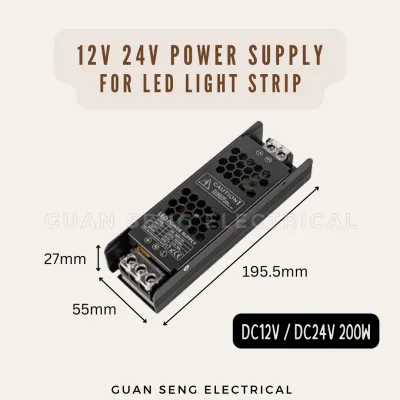
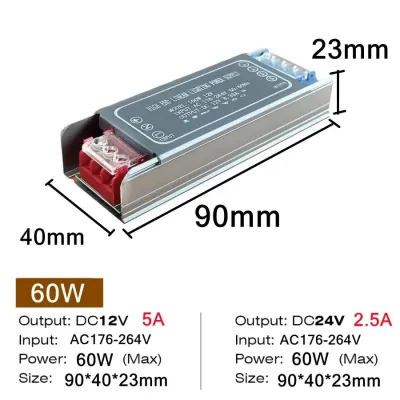
Prices are valid at publication and may change. Please refer to the product page for the latest price.
This structural difference directly impacts your ceiling space. While 240V fixtures house all necessary electronic components within their own bodies, a 12V system requires a remote transformer. This transformer must be concealed, usually inside a ceiling cavity, behind a false ceiling, or within a dedicated utility cabinet. For homeowners with concrete ceilings and no false ceiling (common in many standard HDB flats), finding a place to hide these transformers can be a major design obstacle. Therefore, the physical footprint of your lighting components is a primary factor when choosing between these systems for indoor spot and track lighting.
Electrical Safety and Installation Requirements
Safety is paramount when planning any residential lighting installation. A 240V mains-voltage system carries an inherent electrical shock risk due to the high voltage. Consequently, these systems demand strict adherence to safety standards, including robust fixed wiring, proper earthing of all metal fixtures, and appropriate circuit protection via residual current devices (RCDs). This is especially critical in damp or high-humidity environments, such as bathrooms, where moisture increases the risk of electrical faults.

While the low-voltage wiring of a 12V system is inherently safer to handle during maintenance, it introduces its own set of safety considerations. The primary concern with low-voltage systems is thermal management. Step-down transformers and LED drivers generate heat during operation. If these components are installed in poorly ventilated ceiling cavities or directly under thermal insulation, they can overheat. This overheating not only shortens the lifespan of the driver and the LED bulbs but also presents a potential fire hazard. Adequate clearance and ventilation around every transformer are essential.
In Singapore, the safety boundary for electrical work is clearly defined by law. Any modification to the 240V mains supply, including installing new circuit breakers, running new fixed cables, or installing mains-voltage track lighting, must be performed by a licensed electrician. All electrical installations must comply with local wiring regulations, specifically SS 638. Attempting to wire mains-voltage systems yourself is highly dangerous. Always isolate the power supply at the main distribution board before any maintenance or inspection.
Furthermore, do not assume that a lower voltage automatically makes a fixture waterproof. The water resistance of any spotlight is determined by its Ingress Protection (IP) rating, not its operating voltage. When installing spotlights in bathrooms, wet kitchens, or semi-outdoor balconies, you must check the IP rating of the fixture. For instance, fixtures installed directly over a shower zone typically require an IP44 or IP65 rating to protect against water splashes and jets, regardless of whether they run on 12V or 240V.
Design Flexibility and Track Lighting Performance
From a design perspective, the choice of voltage heavily influences the visual aesthetic and physical scale of your lighting. Historically, 12V systems have been favored by lighting designers for their superior beam control. Because low-voltage systems use a smaller filament or a more compact LED chip, the light source is highly concentrated. This allows manufacturers to design smaller, more precise reflectors and lenses. The result is a highly focused beam of light with minimal spill, making 12V spotlights ideal for precise accent lighting, highlighting artwork, or illuminating specific architectural features.
However, 240V systems offer distinct advantages when it comes to scale and simplicity. Because they operate at mains voltage, they can support much longer track runs without experiencing voltage drop. Voltage drop occurs when electrical resistance over a long wire causes the voltage—and consequently the brightness of the lights—to decrease toward the end of the run. A 240V track can easily power dozens of high-output spotlights over many meters, making it the preferred choice for large open-plan living rooms or long hallways.
Modern integrated LED technology has closed the physical size gap between the two systems. Today, you can find incredibly compact 240V track lights and spotlights that do not require bulky external housings. Despite this progress, 12V systems still hold an advantage in ultra-miniature, high-precision track designs. These micro-track systems feature incredibly slim, low-profile tracks that blend seamlessly into ceilings or shelving.
The visual impact of the track itself is another aesthetic consideration. Because 240V tracks must carry mains voltage, they require thicker copper conductors and more robust internal insulation to meet safety standards. This makes 240V track profiles thicker and more visually prominent. On the other hand, 12V tracks can be much simpler and more discreet, allowing the lighting system to disappear into the architecture of the room.
How to Choose: Matching Voltage to Your Room and Ceiling
Selecting the right system requires matching the technical characteristics of each voltage to the physical realities of your home. A 12V system is highly recommended for spaces where precision, safety, and miniature aesthetics are the priority. If you are designing intricate display cabinet lighting, under-cabinet kitchen lighting, or installing spotlights in low-clearance false ceilings where large fixtures would look obtrusive, 12V is often the superior choice. It is also highly suited for specific bathroom zones where low-voltage safety provides peace of mind.
Conversely, a 240V system is the practical choice for most general residential lighting retrofits. If you are replacing existing light fixtures without undergoing a major renovation, a 240V system allows you to connect directly to your existing wiring points without the need to tear open walls or ceilings to hide transformers. It is also ideal for high ceilings, long corridors, and areas where you need bright, high-output ambient light.
Before purchasing any lighting equipment, you must verify your existing ceiling cavity depth. If you are leaning toward a 12V system, ensure there is sufficient space not only to fit the step-down transformer but also to allow for proper heat dissipation. A cramped, unventilated ceiling space will cause the transformer to overheat and fail prematurely. If space is extremely limited, a 240V system with integrated slimline LEDs may be the only viable option.
Additionally, always assess your current electrical circuit capacity. Adding multiple high-wattage spotlights, especially in older homes, can place a heavy load on your existing circuits. A licensed electrician can perform the necessary load calculations and advise whether your distribution board can support the new lighting design. Always check the manufacturer’s instructions and product labels on both the fixtures and the bulbs to ensure compatibility with your existing switches and dimming systems.
Frequently Asked Questions (FAQ)
Can I mix 12V and 240V spotlights on the same lighting track?
Standard lighting tracks are engineered to operate at one specific voltage. Mixing 12V and 240V fixtures on a single standard track is highly dangerous and physically incompatible. Attempting to do so can cause immediate electrical shorts, destroy your low-voltage fixtures, or create a severe shock hazard. While specialized, multi-circuit tracks exist that can handle different control protocols, they are highly complex, expensive, and generally not recommended for standard residential installations. Always ensure your track and all attached fixtures are rated for the exact same voltage.
Do 12V LED spotlights need a different dimmer switch than 240V?
Yes, dimming a 12V LED spotlight is significantly more complex than dimming a mains-voltage 240V spotlight. To dim a 12V system successfully, you must ensure perfect compatibility between three distinct components: the wall dimmer switch, the step-down transformer or LED driver, and the LED bulb itself. If any of these components are mismatched, you will likely experience flickering, buzzing, reduced dimming range, or premature component failure. You must verify the dimming protocol of your 12V driver—such as TRIAC (leading or trailing edge), 0-10V, or DALI—and match it precisely with a compatible wall dimmer switch. Mains-voltage 240V LEDs, by contrast, typically only require compatibility between the bulb/driver and a standard LED-compatible wall dimmer.
Community discussion
Share your experience or ask a question. Comments are reviewed before publication.