
A single cushion cover 30x50cm swap is one of the most efficient ways to transform the visual energy of a room. The rectangular lumbar shape serves a dual purpose: it provides essential lower back support on deep-seated sofas while breaking up the visual monotony of standard square cushions. By introducing a new texture, pattern, or color palette through this compact accent, you can easily transition your living space from a warm, rustic Japandi sanctuary to a high-contrast modern minimalist zone without the expense of replacing large furniture pieces. Matching these versatile covers with specific textiles, construction features, and styling techniques is the key to elevating your home’s aesthetic.
What to Check Before Buying a Cushion Cover 30x50cm
Dimension Accuracy and Insert Selection
Metric measurements are crucial when selecting your soft furnishings. A cushion cover 30x50cm requires a precise insert strategy to look its best. To achieve a plump, professional, high-end look, it is highly recommended to size up the insert slightly—using a 32x52cm insert inside a 30x50cm cover. If you use an exact 30x50cm insert, the corners can sometimes look empty or saggy, especially with natural fabrics like linen that relax over time. Do not confuse metric sizes with imperial 12×20 inch equivalents; while they are close, a 12×20 inch cover is slightly larger and can leave gaps if paired with a strict metric insert.
Climate-Appropriate Fabrics for Singapore
Singapore’s tropical climate, characterized by high relative humidity and year-round warm temperatures, demands careful fabric selection. For homes relying on natural ventilation or ceiling fans, prioritize breathable, moisture-wicking materials such as slub linen, organic cotton, and high-performance cotton-polyester blends. These fabrics resist trapping body heat and dry quickly, reducing the risk of mildew. Heavy, dense materials like thick polyester velvet or plush faux fur should be reserved strictly for spaces with consistent air conditioning, as they can feel uncomfortably warm and sticky against bare skin on a humid afternoon.
Products mentioned in this guide
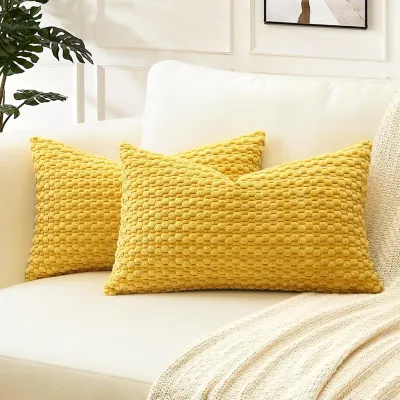
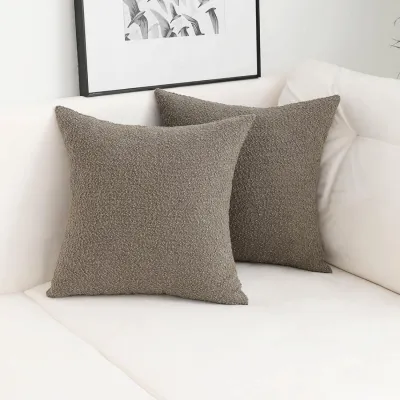
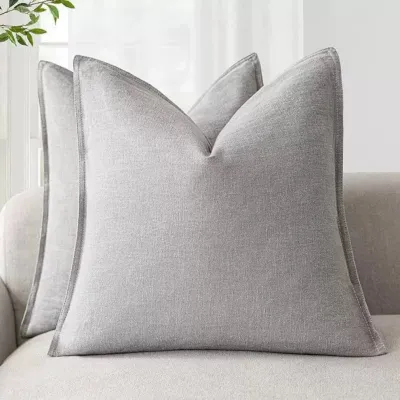
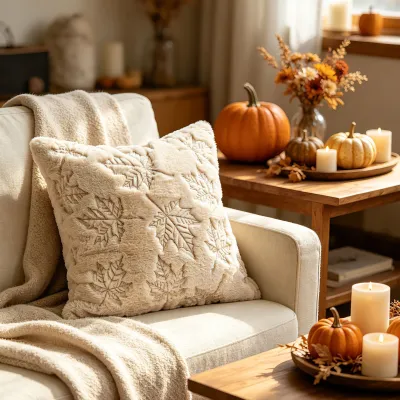
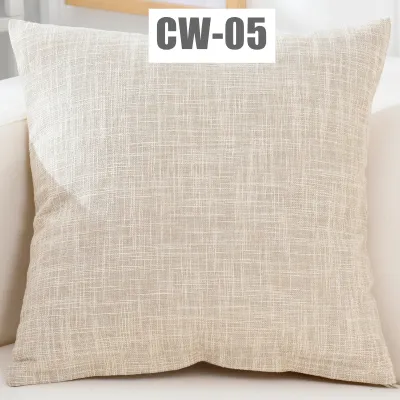
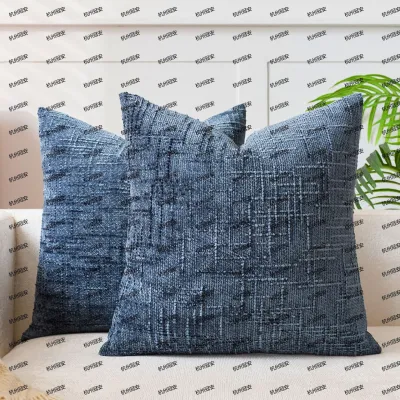
Prices are valid at publication and may change. Please refer to the product page for the latest price.
Closure and Construction Quality
Examine the opening mechanism and internal construction before purchasing. Hidden zippers, typically sewn into the bottom seam, provide a clean, seamless silhouette that keeps the cushion looking tailored from any angle. Envelope closures, which feature overlapping fabric flaps on the back, offer easy removal but are prone to gaping if the insert is even slightly overstuffed, exposing the white inner casing. Additionally, inspect the inner seams; look for overlocked or reinforced stitching to ensure the cover can withstand the tension of being stuffed and the friction of regular machine washing.
Top 30x50cm Cushion Cover Styles for Every Home Aesthetic
Scandinavian & Japandi
- Best Materials: Focus on tactile, organic textures that bring warmth to minimalist spaces. Slub linen, waffle-weave cotton, and unbleached canvas are excellent choices. These fabrics feature natural variations in yarn thickness, creating a rich, sensory experience.
- Design Features: The color palette should lean toward muted earth tones, such as oatmeal, sage green, warm grey, and soft terracotta. Avoid loud patterns; instead, opt for subtle textural weaves, tone-on-tone stitching, or minimalist geometric lines that whisper rather than scream.
- Buying Tip: Look for covers with a slightly relaxed, "lived-in" drape rather than stiff, heavily starched finishes. This organic softness is key to achieving the cozy Danish concept of "hygge" or the rustic, imperfect beauty of Japanese "wabi-sabi."
Modern & Minimalist
- Best Materials: Clean lines and structured forms define this aesthetic. Choose matte cotton twill, structured polyester-viscose blends, or smooth cotton sateen. These materials hold their shape well, maintaining a crisp, architectural profile.
- Design Features: Embrace solid block colors, high-contrast piping (such as a white cover with sharp black borders), or abstract, large-scale graphic prints. The focus is on bold, deliberate design choices rather than intricate details.
- Buying Tip: Prioritize covers with invisible hidden zippers and perfectly square, tailored edges. Avoid embellishments like tassels, fringes, or raw hems, which introduce unnecessary visual noise and clash with the sleek, uncluttered philosophy of modern design.
Bohemian & Coastal
- Best Materials: This style thrives on laid-back comfort and global, artisanal influences. Washed linen, macrame cotton, and lightweight canvas provide the perfect canvas for layering.
- Design Features: Look for botanical prints, hand-stenciled mudcloth patterns, fringed edges, and heavy tassel trims. Color palettes can range from warm, sun-baked terracotta and mustard to oceanic blues, sandy beiges, and crisp whites that evoke a breezy seaside villa.
- Buying Tip: Embrace natural imperfections. Hand-woven textures, irregular embroidery, and slightly faded dye finishes add an authentic, human touch. These details elevate reading nooks, daybeds, or rattan accent chairs by introducing depth and character.
Classic & Traditional
- Best Materials: For a sense of timeless elegance and formal symmetry, select premium textiles with weight and substance. Cotton-velvet, heavy cotton damask, or rich silk-viscose blends work beautifully in refined spaces.
- Design Features: Deep, sophisticated jewel tones—such as emerald green, royal navy, and ruby red—pair elegantly with subtle damask weaves, tonal embroidery, and structured flanges or corded piping.
- Buying Tip: Ensure the fabric has a subtle, sophisticated sheen or a heavy, graceful drape to maintain a formal, upscale appearance. Always verify the manufacturer's care label; delicate silk blends or high-pile velvets often require dry cleaning or gentle hand washing to preserve their luxurious texture.
How to Layer and Style Your 30x50cm Lumbar Cushions
The Rule of Three
Styling a sofa requires a thoughtful balance of scale and proportion. The 30x50cm rectangular shape is the ultimate “finishing touch” cushion. To create a balanced, professional layer, place two larger square cushions (such as 50x50cm or 60x60cm) in the corners of your sofa, and layer a single 30x50cm lumbar cushion directly in front of them. This creates an appealing visual hierarchy, contrasting the height of the square cushions with the grounding horizontal line of the rectangular lumbar.

Bed Styling
In the bedroom, lumbar cushions add a polished, boutique-hotel feel. For a queen or king-sized bed, place your standard sleeping pillows flat against the headboard, layer two medium square decorative pillows in front, and finish the look by placing two 30x50cm lumbar cushions side-by-side or stacking a single elongated lumbar centered right at the front. This arrangement draws the eye to the center of the bed, creating a focal point of comfort.
Dining and Accent Chairs
Wide accent chairs, deep armchairs, or wooden dining benches can often feel unsupportive or visually empty. Placing a single 30x50cm lumbar cushion in these seating areas provides targeted lower back support while filling the empty negative space. Choose a cover with a contrasting texture or bold pattern to turn a simple dining bench or reading chair into an eye-catching design feature.
Caring for Cushion Covers in Singapore's Humid Climate
Washing to Prevent Shrinkage
High humidity and heat can degrade fibers over time, making regular washing necessary. However, natural fibers like cotton and linen are highly susceptible to shrinkage. Always wash your covers in cold water on a gentle cycle and hang them to air dry in a shaded, well-ventilated area. Even a minor 2% shrinkage on a 30x50cm cover can make it incredibly difficult—or impossible—to fit over your insert without tearing the seams or bending the zipper.
Humidity and Storage
During the humid monsoon seasons in Singapore, moisture can easily trap inside fabrics, leading to musty odors, mildew, or mold. If you rotate your cushion covers seasonally, avoid storing spare covers in plastic bags, which trap moisture. Instead, place them in breathable cotton storage bags along with a few silica gel packets to absorb excess moisture and keep the fabrics smelling fresh.
Sun Fading
Many Singaporean apartments feature large, floor-to-ceiling windows that let in abundant natural light. While beautiful, direct and unfiltered UV rays will rapidly fade dark or richly dyed cushion covers, leaving them looking worn and uneven. To protect your investment, position cushions away from direct sunlight, use UV-filtering window films, or opt for light-colored, UV-resistant outdoor fabric covers for sun-drenched window bays and balconies.
Frequently Asked Questions (FAQ)
Can I use a 50x50cm insert for a 30x50cm lumbar cover?
No, a square 50x50cm insert will not fit into a rectangular 30x50cm cover. Attempting to force a square insert into a rectangular cover will bunch up the fabric, strain the zipper, and likely cause the seams to burst. For a proper fit, always use a dedicated rectangular insert. If you prefer a firmer, plumper cushion, choose an insert that is slightly larger than the cover, such as a 32x52cm insert.
Are 30x50cm cushion covers the exact same as 12×20 inches?
Not exactly. While many online marketplaces use these measurements interchangeably, 12×20 inches converts to approximately 30.5×50.8cm. This slight half-centimeter difference can affect how snugly the cover fits your insert. To avoid a loose, wrinkly appearance or an overly tight fit that strains the seams, always check the exact metric measurements listed on the product specifications before purchasing.

Community discussion
Share your experience or ask a question. Comments are reviewed before publication.