
Selecting the right 48W LED ceiling light for an HDB flat with a standard 2.6-meter ceiling height requires balancing high light output with physical space constraints. Because a 2.6m ceiling is relatively low, bulky or dangling light fixtures can make a room feel cramped and create uncomfortable glare. A 48W LED typically produces a substantial volume of light, making it an excellent primary light source for living rooms or master bedrooms when paired with a low-profile design and a high-quality diffuser.
To make this setup work, homeowners must focus on fixtures that sit close to the ceiling plaster to maximize vertical clearance. Additionally, selecting a light with dimming capabilities or tri-color switching allows you to adjust the intensity throughout the day, preventing the space from feeling clinical or overly bright during quiet evenings.
Understanding Lighting Needs for 2.6m HDB Ceilings
The standard ceiling height of 2.6 meters in most HDB flats presents unique spatial and optical challenges. When a light source is positioned closer to the floor, the cone of light it projects has less distance to spread out. Consequently, a fixture with a narrow beam angle will create intense, concentrated pools of light directly underneath it, leaving the corners of the room in shadow. To achieve even illumination across the room, a 48W LED ceiling light must feature a wide beam angle, typically 120 degrees or more, to disperse light horizontally before it reaches eye level.
Products mentioned in this guide
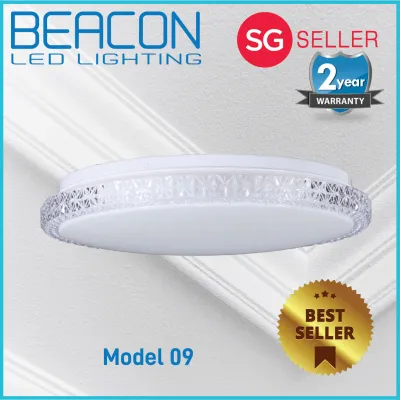
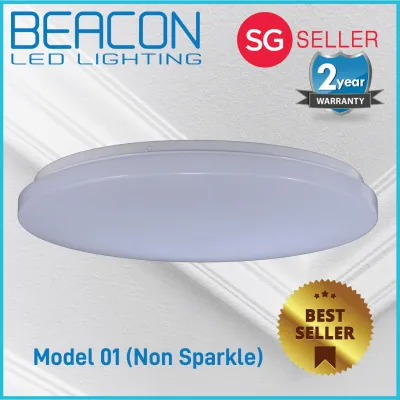
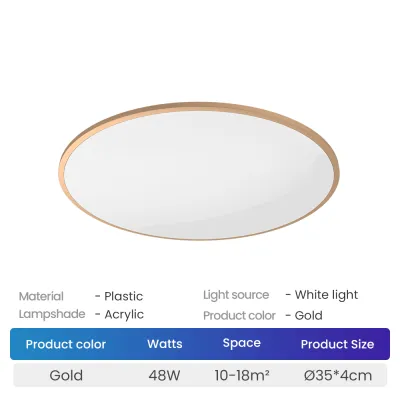
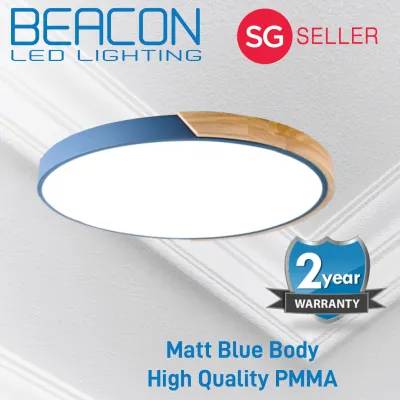
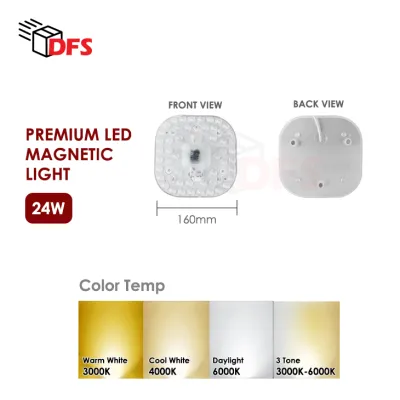
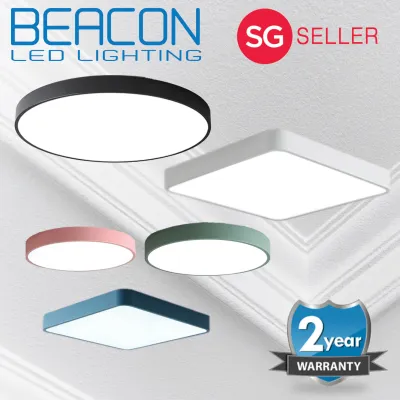
Prices are valid at publication and may change. Please refer to the product page for the latest price.
Glare is another critical factor when dealing with a 2.6m ceiling. Because the light source sits closer to your natural line of sight, direct exposure to unshielded LED chips can cause significant eye strain and visual discomfort. This issue is amplified with a high-wattage 48W fixture, which emits a substantial volume of light. Homeowners must look for fixtures equipped with advanced diffusion materials that soften the light output, scattering the rays evenly to eliminate harsh hotspots and minimize direct glare.
Understanding how wattage translates to actual brightness is essential for HDB spaces. While wattage measures electrical power consumption, lumen output determines the actual brightness. A standard 48W LED fixture generally delivers around 3,800 to 4,800 lumens, depending on its luminous efficacy. For a typical HDB living room measuring 15 to 22 square meters, this level of brightness is highly appropriate as a primary ambient light source. However, in a smaller common bedroom of 9 to 12 square meters, an un-dimmed 48W light can feel overwhelmingly bright, making dimming options or lower-wattage alternatives worth considering.
Beyond the optical performance, the physical proportions of the ceiling light play a major role in the perceived volume of an HDB room. A fixture that is too thick or too wide can visually lower the ceiling, making the entire room feel claustrophobic. For a 2.6m ceiling, the ideal fixture thickness should not exceed 5 to 7 centimeters. In terms of diameter, a circular light measuring between 40 and 50 centimeters offers a balanced visual scale for medium-sized rooms, while larger living rooms can comfortably accommodate diameters up to 60 centimeters without overwhelming the ceiling plane.
Key Selection Criteria for a 48W LED Ceiling Light
When evaluating a 48W LED ceiling light, the relationship between lumen output and Correlated Color Temperature (CCT) is a primary consideration. Many modern LED fixtures offer tri-color switching, allowing users to toggle between warm white (3000K), cool white (4000K), and daylight (6500K). Warm white is ideal for creating a cozy, relaxing atmosphere in bedrooms, while cool white provides excellent clarity for task-oriented spaces like study areas or kitchens. Daylight is highly effective for general living room illumination during the day, but can feel too harsh at night unless the fixture supports dimming.

The physical profile of the light housing is a make-or-break factor for low-ceiling installations. Ultra-slim flush mounts, often measuring less than 3 centimeters in thickness, are highly recommended for 2.6m HDB ceilings. These low-profile designs sit almost flush against the plaster, minimizing visual obstruction and maximizing the vertical clearance of the room. Choosing a fixture with a clean, bezel-less edge can further enhance this effect, allowing the light to blend seamlessly into the ceiling surface.
The quality of the diffuser material directly impacts the comfort of the light emitted. Cheap plastic covers often degrade over time, yellowing under heat and creating uneven, patchy light distribution. High-quality polymethyl methacrylate (PMMA) or polycarbonate diffusers are preferred because they offer excellent light transmission while effectively hiding the individual LED chips inside. Additionally, edge-lit LED technology, where the chips are mounted along the frame and shine sideways into a light guide plate, provides a much softer and more uniform glow compared to direct-lit fixtures where the chips shine straight down.
Integrating dimming capabilities into a 48W ceiling light provides invaluable flexibility for HDB living. Because 48W is a high power level for a single fixture, being able to reduce the brightness to 10% or 20% is crucial for evening relaxation or movie watching. Homeowners must verify whether the light’s built-in driver supports triac dimming, step-dimming via standard wall switches, or smart control protocols. If you plan to use a smart home system, ensure the light is compatible with your existing hub or wireless protocol to avoid flickering and driver damage.
Recommended Design Types for Standard HDB Rooms
For standard HDB rooms with 2.6m ceilings, ultra-slim flush mount designs represent the gold standard. These fixtures eliminate the gap between the ceiling and the light body, preventing shadows from forming on the ceiling itself, which can make a room feel darker and smaller. By hugging the ceiling tightly, these designs draw the eye upward and create an illusion of greater height. They are particularly effective in living rooms and master bedrooms where maintaining an open, airy feel is a priority.
Minimalist geometric shapes, such as circular and square profiles with slim borders, are highly versatile options that complement standard HDB interior designs. Circular fixtures tend to soften the hard lines of rectangular rooms, making them popular for bedrooms and dining areas. Square fixtures, on the other hand, align well with modern, linear design themes and work beautifully in corridors or structured living spaces. Selecting a frame color that matches your ceiling paint—typically matte white—helps the fixture disappear visually when turned off.
Singapore’s tropical climate introduces specific maintenance challenges, notably dust, high humidity, and small insects like midges or lizards. Standard ceiling lights with open gaps or loose covers quickly become traps for debris and pests, requiring frequent cleaning and creating unsightly shadows inside the diffuser. To combat this, homeowners should look for fully enclosed, dust-proof, and insect-proof designs. These fixtures feature rubber gaskets or sealed backplates that prevent anything from entering the light housing, ensuring long-term cleanliness and consistent light output.
When browsing local lighting showrooms or online marketplaces, building a conditional shortlist based on physical and technical specifications will save time and prevent costly mistakes. Start by filtering options by a maximum thickness of 5 centimeters and a minimum color rendering index (CRI) of 80 to ensure accurate color representation in your home. Next, prioritize models that offer integrated drivers with built-in surge protection, which is vital for safeguarding the sensitive electronics against voltage fluctuations in residential grids. Finally, compare the mounting mechanisms of your shortlisted models to ensure they can be easily installed on your specific ceiling type.
Installation and Safety Checks for HDB Flats
Before purchasing a 48W LED ceiling light, it is essential to inspect the existing ceiling junction box in your HDB flat. Standard concrete ceilings in HDB flats are highly stable, but the mounting bracket of the new light must align with the screw holes of the existing junction box. If the new fixture is significantly wider than the junction box, you may need to drill new holes into the concrete ceiling using a rotary hammer drill. Always ensure that any drilling avoids embedded electrical conduits to prevent dangerous short circuits or structural damage.
Electrical safety is paramount when installing high-wattage lighting fixtures. Standard residential voltage in Singapore is 230V AC at 50Hz, and your selected 48W LED light must be rated for this range. Additionally, older HDB blocks may have outdated wiring configurations. It is crucial to verify that the lighting circuit includes a functional earth wire, especially if the fixture you are installing features a metal chassis. Class I fixtures require a secure earth connection to prevent electrical shocks in the event of an internal wiring fault, while Class II fixtures are double-insulated and do not require an earth wire.
While simple, direct replacements of existing light fixtures can sometimes be performed by competent DIY enthusiasts, complex installations require professional intervention. Under Singapore regulations, any modification to the fixed electrical wiring of your home must be carried out by a licensed electrical worker (LEW). If your installation involves running new wiring, adding new switch lines, or modifying the distribution board, you must hire a licensed electrician. Working with a professional ensures compliance with local electrical standards and guarantees that the installation is safe and durable.
To ensure the safety and reliability of your 48W LED ceiling light, always check for recognized safety certifications. In Singapore, controlled electrical appliances and accessories must carry the Safety Mark issued by Enterprise Singapore. This mark indicates that the product has been tested and certified to meet stringent safety standards, reducing the risk of electrical fires, short circuits, or premature driver failure. Avoid purchasing unbranded or uncertified fixtures from unregulated online sellers, as they often lack proper thermal management and electrical insulation.
Frequently Asked Questions (FAQ)
Is 48W too bright for a standard HDB bedroom?
Whether a 48W LED light is too bright for an HDB bedroom depends on the room’s dimensions and how the light is controlled. In a standard common bedroom of about 9 to 11 square meters, a 48W light running at full capacity will likely feel excessively bright and clinical. However, if the fixture features a dimming function or a tri-color switch, you can easily adjust the brightness to a comfortable level. For bedrooms, a dimmable 48W light is highly versatile, providing bright light for cleaning or reading, and soft, warm light for resting.
Can I install a 48W LED ceiling light on a false ceiling?
Yes, you can install a 48W LED ceiling light on a false ceiling, but you must take proper structural precautions. False ceilings, typically made of gypsum board, cannot support heavy loads directly. While most ultra-slim 48W LED lights are relatively lightweight, they should still be secured to the metal support runners behind the plasterboard rather than the gypsum board itself. If the light must be mounted directly onto the plasterboard, you must use specialized heavy-duty hollow wall anchors or toggle bolts to distribute the weight safely and prevent the ceiling from sagging or cracking.
Do I need a special dimmer switch for LED ceiling lights?
Yes, standard dimmer switches designed for traditional incandescent or halogen bulbs are generally incompatible with LED ceiling lights. Using an incompatible dimmer can cause the LED light to flicker, buzz, or fail prematurely. To dim a 48W LED ceiling light, you must ensure that both the LED driver inside the fixture and the wall dimmer switch are compatible. Many modern LED lights use digital dimming technologies, smart app controls, or remote controllers, which bypass the need for a specialized wall-mounted dimmer switch entirely.

Community discussion
Share your experience or ask a question. Comments are reviewed before publication.