
Choosing the right photo frame is more than a matter of preservation; it is an intentional design decision that bridges the gap between your cherished memories and your home’s overall interior aesthetic. An 8R photo frame occupies a unique sweet spot in wall decor—large enough to command attention as a standalone piece, yet compact enough to integrate seamlessly into a larger gallery wall. Selecting a frame style that complements your existing furniture, wall colors, and architectural features ensures that your display feels cohesive rather than cluttered.
To achieve a harmonious look, you must evaluate how different frame designs interact with your space. A frame does not exist in isolation; its material, color, profile width, and texture all contribute to the visual narrative of a room. Whether your home leans toward the clean lines of modern minimalism or the rich textures of vintage charm, understanding the design language of various frame styles will help you make an informed choice that elevates your interior decor.
Understanding 8R Dimensions and Display Requirements
Before selecting a style, it is essential to understand the physical footprint of an 8R photo frame. Standard 8R prints measure 8 inches by 10 inches (approximately 20.3 cm by 25.4 cm). However, the actual space the frame occupies on your wall or tabletop will be significantly larger. The final dimensions depend heavily on the width of the outer frame border and whether you choose to include a matboard. A matboard adds a border of cardboard around the photo, which can easily increase the total frame size to 11 inches by 14 inches or more. You must account for this extra margin when planning your layout.
Products mentioned in this guide
![[Local Stock] 10R 8R 5R 4R Bronze Designer Stainless Steel Photo frame](https://img.lazcdn.com/g/p/6aeb04f064a714fc7b4a8a28a7f07815.jpg_400x400q80.jpg_.webp)
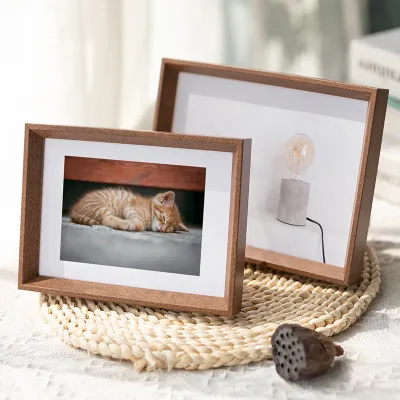
![SG Stock [Super Offer] Wooden Photo Frame Picture Frame 4R 5R 6R 8R A4 Frame Table Wall Display Photo Frame for Home Office Art Display Christmas Gift Teachers Day Gift](https://img.lazcdn.com/g/p/bb9e605bbbce2ca17e8b17e2edb1a478.jpg_400x400q80.jpg_.webp)
![[SG Stock]Simple classic Wooden photo frame 3R/4R/5R/8R/A4 For Table Display Birthday Gift Valentines Day Gift Christmas gift](https://img.lazcdn.com/g/p/9161cc234a6af3d66393f5124dc21143.jpg_400x400q80.jpg_.webp)

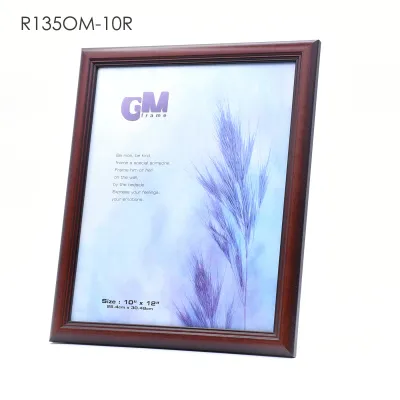
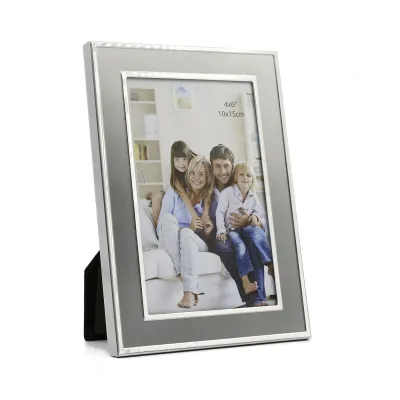
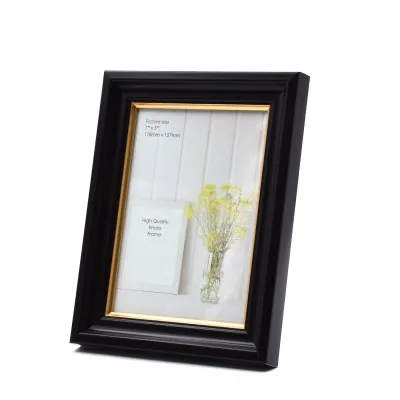
Prices are valid at publication and may change. Please refer to the product page for the latest price.
Displaying your 8R frame requires choosing between tabletop placement and wall mounting, each with distinct structural demands. Tabletop frames rely on a sturdy easel back, which requires sufficient shelf depth or console table surface area to stand securely without tipping. If you opt for wall mounting, you must assess the weight distribution and the type of hanging hardware provided. Heavier frames made of solid wood, metal, or thick glass require robust mounting brackets rather than simple adhesive strips.
Measuring your intended display area is a critical step that prevents installation issues. For wall displays, identify the wall material before purchasing mounting hardware. In many modern apartments and homes, walls are constructed from concrete, brick, or drywall. Concrete and brick walls typically require masonry drills and wall plugs to secure screws safely, whereas drywall may require specialized hollow-wall anchors. Always verify that your chosen mounting method can support the total weight of the frame to prevent damage to your walls or the frame itself.
Modern Style 8R Frames: Sleek Lines and Contemporary Spaces
Modern style 8R frames are defined by their clean geometric shapes, high-contrast color palettes, and smooth, untextured finishes. These frames often feature sharp, right-angled corners and thin to medium profiles that do not distract from the image inside. Common colors include stark blacks, bright whites, and polished metallics such as chrome, silver, or brushed brass. The surfaces are typically high-gloss, matte, or satin, offering a refined look that aligns with contemporary design sensibilities.

These frames are exceptionally well-suited for rooms with contemporary or transitional decor. In a living room furnished with low-profile sofas, glass coffee tables, and neutral color schemes, a modern black or metallic 8R frame adds a sophisticated touch of contrast. They also perform well in streamlined home offices, where their orderly, geometric lines complement modern computer setups and minimalist desk organizers. By keeping the frame design simple, the focus remains entirely on the artwork or photograph, making them ideal for displaying high-contrast black-and-white photography or abstract prints.
However, modern frames have distinct styling limitations that you should consider. Because of their sharp lines and polished finishes, they can look stark and out of place in highly traditional, rustic, or bohemian spaces. A high-gloss black frame, for instance, may clash with the warm, textured feel of a farmhouse-style kitchen or a cozy, wood-paneled study. If your room features soft, organic shapes and warm, earthy tones, a stark modern frame might create an jarring visual disconnect rather than a pleasing contrast.
Minimalist Style 8R Frames: Clean Aesthetics and Subtle Focus
Minimalist 8R frames take the concept of simplicity a step further by minimizing the frame’s physical presence to keep the visual focus entirely on the contents. These frames are characterized by ultra-thin profiles, often measuring only a few millimeters in width, or even completely frameless acrylic clip designs. The color palette is strictly neutral, featuring natural light woods, matte black, soft white, or transparent materials. The goal of a minimalist frame is to blend into the background, allowing the photograph to appear as if it is floating on the wall.
This style is a perfect match for Scandinavian, Japandi, or highly uncluttered interior spaces. These design movements prioritize functionality, natural light, and organic materials, making slim wooden frames (such as light oak or ash) or simple matte white frames an ideal choice. In these environments, minimalist frames help maintain an airy, spacious feel, preventing the walls from looking heavy or overcrowded. They work beautifully when arranged in symmetrical grids or as single, understated focal points on a large, empty wall.
While minimalist frames offer a clean aesthetic, they demand a high level of precision during installation. Because the frames themselves are so simple, any misalignment, tilt, or wall imperfection becomes immediately noticeable. A crookedly hung minimalist frame or a wall with visible texture issues can easily disrupt the clean, orderly look you are trying to achieve. When installing these frames, using a spirit level and precise measurements is essential to ensure a flawless, professional-looking presentation.
Vintage Style 8R Frames: Ornate Details and Classic Charm
For homes that celebrate history, character, and classic design, vintage style 8R frames offer an abundance of visual interest. These frames are distinguished by their intricate moldings, scrolled details, distressed finishes, and metallic leafing in gold, bronze, or antique silver. They often incorporate layered matboards with bevelled edges, which add depth and a sense of importance to the displayed photograph. The textures are rich and tactile, featuring simulated aging, gentle wear, or ornate plaster-style carvings.
Vintage frames are highly compatible with traditional living rooms, classic studies, or eclectic, bohemian gallery walls. In a room filled with antique furniture, rich textiles, and warm color palettes, an ornate gold 8R frame feels right at home. It adds a layer of classic charm that complements dark wood bookshelves, velvet upholstery, and vintage rugs. On a bohemian gallery wall, mixing several different vintage frames in varying shapes and metallic finishes creates a curated, collected-over-time look that tells a unique visual story.
Despite their charm, vintage frames carry significant visual weight and must be used with caution. A heavily ornate, wide-profile frame can easily overwhelm a small room or a space that is already highly decorated. If placed in a strictly minimalist environment, a vintage frame can look like an accidental mismatch rather than an intentional design statement. To avoid overwhelming your space, balance ornate vintage frames by pairing them with simpler decor elements or using them sparingly as singular accent pieces.
Industrial Style 8R Frames: Raw Materials and Urban Edge
Industrial style 8R frames embrace raw, unrefined materials and utilitarian design elements to create a bold, urban aesthetic. These frames often feature materials such as exposed metals, reclaimed or distressed wood, visible hardware like rivets or corner brackets, and matte, brushed, or intentionally rusted finishes. The design is rugged and functional, celebrating the natural imperfections of the materials rather than hiding them under polished coatings.
These frames are highly recommended for loft-style apartments, urban homes, or spaces with mid-century modern influences. They pair naturally with architectural features like exposed brick walls, concrete pillars, and large steel-framed windows. If your room features mixed-material furniture—such as a dining table with a wooden top and iron legs—an industrial-style frame will reinforce that design theme. They are excellent for framing architectural sketches, urban landscape photography, or vintage patent prints.
When choosing industrial frames, it is crucial to check the physical weight of the materials. Frames constructed from solid iron, heavy steel, or thick reclaimed hardwood can be significantly heavier than standard plastic or light wood frames. Before mounting them, ensure that your wall anchors, floating shelves, or hanging hooks are rated to support the specific weight of the frame. Standard adhesive hangers are rarely sufficient for heavy industrial frames, so mechanical fasteners are highly recommended for safety.
Evaluating Frame Materials and Build Quality Before Purchase
To ensure your 8R photo frame is durable, safe, and visually appealing, you should perform a thorough quality check before making a purchase. Start by inspecting the corner joints of the frame. High-quality frames feature tight, seamless corners with no visible gaps, glue residue, or misalignment. Weak or poorly joined corners can split over time, especially when subjected to the tension of hanging or the natural expansion and contraction caused by temperature and humidity changes.
Next, evaluate the glazing options, which typically come down to glass or acrylic. Glass offers excellent clarity and scratch resistance, but it is heavy and can shatter if dropped, making it less suitable for high-traffic areas or children’s rooms. Acrylic is lightweight, shatterproof, and highly durable, making it an excellent choice for large wall displays or homes with active pets and children. However, acrylic can scratch more easily than glass, so you should check if the manufacturer specifies any scratch-resistant coatings.
The backing board and hanging hardware are also critical indicators of overall build quality. Avoid frames with flimsy, thin cardboard backing boards, as these are highly susceptible to warping in humid environments, which can cause your photo to buckle. Look for sturdy MDF (medium-density fibreboard) or acid-free barrier boards instead. Additionally, verify that the hanging hardware is securely attached to the frame itself—either screwed in or deeply embedded—rather than simply taped or lightly glued. Always consult the manufacturer’s instructions for exact weight limits and recommended mounting procedures.
Quick Comparison: Matching Frame Styles to Room Types
To help you quickly identify the best option for your home, the following table summarizes how the four primary frame styles align with different interior aesthetics, materials, and display locations, along with key styling pitfalls to avoid.
| Frame Style | Ideal Room Aesthetic | Key Materials | Best Display Locations | Avoid If |
|---|---|---|---|---|
| Modern | Contemporary, Transitional, Minimalist | Polished metal, high-gloss wood, smooth plastic | Home offices, modern living rooms, entryways | The room features rustic, farmhouse, or highly traditional decor. |
| Minimalist | Scandinavian, Japandi, Modern | Thin light wood, matte black/white metal, acrylic | Symmetrical gallery walls, bedroom dressers | Your walls have significant texture imperfections or uneven paint. |
| Vintage | Traditional, Bohemian, Eclectic | Ornate wood, plaster moldings, gold/bronze leaf | Classic studies, cozy reading nooks, gallery walls | The space is very small, cluttered, or strictly minimalist. |
| Industrial | Loft, Urban, Mid-Century Modern | Reclaimed wood, iron, steel, visible rivets | Exposed brick walls, concrete surfaces, workshops | You prefer a soft, delicate, or highly polished interior look. |
Frequently Asked Questions (FAQ)
Can I mix different frame styles on a single gallery wall?
Yes, you can successfully mix different frame styles on a single gallery wall, provided you establish a unifying element to maintain visual cohesion. One effective method is to stick to a consistent color palette, such as using all black, all white, or all metallic frames, even if the shapes and textures vary. Alternatively, you can use identical matboard widths or maintain uniform spacing between the frames to create a sense of order. To keep the arrangement balanced, distribute heavier, more ornate frames (like vintage or industrial styles) evenly across the layout rather than clustering them in one section.
How do I protect my photos from fading inside an 8R frame?
Protecting your photos from fading requires careful consideration of both frame placement and material selection. Avoid hanging or placing your 8R frames in areas that receive direct sunlight, as ultraviolet (UV) rays will rapidly degrade the ink and paper. High-humidity environments, such as bathrooms or kitchens, should also be avoided to prevent moisture from getting trapped inside the frame, which can cause warping and mold growth. When purchasing, check the product specifications for UV-filtering glazing and ensure you use acid-free matboards and backing papers, which prevent chemical yellowing over time.

Community discussion
Share your experience or ask a question. Comments are reviewed before publication.