
Finding the perfect 3D clock for your home in Singapore involves balancing eye-catching visual design with practical daily functionality. Whether you are looking to add a futuristic glow to a study desk or seeking a tactile, sculpted piece for a living room shelf, the market offers a diverse range of three-dimensional timepieces. However, because the term “3D clock” is used to describe vastly different products—ranging from flat acrylic panels that project a holographic illusion to physical, multi-layered sculptures—it is essential to understand what you are buying before making a decision.
To make an informed purchase, you must evaluate how these clocks operate, how they fit into your existing home decor, and what technical specifications will ensure they remain safe and reliable over years of use. This guide breaks down the essential styles, key features, power requirements, and verification steps to help you select the ideal 3D clock for your space.
Understanding 3D Clock Types and Visual Styles
When searching for a 3D clock, the first step is distinguishing between the two primary design categories: optical LED illusion clocks and physical sculpted clocks. These two types rely on completely different manufacturing methods and visual principles, resulting in distinct aesthetic effects and placement requirements.
Products mentioned in this guide
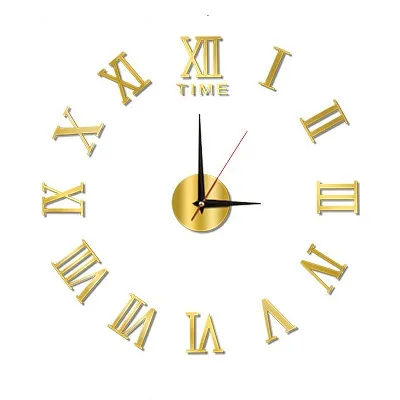
![[SG] Wall Clock 3D Acrylic Wall Clocks DIY Silent Minimalist Design Home Office Living Room Clock](https://img.lazcdn.com/g/p/0c8a403c2c1cda12bec60b063d7aef12.jpg_400x400q80.jpg_.webp)
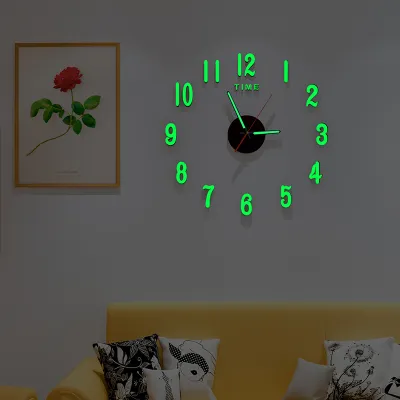
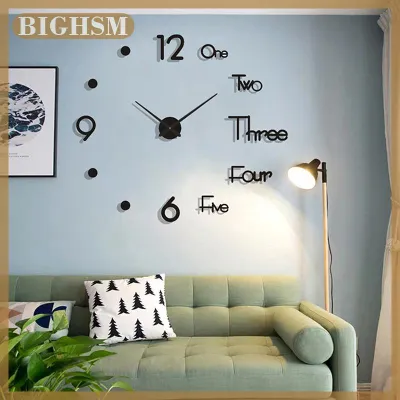
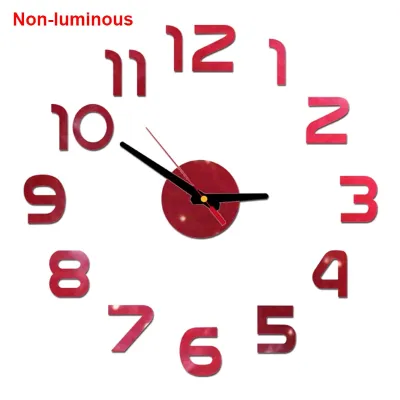
Prices are valid at publication and may change. Please refer to the product page for the latest price.
Optical 3D LED illusion clocks do not actually possess physical depth in their clock faces. Instead, they consist of a flat, transparent acrylic panel that has been precision-engraved with specific geometric lines. This panel slots into a sturdy base containing LED lights. When the LEDs are switched on, the light travels upward through the acrylic and escapes through the engraved grooves, creating a striking three-dimensional holographic effect. These clocks are highly futuristic and customizable, often allowing users to cycle through various color options. However, their visual impact is highly dependent on ambient lighting, as they look best in dimly lit or dark rooms where the contrast between the glowing lines and the background is maximized.
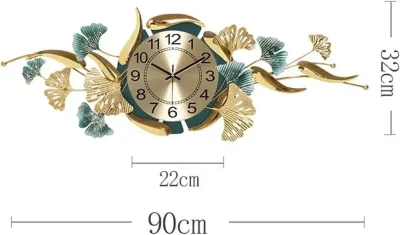
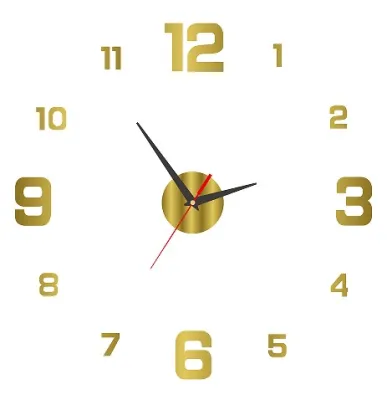
In contrast, physical 3D clocks feature actual, tangible depth. These timepieces are constructed using sculpted materials, multi-layered wood, concrete, metal, or 3D-printed plastics. The numbers, hands, or structural elements physically protrude from the base, casting real shadows that change throughout the day as the room’s lighting shifts. Physical sculpted clocks do not require darkness to be appreciated; in fact, they are often best viewed in well-lit spaces where their material textures and physical depth can be fully observed.
Because aesthetic preference is entirely subjective, neither style is universally superior. Instead, you should carefully verify the actual product dimensions, depth, and material finishes listed by the manufacturer. An illusion clock that looks spectacular in a dark bedroom might look like a plain, reflective sheet of plastic on a sunlit office desk, while a heavy, sculpted concrete clock might feel too imposing on a delicate bedside table.
Key Features to Evaluate for Daily Use
A clock is ultimately a functional tool, meaning its daily usability is just as important as its visual appeal. When comparing different 3D clocks, several key features will directly impact your comfort, convenience, and sleep quality.

First, evaluate the display options, particularly regarding brightness control. If you plan to place an LED-based 3D clock in a bedroom, look for models that offer adjustable brightness levels or built-in auto-dimming sensors. A display that is perfectly legible during the day can easily become blindingly bright at night, disrupting your sleep cycle. Some advanced models feature ambient light sensors that automatically lower the illumination as the room darkens, while others allow you to program specific dimming hours. Additionally, consider whether you prefer a single-color LED for a clean, minimalist look or a color-changing RGB display that lets you customize the hue to match your mood or room decor.
Second, assess the alarm and snooze functions if you intend to use the clock as a wake-up device. Check whether the clock allows you to adjust the alarm volume or choose from different alarm tones. Some users prefer a gradual wake-up feature where the sound gently increases in volume, preventing a sudden, jarring start to the morning. If you are a heavy sleeper, you might also want to verify if the clock supports multiple alarm settings or if it has a reliable, easily accessible snooze button that does not require fumbling around the delicate 3D structure in the dark.
Finally, consider the inclusion of secondary readouts such as temperature, humidity, or date displays. While these features add functional value, they can also clutter the visual design of a 3D clock. For optical illusion clocks, excessive text or numbers on the screen can detract from the clean, holographic effect of the main display. If you prefer a highly detailed readout, look for models that organize this information neatly at the base or offer a toggle function that temporarily displays the date and temperature before returning to a clean time-only view.
Power Sources and Electrical Safety
The power configuration of your 3D clock determines not only where you can place it but also how safely it will operate within your home. Because many 3D clocks rely on continuous LED lighting, their power consumption is generally higher than that of traditional, low-draw quartz analog clocks.
USB-powered models are highly common for LED-heavy 3D clocks. These units require a constant connection to a power source, meaning you will need to manage a trailing cable and ensure there is a nearby USB port or wall adapter. While USB power eliminates the need for frequent battery changes, it does limit placement flexibility. You must check the included cable length to ensure it can comfortably reach your desk or nightstand without being stretched taut. Conversely, battery-operated models offer complete portability, allowing you to place the clock on central dining tables, floating shelves, or kitchen counters without worrying about unsightly wires. However, if the clock features bright, continuous LED elements, standard alkaline batteries may drain rapidly, leading to frequent and costly replacements. Some hybrid models use a USB cable for primary power while incorporating a small button-cell battery solely for memory backup, ensuring the clock retains the correct time during a power outage.
When setting up a USB-powered clock, pay close attention to the manufacturer’s adapter specifications. Most models require a standard 5V/1A power supply. Using an incorrect fast-charging adapter or a high-wattage phone charger can sometimes cause the clock’s internal circuitry to overheat or malfunction. If the clock is supplied with a direct wall plug or if you are sourcing your own USB-to-wall adapter, ensure it carries recognized local safety certifications, such as the Safety Mark in Singapore. This certification guarantees that the adapter has been tested to meet stringent electrical safety standards, reducing the risk of short circuits or electrical fires. Additionally, avoid overloading power strips by plugging multiple high-draw decorative items into the same outlet.
Matching the Clock to Your Space and Decor
To ensure your new 3D clock enhances your living space rather than cluttering it, you must carefully analyze its physical footprint, design style, and optimal viewing angles in relation to your room’s layout.
Start by measuring the available surface area on your nightstand, shelf, or desk. Many 3D clocks, especially physical sculpted models or those with wide LED bases, have a larger footprint than standard flat clocks. Ensure the base of the clock can sit fully and securely on the surface without hanging over the edge or obstructing other essential items like lamps, books, or charging docks. Additionally, consider the height of the clock; a tall, vertical 3D design might block a wall-mounted light switch or interfere with low-hanging shelving.
Next, match the clock’s aesthetic to your existing interior design. Sleek, minimalist acrylic illusion clocks with clean geometric patterns or digital LED displays pair exceptionally well with modern, high-tech, or industrial spaces. Their clean lines and glowing elements complement glass desks, metal frames, and monochrome color schemes. On the other hand, if your home features a warmer, more eclectic, or Scandinavian decor style, a physical 3D clock made from natural materials like sculpted wood, matte ceramic, or textured plaster will feel much more cohesive. These materials add warmth and tactile interest, softening the overall look of the room.
Finally, pay attention to the optimal viewing angle. Optical 3D illusion clocks rely on precise engraving angles to project their three-dimensional effect. If the clock is placed too high above eye level, or if it is viewed from an extreme side angle, the 3D illusion may distort or disappear entirely, leaving you with a flat, confusing pattern of lines. Before finalizing the clock’s position, sit in your usual viewing spot—whether that is in bed, at your desk, or on the sofa—to verify that the time is easily readable and the visual effect remains intact from that specific vantage point.
Building Your Shortlist: Verification and Purchase Checks
With numerous 3D clocks available across various online marketplaces and specialty decor stores, building a reliable shortlist requires careful verification of product listings to avoid low-quality imitations.
When browsing e-commerce platforms, always look for listings that include clear, unedited photos of the clock in different states. Specifically, seek out images of the clock turned completely off. For acrylic illusion clocks, this allows you to assess the quality and clarity of the acrylic panel; high-quality acrylic should be crystal clear and free of yellowing, scratches, or cloudy patches when unlit. For physical sculpted clocks, unedited photos help you verify the true texture, color, and material quality, ensuring it does not look cheap or flimsy compared to stylized promotional renders.
Next, dive deep into user reviews, paying close attention to feedback regarding daily performance. Look for comments that specifically mention the actual brightness levels, the ease of adjusting the settings, and the volume of the alarm. Reviews are also invaluable for identifying potential long-term durability issues, such as LED lights that begin to flicker after a few months, or bases that feel unstable. If multiple buyers note that the buttons are difficult to program or that the power cable is excessively short, these are important factors to weigh against your specific needs.
Lastly, verify the seller’s return policy and warranty terms before completing your purchase. A reputable seller should offer a clear return window in case the clock arrives damaged, scratched, or with malfunctioning LEDs. Ensure that the final price, displayed in S$, represents fair value for the materials and features provided. By taking the time to cross-reference specifications, read authentic user feedback, and confirm safety certifications, you can confidently select a high-quality 3D clock that serves as both a reliable timepiece and a stunning decorative accent for your Singapore home.
Frequently Asked Questions (FAQ)
How do I clean an acrylic 3D illusion clock without scratching it?
Acrylic is a highly sensitive material that scratches easily if cleaned with improper tools or harsh chemicals. To clean your 3D illusion clock safely, always start by unplugging the device from its power source to protect the electronic base. Use a clean, dry, and extremely soft microfiber cloth to gently wipe away loose dust from the acrylic panel. Avoid using paper towels, tissues, or rough sponges, as their fibers can leave microscopic scratches that will permanently distort the LED light path. If the panel has fingerprints or stubborn smudges, you can lightly damp the microfiber cloth with a dedicated acrylic cleaner or a highly diluted mixture of mild dish soap and water. Ensure the cloth is only slightly damp, never wet, to prevent any moisture from dripping down into the electrical contacts of the base.
Will the LED lights in a 3D clock fade or burn out over time?
Like all light-emitting diodes, the LEDs used in 3D clocks have a long operational lifespan, but they are not completely immune to aging. Over several years of continuous, round-the-clock use, you may notice a gradual, minor reduction in the overall brightness of the display. To maximize the lifespan of the LEDs, utilize the clock’s dimming features or turn the display off when you are away from home for extended periods. Before purchasing, it is highly recommended to check the manufacturer’s product specifications to see if the LED light source or the base unit is replaceable. In many budget-friendly models, the LEDs are permanently integrated into the base, meaning the entire unit must be replaced if the lights fail. Investing in a model with a solid warranty can provide extra peace of mind regarding component longevity.
Can I use a 3D illusion clock in a brightly lit room during the day?
The visual appeal of a 3D LED illusion clock relies heavily on the contrast between the glowing engraved lines and the surrounding environment. In a very brightly lit room, such as a study with direct midday sunlight or a living room with intense overhead fluorescent lighting, the illuminated lines may become washed out. Under these high-ambient-light conditions, the clock may simply look like a flat, clear piece of engraved plastic, making the time difficult to read. If you require a clock for a space that remains highly illuminated throughout the day, you will achieve much better readability and visual impact by choosing a physical 3D sculpted clock or a high-contrast digital display rather than an optical LED illusion model.
Community discussion
Share your experience or ask a question. Comments are reviewed before publication.