
Finding authentic, high-quality Indian incense sticks in Singapore requires understanding the traditional craftsmanship behind these aromatic tools. Known historically as agarbatti, genuine Indian incense relies on natural resins, herbs, spices, and essential oils to create deep, lingering fragrances that enhance meditation, relaxation, or spiritual practices. While the local market offers a vast array of options, distinguishing between traditional hand-rolled sticks and cheap synthetic imitations is key to securing a clean, pleasant burn that respects both your senses and your indoor air quality.
Because Singapore’s retail landscape features a mix of imported goods from various regions, shoppers must learn how to evaluate incense based on its physical and aromatic properties. Rather than relying on flashy packaging or unverified brand claims, focusing on the raw materials, manufacturing methods, and sourcing channels will guide you to the finest products available. This guide outlines the essential criteria for selecting premium Indian incense, verifying its authenticity, sourcing it locally, and burning it safely in your home.
Key Criteria for Selecting Indian Incense Sticks
To identify high-quality Indian incense before making a purchase, you must first understand how these sticks are constructed. Traditional Indian incense generally falls into two primary categories: masala incense and dipped incense. Understanding the difference between these two manufacturing styles is the most critical step in selecting a premium product.
Products mentioned in this guide
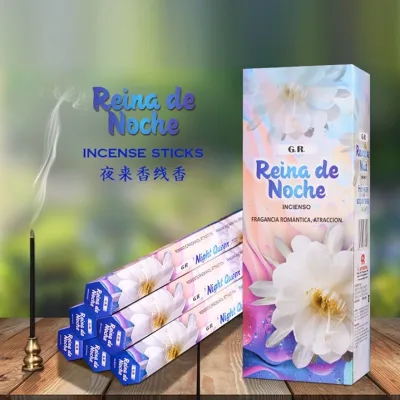
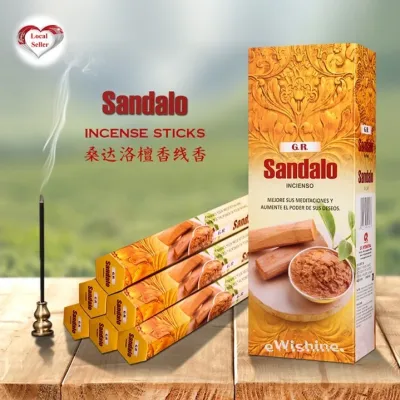
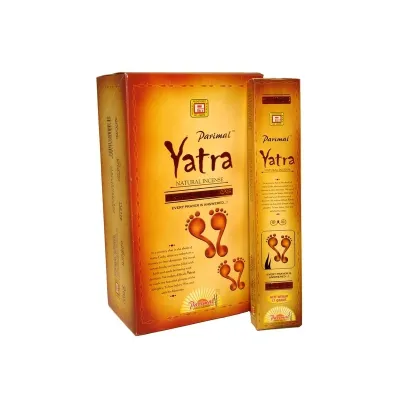
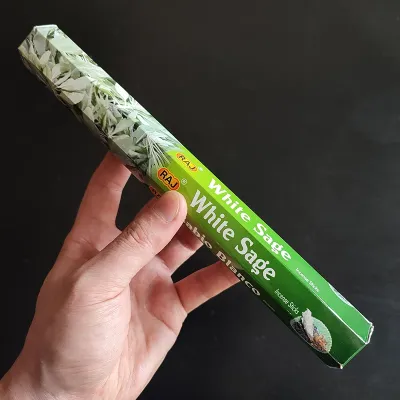
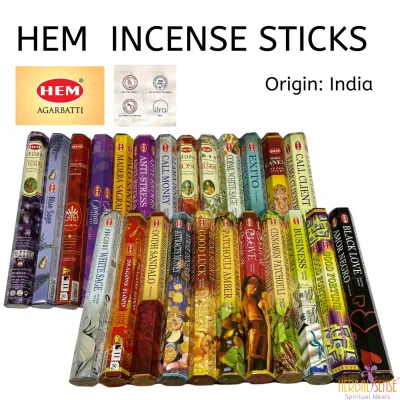
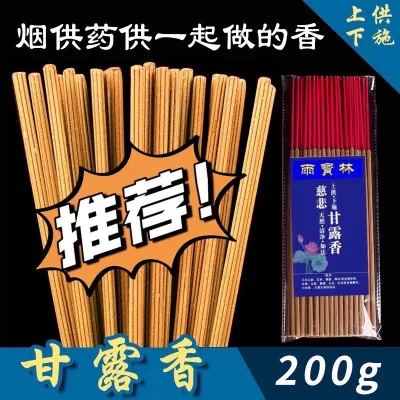
Prices are valid at publication and may change. Please refer to the product page for the latest price.
Masala incense is crafted using an ancient technique where dry ingredients—including pulverized herbs, spices, floral petals, sandalwood powder, and natural resins—are blended into a paste using a natural binding agent and water. This aromatic paste is then hand-rolled onto a slender bamboo core. The word “masala” refers to this complex blend of ingredients. These sticks are easily recognizable by their light brown, beige, or earthy grey color, and their textured, slightly powdery surface. Because they are made from raw, ground materials, masala sticks release a complex, layered aroma that evolves as the stick burns, closely mimicking the natural ingredients used.
In contrast, dipped incense is made by coating a bamboo stick in an unscented, combustible base—typically black charcoal powder or wood sawdust mixed with a binder. Once dry, these blank sticks are dipped into liquid fragrance oils, which are often synthetic perfumes dissolved in chemical solvents. Dipped sticks are usually jet-black or artificially colored, smooth to the touch, and carry an intense, uniform scent in the box. However, when burned, they often produce a sharp, smoky, or acrid undertone as the synthetic oils and solvents combust rapidly.
The binding agent used to hold the incense paste together also serves as a quality indicator. Traditional makers utilize “jigat,” a natural powder derived from the bark of the Litsea glutinosa tree, or natural gum resins like gum arabic. These natural binders burn cleanly with minimal odor, allowing the primary aromatic ingredients to shine. Cheaper, mass-produced sticks may use synthetic glues or chemical combustion accelerators to ensure the stick burns continuously, which can introduce unwanted chemical fumes into your living space.
Finally, consider the physical dimensions and density of the stick. Thicker, hand-rolled masala sticks contain a higher volume of aromatic paste, resulting in a slower, more consistent burn and a richer fragrance dispersion. Thinner, machine-made sticks burn more quickly and may produce a higher ratio of smoke to actual fragrance. When selecting incense, look for physical consistency in the pack, but expect the slight, charming irregularities that characterize genuine hand-rolled craftsmanship.
How to Verify Authenticity and Avoid Synthetic Imitations
Verifying the authenticity of Indian incense requires a combination of careful label reading, physical inspection, and sensory evaluation. With many products marketed as “natural” or “organic,” knowing how to spot the markers of genuine traditional manufacturing will protect you from low-quality synthetic imitations.

Begin by examining the packaging and ingredient lists. Authentic, high-quality Indian incense brands often proudly state their manufacturing methods on the box, using terms like “Hand-Rolled,” “Traditional Masala,” or “Flora.” Look for the manufacturer’s details, including a physical address in historic incense-producing hubs in India, such as Bengaluru (Bangalore) or Mysuru (Mysore). While many incense boxes do not list every single ingredient due to proprietary recipes, reputable brands will often highlight key natural components, such as pure sandalwood powder, natural essential oils, halmaddi (a traditional grey resin), or specific floral extracts.
A physical inspection of the sticks inside the box provides immediate clues. Gently touch a stick; authentic masala incense should leave a fine, powdery residue on your fingertips. This powder is the “dusting” powder used during the rolling process to prevent the sticky paste from adhering to the maker’s hands or other sticks. Furthermore, look closely at the shape of the sticks. Because they are rolled by hand, you should notice minor variations in thickness, length, and texture from one stick to another. If every single stick in the box is perfectly identical, smooth, and uniform, it is highly likely a machine-made, dipped product.
Your sense of smell is another powerful tool for verification. Unlit natural masala incense has a subtle, warm, woody, or herbal aroma that is pleasant but not overpowering. If a closed box of incense emits an intensely strong, sharp, or perfume-like scent that fills an entire drawer or cabinet before it is even opened, it is almost certainly scented with synthetic fragrance oils. When lit, synthetic incense often produces a harsh, stinging sensation in the eyes or a scratchy feeling in the throat, whereas natural incense should produce a smooth, aromatic smoke that feels gentle and grounding.
Additionally, look for the presence of traditional resins like halmaddi. Halmaddi is a semi-liquid resin obtained from the Ailanthus triphysa tree, historically used as a binder and fragrance enhancer in “flora” style Indian incense. It gives the sticks a slightly soft, pliable texture and a distinct, earthy, wet-soil aroma. While the use of halmaddi has become less common due to environmental regulations and cost, finding sticks that incorporate natural resins is a strong indicator of traditional, high-quality craftsmanship.
Where to Source Reputable Brands in Singapore
Sourcing authentic Indian incense in Singapore is a rewarding experience if you know where to look. The city’s rich cultural tapestry means that high-quality, traditional imports are readily available, provided you navigate the right retail channels.
The primary destination for authentic Indian incense is Little India. Exploring the bustling streets of Serangoon Road, Campbell Lane, and Buffalo Road will lead you to traditional spice merchants, Indian grocery stores, and specialized prayer supply shops. These retailers import directly from established manufacturers in India, offering a selection that goes far beyond the mass-market brands found in standard supermarkets. Shopping in these physical stores allows you to inspect the packaging, feel the weight of the boxes, and sometimes even sample the unlit scents before buying.
Traditional Indian grocery stores scattered across various residential neighborhoods in Singapore are also excellent sourcing grounds. These neighborhood shops cater to the local community’s daily spiritual and household needs, meaning they stock fresh, fast-moving inventory. Look for stores that display their incense away from direct sunlight and damp areas, as proper storage is crucial for preserving the delicate essential oils within the sticks.
If you prefer the convenience of online shopping, ecommerce platforms and specialized online marketplaces offer access to a wide range of imported Indian incense. When shopping online, it is essential to evaluate seller ratings and read customer reviews carefully. Look for feedback that specifically mentions the authenticity of the scent, the condition of the packaging upon arrival, and whether the product matches the description of traditional masala incense. Avoid unbranded bulk listings or sellers who cannot provide clear information about the manufacturer or origin of the product.
Regardless of where you purchase, always check for proper import labeling and packaging integrity. High-quality incense should be sealed in an inner protective sleeve—usually made of plastic, foil, or wax paper—inside the outer cardboard box. This inner seal prevents the volatile essential oils from evaporating and protects the sticks from Singapore’s high humidity. If the packaging is torn, damp, or faded, the incense may have lost its fragrance potency or become difficult to light.
Matching Scents and Ingredients to Your Space
Selecting the right fragrance profile is not just a matter of personal preference; it also depends on the physical characteristics of your living space, the level of ventilation, and your intended use. Different natural ingredients produce distinct atmospheric effects and smoke densities.
Traditional Indian incense fragrances can be broadly categorized by their dominant notes:
- Woody and Grounding: Sandalwood (Chandan) is perhaps the most famous Indian incense scent. It offers a warm, soft, and woody aroma that is highly grounding, making it ideal for meditation, yoga, or creating a calm, serene atmosphere in living rooms and study areas.
- Floral and Uplifting: Jasmine (Mogra), Rose (Gulab), and Champaca (Frangipani) are sweet, vibrant floral scents. These fragrances are excellent for refreshing the air, uplifting the mood, and bringing a sense of nature indoors during the daytime.
- Resinous and Purifying: Frankincense (Loban), Benzoin (Sambrani), and Myrrh (Guggal) are deep, earthy, and slightly balsamic. Traditionally used for purification and clearing stagnant energy, these resins produce a thicker, more robust smoke that is highly effective at neutralizing strong odors.
When matching these scents to your space, consider the size of the room. Singapore’s residential spaces, such as HDB apartments, often feature compact rooms where heavy smoke can quickly become overwhelming. For smaller bedrooms or study rooms, opt for lighter, woody scents like sandalwood or delicate florals. If you wish to burn resinous incense like loban or sambrani, which naturally produce more smoke, reserve them for larger, open-concept living areas or spaces with direct access to outdoor balconies.
You can also adjust the quantity and burn time based on your space. If a standard masala stick is too intense for a small room, you do not have to burn the entire stick at once. You can gently extinguish the stick halfway through by dipping the lit tip into a small cup of water or pressing it against a metal surface, saving the remainder for later use. Alternatively, look for shorter incense sticks designed specifically for smaller spaces.
Always consider the time of day and your intended activity. Uplifting florals and bright citrus notes are perfect for morning routines, helping to gently wake up the senses. In contrast, calming sandalwood, vetiver (khus), or warm amber blends are better suited for evening relaxation, helping you unwind before sleep. By matching the ingredient profile to both your physical environment and your daily rhythm, you can enjoy the benefits of aromatherapy without overwhelming your home.
Safe Burning Practices and Indoor Air Quality
While burning high-quality Indian incense can transform the ambiance of your home, safety and indoor air quality must always remain top priorities. Because incense burning involves incomplete combustion, it naturally releases smoke and fine particulate matter into the air, requiring mindful practices to ensure a healthy home environment.
Proper ventilation is the single most important factor when burning incense indoors. Never burn incense in a completely sealed, air-conditioned room, as this allows particulate matter to accumulate to unhealthy levels. Always ensure there is a continuous flow of fresh air. Open a window slightly or keep an internal door open to create a gentle cross-breeze that carries the excess smoke out of the room while allowing the delicate fragrance to disperse evenly.
Selecting the right holder is crucial for both fire safety and cleanliness. Always use a dedicated, sturdy burner made of non-flammable materials such as brass, ceramic, stone, or heavy, treated wood. The holder must be long enough and wide enough to catch all falling ash, as hot ash can easily discolor, melt, or scorch furniture surfaces. Ensure the stick is held securely at an angle where it cannot tip over or come into contact with the sides of the burner.
Placement of the incense burner requires careful attention. Position the holder on a flat, stable, and heat-resistant surface, well out of reach of curious children and pets. Keep the burning stick away from open windows with strong, unpredictable drafts that could blow hot embers onto nearby fabrics, curtains, paper, or other flammable materials. Never leave a burning incense stick completely unattended; always extinguish it if you need to leave the room for an extended period.
Finally, practice proper ash management and aftercare. Allow the ash to cool completely in the holder before attempting to clean or discard it. If you need to extinguish a stick prematurely, do so safely by dipping the lit tip into water or pressing it firmly against a non-combustible ceramic or metal surface. By incorporating these simple safety habits into your routine, you can enjoy the rich cultural heritage and soothing aromas of authentic Indian incense while maintaining a safe, healthy, and comfortable living space.
Frequently Asked Questions (FAQ)
How long should a standard Indian incense stick burn?
A standard 8-inch to 9-inch Indian incense stick typically burns for approximately 30 to 45 minutes. Thicker, hand-rolled masala sticks contain more raw material and can last up to 60 minutes or more, while thin, machine-made dipped sticks may burn out in 20 to 30 minutes. Factors such as indoor drafts, humidity levels, and the density of the incense paste will also influence the exact burn duration.
Can Indian incense sticks be used outdoors?
Yes, Indian incense sticks can be used in outdoor spaces such as balconies, patios, or gardens, but you must take extra safety precautions. Strong outdoor winds can cause the stick to burn down much faster than usual or blow hot embers onto dry leaves, outdoor cushions, or other flammable materials. Ensure you use a heavy, wind-resistant holder and place it in a sheltered spot away from drafts and dry vegetation.
How should I store incense sticks to preserve their fragrance?
To preserve the delicate essential oils and natural resins in your incense sticks, store them in an airtight container, such as a tin box, a glass jar, or a heavy-duty resealable plastic bag. Keep the container in a cool, dry place away from direct sunlight and high humidity. This is especially important in Singapore’s tropical climate, as excess moisture can cause the sticks to become damp, making them difficult to light and reducing their fragrance quality.
Community discussion
Share your experience or ask a question. Comments are reviewed before publication.