
Choosing the right incense burner pot for a Singapore home requires balancing aesthetic preferences with the practical realities of tropical high-rise living. Because many residents live in closely spaced apartments like Housing & Development Board (HDB) flats or condominiums, managing smoke, ash, and heat is essential for maintaining indoor air quality and home safety. The ideal burner pot must accommodate your preferred incense format—whether sticks, coils, or cones—while matching your home’s ventilation patterns and interior decor. By focusing on material durability, stable designs, and proper placement, you can enjoy a calming aromatic experience without compromising household safety.
Assessing Your Space and Ventilation for Incense Burning
Singapore’s residential landscape is dominated by high-rise apartments, which present unique airflow dynamics compared to spacious landed properties. In a typical HDB flat or condominium, rooms are often compact, and air circulation relies heavily on a mix of natural cross-ventilation, ceiling fans, and air conditioning. When burning incense, understanding how these air currents move through your living space is the first step in selecting the right burner pot.
Natural cross-ventilation is highly effective for dispersing smoke, but it can also create sudden drafts. If you open windows on opposite sides of your apartment to catch the tropical breeze, a strong draft can quickly blow lightweight ash out of an open burner or cause incense sticks to burn down prematurely. Conversely, in landed properties with larger open-plan layouts, smoke has more room to rise and dilute naturally, making draft management slightly less critical but still important for consistent scent distribution.
Products mentioned in this guide
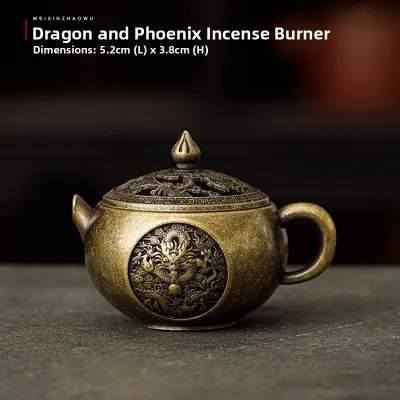
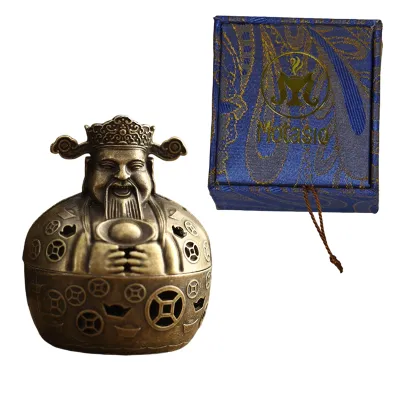
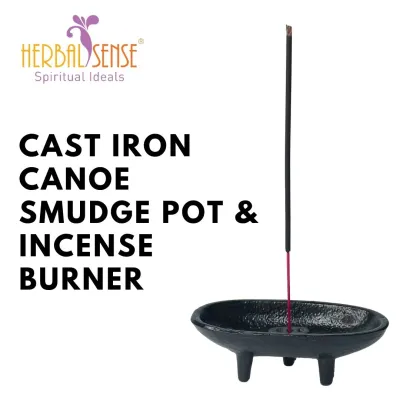
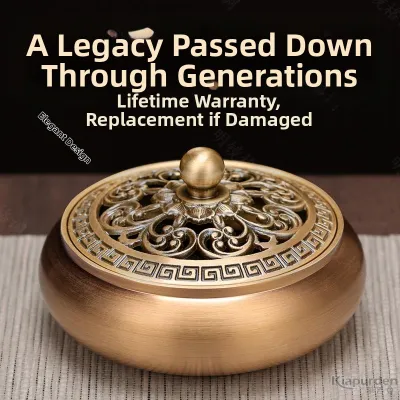
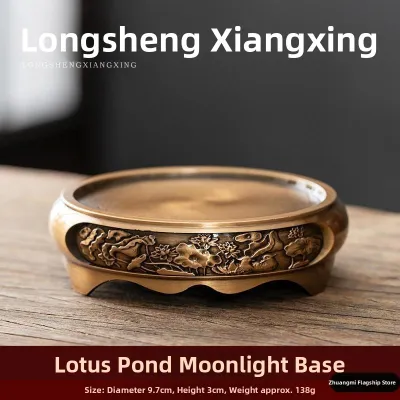
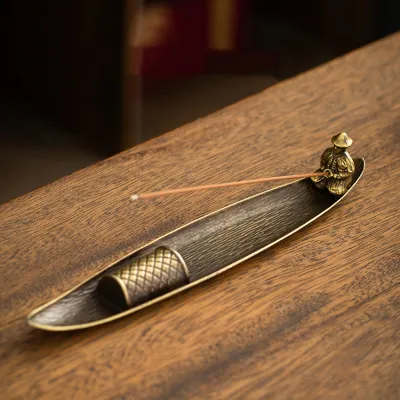
Prices are valid at publication and may change. Please refer to the product page for the latest price.
The use of ceiling fans and standing fans is incredibly common in Singapore to combat the humid climate. While these fans help keep rooms cool, their direct downward or lateral airflow can disrupt the steady smoldering of incense. Placing a burner directly under a ceiling fan or in the direct path of an oscillating fan can scatter ash across furniture and floors. To prevent this, position your burner pot in a “neutral zone” where air moves gently rather than turbulently, or opt for a covered burner design that shields the smoldering incense from direct air currents.
Air conditioning introduces a different set of considerations. When an air conditioner is running, windows are closed, creating a sealed environment where smoke and particulate matter can quickly accumulate. In these settings, choosing a smaller burner pot designed for low-smoke incense or shorter burning sessions is advisable. It is also beneficial to place the burner away from the return vents of the air conditioning unit to prevent the scent and smoke from being drawn into the filtration system, which can lead to lingering odors in the filters.
Identifying the right zone in your home is crucial for both safety and comfort. High-traffic areas, such as entryways, narrow corridors, or busy family rooms, are prone to accidental bumps and sudden drafts from people walking past. These locations are generally unsuitable for open incense burners. Instead, dedicate a quiet, low-traffic corner—such as a study desk, a meditation nook, or a side table in a spacious living room—where the burner can sit undisturbed on a flat, stable surface.
Matching Burner Designs to Your Preferred Incense Type
Incense comes in several distinct formats, each requiring a specific burner configuration to ensure a clean, complete burn. The most common types found in Singapore homes are stick incense, incense coils, and incense cones. Selecting a burner pot that physically matches your preferred format prevents messy ash spills and ensures the heat is safely contained.

Stick incense is highly popular but can be challenging to manage cleanly. Traditional cored sticks and solid sticks burn along their entire length, dropping ash progressively. A simple flat holder or a narrow tray may fail to catch all the falling ash, especially if the stick sits at an angle. For stick incense, a deep bowl-style burner pot filled with clean ash or white sand is highly effective. The sand allows you to stand the sticks vertically, ensuring all falling ash is captured within the pot’s perimeter.
Incense coils, often used for longer sessions, require specialized support. Because coils burn in a continuous spiral, they must not touch the sides or bottom of the burner, as contact with a cold surface can extinguish the ember. Coil burners typically feature a central metal support pin, a suspended mesh grate, or a bed of fireproof felt. A covered pot with a hollowed-out lid is excellent for coils, as it allows the smoke to rise elegantly through decorative vents while keeping the delicate coil protected from sudden drafts.
Cone incense burns from the top down, generating intense heat at its base as it nears completion. A simple flat ceramic plate may transfer too much heat to the underlying furniture. Cone receptacles should ideally be deep, thick-walled pots or dishes with a heat-resistant pad or a layer of non-combustible material at the bottom. This design insulates the surface beneath the burner and prevents localized heat damage to wooden tables or delicate stone countertops.
The choice between covered and open-top burner pots often comes down to your home’s ventilation. Covered pots, usually made of ceramic or metal with intricate cutout lids, are highly recommended for Singapore’s breezy high-rise apartments. The lid acts as a windbreak, preventing drafts from scattering ash while allowing the fragrance to diffuse slowly through the decorative openings. Open-top pots are simpler and easier to clean, but they require a more sheltered placement to ensure the ash remains contained.
Evaluating Burner Materials for Safety and Durability
The material of your incense burner pot directly impacts its safety, heat management, and longevity. Common materials include ceramic, brass, wood, and natural stone. Each material has distinct thermal properties and maintenance needs that you should evaluate before purchasing.
Ceramic is one of the most versatile and widely available materials for burner pots. Glazed ceramic pots are highly heat-resistant, easy to wipe clean, and come in a vast array of colors and styles to match modern or traditional Singapore home decor. However, unglazed ceramic or terracotta is porous and can absorb moisture from the air or oils from the incense, which may lead to staining over time. When using ceramic, ensure the walls are sufficiently thick to withstand the heat of a fully burning cone or coil without cracking.
Brass and other metals offer exceptional durability and a classic, elegant aesthetic. Metal burners conduct heat very quickly, meaning the entire pot can become extremely hot to the touch during use. If you select a brass burner, look for designs with insulated handles, raised legs, or a separate wooden base to prevent the intense heat from transferring directly to your furniture. Metal burners are virtually indestructible, making them a great long-term investment, though they do require occasional polishing to maintain their luster.
Wood and bamboo burners provide a warm, organic look that fits beautifully into minimalist or Zen-inspired interiors. However, because wood is combustible, these burners must feature a protective inner lining, such as a metal tray, a fireproof felt pad, or a ceramic insert. Never burn incense directly on an unprotected wooden surface. Always verify that the manufacturer has included a certified fire-resistant barrier, and regularly inspect the lining for any signs of wear or charring.
Regardless of the material, stability is a critical safety factor. A safe burner pot should have a wide, low center of gravity to prevent accidental tipping if the table is bumped. Look for pots with stable, flat bases or those equipped with non-slip rubber or silicone padding on the bottom. This padding not only prevents the burner from sliding on polished surfaces but also acts as an additional thermal barrier to protect delicate wood veneers or glass tabletops from heat transfer.
Establishing Safe Placement and Household Precautions
Burning incense involves an open, smoldering ember that can reach high temperatures. Establishing strict safety boundaries in your home is essential to prevent accidental fires and protect the health of all household members. Proper placement and mindful usage habits are the foundation of safe indoor aromatherapy.
First and foremost, maintain a clear safety zone around your burner pot. Keep the burner at least one meter away from any flammable materials, including curtains, window blinds, upholstery, paper goods, books, and decorative items. In Singapore’s breezy high-rise apartments, a sudden gust of wind from an open window can easily blow a light curtain into the path of a smoldering incense stick, posing a serious fire hazard. Ensure the burner is placed on a solid, level, and heat-resistant surface, far from the edges of tables or shelves.
If your household includes young children or active pets, extra precautions are necessary. Cats and dogs are naturally curious and may be attracted to the rising smoke or the glowing ember, risking burns or knocking the burner over. Keep all active burners completely out of reach of children and pets, preferably on high shelves or inside secure, well-ventilated cabinets designed for incense use. Additionally, some pets, particularly cats and birds, are highly sensitive to airborne particulates and essential oils; ensure your pets can easily leave the room where incense is being burned.
Never leave a smoldering incense burner unattended. Before leaving the house or going to sleep, ensure the incense is completely extinguished. To extinguish a stick or coil safely, dip the burning tip into a small cup of water or press it firmly into the sand or ash at the bottom of your burner pot. Avoid blowing on the ember to extinguish it, as this can scatter hot sparks into the surrounding air. Regularly check that the ashes are completely cold before discarding them in the trash.
Cleaning and Maintaining Your Burner for Longevity
Regular maintenance not only keeps your incense burner pot looking beautiful but also ensures its safe operation over time. Over multiple burning sessions, ash, unburnt incense residue, and oily resins can accumulate inside the pot, which can affect the scent of future incense and create a potential fire hazard if left unchecked.
Safe ash removal is the first step in maintenance. For bowl-style burners filled with sand or ash, use a small mesh sifter or a dedicated spoon to gently scoop out unburnt incense stubs and debris. This keeps the bedding clean and loose, making it easier to insert new sticks. If you use a covered burner, gently empty the loose ash into a bin once it has cooled completely. Doing this over a sink or outdoors can prevent fine ash dust from settling on your furniture.
Cleaning methods should be tailored to the specific material of your burner pot. For glazed ceramic and brass burners, a gentle wash with warm, soapy water and a soft cloth is usually sufficient to remove oily resin buildup. Avoid using abrasive scrubbing pads or harsh chemical cleaners, which can scratch the glaze or strip the protective finish off metal. For porous materials like unglazed ceramic, wood, or natural stone, avoid soaking them in water; instead, wipe them down with a damp, well-wrung microfiber cloth and allow them to air dry completely before the next use.
Periodically inspect your burner pot for any signs of structural wear. Intense heat from repeated burning sessions can cause micro-cracks in ceramic glazes or structural stress in stone and metal. Check the bottom of the pot for any hairline cracks that could compromise its integrity or allow hot ash to sift through. If you notice any deep cracks, loose joints, or charred areas on a wooden burner’s lining, discontinue use immediately and replace the burner to ensure continued safety in your home.
Frequently Asked Questions (FAQ)
Can I use an incense burner pot in an air-conditioned room?
Yes, but with specific precautions. Air-conditioned rooms are sealed environments, meaning smoke and particulates can accumulate quickly. To maintain good indoor air quality, choose low-smoke incense varieties and limit your burning sessions to shorter durations. Place the burner pot away from the direct path of the air conditioner’s airflow and return vents to prevent drafts from scattering ash and to avoid clogging the unit’s air filters with residue.
How do I prevent ash from blowing around my home?
To contain ash in naturally breezy or fan-cooled Singapore homes, opt for a covered burner pot with a decorative, vented lid that acts as a windbreak. Alternatively, use a deep bowl-style burner filled with sand or ash, which keeps the smoldering incense shielded from lateral drafts. Adjust your ceiling fan to a lower speed setting or position standing fans so they do not blow directly toward the area where your incense burner is placed.

Community discussion
Share your experience or ask a question. Comments are reviewed before publication.