
Selecting a DIY diamond painting that complements your home decor requires balancing the sparkling texture of the resin drills with the existing color palette, lighting, and design theme of your room. Unlike traditional flat prints, diamond art introduces a distinct three-dimensional texture and light-reflective quality that can either elevate a space or clash with its surroundings. By understanding how different design styles—ranging from organic landscapes to structured geometric patterns—interact with interior elements, you can transform a satisfying crafting project into a sophisticated piece of custom wall decor.
The key to a successful integration lies in treating the finished canvas as an active design element. The way the faceted drills catch natural and artificial light means the artwork will shift in appearance throughout the day. Evaluating the visual weight, color complexity, and overall scale of the piece before you begin ensures that your finished creation harmonizes beautifully with your furniture, wall colors, and personal aesthetic.
Exploring Common DIY Diamond Painting Styles
DIY diamond painting kits come in an extensive array of designs, making it easy to find a project that aligns with your personal taste. These designs generally fall into major visual families, each offering a different aesthetic contribution to a room. When browsing options on an online marketplace, categorizing these patterns by their artistic style allows you to anticipate how the finished piece will feel once it is framed and hung on your wall.
Products mentioned in this guide




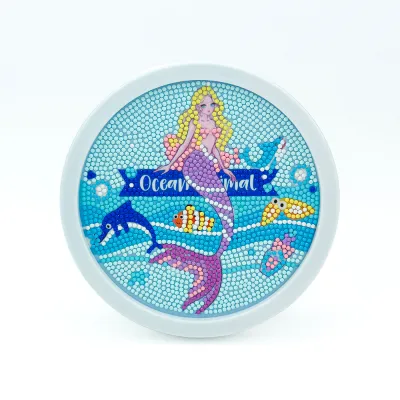
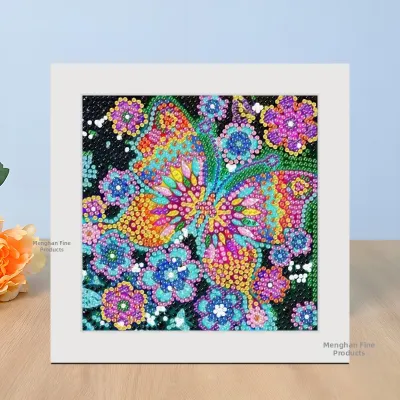
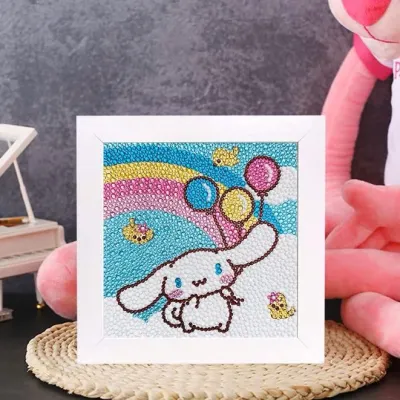

Prices are valid at publication and may change. Please refer to the product page for the latest price.
The visual impact of any diamond painting is heavily influenced by the type of drills used—typically round or square resin facets. Round drills tend to offer a softer, more glittering appearance with tiny gaps between the stones, which can make the overall image look slightly more mosaic-like. Square drills fit together tightly without gaps, creating a denser, more solid texture that mimics a traditional cross-stitch. This increased density adds significant visual weight to the canvas, making the colors appear richer and the lines sharper from a distance.
Color complexity and drill density also play crucial roles in how the artwork is perceived. A canvas with a high number of color transitions requires more visual processing, drawing the eye directly to it as a primary focal point. Conversely, designs with large blocks of single colors offer a cleaner and more restful visual experience. Understanding these dynamics helps you select a kit that matches the level of energy you want to introduce into your living space.
Nature, Landscapes, and Animal Motifs
Organic designs featuring natural landscapes, botanical elements, and wildlife are among the most popular choices for DIY diamond painting. These patterns naturally bring a sense of the outdoors inside, utilizing flowing lines and soft, organic shapes that mimic the natural world. A detailed forest scene, a serene beach sunset, or a close-up botanical illustration can introduce a calming, restorative atmosphere to spaces like bedrooms, study rooms, or cozy reading corners.
The color palettes of these nature-inspired kits typically rely on earthy tones, soft greens, deep blues, and warm sunset hues. These colors tend to blend seamlessly with traditional, rustic, or Scandinavian interior styles, where natural wood textures and soft textiles are prominent. When placed in a room, a large landscape painting can act as a visual window, creating an illusion of depth and openness that makes smaller rooms feel more spacious.
Abstract, Geometric, and Mandala Patterns
For spaces that demand a more structured or contemporary feel, abstract, geometric, and mandala patterns offer an excellent alternative. Geometric designs rely on symmetry, clean lines, and repetitive structures to create a sense of order and modern sophistication. Mandalas, with their intricate circular patterns radiating outward from a central point, provide a mesmerizing focal point that encourages mindfulness and focus, making them ideal for home offices, meditation spaces, or entryways.
Abstract diamond art, characterized by fluid shapes, bold color contrasts, and non-representational forms, allows for a highly subjective and artistic expression. These designs are particularly effective in modern, minimalist, or eclectic interiors where the goal is to create visual interest without relying on literal imagery. The sparkling texture of the drills adds an unexpected layer of depth to abstract color fields, turning simple gradients or sharp geometric contrasts into dynamic, light-catching installations.
Matching Diamond Art to Your Interior Design Themes
Integrating a textured, sparkling piece of art into your home requires careful consideration of your existing interior design theme. In minimalist or modern spaces, where clean lines and uncluttered surfaces dominate, a highly detailed or overly bright diamond painting can easily feel out of place. To maintain a cohesive look, opt for abstract or monochromatic designs with limited color palettes. A simple black-and-white geometric pattern or a subtle abstract piece with metallic-toned drills can add just the right amount of texture without disrupting the quiet elegance of the room.

For bohemian, eclectic, or traditional interiors, you have much more freedom to experiment with vibrant colors and intricate details. Bohemian spaces, which thrive on rich textures, global patterns, and layered decor, are perfect backdrops for colorful mandalas, detailed portraits, or lush botanical scenes. Traditional rooms, characterized by classic furniture and symmetrical layouts, pair beautifully with detailed landscape paintings or classic still-life designs that echo traditional oil paintings but feature a modern, glittering twist.
When selecting your kit, always check the color temperatures of the design against your existing wall colors and lighting conditions. A room painted in cool gray or crisp white will benefit from artwork that incorporates cool blues, greens, or silver accents. Warm-toned walls, such as beige, cream, or terracotta, harmonize best with gold, bronze, deep reds, and warm earth tones. Additionally, consider how the room is lit; spaces with abundant natural light will cause the drills to sparkle intensely, while rooms relying on soft, warm artificial light will highlight the deeper tones and subtle reflections of the canvas.
It is also important to avoid visual clashes between the highly textured, reflective surface of the diamond painting and other delicate or matte elements in the room. If your wall already features textured wallpaper, intricate wood paneling, or busy patterned paint, a large diamond painting might create visual clutter. These sparkling pieces perform best when hung against smooth, matte, or semi-gloss painted walls, where the contrast between the flat background and the shimmering, raised surface of the drills can be fully appreciated.
Choosing the Right Size and Orientation for Your Wall
Achieving the perfect visual balance in your room depends heavily on selecting the correct canvas size and orientation. Before purchasing a kit, measure the available wall space carefully and consider the dimensions of nearby furniture, such as sofas, sideboards, or bed headboards. As a general rule of thumb, wall art should occupy approximately two-thirds to three-quarters of the width of the furniture it hangs above. A canvas that is too small will look lost and insignificant, while one that is too large can overwhelm the furniture and make the entire arrangement feel top-heavy.
The orientation of the canvas—whether portrait, landscape, or square—should mirror the shape of the wall space it occupies. Tall, narrow walls, such as those between windows or in hallways, are ideal for portrait-oriented paintings. Wide, horizontal wall spaces above sofas or dining tables naturally call for landscape-oriented pieces. If you have a large, square wall, a single large square canvas or a series of smaller square pieces arranged in a grid can create a balanced and modern look.
When planning your layout, you can choose between a single large statement piece and a multi-panel gallery arrangement. A single large canvas, such as a 50×70 cm or larger kit, allows for incredible detail and serves as a dramatic focal point in a living room or dining area. If you prefer a more dynamic look, you can arrange a series of smaller, themed diamond paintings together. Whichever layout you choose, ensure you leave adequate breathing room—typically 5 to 10 centimeters of empty wall space—around each piece to prevent visual clutter and allow the textured surface of the art to stand out.
Framing and Displaying Your Finished Diamond Painting
Once you have completed the meticulous process of placing thousands of resin drills, the final step is to transition your DIY project into a polished, professional-looking piece of wall decor. Before framing, it is highly recommended to check the kit manufacturer’s instructions regarding the use of sealants. While high-quality kits feature strong adhesives that keep the drills secure, applying a specialized, clear diamond painting sealant can provide extra insurance against drill loss over time, especially if the piece will be displayed in high-traffic areas.
When selecting a frame, keep in mind that diamond paintings are significantly thicker than standard paper prints or photographs due to the raised profile of the resin drills. Standard frames with tight-fitting backings may compress the drills, causing them to pop off or damaging the canvas. Instead, look for deep-profile frames, floating frames, or shadow boxes that offer enough clearance to accommodate the added depth. If you prefer a modern, frameless look, you can mount the canvas onto a wooden stretcher bar or use magnetic wooden hanger frames that clamp onto the top and bottom edges of the canvas.
Proper placement is essential to preserve the longevity of your finished artwork. Avoid hanging your diamond painting in high-humidity zones, such as bathrooms or directly above kitchen stoves, as moisture can compromise the adhesive backing over time and cause the drills to slide. Similarly, keep the artwork away from direct heat sources like radiators or fireplaces, and avoid placing it in spots that receive intense, direct sunlight for extended periods, as UV rays can fade the colors of the resin drills and weaken the canvas glue.
Frequently Asked Questions (FAQ)
Can I turn a personal photo into a custom diamond painting?
Yes, many manufacturers and online marketplaces offer custom diamond painting kits created from personal photographs. To ensure a high-quality result, the original image must have high resolution, clear contrast, and balanced lighting, as blurry or dark photos make it difficult for the design software to map out accurate drill placements. It is also important to adjust your expectations regarding fine details; small facial features, intricate jewelry, or complex background elements may appear pixelated or simplified when converted into resin drills, so choosing a larger canvas size is often necessary to capture those details clearly.
Do I need to seal my diamond painting before hanging it?
Sealing is not strictly mandatory if you have used a premium kit with high-tack adhesive and plan to frame the piece behind glass, which naturally keeps the drills in place. However, if you choose to display the painting without glass to fully appreciate the sparkle and texture, applying a thin, even coat of a dedicated, non-yellowing sealant is highly beneficial to prevent dust accumulation and secure any loose drills. Always check the manufacturer’s guidelines before applying any liquid sealant, as using the wrong product can cloud the reflective facets of the drills and permanently diminish their characteristic shine.
Community discussion
Share your experience or ask a question. Comments are reviewed before publication.