
Miniature cat figurines hold a timeless appeal for home decorators and dedicated collectors alike. These pocket-sized sculptures capture the enigmatic grace, playful antics, and serene presence of felines in materials ranging from delicate porcelain to gleaming crystal. However, with the market saturated by cheap plastic novelties and low-quality reproductions, identifying genuine works of art requires a discerning eye. Selecting a high-quality miniature cat involves evaluating its material composition, verifying brand authenticity, and aligning your purchase with your specific display or investment goals.
By focusing on established manufacturing standards, historical provenance, and artisanal craftsmanship, you can ensure that every miniature cat you bring into your home is a worthy addition. Whether you seek a subtle touch of elegance for a living room bookshelf or wish to curate a high-value collection, navigating the landscape of reputable figurine brands is the first step toward a successful acquisition.
What Defines a High-Quality Miniature Cat Figurine?
To distinguish premium miniature cat figurines from mass-produced items, you must evaluate their material quality, craftsmanship indicators, and physical balance. High-quality figurines are tactile experiences; they possess a weight, texture, and visual depth that cheap alternatives cannot replicate.
Products mentioned in this guide
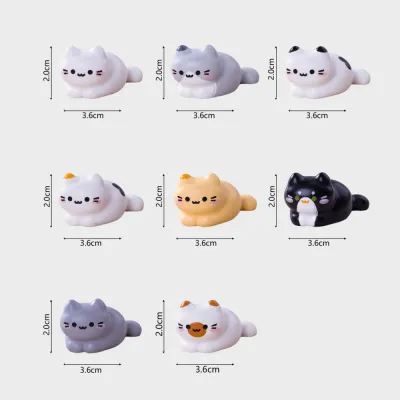
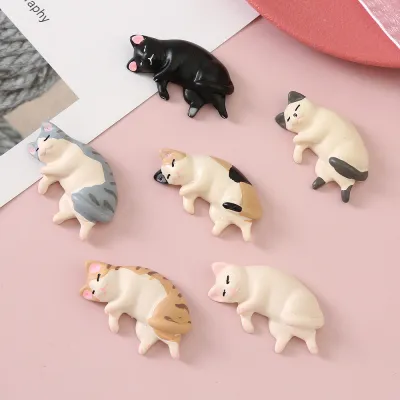
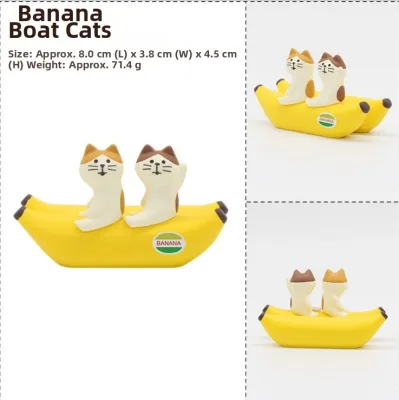
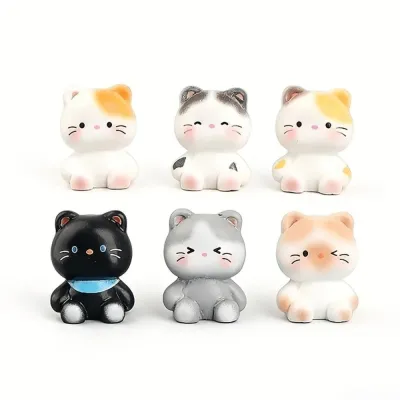
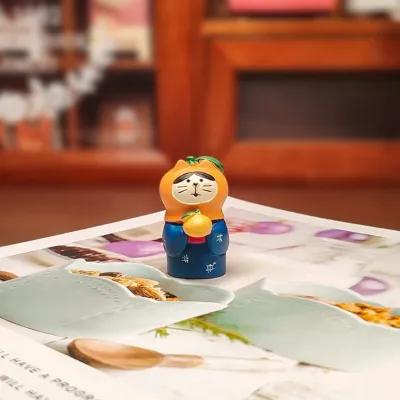
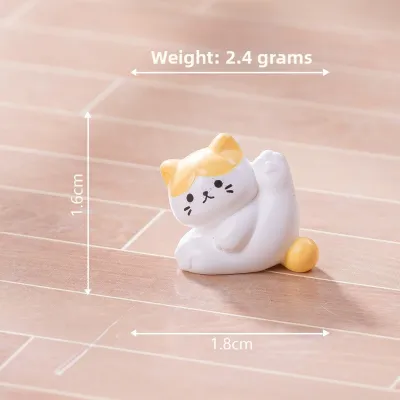
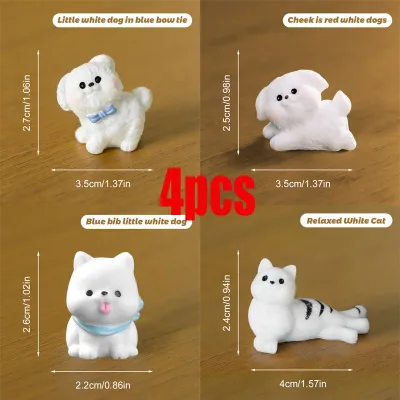
Prices are valid at publication and may change. Please refer to the product page for the latest price.
Material Quality and Density The primary indicator of quality is the material itself. Fine porcelain and bone china are highly prized for their delicate translucency and smooth, glass-like finish. When held to the light, genuine bone china exhibits a warm, milky glow due to the bone ash in the clay body. Stoneware and earthenware offer a more rustic, substantial feel with richer earthy tones. In contrast, premium contemporary figurines often utilize high-grade artist resins, such as polyurethane, which provide exceptional durability and allow for incredibly fine sculptural detail. Lead-free crystal and hand-blown glass stand out for their optical clarity and light-refracting properties. Cheap plastics, on the other hand, feel lightweight, look dull, and are highly susceptible to yellowing and degradation when exposed to ambient UV light.
Craftsmanship Indicators Anatomical accuracy and fine detailing are the hallmarks of a master sculptor. High-quality miniature cats display realistic proportions, lifelike skeletal structures, and natural feline poses. Examine the fur texturing closely; on premium resin or ceramic pieces, individual strands of hair are sculpted to follow the natural growth patterns of a cat’s coat. Pay close attention to the face, particularly the eyes. Premium brands employ skilled artisans to hand-paint the eyes with multiple layers of pigment and glaze, creating realistic depth. On poorly made alternatives, eyes are often applied via misaligned decals, resulting in a flat, lifeless appearance. Furthermore, high-quality figurines feature seamless joints. While complex poses may require casting the torso, head, and limbs separately, the final assembly should be so perfectly slip-welded or bonded that no visible seams remain.
Weight and Finish The physical balance and finish of a figurine provide immediate clues about its manufacturing standards. A premium piece should feel surprisingly heavy for its miniature size, reflecting the density of high-grade materials. The glaze on a ceramic or porcelain cat should be perfectly uniform, free of pinholes, bubbling, pooling, or unintended crazing. The base of the figurine must be ground perfectly flat and polished smooth. This ensures the piece stands securely without wobbling and prevents it from scratching the delicate wood or glass surfaces of your display shelves.
Tailoring Your Choice: Home Decor vs. Serious Collecting
Before purchasing a miniature cat figurine, clarify whether your primary goal is aesthetic home decoration or serious, long-term collecting. While these two paths occasionally overlap, they demand different priorities regarding material durability, documentation, and condition.

Home Decor Focus When selecting figurines to complement your interior design, prioritize durability, ease of maintenance, and visual harmony. If your figurines will reside on open living room shelves, side tables, or entry consoles, they will inevitably be exposed to dust, household traffic, and the occasional curious pet. In these active environments, sturdy materials like high-grade resin, stoneware, or solid glass are highly practical choices. Consider how the figurine’s style interacts with your existing decor. A minimalist, matte-finished white ceramic cat fits seamlessly into Scandinavian, Japandi, or modern minimalist spaces, where clean lines and neutral tones dominate. Conversely, highly detailed, hand-painted porcelain cats in classic poses harmonize beautifully with traditional or eclectic interiors. Scale is also crucial; ensure the miniature’s proportions complement, rather than get lost among, your books, vases, and other decorative elements.
Collecting Focus For the dedicated collector, the focus shifts from pure aesthetics to rarity, provenance, and investment potential. Serious collecting centers on acquiring limited-edition runs, artist-signed pieces, and historical releases from renowned heritage studios. Limited-edition figurines are produced in restricted quantities—often ranging from a few dozen to a few thousand worldwide—and are typically hand-numbered on the base. These pieces should always be accompanied by a physical Certificate of Authenticity (COA) printed on high-quality paper, often featuring watermarks or holographic seals. Artist-signed pieces, where the master sculptor or painter has hand-signed the base, carry a significant premium on the secondary market. Additionally, preserve the original packaging. Archival-quality boxes with custom-cut foam inserts are not merely shipping materials; they are vital components of the collectible’s overall value.
Condition Reporting In the realm of casual home decor, a minor, unnoticeable blemish—such as a tiny chip on the underside of a paw or a slight glaze imperfection—is of little consequence. For a serious collector, however, condition is paramount. Figurine grading scales are strict, ranging from “Mint” (flawless, as-manufactured condition) to “Poor” (damaged or poorly restored). Even microscopic glaze flaking, faint scratches on a crystal surface, or a slightly faded original box can reduce a collectible’s market value by 30% to 50%. When sourcing vintage or secondary-market pieces, always request a detailed condition report and inspect the item under magnification if possible.
How to Verify Brand Authenticity and Avoid Mass-Produced Knockoffs
As the popularity of miniature collectibles has grown, so too has the market for counterfeit goods. Protecting your investment requires a systematic approach to verifying brand authenticity and recognizing the warning signs of low-quality knockoffs.
Inspecting Maker’s Marks The most reliable method to verify a figurine’s origin is to inspect the underside of its base for official maker’s marks, also known as backstamps. Reputable heritage brands and independent studios stamp, incise, or hand-paint their unique logo, mold numbers, and sometimes the painter’s initials onto the bottom of the piece. These marks are highly documented and often evolved over the decades, allowing collectors to date the figurine precisely. Familiarize yourself with the specific marking styles of the brands you target. Be wary of figurines with completely blank bases, blurry or smeared stamps, or paper labels that can be easily transferred from one item to another. While some authentic vintage pieces used paper labels, they should show appropriate age-related wear and match historical catalog descriptions.
Packaging Red Flags Premium figurine manufacturers invest heavily in packaging to protect their delicate creations during transit and present them elegantly. Authentic pieces rarely arrive in generic, unbranded brown cardboard boxes, simple bubble wrap, or loose packing peanuts. Instead, look for rigid, high-quality boxes featuring crisp, high-resolution printing, official corporate logos, and custom-molded foam inserts designed to cradle the specific shape of the figurine. Missing documentation, poorly translated instruction booklets, or the absence of security stickers (such as holographic labels) are immediate indicators of a counterfeit product.
Price and Channel Warnings The old adage holds true: if a deal seems too good to be true, it almost certainly is. Authentic, hand-crafted miniature cat figurines from reputable brands require significant skilled labor and high-quality materials, reflecting their premium retail price. Be highly skeptical of deep discounts on unverified online marketplaces, social media shops, or third-party bidding sites. If a highly sought-after figurine that typically commands S$200 is listed for S$20 on a generic ecommerce platform, it is highly likely a counterfeit. These knockoffs are often created by taking a silicone mold of an authentic figurine and casting it in cheap resin or plaster. This process results in a copy that is slightly smaller than the original due to material shrinkage, with muddy details, inaccurate paintwork, and a distinct lack of structural weight.
Consulting Official Registries To guarantee the authenticity of your purchase, always buy directly from the manufacturer’s official website or their network of authorized dealers. Many premium brands maintain updated directories of licensed retailers on their websites. For high-value or vintage acquisitions, consult official brand registries, collector databases, or specialized reference books. These resources provide detailed catalogs of every model produced, including exact dimensions, weight, colorways, and production years, allowing you to cross-reference the physical specifications of your candidate figurine with verified historical data.
Understanding the Main Categories of Reputable Figurine Makers
The landscape of reputable miniature cat figurine manufacturers is diverse, with different studios specializing in specific materials and artistic philosophies. Understanding these categories allows you to focus your search on the style that best aligns with your personal taste and display preferences.
Heritage Porcelain and Ceramic Studios
These historic manufacturers represent the pinnacle of classical ceramic artistry, often tracing their lineages back several centuries. Utilizing fine bone china, hard-paste porcelain, or high-fired earthenware, these studios employ master artisans who hand-paint each piece with extraordinary precision. The process involves slip-casting the liquid clay into plaster molds, assembling the delicate components by hand, and firing them in high-temperature kilns. After the initial firing, layers of underglaze or overglaze pigments are meticulously applied, often requiring multiple subsequent firings to set the colors. The resulting figurines are characterized by their delicate, glass-like surfaces, brilliant colors, and classic, elegant poses that capture the fluid grace of cats. While highly durable in terms of color preservation, these ceramic pieces are brittle and must be handled with extreme care to prevent chipping or breakage.
Contemporary Resin and Mixed-Media Artists
Modern independent studios and contemporary designers often turn to high-grade polyurethane resins and mixed materials to push the boundaries of realism and dynamic design. Unlike traditional ceramics, advanced resins allow sculptors to capture microscopic details, such as individual hair follicles, delicate whiskers, and intricate skin folds. These figurines are cast using highly flexible silicone molds, enabling complex, gravity-defying poses—such as a cat mid-pounce or balancing delicately on a thin branch—that would be impossible to execute in fragile porcelain. Many contemporary artists enhance their resin sculptures with mixed-media elements, incorporating real wire, wood, or textile accents to create highly stylized or hyper-realistic representations. Resin figurines are also significantly more impact-resistant than ceramic or glass, making them an excellent choice for active households or display areas prone to movement.
Crystal and Glass Artisans
For those who appreciate a more abstract, modern, or luxurious aesthetic, crystal and glass miniature cats offer unmatched brilliance and elegance. These pieces are typically crafted from high-quality, lead-free crystal, which features an exceptionally high refractive index. Master glass cutters use diamond-tipped wheels to cut precise facets into the crystal, turning the miniature figurine into a prism that splits ambient light into a dazzling spectrum of colors. Alternatively, hand-blown glass figurines, such as those created in historic glassworks, emphasize fluid, organic shapes and vibrant, swirled colors embedded directly within the glass. These sculptures focus on the interplay of light, form, and transparency rather than realistic texture. They are exceptionally well-suited for display in well-lit cabinets or near windows, where they can capture and scatter natural light throughout the room.
Where to Source Authentic Figurines in Singapore
Sourcing genuine, high-quality miniature cat figurines in Singapore requires navigating a mix of physical retail destinations, specialized art markets, and verified online channels while keeping local import regulations in mind.
Authorized Physical Retailers For a secure shopping experience, visit established department stores located along Orchard Road or premium home decor boutiques in the Downtown Core. These high-end retailers maintain direct relationships with major international figurine brands and heritage porcelain studios, ensuring that every piece on display is 100% authentic and backed by a manufacturer’s warranty. Shopping in person also allows you to inspect the figurine closely under professional lighting, verifying the paint quality, glaze uniformity, and physical weight before making a purchase.
Art Galleries and Antique Dealers If your interest lies in vintage, rare, or discontinued miniature cat figurines, explore the antique shops and art galleries clustered in Dempsey Hill, Outram, or the Tanglin area. These dealers often curate unique collections of mid-century ceramics, retro glassware, and estate-sourced collectibles. When purchasing from an antique dealer, always ask for a detailed condition report and any available documentation regarding the piece’s provenance. For contemporary, artisan-made resin or mixed-media figurines, keep an eye on local design markets, art fairs, and boutique exhibitions held periodically in arts districts like Bras Basah or Gillman Barracks, where you can buy directly from independent creators.
Official Online Channels When purchasing online, prioritize the official global websites of the figurine brands or their verified flagship stores hosted on local e-commerce mall platforms. Avoid buying from unverified third-party sellers on general online marketplaces, as these platforms are frequently targeted by counterfeiters selling cheap plastic knockoffs. Look for sellers with official “Mall” or “Verified” badges, check customer feedback specifically for mentions of packaging quality and authenticity, and ensure the seller provides clear return policies in case the item arrives damaged or does not match the description.
Import Considerations Because many of the world’s premier figurine studios are based in Europe, Japan, or North America, you may choose to import pieces directly from overseas. When doing so, factor in the high fragility of these items. Ensure the seller utilizes robust, double-boxed packaging with ample cushioning, and always opt for shipping methods that include tracking and comprehensive fragile-item insurance. Additionally, keep in mind Singapore’s import regulations. All imported goods are subject to the prevailing Goods and Services Tax (GST). Depending on the value of your shipment and the platform used, this tax may be collected automatically at checkout or assessed at the border by Singapore Customs before delivery, so budget accordingly to avoid unexpected fees.
Displaying and Maintaining Your Collection Safely
Once you have acquired your miniature cat figurines, proper display and routine maintenance are essential to preserve their beauty, structural integrity, and long-term value.
Dusting Techniques Dust accumulation can dull the brilliant glaze of porcelain or cloud the optical clarity of crystal. To clean your figurines safely, use a soft, dry makeup brush, a camel-hair artist brush, or a specialized anti-static microfibre duster to gently sweep away dust from intricate crevices and delicate ears. Avoid using harsh chemical cleaners, abrasive pads, or household detergents, which can strip away delicate overglaze hand-painting, damage gold leaf accents, or degrade the surface of resin sculptures. If a glazed ceramic or glass figurine requires deeper cleaning, wipe it gently with a soft cloth slightly dampened with lukewarm water. Always refer to the manufacturer’s care instructions first, as unglazed areas, cracked glazes, or delicate hand-painted surfaces can be permanently damaged by moisture.
Environmental Controls Singapore’s tropical climate, characterized by high relative humidity and intense sunlight, poses unique challenges for figurine preservation. High humidity can promote mold growth on unglazed ceramic bases, wooden display stands, or original cardboard packaging. To mitigate this, display your collection in an air-conditioned room or place rechargeable silica gel dehumidifying packs inside closed display cabinets. Never place your figurines in direct sunlight, such as on a window sill. Prolonged exposure to ultraviolet (UV) radiation will fade hand-painted pigments, yellow polyurethane resins, and cause thermal stress that can crack delicate glass or porcelain. Avoid placing figurines directly in the path of cold air currents from air-conditioning vents, as sudden, extreme temperature fluctuations can cause thermal shock.
Secure Placement To protect your collection from accidental bumps, curious pets, or minor vibrations, secure the base of each figurine to the display shelf using a tiny dab of removable museum wax or collector’s gel. Ensure your display cabinet is sturdy, level, and positioned away from high-traffic doorways. If you install LED strip lighting inside your cabinet to highlight your collection, ensure the lighting system is low-voltage, certified for safety (such as carrying local safety marks), and emits minimal heat. High-heat halogen bulbs should be avoided, as they can warm the air inside a sealed cabinet, causing thermal stress to resin and glass figurines. For any fixed electrical wiring, custom cabinet lighting installations, or modification of household power outlets, always hire a licensed electrical worker to ensure compliance with local electrical safety standards and prevent potential hazards. When choosing light sources, consider that a neutral color temperature (around 4000K) generally provides the most balanced representation of hand-painted colors, though this remains a matter of personal decorative preference.
Frequently Asked Questions (FAQ)
How can I tell if a vintage miniature cat figurine is valuable?
To determine the value of a vintage miniature cat figurine, begin by inspecting the underside of the base for a clear maker’s mark, logo, or artist’s signature. Cross-reference these marks with official collector databases, auction catalogs, or specialized reference books to identify the manufacturer, model number, and production year. The figurine’s overall condition is the most critical factor; any chips, cracks, hairline fractures, or signs of amateur restoration will significantly reduce its market value. Rarity also plays a major role; limited-edition releases, discontinued colorways, and pieces from highly sought-after historical eras (such as mid-century modern or early 20th-century porcelain) command the highest prices among collectors.
Is it safe to wash ceramic cat figurines in water?
Washing ceramic cat figurines in water is only safe if the piece is fully glazed and free of structural damage. You can gently wipe fully glazed ceramics with a soft cloth dampened with lukewarm water. However, never submerge a figurine in water if it has unglazed ceramic areas, visible hairline cracks, or delicate overglaze hand-painting, as water can seep into the porous clay body, expand, and cause the glaze to flake or crack. Avoid using hot water, dish soaps, or abrasive scrubbers, which can strip away gold leaf or delicate hand-painted details. Always check the manufacturer’s specific care instructions before attempting any wet cleaning, and if in doubt, stick to dry dusting with a soft artist’s brush.
Community discussion
Share your experience or ask a question. Comments are reviewed before publication.