
A sparkle candle brings a unique sensory dimension to home decor, blending ambient light with captivating visual or auditory effects. Whether the “sparkle” comes from shimmering mica suspended in the wax pool, the rhythmic crackle of a wooden wick, or the dazzling reflections of a faceted glass vessel, these candles elevate standard aromatherapy into an immersive experience. To find the right option for your home, you must look beyond aesthetic appeal and evaluate how these decorative elements affect burn safety, fragrance performance, and overall material quality.
Selecting a high-quality candle requires understanding the materials used to create these eye-catching effects. While some designs rely on safe, mineral-based additives to produce a swirling shimmer, others use physical design choices to catch and refract light. By learning how to distinguish between safe visual enhancements and potential fire hazards, you can enjoy a beautiful, atmospheric glow without compromising the safety of your living space.
Identifying Sparkle Effects and Burn Safety
To choose a safe sparkle candle, you must first understand how different manufacturers achieve their visual effects. The most common safe method for creating a shimmering wax pool is the addition of cosmetic-grade mica powder. Mica is a naturally occurring silicate mineral that is ground into a fine powder; it is non-flammable and remains suspended in the melted wax, creating a swirling, pearlescent effect when the candle is lit. Because mica does not burn, it does not add fuel to the flame, though excessively high concentrations can occasionally clog the wick and cause a weak burn.
Products mentioned in this guide
![[SG STOCK] RedLion Spark2Flame - First-of-its-Kind Sparkling Number Candle | Dazzling Sparkler Burst Transitions to Warm](https://img.lazcdn.com/g/p/15adf5d9c6b7dd7b593e42979bbb5bdd.jpg_400x400q80.jpg_.webp)
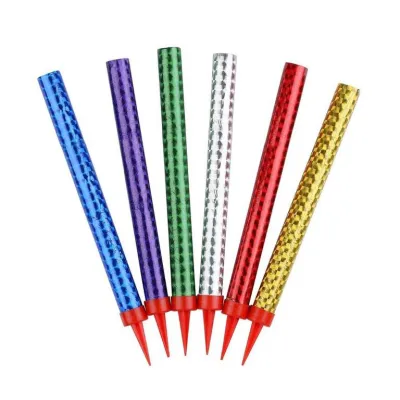
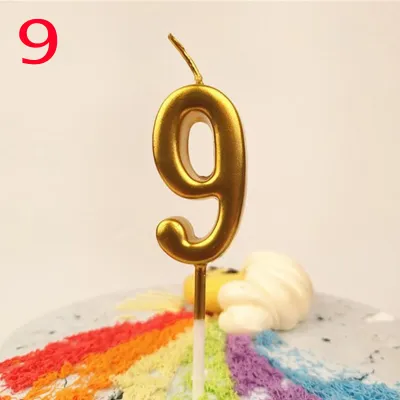
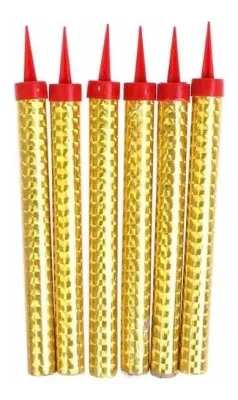

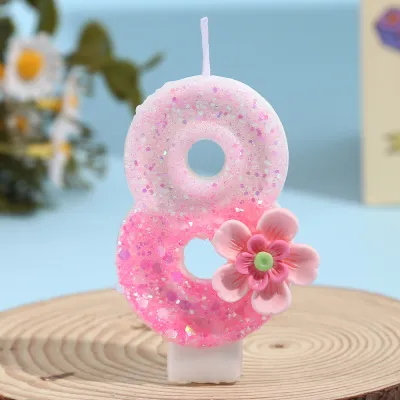
Prices are valid at publication and may change. Please refer to the product page for the latest price.
Another popular way to introduce a sensory “sparkle” is through the use of wood wicks. Rather than a visual shimmer in the wax, wood wicks provide an auditory sparkle, producing a soft, rhythmic crackling sound reminiscent of a miniature fireplace. This effect is caused by tiny pockets of moisture and air trapped within the cellular structure of the wood, which expand and burst when heated by the flame. When sourced from untreated, natural wood, these wicks offer a clean burn alongside their soothing acoustic properties.
External sparkle effects rely entirely on the design of the candle vessel rather than additives in the wax. Many premium brands house their candles in textured, metallic, or holographic glass jars that catch and refract the flame’s light. This approach provides a brilliant, glittering aesthetic without altering the chemical composition of the wax or the behavior of the flame. It is often the safest choice for those who want maximum visual impact with zero risk of wick clogging or altered burn dynamics.
In contrast, you should exercise extreme caution when encountering candles that contain loose, flammable decorations near the melt pool. Some novelty candles feature plastic glitter, dried flower petals, paper elements, or synthetic charms embedded in the top layer of wax. Plastic glitter can melt, releasing toxic fumes into your home, or ignite if it drifts too close to the flame. Dried botanicals and other combustible materials can act as secondary wicks, causing the flame to flare up unexpectedly and potentially cracking the glass vessel.
To prevent overheating and ensure a clean burn, always follow standard manufacturer instructions regarding wick trimming and burn times. Keep cotton wicks trimmed to approximately 5mm before every lighting, and trim wood wicks even shorter, to about 3mm. Limit your burn sessions to a maximum of three to four hours at a time. This prevents the melt pool from becoming too deep and keeps the glass vessel from reaching temperatures that could cause it to crack or damage the surface underneath. In humid climates, such as in Singapore, indoor spaces often alternate between high humidity and dry air-conditioning; these rapid temperature shifts can place additional stress on glass vessels, making heat-resistant coasters and strict burn limits essential.
How to Assess Candle Quality and Ingredient Transparency
Evaluating a candle brand’s reliability requires a close look at their ingredient disclosures and manufacturing standards. Reputable brands are transparent about the types of wax they use, their fragrance sourcing practices, and the materials that make up their wicks. This transparency is the most reliable indicator of a clean-burning, high-quality product that is safe for regular indoor use.

Start by examining the wax composition, which forms the foundation of any candle. Natural waxes, such as soy, coconut, and beeswax, are highly favored for their clean, slow-burning characteristics. Soy wax, derived from soybean oil, burns at a lower temperature than paraffin, allowing the candle to last longer and release fragrance gradually. Coconut wax is known for its incredibly smooth texture and outstanding ability to carry complex fragrances. While paraffin wax is highly effective at dispersing scent, look for brands that specify they use highly refined, food-grade paraffin or natural wax blends to minimize soot production.
Fragrance sourcing is another critical area where quality brands distinguish themselves. Look for candles that are explicitly labeled as phthalate-free and compliant with the standards set by the International Fragrance Association (IFRA). Phthalates are chemical plasticizers often used to extend the shelf life of synthetic fragrances, but they can release harmful compounds into the air when burned. Brands that disclose whether they use natural essential oils, safe synthetic fragrance oils, or a blend of both demonstrate a commitment to indoor air quality and consumer safety.
Additionally, verify the materials used in the candle’s wick. High-quality cotton wicks should be lead-free and ideally feature paper or zinc cores rather than lead cores, which have been widely banned but can still appear in unverified, low-cost imports. Wood wicks should be untreated and sourced from sustainably managed forests. A well-constructed wick ensures a stable flame, minimizes soot, and prevents the candle from tunneling—a common issue where the wax melts down the center, leaving a thick ring of wasted wax along the sides of the jar.
Finally, inspect the packaging for comprehensive safety warnings and product details. Reliable manufacturers include clear instructions on the base of the candle, detailing proper usage, batch numbers, and safety symbols. If a brand does not provide clear information about its wax type, fragrance ingredients, or safety precautions, it is best to avoid burning it in your home, especially in enclosed or poorly ventilated spaces.
Decoding Fragrance Profiles and Room Scent Throw
Understanding how candle fragrances are structured helps you select a scent that performs beautifully in your specific living environment. Like fine perfumes, candle fragrances are built using a three-tier olfactory pyramid consisting of top, middle, and base notes. This structure ensures that the scent evolves gracefully as the candle burns, providing a multi-layered sensory experience.
Top notes are the initial scents you detect when you first smell an unlit candle or immediately after lighting it. These are typically light, volatile aromas like citrus, bergamot, or fresh herbs that evaporate quickly. Middle notes, often referred to as the heart notes, emerge once the top notes begin to dissipate. These form the core character of the fragrance and usually consist of florals, fruits, or light spices. Base notes are the heaviest molecules, such as sandalwood, vanilla, amber, or musk, which linger in the air long after the candle has been extinguished, providing depth and longevity to the overall scent profile.
When evaluating a candle’s performance, you must distinguish between cold throw and hot throw. Cold throw refers to the strength of the fragrance when the candle is unlit and sitting at room temperature. A strong cold throw is a good indicator of high fragrance loading, but it does not guarantee how the candle will perform when lit. Hot throw is the scent dispersed into the air as the wax melts and the fragrance oils evaporate. The quality of the hot throw depends heavily on the wax pool’s temperature and the compatibility between the wax blend and the fragrance oils.
To get the most out of your candle, match the fragrance family to the size and ventilation of the room where you plan to burn it:
- Woody and Earthy Profiles: Scents featuring cedarwood, patchouli, vetiver, or amber have excellent staying power and are ideal for larger, open-plan living areas or study rooms. Their rich, grounding notes can easily fill a spacious room without becoming overwhelming.
- Fresh and Citrus Profiles: Fragrances containing lemongrass, sea salt, eucalyptus, or grapefruit are perfect for smaller spaces like bathrooms, kitchens, or compact home offices. These scents offer a clean, uplifting ambiance that feels refreshing, particularly in warm, humid climates.
- Floral Profiles: Jasmine, rose, orchid, and lavender notes work beautifully in bedrooms and cozy reading nooks. They provide a delicate, soothing atmosphere that promotes relaxation without saturating the air.
- Gourmand Profiles: Warm, sweet scents like vanilla, caramel, and baking spices have incredibly strong hot throws. Because these fragrances can quickly become cloying in small, enclosed spaces, they are best enjoyed in well-ventilated dining areas or larger living rooms.
Selection Checklist for Your Space and Lifestyle
Choosing the right sparkle candle involves balancing your aesthetic preferences with the practical realities of your home layout and daily routine. Use this structured checklist to guide your next purchase, ensuring you select a candle that fits seamlessly into your lifestyle.
First, assess the physical dimensions and ventilation of your room. In compact residential layouts, such as typical apartments or HDB flats in Singapore, air circulation can vary significantly. If you plan to burn a candle in a small, air-conditioned bedroom, opt for a smaller single-wick candle (around 80g to 150g) with a fresh or light floral scent profile to prevent the fragrance from overpowering the space. For large, open-concept living and dining areas, a larger multi-wick candle (250g to 400g) or a wide wood-wick candle will provide a sufficiently wide melt pool to distribute the scent effectively.
Next, consider the burn time and the potential for reusing the vessel. High-quality candles typically offer a burn time of 40 to 50 hours for a standard 200g jar. Look for sturdy, beautifully designed glass, ceramic, or metal vessels that can easily transition into stylish storage containers, planters, or brush holders once the wax is gone. This adds long-term value to your purchase, making a premium candle priced between S$30 and S$80 a more sustainable investment.
Household safety should always be a primary consideration. If you have curious pets or young children, place your candles on high, stable shelves well out of reach, or consider using an electric candle warmer instead of an open flame. Candle warmers use a halogen bulb to melt the wax from the top down, which is an excellent way to enjoy the swirling visual effects of mica-infused sparkle candles safely. If you use a warmer, ensure its electrical specifications match local voltage standards (typically 230V) and that the unit carries recognized safety certifications.
Finally, pay attention to drafts and air currents. Placing a candle near an open window, a ceiling fan, or an air-conditioning vent can cause the flame to flicker violently, leading to uneven burning, excessive soot, and rapid wax consumption. Position your candle in a draft-free zone to maintain a stable, clean burn and preserve the integrity of the sparkle effect.
Frequently Asked Questions (FAQ)
Do crackling wood wicks require special maintenance?
Yes, crackling wood wicks require regular maintenance to ensure a safe, even burn and to keep the soothing crackling sound consistent. Before every single burn, you must trim the wood wick to a height of approximately 3mm to 5mm. You can do this by gently pinching off the charred, brittle top edge of the wick using a tissue or by using a dedicated wick trimmer.
If you do not trim the wick, the flame will struggle to draw wax up through the wood, causing the candle to sputter, produce excess soot, or extinguish itself shortly after lighting. If your wood wick struggles to stay lit, it is usually because the wick is too long or there is too much melted wax drowning the flame. In this case, extinguish the candle, let it cool, and gently soak up a small amount of the excess liquid wax around the wick using a paper towel before relighting.
Can I reuse the vessel once the sparkle candle is finished?
Yes, reusing the decorative vessel is an excellent way to extend the life of your purchase. To do this safely, stop burning your candle when about 10mm of wax remains at the bottom of the jar; burning it past this point can cause the bottom of the vessel to overheat and crack.
To clean out the remaining wax, place the cooled vessel in the freezer for a few hours. The cold temperature will cause the wax to shrink, allowing you to easily pop it out with a butter knife or spoon. Alternatively, you can pour warm, soapy water into the jar to soften the residue, then wipe it clean with a paper towel. Never pour melted wax down your sink drain, as it will solidify and cause severe clogs. Once the wax and wick base are removed, wash the container thoroughly with warm water and dish soap. Note that while these vessels are perfect for storing cotton pads, pens, or small plants, they should not be used for food or beverages unless the manufacturer explicitly states they are food-safe.

Community discussion
Share your experience or ask a question. Comments are reviewed before publication.