
Quick Overview: Navigating Yankee Candle Scent Families
Finding the perfect home fragrance relies on understanding how different scents interact with your living space and personal tastes. Yankee organizes its extensive catalog into distinct scent families—primarily Fresh, Floral, Woody, and Sweet/Fruity. This classification system serves as a practical roadmap for choosing fragrances that align with your olfactory preferences, the specific room you want to scent, and the mood you wish to establish.
When selecting a candle, matching the fragrance profile to the environment is key. A light, airy scent can make a small room feel open, while a rich, warm aroma can make a spacious living area feel cozy. However, keep in mind that scent perception is highly subjective. Individual sensitivity, room dimensions, ceiling height, and ambient airflow all influence how strongly a fragrance is felt. By understanding the core characteristics of each scent family, you can make informed decisions and curate a welcoming atmosphere throughout your home.
The Core Yankee Candle Scent Families Explained
While Yankee categorizes its candles into distinct scent families, these groups are helpful starting points rather than rigid boundaries. Many of the brand’s most popular fragrances are complex blends that layer notes from multiple families. For instance, a candle might combine fresh citrus top notes with a warm, woody base, creating a multi-dimensional experience that evolves as it burns.
Products mentioned in this guide
![[Home Scent] Yankee Candle Midsummers Night Classic Large Jar 623g (100% Authentic from Acebela)](https://img.lazcdn.com/g/p/4afc7cf6f6df5a21424984b6a609e26a.png_400x400q80.png_.webp)
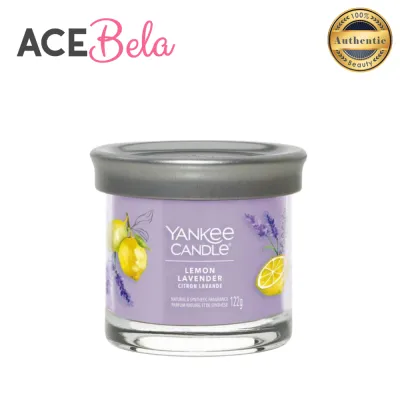
![[SG Stock] Yankee Candle Large Jar 623g](https://img.lazcdn.com/g/p/619ff7a907d10b261697728c549d3d64.png_400x400q80.png_.webp)
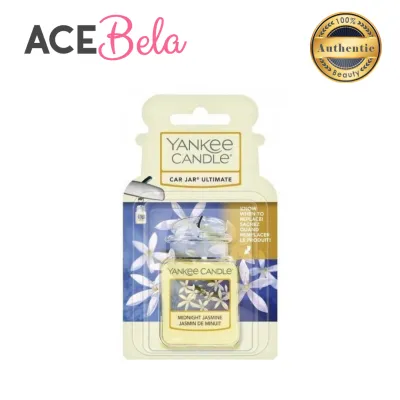
Prices are valid at publication and may change. Please refer to the product page for the latest price.

To fully understand what a specific candle will smell like, it is best to look beyond the primary category. Always check the product label or the official description for the detailed scent pyramid, which includes the top, mid, and base notes. The top notes provide the initial impression when you first smell the candle, the mid notes form the heart of the fragrance as it diffuses, and the base notes deliver the lasting impression that lingers in the room.
Fresh and Clean Scents
The Fresh and Clean scent family is designed to evoke feelings of crisp outdoor air, sparkling water, and freshly laundered sheets. Common notes in this category include bright citrus, watery ozone, sea salt, white flowers, and clean cotton. These fragrances are formulated to feel light, uplifting, and thoroughly revitalizing.
This family is highly recommended for individuals who dislike heavy, sweet, or intensely powdery perfumes. If you prefer an atmosphere that feels airy, open, and naturally clean, these scents are an ideal choice. They are particularly effective at making indoor spaces feel refreshed and rejuvenated without overwhelming the senses.
Floral and Botanical Scents
Floral and Botanical fragrances capture the essence of nature, ranging from delicate spring blossoms to deep, complex garden bouquets. Typical notes include classic rose, sweet jasmine, lush peony, calming lavender, and crisp green leaves. These scents can evoke the feeling of walking through a blooming garden or a dew-covered meadow.
This family appeals directly to those seeking a romantic, classic, or naturally soothing environment. Soft floral notes like lavender are widely appreciated for their calming qualities, making them excellent for relaxation. However, because some floral scents can be quite potent and concentrated, they require careful placement and moderate burning times in smaller rooms to prevent them from becoming too intense.
Woody and Earthy Scents
Woody and Earthy fragrances offer a rich, grounding experience that brings the warmth of nature indoors. This family features prominent notes of warm sandalwood, rustic cedarwood, earthy patchouli, rich amber, and subtle spices. These ingredients combine to create deep, complex aromas that feel comforting and highly sophisticated.
If you want to establish a cozy, elegant, or grounding ambiance, the Woody family is an exceptional option. These scents are particularly favored in cooler seasons or within air-conditioned spaces where the warm, enveloping notes can counteract a chilly atmosphere. They add a layer of depth and maturity to any room, making them popular for evening use or quiet study spaces.
Sweet, Fruity, and Gourmand Scents
The Sweet, Fruity, and Gourmand family is filled with rich, indulgent aromas that often trigger feelings of comfort and nostalgia. This category spans from vibrant, sun-ripened berries and bright tropical fruits to warm, bakery-inspired treats featuring vanilla, brown sugar, caramel, and warm spices. These fragrances are designed to be playful, inviting, and deeply comforting.
This family is perfect for those who enjoy vibrant, cheerful, or dessert-like scents that make a home feel instantly welcoming. However, because these formulations tend to be highly fragrant with excellent throw, they can occasionally lead to olfactory fatigue. To prevent the sweetness from becoming cloying, avoid burning them continuously in small, unventilated areas, and ensure there is steady air circulation.
How to Match Scent Families to Your Rooms and Moods
To get the most out of your home fragrances, it helps to match specific scent families to the function and atmosphere of each room. In high-traffic living areas and entrances, first impressions are incredibly important. Opting for Fresh or light Floral scents in these spaces creates an open, welcoming environment that greets guests pleasantly without overwhelming them with a heavy fragrance right at the doorstep.
For bedrooms and dedicated relaxation zones, the goal is to foster tranquility and rest. Woody, earthy, or soft floral scents—especially those featuring lavender or chamomile—are highly effective at promoting a calm, serene mind. Safety is paramount in these personal sanctuaries: always extinguish your candle before going to sleep. If you prefer using an electric candle warmer in the bedroom, ensure it is equipped with an automatic shut-off timer for peace of mind.
In bathrooms and kitchens, functional fragrance choices are essential to neutralize unwanted odors and maintain a crisp, hygienic feel. Fresh, citrus, and clean scent profiles are highly recommended here, as their sharp, vibrant notes naturally cut through dampness and cooking aromas. In humid tropical climates like Singapore, where indoor moisture can occasionally lead to musty corners, these clean scents help maintain a sense of freshness. However, always remember that home fragrances are meant to complement, not replace, proper ventilation and regular cleaning.
Regardless of which room you choose to scent, practicing safe candle usage is vital. Always refer to the manufacturer’s safety instructions printed on the product packaging before use. Place your candle on a stable, heat-resistant surface, keep it away from drafts, ceiling fans, and flammable materials, and never leave an active flame unattended. If you choose to use an electric candle warmer instead of an open flame, verify that the appliance is compatible with Singapore’s 220-240V electrical system, uses a bulb of the correct rated wattage (such as a GU10 35W or 50W bulb), and bears recognized electrical safety certifications.
Smart Tips for Testing and Choosing Your Ideal Scent
Investing in a large candle before knowing how it performs in your home can sometimes lead to disappointment. To minimize buyer’s remorse, it is wise to start small. Purchasing wax tarts, votives, or small single-wick jars allows you to test a new scent family in your actual living environment at a lower cost. If you enjoy how the fragrance diffuses in your space, you can confidently upgrade to a larger multi-wick jar later.
Understanding the difference between cold throw and hot throw is another crucial step in selecting the right candle. Cold throw refers to how a candle smells when it is unlit on the shelf, while hot throw is the aroma released once the wax melts. A candle’s true fragrance profile, complexity, and strength only fully emerge when a complete liquid wax pool is formed. Therefore, do not judge a scent solely on its unlit fragrance in a store.
When evaluating multiple candles in-store or at home, your nose can quickly become overwhelmed, a phenomenon known as olfactory fatigue. To keep your senses sharp, take brief breaks between smelling different fragrances. You can reset your olfactory palate by smelling dry coffee beans, which are often provided at fragrance counters, or simply by sniffing your own clean, unscented skin, such as the crook of your elbow.
Finally, proper candle care during your very first burn is essential for establishing “wax memory.” When you light a new candle, always allow the wax to melt completely across the top surface to the very edges of the jar before extinguishing it. This process can take several hours, but it prevents “tunneling”—a common issue where the wick burns straight down the center, leaving wasted wax along the sides and severely limiting the candle’s future scent throw.
Frequently Asked Questions (FAQ)
Can I mix different Yankee Candle scent families in the same room?
Yes, you can mix different scent families to create a customized home aroma, but doing so requires some care to prevent clashing. It is generally safest to combine complementary profiles, such as pairing a warm, grounding woody base with a light, uplifting citrus or fresh scent. To prevent the combined fragrance from becoming overwhelming, ensure the room is spacious and well-ventilated.
Why does my Yankee Candle smell weaker after a few burns?
A weaker scent is often the result of olfactory fatigue, which occurs when your brain becomes desensitized to a continuous, familiar fragrance in your environment. To combat this, try rotating between different scent families every few weeks to keep your senses active. Additionally, ensure you let the candle burn long enough during each session to form a full, even melt pool, which maximizes the release of fragrance oils.
Which Yankee Candle scent family is best for masking cooking odors?
The Fresh, Citrus, and Clean scent families are the most effective options for neutralizing strong cooking odors. Their sharp, bright, and clean profiles actively cut through heavy food smells and grease. In contrast, sweet, gourmand, or heavy woody fragrances do not mask kitchen odors well and can often mix with food smells to create an unappealing, heavy combination.
Community discussion
Share your experience or ask a question. Comments are reviewed before publication.