
Finding high-quality tulasi incense in Singapore requires understanding both the botanical properties of holy basil and the unique environmental conditions of local homes. Tulasi, or holy basil, is revered for its crisp, herbaceous, and slightly spicy aroma, which differs significantly from sweeter floral scents. In Singapore’s dense urban landscape, where many reside in high-rise apartments or HDB flats, selecting the right incense involves balancing aromatic preferences with indoor air quality and safety. Rather than relying on generic brand names, discerning buyers should focus on ingredient purity, manufacturing transparency, and proper burning practices to ensure a pleasant and safe experience.
Understanding Tulasi Incense Ingredients and Quality
To identify high-quality tulasi incense, you must first understand what goes into the manufacturing process. Authentic tulasi incense utilizes natural extracts or essential oils derived from the Ocimum tenuiflorum (holy basil) plant. These natural components deliver a complex, earthy aroma that is subtle and grounding. In contrast, lower-grade alternatives often rely entirely on synthetic fragrance compounds. These petroleum-derived synthetic oils mimic the scent of holy basil but frequently produce a harsh, cloying aroma when burned, which can cause headaches or nasal irritation in enclosed spaces.
Beyond the fragrance, the base materials of the incense stick play a critical role in overall quality. Traditional incense sticks consist of a central core, typically made of bamboo, which is coated with a paste of wood powder, charcoal, and a natural binder. High-quality brands often use sandalwood or cedarwood powder as a base, which complements the herbal notes of tulasi. The binder is usually a natural gum, such as jigat, derived from the bark of the Machilus macrantha tree. Some premium varieties are charcoal-free, while others use high-purity charcoal to ensure a cleaner burn with minimal background odor, allowing the true scent of the tulasi to emerge.
Products mentioned in this guide
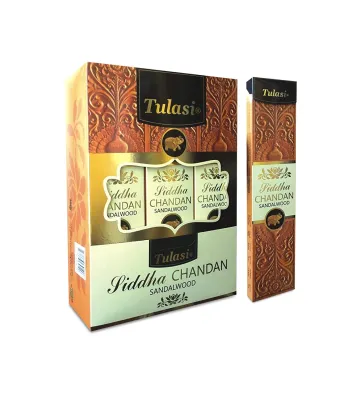
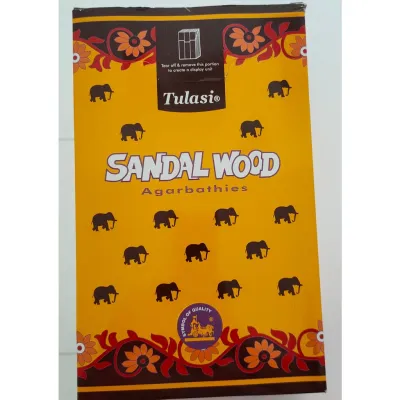
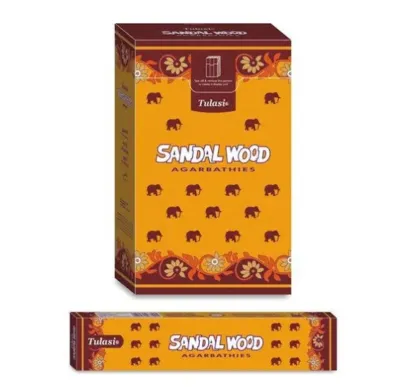
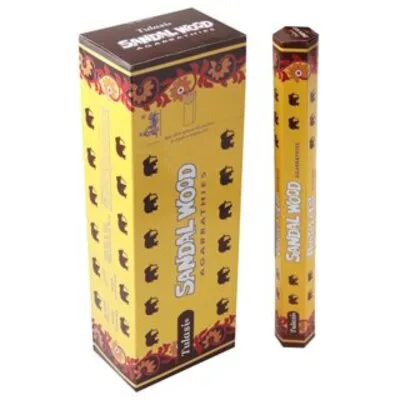
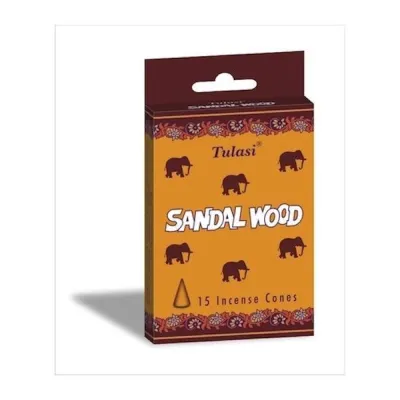
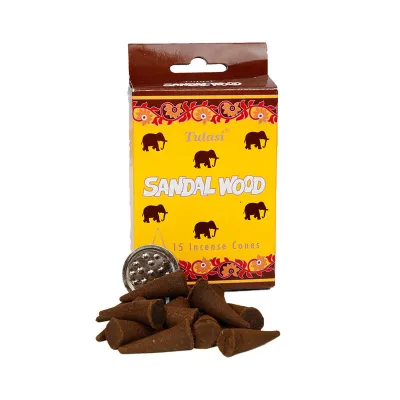
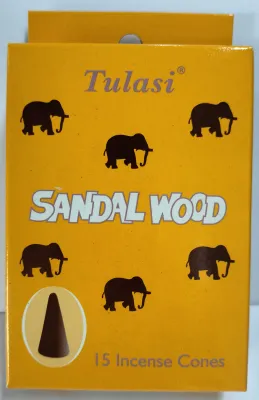
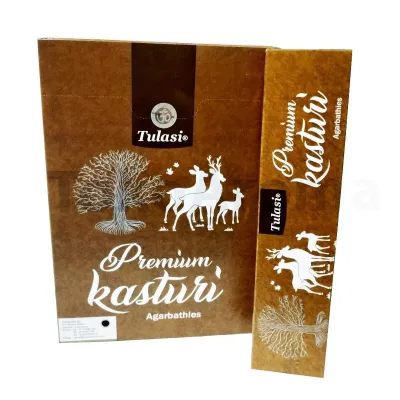
Prices are valid at publication and may change. Please refer to the product page for the latest price.
When evaluating ingredients, it is equally important to know what to avoid. Cheaply manufactured incense may contain chemical accelerants, such as potassium nitrate, which are added to ensure the stick burns continuously without self-extinguishing. However, these combustion agents release harsher smoke and unwanted chemical byproducts into your home. Artificial dyes, used to color the incense paste bright green or purple, are another common additive to avoid. When burned, these synthetic colorants can release fine particulate matter that acts as a respiratory irritant, making natural, uncolored brown or black sticks a much safer choice for indoor use.
Key Factors for Evaluating Tulasi Incense Brands
When comparing different incense brands available in Singapore, the scent profile is your primary indicator of quality. A genuine tulasi incense should present a balanced aroma featuring warm, peppery top notes, a clean herbal middle note, and a soft, woody base. It should not smell overly sweet, soapy, or metallic. The longevity of the fragrance is also a key differentiator; a high-quality natural blend will leave a gentle, lingering aroma in the room for several hours after the stick has finished burning, whereas synthetic fragrances tend to dissipate quickly or leave behind a stale, smoky odor.

Burn characteristics offer further clues about a brand’s manufacturing standards. A well-made incense stick should burn at a slow, steady pace, typically lasting between 30 and 45 minutes depending on its thickness. The smoke emitted should be thin, light grey, or white, and should rise in a gentle, consistent stream. Thick, dark smoke is a clear sign of excess synthetic oils or poor-quality binders. Additionally, pay attention to the ash left behind. High-quality incense produces a cohesive, grey ash that holds its shape on the burner rather than crumbling into a fine, powdery dust that easily scatters with the slightest draft.
Given Singapore’s tropical climate, packaging quality is a crucial factor that is often overlooked. High relative humidity can quickly degrade incense, causing the sticks to absorb moisture, which makes them difficult to light and leads to an uneven burn. Furthermore, exposure to air can cause volatile essential oils to evaporate, robbing the incense of its aroma before you even light it. Look for brands that package their products in sealed inner sleeves, foil wraps, or airtight boxes. This protective packaging ensures the incense remains dry, fresh, and aromatic from the factory to your home.
Where to Source Reliable Tulasi Incense in Singapore
For those looking to purchase authentic tulasi incense in Singapore, specialized spiritual, religious, and Indian grocery stores offer an excellent starting point. Neighborhoods such as Little India, particularly along Serangoon Road and Campbell Lane, host numerous traditional retailers stocking a wide variety of imported incense. These shops often source directly from established manufacturers in India, where tulasi incense is deeply integrated into daily rituals. Shopping at these physical stores allows you to inspect the packaging firsthand, check for freshness, and sometimes even sample the unlit scent before making a purchase.
If you prefer premium, organic, or low-smoke varieties, aromatherapy and wellness boutiques are excellent alternatives. Located in central shopping districts and lifestyle hubs across Singapore, these boutiques curate high-end home fragrance products that prioritize natural ingredients and clean-burning formulations. While these premium options may carry a higher price tag—often ranging from S$10 to S$20 per pack—they are ideal for individuals who are sensitive to smoke or who want a highly refined aromatic experience for meditation and relaxation.
For convenience and a broader selection, reputable e-commerce platforms and official brand storefronts are highly viable options. When shopping online, it is best to buy from local distributors or official flagship stores to ensure product authenticity and minimize shipping times. Online shopping allows you to easily compare ingredient lists, read verified customer reviews, and check for batch transparency. To ensure you receive a fresh product, look for sellers who store their inventory in climate-controlled warehouses, as prolonged exposure to Singapore’s heat and humidity in standard storage facilities can degrade the quality of the incense.
Verifying Product Authenticity and Safety Standards
Before purchasing any tulasi incense, taking a few moments to verify the product’s authenticity and safety standards can protect your health and ensure a better aromatic experience. Start by carefully reading the product label. Reputable manufacturers practice ingredient transparency, clearly listing the natural herbs, essential oils, and binders used in their products. The label should also display the manufacturer’s name, contact details, and the country of origin. A complete lack of ingredient information or manufacturer details is a major red flag that often points to low-quality, mass-produced synthetic items.
While there is no single global safety certification specifically for incense, some premium brands voluntarily seek compliance with international standards. Look for indications that the fragrance components comply with the guidelines set by the International Fragrance Association (IFRA), which restricts the use of known allergens and toxins. Some organic brands may also carry certifications from recognized agricultural bodies, verifying that the raw tulasi leaves and herbs used were grown without harmful pesticides or chemical fertilizers. These certifications provide peace of mind regarding the safety of the air you breathe indoors.
Finally, learn to spot common red flags that indicate inferior quality. An exceptionally low price—such as large bulk packs sold for only a dollar or two—is a strong indicator that the product relies on cheap synthetic chemicals and industrial binders. When you open a package, an overwhelming, sharp chemical smell that immediately triggers a sneeze or a headache is another warning sign. Authentic natural incense should have a pleasant, mild scent even when unlit. Additionally, avoid purchasing packages that show signs of water damage, fading, or mold, as these conditions indicate poor storage and compromised product quality.
Best Practices for Burning and Storing Your Incense
To maximize your enjoyment of tulasi incense while maintaining a safe and comfortable home environment, proper usage and storage are essential. Always select a sturdy, heat-resistant burner made of ceramic, brass, stone, or heavy metal. The burner should be placed on a flat, stable surface, well away from flammable materials such as curtains, books, or wooden shelves. Ensure the burner is large enough to catch all falling ash, which prevents damage to your furniture and makes cleanup straightforward.
Proper ventilation is critical when burning any incense, especially in modern, relatively airtight Singapore apartments. Never burn incense in a completely sealed room. Instead, open a window or a door slightly to establish a gentle cross-breeze. This allows the smoke to disperse naturally, preventing the buildup of fine particulate matter while still allowing the pleasant tulasi aroma to fill the space. If you are using a ceiling fan or standing fan, position the burner away from the direct path of the airflow to prevent the stick from burning too quickly or unevenly.
To protect your incense collection from Singapore’s high humidity, store your sticks or cones in airtight containers. Glass jars with rubber seals, tin boxes, or heavy-duty zip-lock bags work exceptionally well. Keep these containers in a cool, dry place, away from direct sunlight and heat sources like kitchen stoves or sunny windowsills. Proper storage preserves the volatile essential oils, prevents the wood powder from dampening, and ensures your incense lights easily and burns beautifully every time.
Lastly, always prioritize safety during use. Never leave burning incense unattended, and make sure the ember is completely extinguished before discarding the ash or leaving the house. Keep lit incense out of the reach of children and pets, who may be curious or sensitive to the heat and smoke. If anyone in your household has asthma, allergies, or other respiratory sensitivities, use incense sparingly, opt for specialized low-smoke varieties, or consider alternative home fragrance methods such as essential oil diffusers.
Frequently Asked Questions (FAQ)
Can tulasi incense be used daily for meditation or prayer?
Yes, tulasi incense can be used daily for meditation, prayer, or relaxation, provided you select high-quality, natural variants and ensure proper ventilation. Natural incense made with pure plant extracts and wood powders releases fewer synthetic particulates, making it much more suitable for regular indoor use. However, it is always important to monitor your personal comfort and maintain good indoor air quality by keeping windows open to allow fresh air to circulate during and after burning.
How long does a standard stick of tulasi incense typically burn?
A standard incense stick, which usually measures between 20 and 23 centimeters in length, typically burns for approximately 30 to 45 minutes. The exact burn duration depends on several factors, including the thickness of the stick, the density of the wood powder paste, and whether it has a bamboo core. Environmental factors, such as drafts from fans or air conditioners, can also accelerate the burn rate. For precise burn times, always refer to the manufacturer’s specifications on the product packaging.
Is it safe to burn incense in air-conditioned rooms?
Burning incense in a completely closed, air-conditioned room is generally not recommended. Because air conditioners recirculate indoor air rather than introducing fresh outdoor air, burning incense in a sealed space leads to a rapid accumulation of smoke and fine particulates, which can irritate your eyes and respiratory tract. If you wish to enjoy tulasi incense in an air-conditioned room, it is best to burn the stick with a window slightly open, or burn it beforehand and thoroughly ventilate the room before turning on the air conditioning unit.

Community discussion
Share your experience or ask a question. Comments are reviewed before publication.