
Selecting a home perfume in Singapore requires balancing personal olfactory preferences with the unique environmental conditions of tropical living. With high humidity and widespread air conditioning, how a fragrance disperses and lingers changes dramatically compared to temperate climates. To find the right brand, you must evaluate the market across three primary segments: luxury designer houses, niche artisanal perfumeries, and accessible everyday brands. By focusing on fragrance concentration, format compatibility, and room-specific requirements, you can curate an inviting indoor atmosphere that aligns with your lifestyle and budget. This guide establishes a practical framework to help you navigate local retail options, verify product authenticity, and select high-quality formulations that elevate your living spaces.
Core Criteria for Evaluating Home Perfume Quality
To make an informed purchase, you must first understand how different fragrance formats perform. Room sprays offer an immediate, high-concentration burst of scent, making them ideal for rapid odor neutralization or instant ambiance creation. Reed diffusers, conversely, provide continuous, passive scent dispersion through capillary action, drawing liquid up porous reeds to evaporate slowly into the air. Linen mists feature lower fragrance concentrations and are specifically formulated to adhere to textiles without leaving oily residues. When evaluating these formats, look closely at the concentration of perfume oils, as higher concentrations generally translate to greater longevity and a more pronounced scent throw.
Ingredient transparency and safety are paramount when introducing any airborne substance into your home. High-quality brands typically disclose their base ingredients, often opting for cosmetic-grade alcohol, natural carrier oils, or water-based solutions. If you share your home with children or pets, you must exercise extra caution. Certain essential oils and synthetic fragrance compounds can be irritating or toxic to domestic animals, particularly cats and dogs, who have highly sensitive respiratory systems. Always check the packaging for safety certifications and allergen disclosures, and ensure the product complies with international fragrance safety standards.
Products mentioned in this guide
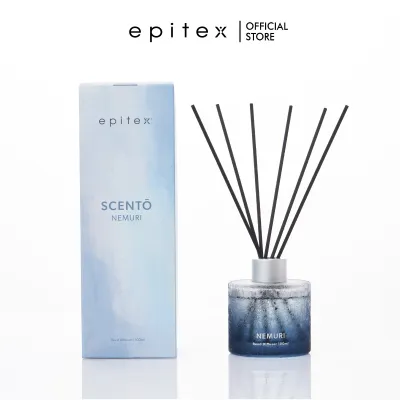
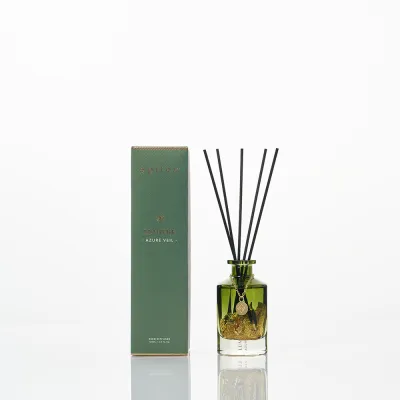
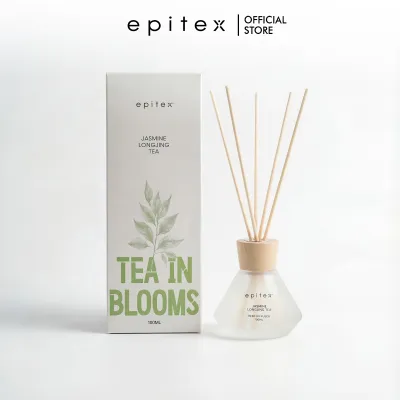
![Shangri-La/ Hilton/ Westin Hotel/ Lavender/ Jasmine/ Gardenia/ Encounter/ English Pear Freesia scent Premium Home Fragrance Aromatherapy Reed Diffuser (120ml/ 135ml/ 150ml) Essential Oil Scents [Re.D]](https://img.lazcdn.com/g/p/2b2fb13a6b9ca796b9298d08316ebba7.jpg_400x400q80.jpg_.webp)
![[KIRONA SCENT] Marina Bay Sands Inspired Fragrance Spray 100ml | Pillow Mist Room Linen & Fabric Spray | Luxurious Hotel & Mall Scents](https://img.lazcdn.com/g/p/df5a8809c5be2396ba95c51e99d7e178.jpg_400x400q80.jpg_.webp)
Prices are valid at publication and may change. Please refer to the product page for the latest price.
If you opt for electronic or ultrasonic diffusers, always verify the voltage compatibility, plug type, and local electrical safety certifications to ensure safe operation within your home’s electrical system. Never leave electronic diffusion devices running unattended in damp areas or near open water sources without verifying their specific IP moisture-resistance ratings.
Scent throw—the distance a fragrance travels and how effectively it fills a room—must be matched to your specific spatial layout. In Singapore, many homes feature open-plan living areas, high ceilings, or compact bedrooms, each requiring a different approach to scent dispersion. A heavy, woody reed diffuser that thrives in a cozy bedroom might become completely lost in a spacious, air-conditioned living room with high airflow. Conversely, an intense floral room spray can easily overwhelm a small study. Consider the natural ventilation patterns, fan usage, and air conditioning habits in each room to determine whether a passive diffuser or a targeted spray is more appropriate.
Finally, assess the long-term price-to-value ratio of the brand. While the initial cost of a premium home perfume can be significant, you should calculate the cost per milliliter and evaluate the availability of eco-friendly refills. Brands that offer refill bottles allow you to reuse high-quality glass vessels, reducing both environmental waste and subsequent purchase costs. A slightly more expensive, highly concentrated diffuser that lasts for several months often presents better value than a cheaper, highly diluted alternative that evaporates within a few weeks.
Exploring Home Perfume Brand Categories in Singapore
The home fragrance market in Singapore is diverse, catering to a wide range of aesthetic tastes and budgets. Brands generally fall into three distinct categories: luxury, niche, and accessible. Understanding these segments helps you set realistic expectations regarding packaging design, ingredient complexity, and overall performance. While luxury brands focus on prestige and intricate scent journeys, niche houses prioritize unique, artistic expressions, and accessible brands offer practical, straightforward solutions for daily use.

Luxury and Designer Fragrance Houses
Luxury and designer fragrance houses bring the prestige of haute couture and fine perfumery into the home. These brands are characterized by exquisite, heavy glass vessels, minimalist or ornate packaging, and complex, multi-layered scent profiles that evolve over time, much like a personal perfume. They often employ renowned master perfumers to craft signature home scents that feature distinct top, heart, and base notes.
These premium products are ideal for formal living areas, guest reception zones, and high-end gifting. They excel at creating a sophisticated, memorable ambiance that complements refined interior decor. When exploring this category, verify whether the brand designs dedicated home fragrance collections formulated specifically for spatial diffusion, rather than simply adapting personal perfumes into room sprays, as dedicated formulations ensure a more balanced and effective scent throw in open spaces.
Niche and Artisanal Perfumery Brands
Niche and artisanal perfumery brands appeal to individuals seeking distinct, unconventional aromas that stand out from mainstream trends. These specialized houses often focus exclusively on fragrance creation, utilizing rare, sustainably sourced ingredients and small-batch production methods. Their scent profiles tend to be highly evocative, capturing specific memories, places, or abstract concepts through unusual ingredient combinations, such as smoky tea, damp earth, or rare spices.
Artisanal home perfumes are perfectly suited for personal sanctuaries, such as private bedrooms, home libraries, or creative workspaces, where you can fully appreciate their subtle complexities. Because these brands often use high proportions of natural extracts, it is crucial to verify their ingredient sourcing transparency. Check the labels for potential allergen information and botanical origins, especially if you are prone to skin or respiratory sensitivities.
Accessible and Everyday Home Fragrances
Accessible and everyday home fragrance brands offer practical, budget-friendly solutions designed for frequent use and effortless replenishment. These products typically feature straightforward, easily recognizable scent profiles—such as clean linen, fresh lavender, or bright citrus—that appeal to a broad audience. They are widely available in local department stores, home decor shops, and supermarkets across Singapore.
These fragrances are excellent for high-traffic, functional areas of the home, such as bathrooms, entryways, and kitchens, where quick odor elimination and routine refreshing are needed. When selecting accessible room sprays or linen mists, verify their surface safety instructions. Check the alcohol and oil content to ensure they will not stain delicate fabrics or dry out upholstery over time, allowing you to use them liberally without damaging your home furnishings.
Where to Safely Purchase and Verify Authenticity
To ensure you are purchasing genuine, high-quality home perfumes, you should prioritize secure retail channels. Buying directly from official brand boutiques, authorized department store counters, or verified online flagship stores guarantees product authenticity and proper storage conditions. Fragrances are sensitive to heat and light; authorized retailers store these products in temperature-controlled environments, preserving the integrity of the delicate perfume oils.
Before purchasing from third-party sellers or independent boutiques, take a moment to cross-check the authorized retailer list on the brand’s official website. Many premium brands maintain updated directories of licensed distributors in Singapore. If a seller is not listed, proceed with caution, as the product’s origin and quality cannot be guaranteed.
When shopping on general e-commerce platforms or online marketplaces, look out for common red flags that indicate counterfeit or expired stock. Unusually low prices that seem too good to be true are a primary warning sign. Additionally, inspect product listings for missing batch codes, broken safety seals, altered packaging graphics, or poor print quality on the labels. Genuine home perfumes will always feature clean, precise packaging and clear batch information printed or stamped on the bottle or box.
Matching Scent Profiles to Your Rooms and Lifestyle
Creating a harmonious home environment involves matching specific scent families to the function and mood of each room. For instance, energizing citrus and herbaceous scents like rosemary or eucalyptus are highly effective in home offices and study areas, where they help promote focus and mental clarity. Calming florals, such as lavender and chamomile, or warm, grounding woody notes like sandalwood and cedar, are ideal for bedrooms and relaxation zones, helping you unwind after a long day.
Your household dynamics must also guide your fragrance choices. If you live with pets, young children, or individuals with asthma, allergies, or other respiratory conditions, opt for lighter, hypoallergenic formulations or fragrance-free alternatives in shared spaces. Ensure rooms are well-ventilated when using home perfumes, and avoid spraying highly concentrated formulas in confined areas where sensitive individuals or animals spend significant time.
To maintain a pleasant sensory experience, apply strategies to prevent olfactory fatigue—a natural phenomenon where your brain temporarily stops registering a familiar scent. You can avoid this by rotating your home fragrances seasonally or switching scent profiles between different rooms. Additionally, practice subtle fragrance layering by pairing a continuous, low-intensity reed diffuser with a complementary room spray, ensuring the scents harmonize rather than clash, creating a cohesive and inviting olfactory journey throughout your home.
Frequently Asked Questions (FAQ)
Can I spray home perfumes directly on fabrics and upholstery?
You should always check the product label for explicit fabric-safe indications before applying any home perfume to textiles. While some room sprays are formulated to double as linen mists, others contain high concentrations of essential oils or synthetic carriers that can leave permanent oily stains or discolor fabrics. Before spraying a new product onto visible areas of your furniture, perform a spot-test on a hidden section of the material, such as the underside of a cushion or an inner seam. This is especially critical for delicate or expensive textiles like silk, leather, velvet, or dark-colored upholstery. When spraying, maintain a distance of at least 30 centimeters from the fabric to ensure an even, fine mist distribution and prevent localized moisture buildup.
How long will a room spray scent realistically last?
The longevity of a room spray scent depends heavily on your indoor environment and spatial conditions. In Singapore, factors such as active air conditioning, open windows, ceiling fans, and high ambient humidity will accelerate the evaporation and dispersion of fragrance molecules, causing the scent to dissipate more quickly. Unlike reed diffusers or electronic diffusers that provide continuous, low-level scent release, room sprays are designed for immediate, high-impact dispersion that typically lasts from one to several hours. Additionally, keep in mind that olfactory fatigue can make a scent seem to disappear to your own senses while remaining fully noticeable to guests entering the room.
Community discussion
Share your experience or ask a question. Comments are reviewed before publication.