
Decorating a Singapore Board (HDB) flat for the festive season brings warmth and joy into compact urban spaces. Using fairy lights is one of the most versatile ways to introduce festive cheer without cluttering your floor plan. By choosing the right bulb types, planning your power sources, and using damage-free hanging methods, you can transform your living room, bedroom, or dining area into a cozy holiday retreat. This guide provides practical steps, safety checks, and creative placement ideas tailored specifically to the unique layouts and structural features of HDB apartments.
Planning Your HDB Christmas Lighting: Space, Power, and Safety
Decorating an HDB flat requires a thoughtful balance between festive ambition and the realities of compact vertical living. Typical HDB layouts feature structural concrete walls, lower ceiling heights, and multi-functional spaces where high-traffic zones must remain completely unobstructed. Before purchasing any christmas decorations, measure your target areas to ensure your light strings do not overwhelm the room or hang low enough to become physical hazards.
Power mapping is the next critical step. Identify the exact locations of your wall sockets in relation to where you want to place your lights. Avoid running extension cords across doorways or main walking paths, as these create immediate tripping hazards. If you must use extension cords, ensure they are rated for the correct load, lie flat against the baseboards, and are secured with cable protectors.
Products mentioned in this guide
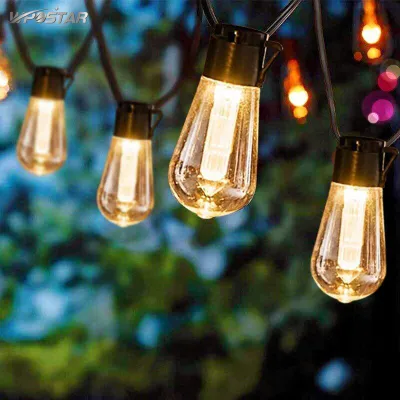
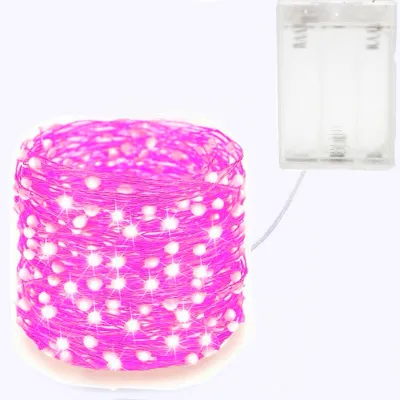
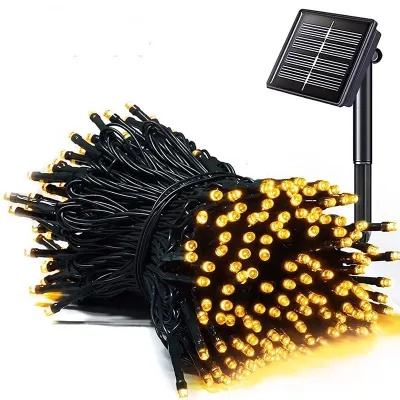
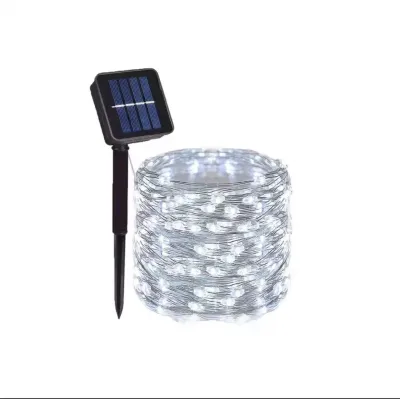
![[V.Home] *Any 2 off $2* LED Fariy String Lights USB w/Remote for Gift Party Wedding Christmas Festival Decoration](https://img.lazcdn.com/g/p/3642250970409f384190a5dde2dfc56b.jpg_400x400q80.jpg_.webp)
Prices are valid at publication and may change. Please refer to the product page for the latest price.
Electrical safety is paramount when working with festive lighting. Always check your existing light strings for frayed wires, exposed copper, cracked plastic casings, or loose bulb sockets before plugging them in. For plug-in models sold in Singapore, verify they carry the Enterprise Singapore (ESG) Safety Mark on the adapter or plug, which ensures the device has been tested to meet local safety standards. Never daisy-chain multiple high-wattage adapters into a single wall socket or extension strip, as overloading can trigger circuit breakers or cause electrical fires. Finally, keep all light sources away from highly flammable materials, including synthetic Christmas tree needles, paper ornaments, and light window curtains.
Choosing the Right Fairy Lights for Your Setup
Selecting the perfect set of fairy lights involves matching the technical specifications of the product to the exact environment where it will be installed. The right choice depends on the proximity of power outlets, how long you plan to keep the lights illuminated, and the physical surface you are decorating. Understanding these variables ensures your setup remains both beautiful and safe throughout the holiday season.

Power Sources: Battery, USB, or Plug-In
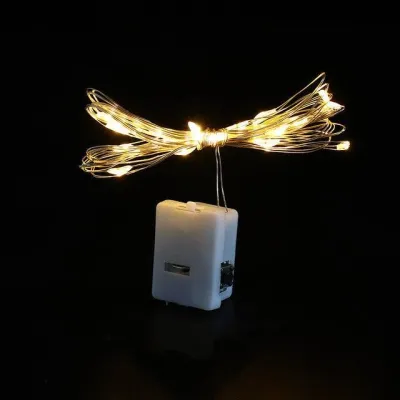
Battery-operated fairy lights offer flexibility for areas lacking nearby electrical outlets. They are ideal for dining table centerpieces, high floating shelves, or festive wreaths hung on your front door. When using battery packs, choose LED models which consume minimal power, and regularly inspect the battery compartment for signs of corrosion or leakage, especially in Singapore’s humid climate.
USB-powered lights bridge the gap between portability and continuous power. These strings can run off standard mobile power banks, USB wall chargers, or even the USB ports on your television or media console. They are highly efficient and suitable for medium-length displays like TV consoles or study desks, allowing you to avoid bulky wall adapters.
Plug-in fairy lights remain the standard for long-term, high-intensity decorative setups, such as wrapping a full-sized Christmas tree or running long strands along your living room ceiling. Because these plug directly into HDB wall sockets, they deliver consistent brightness without the worry of fading power. Always measure the distance from the start of the lit section to the plug to ensure you have enough unlit lead wire to reach the socket safely without stretching the cord taut.
Wire Materials: Copper vs. Cotton String
Copper wire fairy lights feature micro-LEDs mounted directly onto thin, flexible metal wires. This material is highly malleable, allowing you to bend, shape, and wrap the strings tightly around delicate objects. Because the copper wire is nearly invisible when illuminated, it is excellent for wrapping around indoor plants, weaving through glass jars, or detailing small holiday figurines.
Cotton string or PVC-coated wire lights offer a more substantial, traditional aesthetic. The thicker casing makes these strings highly durable and resistant to tangling or tearing. They are best suited for draping along curtain rods, framing window panels, or hanging along bed frames where the physical string itself acts as part of the visual decor.
Step-by-Step Fairy Light Placement Ideas for HDB Living Rooms
The living room is the heart of an HDB flat, serving as the primary gathering space for family and guests. Layering your christmas decorations with strategic lighting adds visual depth to the room, making the space feel larger and more inviting without sacrificing precious floor area.
The TV Console and Media Wall
Your television console is often the visual anchor of the living room. To decorate this area safely, weave a strand of copper wire or USB-powered fairy lights along the back edge of the console table, allowing the glow to wash upward against the wall. Alternatively, drape the lights neatly around the perimeter of the media cabinet.
Avoid placing bright, exposed bulbs directly behind or around the TV screen itself, as this creates high-contrast glare that can cause eye strain during evening viewing. Keep all wires neatly bundled behind the console using cable ties to prevent them from dangling near hot ventilation ports on your electronic devices.
Bookshelves and Display Cabinets
Turn your built-in bookshelves or display cabinets into festive showcases by integrating subtle accent lighting. Carefully run a string of micro-LED copper lights along the inner back corners of each shelf panel to illuminate your books and holiday ornaments from within.
You can wrap the lights gently around vertical supports or weave them through small decorative elements like pinecones, wooden stars, or miniature Christmas figurines. This layered lighting technique highlights individual decorative pieces while adding a soft, warm ambiance to the entire room.
Windows and Balcony Doors
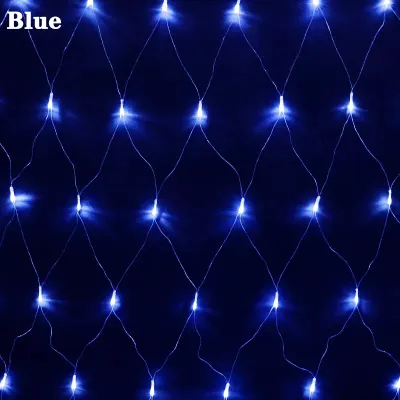
Framing your windows or balcony sliding doors with lights creates a stunning backdrop that is visible both inside your home and from the estate courtyard below. Use non-damaging suction cups with integrated hooks or a tension rod fitted inside the window frame to hang vertical curtain-style fairy lights.
Always install these lights on the indoor side of the glass. This protects the electrical connections and delicate wire insulation from Singapore’s frequent tropical downpours, high humidity, and intense afternoon sun, which can degrade outdoor-unrated plastics rapidly.
Cozy Fairy Light Decor for HDB Bedrooms and Dining Areas
Extending your festive decorations beyond the living room helps create a cohesive holiday atmosphere throughout your entire home. Private and functional spaces like bedrooms and dining areas benefit from softer, more localized lighting setups that promote relaxation and comfort.
Bedroom Headboards and Canopies
Your bedroom should remain a peaceful sanctuary, meaning any festive lighting should be soft, warm, and unobtrusive. Drape thick cotton string lights gently along the top of your wooden or upholstered headboard, or weave delicate copper wire lights through a sheer bed canopy.
Opting for warm white bulbs (around 2700K) is a common conditional preference to encourage a restful atmosphere before sleep. Ensure that all wires are securely fastened and positioned away from the mattress edge to eliminate any risk of tripping or entanglement during the night.
Dining Table Centerpieces
Elevate your festive family meals by designing a glowing tabletop centerpiece. Place a compact strand of battery-operated micro-LED lights inside glass cloches, mason jars, or a shallow wooden tray filled with artificial pine branches and ornaments.
Using battery-powered LEDs eliminates the need for unsightly cords trailing off the table edge, which are a major tripping hazard for young children or elderly family members. For safety, always pair these fairy lights with LED flameless candles rather than traditional wax candles to eliminate open flames and fire risks near your dining table decor.
HDB Corridor Christmas Decorations: Rules and Safe Setup
While decorating the common corridor outside your HDB flat can spread holiday cheer to your neighbors, it is crucial to adhere strictly to local housing regulations and fire safety standards. The Singapore Civil Defence Force (SCDF) enforces strict guidelines to ensure escape routes remain completely clear and safe during emergencies.
First, maintain a clear escape path. Common corridors must retain a minimum clearance width of 1.2 meters at all times. No decorations, potted plants, or shoe racks should obstruct this pathway or block access to fire hose reels, wet risers, or utility meters. Combustible materials, such as large synthetic trees or heavy paper decorations, must never be placed near exit doors or along staircase landings.
Second, address power safety. Under no circumstances should you run extension cords from inside your flat across the corridor floor to power outdoor decorations. This creates a severe tripping hazard for passing neighbors and can lead to electrical short circuits if the wire is pinched by your front door or exposed to corridor washing water. Tapping into public utility sockets in the common corridor is strictly prohibited and constitutes an offense.
For a safe, fully compliant corridor setup, rely entirely on self-contained, battery-operated decorations. Hang a festive Christmas wreath on your front door with integrated battery-powered LED fairy lights secured tightly to the frame. Alternatively, place a compact, wall-mounted decoration that lies flat against your door or wall surface without protruding into the shared walkway. Always check with your specific Town Council for any localized festive decoration guidelines or height restrictions before setting up your display.
Damage-Free Installation and Hanging Techniques
HDB walls are typically constructed of solid concrete or gypsum board finished with water-based paint, while window frames are made of powder-coated aluminum. Standard mounting methods like nails, staples, or heavy-duty industrial tapes can chip paint, leave permanent holes, or damage rubber window seals. To keep your home pristine, use temporary, damage-free hanging solutions.
The most effective method is using clear, removable adhesive hooks designed specifically for lightweight wire strings. To install these hooks securely, start by cleaning the target surface thoroughly with rubbing alcohol to remove any dust or oils; avoid using household liquid sprays, which can leave a slippery residue. Once the surface is dry, apply the adhesive strip to the hook, press it firmly against the wall for at least thirty seconds, and wait the manufacturer-recommended curing time (typically one hour) before hanging any weight.
When hanging your fairy lights, always leave a small amount of slack in the wire between each hook. Pulling the wire too taut puts continuous tension on the adhesive backing, which can cause the hook to release prematurely and peel away a patch of wall paint. When the holiday season ends, remove the hooks carefully by pulling the adhesive tab straight downward parallel to the wall, rather than pulling it outward at a ninety-degree angle.
Maintenance, Troubleshooting, and Post-Christmas Storage
Proper maintenance and storage ensure your fairy lights remain safe to use and last for many holiday seasons to come. Taking a few systematic steps during setup, teardown, and storage prevents damage to delicate components and saves you from frustrating tangles next year.
If a section of your lights fails to illuminate, start by checking the power source. For battery-operated models, test the unit with a fresh set of batteries and clean any dust from the metal contact terminals. For plug-in models, check that the adapter is fully seated in the wall socket. Inspect the entire length of the wire for visible cuts, pinches, or exposed copper.
If you discover any physical damage to the wire insulation or find exposed wiring, isolate the power immediately and discard the entire strand; never attempt to patch or repair household electrical wires with DIY tape. When taking down your decorations, avoid pulling or yanking the strings off their hooks, which can stretch the internal copper conductors and cause permanent connection failures.
Use the cardboard spool method to store your lights: wrap the light string neatly around a sturdy piece of cardboard with small notches cut into the ends to hold the plugs securely in place. Alternatively, wrap the strand loosely around a plastic cord reel. Store your spooled lights inside a rigid, airtight plastic container placed in a cool, dry closet. This protects the delicate LED diodes and wire insulation from Singapore’s high ambient humidity, dust, and physical crushing.
Frequently Asked Questions (FAQ)
Can I plug my Christmas fairy lights into the HDB corridor power socket?
No. The electrical sockets located in HDB common corridors are strictly reserved for town council maintenance, cleaning equipment, and emergency use. Utilizing these public utility outlets for personal festive decorations is unauthorized, poses electrical overloading risks, and can result in regulatory penalties. For any corridor decorations, always use self-contained, battery-operated LED lights.
How do I prevent fairy lights from tangling when storing them?
To prevent tangling, wrap your light strings systematically around a flat piece of heavy-duty cardboard or a dedicated plastic hose reel. Cut small notches into the edges of the cardboard to secure the plug and the end of the string. Once wrapped, secure the loose ends with a reusable twist tie or a small piece of painter’s tape, then store the bundle flat inside a rigid storage box.
Are battery-operated fairy lights safe to leave on overnight?
While high-quality LED battery-operated lights generate negligible heat and carry a very low risk of fire, it is best practice to turn them off before going to sleep or leaving your flat. Turning off your lights conserves battery life, extends the lifespan of the LEDs, and eliminates any residual electrical risks. Consider purchasing fairy lights with built-in automatic timers that turn off after six hours.
Community discussion
Share your experience or ask a question. Comments are reviewed before publication.