
Placing a Benjapakee Buddha statue in your home requires a thoughtful balance of Buddhist principles, spatial awareness, and respectful intent. As a highly revered set of five classic Buddha images, the Benjapakee represents a profound spiritual heritage. To position these sacred objects correctly, you must select an elevated, clean, and quiet location, orient the figures mindfully, and maintain the surrounding space with regular care. This guide outlines the essential steps to establish a harmonious and respectful home altar that honors these sacred objects.
By understanding the traditional guidelines for placement, you can create a serene focal point in your living space. Whether you live in a spacious house or a compact apartment, these principles will help you integrate your spiritual practice seamlessly into your daily environment.
Understanding the Significance of the Benjapakee Buddha
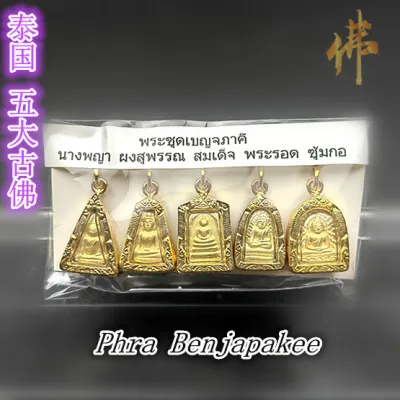
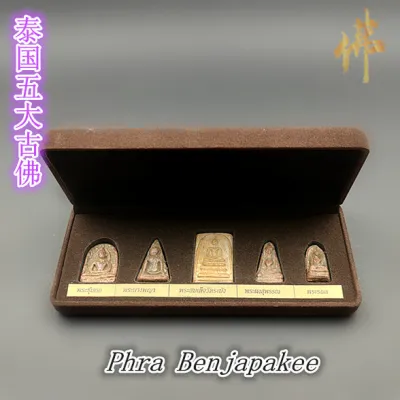
In Buddhist traditions, the Benjapakee refers to a prestigious set of five classic amulets or Buddha images, each representing distinct historical eras and spiritual virtues. The set traditionally includes Phra Somdej Wat Rakhang, Phra Rod, Phra Nang Phaya, Phra Phong Suphan, and Phra Sum Kor. Together, they symbolize a complete spectrum of blessings, protection, and mindfulness practices.
Products mentioned in this guide
Prices are valid at publication and may change. Please refer to the product page for the latest price.
When you bring a Benjapakee representation into your home, it is important to view the statue not merely as decorative art or a cultural collectible. Instead, the images serve as a physical reminder of the Buddha’s teachings, encouraging qualities like compassion, mindfulness, and ethical living. Treating the statue with active reverence helps cultivate a peaceful atmosphere throughout your entire household.
Establishing a dedicated space for these images creates a visual anchor for daily reflection. By prioritizing respect in how you display the set, you align your physical surroundings with the spiritual values the Benjapakee represents.
Choosing the Right Location and Elevation
Selecting the proper room is the first critical decision when placing your Benjapakee statue. Ideal locations include quiet, clean, and respectful areas of the home, such as a dedicated prayer room, a study, or a peaceful corner of the living room. These spaces naturally support quiet reflection and are free from the high-energy distractions of daily household chores.

Elevation is a foundational rule in Buddhist iconography. The Buddha statue must always be placed well above waist level, and ideally at eye level or higher when you are standing or seated in front of it. Elevating the statue physically reflects the high spiritual status of the Buddha and ensures that you look up toward the image in a posture of respect.
Conversely, there are several areas in the home where a Buddha statue should never be placed. Avoid bathrooms, kitchens, utility closets, or any space directly facing a bathroom door. These areas are associated with waste, intense heat, or mundane chores, making them unsuitable for sacred objects. Additionally, avoid placing the altar directly under an exposed staircase, as walking over the statue is considered highly disrespectful.
In modern apartments or homes with open-plan layouts, finding a completely isolated room can be challenging. In such cases, a high wall-mounted shelf or a dedicated cabinet in the living room works exceptionally well, provided it is positioned away from high-traffic pathways and television screens.
Preparing the Altar or Display Surface
Before placing your Benjapakee statue, you must prepare a clean, stable, and dedicated foundation. Begin by clearing the chosen surface of all secular clutter, unrelated electronics, keys, loose change, and everyday household items. The altar surface should be reserved exclusively for sacred objects to maintain its spiritual purity.
It is highly recommended to use a dedicated, clean cloth, runner, or decorative mat to separate the statue from the bare furniture. Traditional choices include simple red, yellow, or gold fabrics, which add a layer of protection and visual distinction to the display. Ensure this cloth is kept clean and is not used for any other household purposes.
Structural stability is another vital consideration for your altar setup. Ensure that the shelf, table, or cabinet is sturdy enough to support the weight of the statue and any accompanying offering vessels. A shaky or fragile surface poses a safety risk and increases the likelihood of accidental falls, which could damage the sacred images.
If you opt for a wall-mounted shelf, verify the wall type and use appropriate anchors to secure the bracket. For concrete or masonry walls, use masonry plugs, and for drywall, ensure you mount the brackets directly into the wall studs. Taking these practical steps ensures your altar remains a safe and permanent fixture in your home.
Step-by-Step Placement and Orientation
When you are ready to position your Benjapakee statue, begin by washing your hands to ensure physical cleanliness. Approach the task with a calm, mindful, and respectful attitude, handling the statue gently with both hands to support its weight securely.
In terms of orientation, the statue should ideally face toward the East or the North, as these directions are traditionally associated with spiritual enlightenment and positive energy in Buddhist practices. If your home’s layout makes this difficult, orienting the statue to face the main entrance of the room or a peaceful outdoor view is an excellent alternative. Avoid placing the statue so that it directly faces a blank wall, a dark corner, or a mirror.
Once the statue is positioned, you can arrange accompanying items symmetrically around it. Traditional offerings include a clean water bowl, fresh flowers, and incense holders. Place these items neatly in front of or slightly below the level of the Benjapakee statue, ensuring they do not obstruct the view of the sacred image.
If you choose to integrate lighting into your altar setup, safety must be your top priority. When using electric altar lights, low-wattage LED candles, or spotlights, verify that the devices carry valid electrical certifications, such as the local safety mark, and match your home’s voltage requirements. Ensure all wiring is neatly organized, kept away from high-traffic paths, and isolated from any water vessels on the altar. If your setup requires fixed electrical wiring or complex overhead lighting installations, always hire a qualified professional to handle the work safely. The choice of light color temperature, whether a warm golden glow or a soft white light, is a personal preference that can be tailored to enhance the serene ambiance of your space.
Daily Maintenance and Respectful Practices
Maintaining the sanctity of your Benjapakee altar requires consistent, respectful habits. Dust the statue and the altar surface regularly using a dedicated, soft microfiber cloth. This cloth must be kept separate from your general household cleaning supplies and used exclusively for the altar to prevent cross-contamination with secular dirt.
If you choose to present daily offerings, establish a simple routine to keep the space fresh. Change the water in the offering bowls every morning, and dispose of the old water respectfully, such as by pouring it onto household plants. Remove wilted flowers or dry leaves promptly, as decaying organic matter detracts from the clean, vibrant energy of the altar.
Beyond physical cleanliness, maintaining behavioral boundaries around the altar is equally important. Avoid engaging in loud arguments, using harsh language, or participating in inappropriate activities directly in front of the display. Treating the space as a sanctuary of peace helps reinforce the spiritual purpose of the Benjapakee in your daily life.
Common Placement Mistakes to Avoid
One of the most common mistakes is placing a Buddha statue directly on the floor, on low coffee tables, or inside low-level cabinets. This lack of elevation is considered disrespectful because it places the sacred image below the level of human movement and everyday activity. Always utilize shelves or stands to elevate the display.
Another critical cultural boundary involves the positioning of your body relative to the statue. In Buddhist culture, the soles of the feet are considered the lowest and least clean part of the body. You must never point the soles of your feet directly toward the Benjapakee statue when sitting, relaxing, or sleeping nearby. If your altar is in a room where you sit on the floor, practice tucking your legs to the side or sitting cross-legged to avoid pointing your feet at the image.
Finally, avoid storing the Benjapakee statue in a drawer, closet, or mixing it on a shelf with secular collectibles, toys, or unrelated decorative figurines. Treating the statue as a common ornament dilutes its spiritual significance. If space is limited, keep the display minimalist, focusing entirely on the sacred image without surrounding it with distracting household items.
Frequently Asked Questions (FAQ)
Can I place the Benjapakee statue in my bedroom?
While a dedicated public space like a living room is preferred, you can place a Benjapakee statue in your bedroom if you have limited space, such as in a studio apartment. To maintain proper respect, use a physical divider, a folding screen, or a curtain to separate the altar space from your sleeping area. Additionally, position the altar so that the soles of your feet do not point toward the statue while you are resting in bed.
What should I do if I need to move or store the statue temporarily?
If you need to move the statue for home renovations, cleaning, or relocation, handle it with clean hands and a respectful mindset. Wrap the Benjapakee statue carefully in a clean, unused cloth or soft paper to protect it from dust and physical damage. Store it temporarily in a high, clean, and secure location, ensuring that no other household items, boxes, or heavy objects are placed on top of it.
Do I need to perform a specific blessing ceremony before placement?
While traditional monastic blessings are highly respected and common in many Buddhist communities, they are not a strict requirement for home placement. The foundational requirements for establishing a home altar are your personal reverence, physical cleanliness, and a sincere, mindful mindset. Setting up the space with care and maintaining it with daily respect is the most meaningful way to honor the Benjapakee.

Community discussion
Share your experience or ask a question. Comments are reviewed before publication.