
Selecting the perfect frame for an A4 print involves more than matching dimensions. The frame acts as a visual bridge between the artwork and your living space, influencing how the colors, textures, and subject matter are perceived. A well-chosen frame style can elevate a simple paper print into a striking gallery-worthy display, while a mismatched frame can distract from the art or clash with your interior decor.
To find the ideal match, you must evaluate the visual weight of your artwork, the physical characteristics of the print medium, and the design theme of your room. Whether you are displaying a delicate botanical illustration, a bold graphic poster, or a minimalist line drawing, understanding how different frame profiles, materials, and colors interact with your art is key to creating a cohesive and visually pleasing wall display.
Defining Your A4 Display Requirements
Before exploring various aesthetic styles, establish the physical parameters of your framing project. Standard A4 paper measures exactly 210 millimeters by 297 millimeters. While you can place an A4 print directly into a matching A4-sized frame, this “full-bleed” presentation is only one of several options available.
Products mentioned in this guide

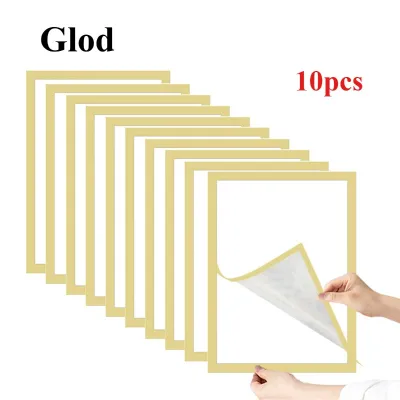
![[SG Seller]Office Adhesive Wall Frame A3 A4 A5 Magnetic Display Frame Display Board Wall Stick Certificate](https://img.lazcdn.com/g/p/8cff35bdb715a0af35c6f368ed850b70.jpg_400x400q80.jpg_.webp)
Prices are valid at publication and may change. Please refer to the product page for the latest price.
Introducing a mat, also known as a passe-partout, significantly alters both the visual impact and the physical size of your display. A mat is a decorative cardboard border that surrounds the artwork inside the frame. If you decide to use a mat with an A4 print, the outer frame must be larger than A4 size. For example, a common configuration is to place an A4 print inside an A3 frame (297 millimeters by 420 millimeters) featuring a custom-cut mat with an A4 opening. This border creates breathing room around the art, drawing the eye inward and giving the piece a more professional, curated appearance.
The orientation of your print—whether portrait or landscape—also dictates how you plan your wall space. Portrait orientation draws the eye upward, making it ideal for narrow wall sections, columns, or vertical groupings. Landscape orientation expands horizontally, which works well above low furniture pieces like sideboards, consoles, or beds. Before purchasing a frame, measure your available wall area carefully, keeping in mind that adding a mat will increase the overall footprint of the display on your wall.
Additionally, the specific medium of your print influences your framing choices. Fine art prints on textured cotton rag paper, glossy photographs, and canvas sheets all behave differently under glass. Heavyweight, textured papers often look best with a mat to prevent the delicate surface from pressing directly against the glazing. Glossy photos are highly susceptible to sticking to glass in humid environments, which can cause permanent damage. Identifying these material characteristics early ensures you select a frame assembly that protects your artwork for the long term.
Matching A4 Frame Styles to Wall Art Aesthetics
Frame styling is a highly conditional process that depends on the visual weight of the artwork and the existing interior design theme of your home. The frame should never compete with the art; instead, it should serve as a supportive boundary that enhances the print’s inherent qualities.

When selecting a frame, consider the contrast between the frame color and the dominant tones in the artwork. A high-contrast pairing, such as a dark frame around a light print, creates a bold, dramatic boundary that commands attention. Conversely, a low-contrast pairing, like a light wood frame around a pastel watercolor, offers a soft, harmonious transition that blends seamlessly into the wall. The thickness of the frame profile also plays a crucial role, with thin profiles offering a modern, understated look, and wider profiles providing a sense of importance and traditional structure.
Minimalist and Modern Art
Minimalist and modern artworks, such as abstract line drawings, geometric prints, and contemporary black-and-white photography, thrive on simplicity. These pieces rely on clean lines and negative space, meaning the frame must not introduce unnecessary visual clutter.
For these aesthetics, thin metal frames or sleek, matte-finished wood profiles in black or white are exceptional choices. An ultra-thin profile, often measuring less than 10 millimeters in width, provides a crisp, defined edge without distracting from the artwork’s subtle details. Matte finishes are preferred over glossy ones, as they absorb light rather than reflecting it, keeping the focus entirely on the print.
Another popular option for modern spaces is the frameless or floating frame. Floating frames suspend the artwork between two sheets of glass or acrylic, leaving a clear border around the edges of the print. This technique creates a striking three-dimensional effect, making the artwork appear as if it is hovering on the wall. This style is particularly effective for prints with deckled or torn edges, as it highlights the unique texture of the paper.
Vintage and Classic Prints
Vintage and classic artworks, including botanical illustrations, historical maps, and classical portraits, carry a sense of history and warmth. These prints benefit from frames that reflect their traditional heritage and add a touch of elegance to the presentation.
Ornate wood frames with detailed carvings, distressed finishes, or metallic gold and silver leaf profiles are ideal for classic aesthetics. These frames have a heavier visual weight that anchors the artwork, making it feel like a treasured heirloom. A distressed or antiqued finish can complement the aged paper tones of vintage prints, ensuring the frame does not look jarringly new against an older aesthetic.
To achieve a museum-like presentation, pair these classic prints with wide, cream-colored or off-white mats. A textured mat, such as one with a linen or cotton surface, adds depth and sophistication. The wider border provides a formal transition from the detailed artwork to the surrounding wall, allowing the intricate details of botanical drawings or vintage maps to be fully appreciated without feeling cramped.
Scandinavian and Natural Themes
Scandinavian and natural design themes emphasize light, airiness, and a close connection to nature. If your wall art features watercolor landscapes, botanical photography, or prints in muted, earthy tones, your framing choices should reflect this organic simplicity.
Light oak, ash, or bamboo frames with visible wood grains are the perfect accompaniment for natural themes. These materials bring warmth and texture to a room without feeling heavy or imposing. Unadorned, flat profiles with a medium width allow the natural beauty of the wood grain to stand out, creating a harmonious connection with the organic subject matter of the art.
When framing natural themes, pairing the wood tones with clear matte glazing can significantly enhance the viewing experience. Matte glazing reduces reflections and glare, which is especially beneficial in bright, sunlit rooms common in modern apartments. This setup allows the soft colors of watercolor landscapes and nature photography to remain visible from any angle in the room, maintaining the calm, serene atmosphere of the space, even in bright, sunlit Singapore apartments.
Eclectic and Industrial Spaces
Eclectic and industrial interiors are characterized by a mix of textures, raw materials, and bold design choices. If your art collection includes urban photography, vibrant pop art, or bold graphic prints, you have the freedom to experiment with more unconventional framing styles.
Reclaimed wood, dark walnut, or brushed metal frames with textured finishes fit perfectly into these dynamic environments. A frame made from weathered wood adds a rustic, tactile element that complements industrial brick or concrete walls. On the other hand, a brushed steel or dark gunmetal frame provides a sleek, urban edge that enhances the gritty feel of street photography or graphic posters.
For an eclectic gallery wall, consider mixing different frame styles, colors, and profiles. You can combine a thin black metal frame with a chunky natural wood frame and a vintage gold frame to create a curated, collected-over-time look. To keep the arrangement cohesive, maintain a consistent spacing between the frames and ensure that at least one element, such as the mat color or a shared accent tone in the artwork, ties the diverse pieces together.
Evaluating Materials and Glazing Options
Selecting the right physical components for your A4 frame is crucial for both aesthetic appeal and long-term preservation. The choice of frame material, glazing, and backing board directly impacts how well your artwork is protected from environmental damage, such as moisture, dust, and light exposure.
Solid wood, medium-density fibreboard (MDF), and metal are the three primary materials used in frame construction. Solid wood offers unmatched natural beauty and durability, but it can be heavier and more sensitive to extreme humidity fluctuations. MDF is a highly popular, lightweight, and cost-effective alternative that provides a perfectly uniform finish, though it can swell if exposed to high moisture levels. Metal frames, typically made of aluminum, are incredibly strong, lightweight, and completely resistant to humidity, making them an excellent choice for sleek, modern designs.
| Frame Material | Durability | Weight | Humidity Resistance | Best Suited For |
|---|---|---|---|---|
| Solid Wood | High | Medium to Heavy | Moderate | Classic, Scandinavian, and premium displays |
| MDF | Moderate | Light to Medium | Low | Budget-friendly, temporary, or dry indoor spaces |
| Metal (Aluminum) | High | Light | High | Modern, minimalist, and high-humidity areas |
Glazing options are equally important and should be chosen based on the lighting conditions of your room. Standard glass is highly scratch-resistant and offers excellent clarity, but it is heavy, fragile, and highly reflective. Anti-reflective glass is treated to minimize glare, making it ideal for walls opposite windows. For a lightweight and shatterproof alternative, UV-filtering acrylic is highly recommended. Acrylic is safer to hang in high-traffic areas or children’s rooms, and the UV-filtering properties prevent your prints from fading or yellowing when exposed to natural light.
Finally, always check the quality of the backing board and matting materials. Standard cardboard backings contain acids that can seep into your print over time, causing unsightly brown spots and deterioration. To safeguard your artwork, ensure that both the backing board and the mat are labeled as acid-free or archival-grade. This simple check ensures your A4 prints remain vibrant and undamaged for years to come.
Installation and Wall Placement Checks
Once you have selected and assembled your A4 frames, the final step is to hang them safely and arrange them for maximum visual impact. Proper installation requires understanding your wall type and selecting the appropriate hardware to support the weight of your frames.
In many modern residential buildings in Singapore, walls are constructed from solid concrete or brick, while internal partition walls are made of drywall. Hanging frames on concrete walls typically requires a masonry drill, wall plugs, and screws to ensure a secure hold. For drywall, you can often use standard picture hooks or toggle bolts, depending on the weight of the frame. Always verify that your frame is equipped with sturdy hanging hardware, such as sawtooth hangers, D-rings, or a secure hanging wire, before attempting to mount it.
When planning a gallery wall or a multi-frame arrangement, take the time to map out your layout before making any holes in the wall. You can cut out templates of your frames using newspaper or kraft paper and tape them to the wall using painter’s tape. This allows you to experiment with different arrangements and spacing. For a clean, balanced look, aim to maintain a consistent distance of 5 to 8 centimeters between each frame.
Environmental factors must also be considered when choosing where to hang your art. High-humidity areas, such as walls adjacent to bathrooms or kitchens, can trap moisture inside the frame, leading to mold growth on the print. Similarly, hanging art directly in the path of an air conditioner’s airflow can cause rapid temperature changes that warp the frame or backing. Avoid placing valuable prints in areas that receive direct, intense sunlight for extended periods, as even UV-filtering glazing cannot completely prevent fading over time.
Frequently Asked Questions (FAQ)
Can I frame an A4 print without using a mat?
Yes, you can frame an A4 print without a mat, which is commonly referred to as a full-bleed frame. This style works exceptionally well for modern graphic prints, bold posters, and minimalist designs where you want the artwork to fill the entire frame area. However, framing without a mat means the print will sit directly against the glass or acrylic glazing. In humid environments, this direct contact can cause the print to stick to the glazing over time, potentially ruining the artwork if you ever try to remove it from the frame. To prevent this without using a mat, you can install thin, invisible frame spacers along the inside edges of the frame to create a small pocket of air between the print and the glass.
How do I clean and maintain my framed wall art?
To keep your framed artwork looking its best, regular, gentle cleaning is essential. Use a clean, dry microfiber cloth or a soft feather duster to remove dust from the frame and glazing. If the glass requires a deeper clean, spray a small amount of ammonia-free glass cleaner onto a microfiber cloth first—never spray liquid directly onto the frame, as it can seep behind the glass and damage the print. For acrylic glazing, avoid standard glass cleaners entirely, as they can cause the plastic to become cloudy or scratched; instead, use a dedicated acrylic cleaner or a slightly damp cloth with mild soap. If you notice mold growth, severe warping, or damage to a valuable print, it is best to consult a professional conservator rather than attempting a deep restoration yourself.
What is the best way to hang A4 frames on a rented apartment wall?
Hanging art in a rental property requires solutions that minimize or eliminate damage to the walls. For lightweight A4 frames, especially those made of MDF or thin aluminum with acrylic glazing, high-quality adhesive strips or hooks are an excellent option. Before applying adhesive strips, clean the wall surface with rubbing alcohol to ensure a strong bond, and strictly follow the manufacturer’s weight limits. If your walls are made of concrete or rough plaster where adhesives do not stick well, or if you are hanging heavier solid wood frames with glass, using small picture nails or specialized hardwall hangers is often necessary. These create tiny, easily patchable holes that can be quickly filled with a small amount of wall putty when it is time to move out.

Community discussion
Share your experience or ask a question. Comments are reviewed before publication.