
Selecting the perfect oil painting for your home is more than an aesthetic afterthought; it is a deliberate design decision that anchors the entire room. The right artwork bridges the gap between your furniture, color palette, and architectural features, transforming a blank wall into a curated focal point. Whether you are drawn to the bold energy of abstract compositions, the serene depth of classic landscapes, or the structured lines of modern art, your choice should harmonize with the existing atmosphere of your living space. By evaluating how different artistic styles interact with light, scale, and texture, you can confidently select a piece that elevates your interior design.
Assessing Your Current Interior Design Aesthetic
Before purchasing an oil painting, take a step back to analyze the architectural bones and decorative style of your room. An artwork should either complement the existing design language or serve as a deliberate, high-contrast counterpoint. For instance, a home featuring clean lines, handleless cabinetry, and a neutral color scheme presents a very different canvas than a space filled with warm wood tones, ornate moldings, and vintage textiles.
Examine the dominant color palette of your room, noting the primary wall color, secondary furniture tones, and accent hues. An oil painting can either echo these colors to create a cohesive, calming environment or introduce a vibrant accent color that draws the eye. Additionally, consider the spatial proportions and natural light of the room. High ceilings and expansive walls can accommodate large, heavy-textured canvases, while compact urban apartments benefit from paintings that create an illusion of depth or openness.
Products mentioned in this guide
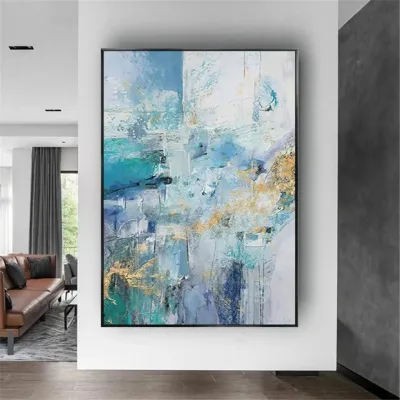
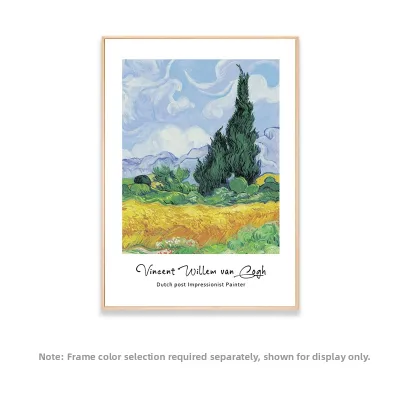
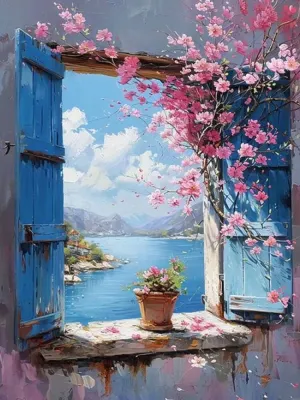
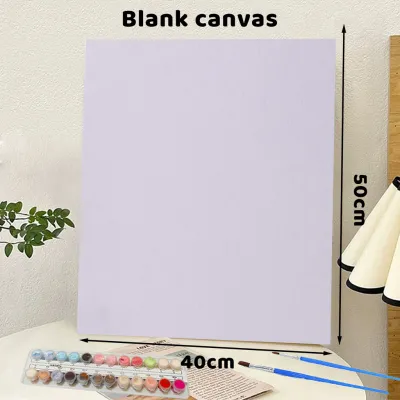
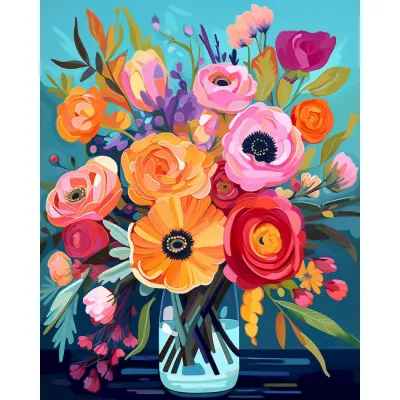


Prices are valid at publication and may change. Please refer to the product page for the latest price.
Matching Oil Painting Styles to Room Aesthetics
Different oil painting styles evoke distinct emotional responses and visual dynamics. Understanding how abstract, landscape, and modern styles interact with furniture and architectural elements allows you to match the artwork to the specific mood of each room.

Abstract Oil Paintings for Dynamic and Minimalist Spaces
Abstract oil paintings are defined by their freedom from representational forms, relying instead on color, shape, gesture, and texture to convey meaning. This makes them exceptionally well-suited for minimalist and highly contemporary spaces. In a room where the furniture is understated and the color palette is monochromatic, a large abstract canvas acts as a powerful visual anchor, injecting energy and personality without cluttering the physical environment.
The heavy impasto texture characteristic of many abstract oil paintings adds physical depth to flat, painted drywall. When pairing abstract art with minimalist furniture, balance is key. A bold, high-contrast painting with expressive brushstrokes pairs beautifully with low-profile sofas and clean-lined coffee tables. To maintain visual harmony, ensure that at least one or two minor accent colors within the painting match the subtle tones of your cushions, rugs, or decorative objects.
Landscape Oil Paintings for Traditional and Tranquil Settings
Landscape oil paintings have a timeless appeal, offering a window into the natural world. These pieces are ideal for traditional, rustic, or transitional interiors where comfort, warmth, and classic elegance are the primary design goals. Whether depicting a misty forest, a serene coastline, or rolling hills, landscape art introduces a sense of tranquility and organic beauty to spaces like dining rooms, studies, and cozy reading nooks.
In smaller rooms or apartments with limited window views, a landscape painting can perform a clever architectural trick. By establishing a clear horizon line and atmospheric perspective, the artwork creates an illusion of extended space, making the room feel larger and more open. To maximize this effect, pair landscape paintings with natural materials in the surrounding decor, such as solid wood tables, stone accents, and woven linen textiles, which echo the organic themes of the canvas.
Modern Oil Paintings for Contemporary and Eclectic Interiors
Modern oil paintings—encompassing geometric abstraction, pop art, and contemporary realism—are characterized by structured compositions, clean lines, and often a playful or intellectual approach to subject matter. These artworks are highly effective in contemporary and eclectic interiors, where diverse design eras and materials are intentionally mixed.
A modern painting can beautifully echo the architectural lines of a room, such as the geometric frame of a metal bookshelf, the clean edge of a concrete wall, or metallic accents on light fixtures. When styling modern art, consider how the painting interacts with industrial materials like glass, polished steel, and concrete. The rich, organic texture of the oil paint provides a sophisticated contrast to these smooth, cold surfaces, preventing the contemporary space from feeling sterile or uninviting.
Practical Considerations for Sizing, Placement, and Lighting
Even the most beautiful oil painting will lose its impact if it is the wrong size, hung incorrectly, or poorly lit. Achieving a gallery-like presentation requires careful attention to scale and physical placement.
When selecting a canvas size, use the adjacent furniture as your guide. A painting hung above a sofa, console table, or bed headboard should ideally measure between two-thirds and three-quarters of the furniture’s total width. A piece that is too small will look lost and disconnected, while an oversized canvas can overwhelm the furniture below it.
For hanging height, follow the standard gallery guideline: the center of the painting should sit at eye level, which is approximately 145 cm to 150 cm from the floor. If you are hanging the artwork above a piece of furniture, leave a gap of 15 cm to 20 cm between the bottom of the frame and the top of the furniture to allow the piece room to breathe.
Proper lighting is essential to bring out the rich textures and subtle color gradations of oil paint. While natural light is beautiful, avoid hanging valuable oil paintings in direct sunlight, as ultraviolet rays can cause the paint to fade and the canvas to degrade over time. Instead, utilize dedicated artificial lighting, such as adjustable track lighting or elegant picture lights. If you choose to install fixed-wired picture lights, ensure you isolate the power at the main distribution board before beginning work, follow all manufacturer instructions, and consult a qualified professional electrician. Verify that any lighting fixtures used comply with local electrical safety standards, match your home’s voltage requirements, and fit the physical dimensions of the frame.
Curating and Arranging Your Oil Painting Collection
How you arrange your artwork determines how movement flows through the room. You can choose to make a singular, dramatic statement or build a narrative through a collection of smaller pieces.
Using a single, large-scale oil painting as a primary room anchor is a classic approach that creates an immediate focal point. This method works exceptionally well in formal living rooms or at the end of a long hallway, where the eye naturally seeks a destination. A single statement piece simplifies the surrounding decor, allowing the artwork to speak for itself.
Alternatively, a gallery wall allows you to display multiple pieces of varying sizes. To maintain a cohesive look, establish a consistent spacing of 5 cm to 8 cm between frames. You can achieve visual balance by aligning the bottom edges of the frames along an imaginary horizontal line, or by grouping them around a central, dominant piece.
The frame you choose acts as the bridge between the artwork and your interior design. For modern and abstract paintings, a simple floater frame in black, white, or natural wood keeps the focus entirely on the canvas. Traditional landscapes, on the other hand, often benefit from classic, deeper frames that complement the depth of the painted scene.
Frequently Asked Questions (FAQ)
Can I mix different oil painting styles in the same room?
Yes, mixing different oil painting styles can create a rich, layered look if done intentionally. The key to success is finding a unifying element, such as a shared color palette or matching frame styles. For example, you can hang an abstract piece and a landscape painting in the same room if both feature similar earthy tones or are housed in identical minimalist black frames. Distribute the pieces across different walls to prevent visual clutter and give each style its own space to breathe.
How do I protect my oil painting from humidity and light damage?
Oil paintings are sensitive to environmental fluctuations, particularly in humid climates. Avoid hanging your artwork in high-humidity zones like bathrooms, kitchens, or directly beneath air conditioning units where condensation can form. To clean your painting, avoid using water, chemical solvents, or damp cloths, which can damage the paint layer. Instead, perform routine dusting using a soft, dry, natural-bristle brush or a clean microfiber cloth. If you notice signs of cracking, flaking paint, or mold growth, consult a professional art conservator immediately to prevent further deterioration.
Community discussion
Share your experience or ask a question. Comments are reviewed before publication.