
Selecting the ideal transparent photo frame for your wall display is not about finding a single, universally superior material. Instead, the right choice depends on matching the physical properties of the glazing to your specific space, the dimensions of your artwork, and the practical demands of your household. Both acrylic and glass offer distinct advantages, meaning the best option for a high-traffic hallway might differ completely from what is suitable for a quiet study.
To make an immediate decision, consider the scale of your project and the room’s environment. Acrylic is exceptionally lightweight and shatter-resistant, making it the highly practical choice for oversized formats, gallery walls, and active spaces where safety is a primary concern. Conversely, glass offers unmatched resistance to scratching and a traditional, premium feel, making it ideal for smaller, high-end displays in controlled, low-traffic areas of your home.
Before choosing, you must also consider your wall construction and local environmental factors. In Singapore, where homes often feature solid concrete walls or lightweight drywall partitions, the weight of your framing material directly dictates your mounting strategy. Balancing these physical characteristics with your visual expectations will ensure your wall display remains both beautiful and secure over the long term.
Products mentioned in this guide
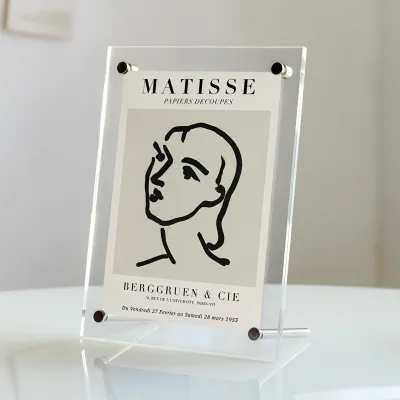
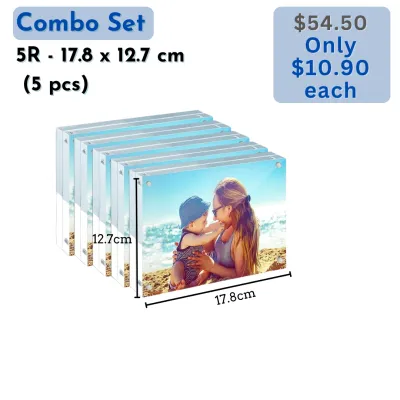
![[SG] Acrylic photo frame (10mm+10mm) transparent frame desktop magnetic frame display rack high-definition transparent material](https://img.lazcdn.com/g/p/e822942b3e70cea4a7b57b3899a40919.png_400x400q80.png_.webp)
![[SG Ready Stock]Magnetic Clear Acrylic Photo Frame thickened 4R/6R/8R thickness 10+10MM Picture Holder Decorations](https://img.lazcdn.com/g/p/acd94b59abb3a32644e8545cf1ead6b9.png_400x400q80.png_.webp)
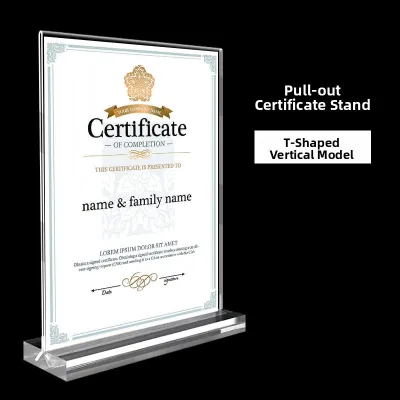


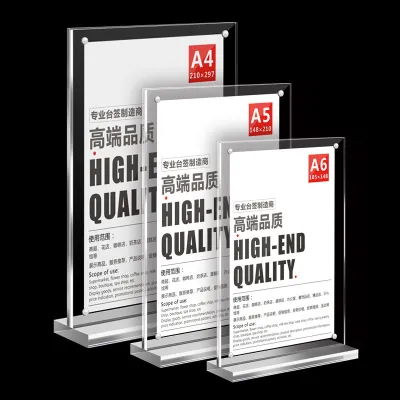
Prices are valid at publication and may change. Please refer to the product page for the latest price.
Visual Quality and Optical Clarity
When comparing the visual performance of acrylic and glass, optical clarity and light transmission are the primary factors to evaluate. High-quality, modern acrylic—often referred to as ‘museum-grade’ or ‘cast acrylic’—possesses exceptional optical purity. Premium acrylic can transmit up to 92% of visible light, which is slightly higher than standard window-grade glass. This high transmission rate ensures that the colors, textures, and fine details of your prints are rendered with absolute accuracy, free from any color distortion.
Standard picture framing glass, while highly transparent, contains trace amounts of iron that impart a subtle green tint. This green cast is particularly noticeable along the edges of the pane and can subtly alter the appearance of light-colored artwork, white mat boards, or high-contrast black-and-white prints. To eliminate this tint, you would need to opt for low-iron glass, which is chemically refined to provide neutral color transmission but comes at a significantly higher cost.
Surface durability also plays an indirect but crucial role in long-term optical clarity. Glass is highly resistant to the microscopic abrasions that can accumulate during routine dusting and cleaning. Acrylic, being a softer polymer, is highly susceptible to micro-scratches. Over time, these tiny surface scratches can scatter light, creating a faint, cloudy haze that dulls the appearance of the artwork underneath. This means that while acrylic starts with excellent clarity, maintaining that clarity requires strict adherence to specialized cleaning protocols.
Another optical factor to manage is static electricity, which behaves differently on each material. Acrylic is an electrical insulator and easily generates a static charge, especially in air-conditioned rooms or dry environments. This static charge acts as a powerful magnet for airborne dust, lint, and pet hair, which cling to the frame and can obscure the view of your art. Glass is static-neutral, meaning it does not actively attract dust, allowing your display to stay cleaner for longer periods between maintenance sessions.
Regardless of whether you choose acrylic or glass, the presence of reflections can severely compromise your viewing experience, particularly in rooms with large windows or bright overhead lighting. Standard versions of both materials act like mirrors under direct light. To resolve this, you must look for specialized non-glare or anti-reflective coatings. These treatments diffuse or cancel out light reflections, allowing you to view the artwork clearly from various angles in the room.
Crucially, neither standard glass nor standard acrylic provides complete protection against the damaging effects of ultraviolet (UV) radiation. Over time, exposure to natural light will cause colors to fade and paper to yellow and degrade. To safeguard valuable prints, limited-edition posters, or cherished family photographs, you must check the product specifications for dedicated UV-filtering properties. Many premium acrylic and glass frames are specifically engineered to block up to 99% of harmful UV rays, offering essential protection that far outweighs the natural properties of the base materials.
Weight, Durability, and Wall Mounting Practicality
The physical weight of your transparent photo frame is one of the most critical factors influencing installation safety and long-term durability. Acrylic has a density that is roughly half that of glass, making an acrylic pane significantly lighter than a glass pane of identical size and thickness. For small tabletop frames, this weight difference is negligible, but as frame dimensions scale up to medium and oversized formats, the weight of a glass display increases exponentially, placing substantial stress on the frame joints and the wall itself.

This weight disparity directly impacts your choice of hanging hardware and wall anchors. In Singaporean apartments, walls are typically constructed from either solid concrete or hollow drywall partitions. Mounting a heavy glass frame on drywall requires careful planning; you must locate the underlying timber or metal studs, or use heavy-duty toggle bolts to distribute the load safely. A lightweight acrylic frame of the same dimensions exerts far less pull on the wall, allowing for simpler mounting solutions and reducing the risk of structural failure or wall damage.
Impact resistance is another area where the two materials diverge completely. Acrylic is highly durable and virtually shatterproof under normal household conditions. If an acrylic frame is accidentally bumped during cleaning, knocked off its hook, or subjected to minor vibration, the glazing will remain intact, protecting both the artwork and anyone nearby. This makes acrylic the logical choice for high-traffic areas, narrow corridors, and homes with active children or pets.
Standard picture framing glass is fragile and brittle. A sharp impact or a fall from the wall will cause it to shatter into numerous sharp, hazardous shards. This not only presents an immediate safety risk to your household but can also cause catastrophic damage to the artwork, as falling glass shards can easily slice through paper, canvas, or photographic prints. While tempered or safety glass is available as an alternative, it adds significant weight and expense to the frame.
Surface hardness is the main trade-off when choosing the lighter, more durable acrylic. Glass has a high Mohs hardness rating, making it exceptionally resistant to scratching from everyday contact. You can wipe glass frames clean without worrying about minor dust particles scratching the surface. Acrylic, however, is easily scratched by rough fabrics, paper towels, or even the abrasive particles present in household dust if wiped dry. This means that while acrylic offers superior structural durability, it demands much gentler handling to preserve its pristine surface.
Before hanging any frame, it is vital to verify the weight limits of your chosen mounting hardware against the total weight of the assembled frame, glazing, mat board, and backing. Never estimate or guess the weight of a heavy glass frame. Using hardware that is underrated for the load can lead to gradual loosening of the fasteners, eventually causing the frame to fall. Always prioritize mechanical stability to ensure your wall art remains safely suspended for years to come.
Installation Safety and Wall Compatibility
Hanging a transparent photo frame safely requires a clear understanding of your wall type and the appropriate mechanical fasteners. For solid concrete, brick, or masonry walls, which are common in structural partitions, you must use a rotary hammer drill to create a precise hole, insert a matching plastic wall plug, and secure a robust screw. This method provides an incredibly strong anchor point capable of supporting heavy glass frames or large gallery arrangements without any risk of pulling loose.
Drywall partitions, often used to divide rooms or create feature walls in modern layouts, require a different approach. Because drywall lacks the structural density of concrete, standard nails or simple screws will quickly pull through the plaster under tension. For heavy glass frames, you must use specialized drywall anchors, such as threaded nylon anchors or steel toggle bolts, which expand behind the wall board to distribute the weight over a larger surface area. If the frame is exceptionally heavy, aligning the mounting brackets directly with the internal wall studs is the safest practice.
Acrylic frames offer much greater installation flexibility due to their lightweight nature. For small to medium displays, you can often use high-quality adhesive picture hanging strips or standard brass picture hooks, which minimize damage to the wall surface—a major benefit for renters. However, proper surface preparation is essential for adhesive products to bond correctly. You must clean the wall surface with isopropyl alcohol to remove any oils or dust, apply the strips according to the manufacturer’s instructions, and allow the adhesive to cure fully before mounting the frame.
Regardless of the material you choose, you must observe strict safety boundaries when positioning frames in your home. For any installation located directly above beds, sofas, dining tables, or in children’s play areas, you should strongly avoid standard glass glazing. The risk of injury from falling glass shards in these zones is simply too high. For these specific locations, always opt for shatter-resistant acrylic or safety-backed tempered glass to ensure that an accidental fall does not result in physical harm.
For complex installations—such as mounting oversized glass frames, creating extensive floor-to-ceiling gallery walls, or working with fragile masonry—it is highly recommended to consult a qualified professional handyman or installation service. A professional installer can accurately assess the load-bearing capacity of your walls, select the precise hardware required, and ensure the installation complies with safety standards. Taking these precautions protects your investment in your art and guarantees peace of mind.
Cleaning and Long-Term Maintenance
Maintaining the pristine appearance of your transparent photo frames requires material-specific cleaning techniques. Because acrylic and glass have completely different chemical and physical properties, using the wrong cleaning agent can cause permanent, irreversible damage to your frame’s glazing. Understanding these differences is key to preserving the clarity of your wall display over time.
For glass frames, cleaning is exceptionally straightforward. Glass is chemically inert and highly resistant to solvents, meaning you can safely use standard commercial glass cleaners, ammonia-based sprays, or isopropyl alcohol to remove fingerprints, grease, and smudges. You can wipe the surface using clean paper towels, lint-free cotton cloths, or microfiber towels. The hard surface of the glass easily withstands the mild friction of these materials without scratching, making routine maintenance quick and simple.
Acrylic requires a completely different, highly cautious approach. You must never use standard glass cleaners, ammonia-based products, alcohol, or solvents on acrylic. These chemicals will attack the polymer structure, causing a destructive process known as ‘crazing.’ Crazing manifests as thousands of microscopic cracks deep within the plastic, which permanently clouds the material and ruins its structural integrity. Once acrylic has crazed, it cannot be repaired and must be replaced.
To clean acrylic safely, follow these steps:
- Dust removal: Gently blow away loose dust from the surface, or use a clean, dry, high-quality microfiber cloth to lightly wipe the frame without applying pressure.
- Washing: Use a specialized plastic cleaner or a few drops of mild, non-abrasive dishwashing liquid mixed with warm water.
- Wiping: Dampen a clean microfiber cloth with the cleaning solution and wipe the surface in gentle, straight motions. Avoid circular scrubbing, which can trap abrasive dust particles and grind them into the plastic.
- Drying: Dry the surface with a separate, clean, dry microfiber cloth to prevent water spots. Never use paper towels, polyester cloths, or kitchen towels, as their fibers are abrasive enough to leave fine scratches.
To manage the persistent issue of static electricity on acrylic frames, consider using a dedicated anti-static plastic cleaner. Applying this specialized solution leaves a microscopic, conductive barrier on the surface that neutralizes static charges. This prevents the frame from acting as a dust magnet, keeping your display clean for much longer and reducing the frequency of cleaning sessions, which in turn minimizes the risk of accidental scratching.
Decision Framework: Choosing the Right Transparent Frame
To finalize your purchase and select the perfect transparent photo frame for your wall display, use this structured decision framework based on your specific display conditions, safety requirements, and maintenance preferences.
Choose Acrylic if:
- You are displaying large-scale art: For prints, posters, or photographs larger than 40×50 cm, acrylic significantly reduces the overall weight, making the frame easier to handle and safer to hang.
- Safety is your top priority: If you are mounting frames in children's bedrooms, playrooms, busy corridors, or directly above seating and sleeping areas, acrylic's shatter-resistant properties provide essential peace of mind.
- You are renting or prefer simple mounting: The lightweight nature of acrylic allows you to use less invasive hanging hardware, such as standard picture hooks or adhesive strips, preserving your walls.
- The frame will be shipped or moved frequently: Acrylic eliminates the risk of glazing breakage during transit, making it ideal for art that may be relocated.
Choose Glass if:
- You prioritize maximum scratch resistance: If you want a frame that can be wiped clean quickly with standard household glass cleaners without any risk of scratching, glass is the superior choice.
- You are displaying small to medium-sized pieces: For artwork under 40×50 cm, the weight of glass is easily manageable with standard wall anchors, allowing you to enjoy its classic, premium feel.
- The frame is in a controlled, low-traffic environment: In formal living rooms, studies, or dedicated galleries where the frame is unlikely to be bumped, glass offers a timeless, high-quality display.
- You want to avoid static dust attraction: Glass remains static-neutral, making it ideal for dusty environments or rooms with constant airflow from fans and air conditioners.
Verify first if:
- The glazing features UV protection: Ensure the product specifications explicitly state the level of UV filtration (ideally 99%) to protect your artwork from fading under natural light.
- The frame has anti-reflective properties: If your room has high ambient light or large windows, verify that the glazing has an anti-glare or non-reflective coating to prevent distracting reflections.
- Your wall and hardware can support the load: Calculate the total weight of your assembled frame and ensure your wall type (concrete or drywall) and chosen anchors are rated to support that weight safely.
Frequently Asked Questions (FAQ)
Do acrylic frames turn yellow over time?
High-quality, modern acrylic frames made from cast acrylic are highly UV-stable and will not yellow, cloud, or degrade even when exposed to natural light over decades. However, cheaper, low-grade extruded acrylics can break down under prolonged exposure to ultraviolet rays, gradually developing a noticeable yellow tint. When purchasing, always check the product specifications to ensure the acrylic is rated as UV-stable or museum-grade if it will be hung near windows or in brightly lit rooms.
Can I use adhesive strips for glass photo frames?
Adhesive strips are generally not recommended for glass photo frames due to the material’s substantial weight. While some heavy-duty adhesive products claim high weight capacities, the risk of adhesive failure on painted walls or under humid conditions is high, and a falling glass frame can cause serious injury and shatter completely. For safety and long-term stability, always use robust mechanical fasteners—such as screws and appropriate wall plugs—to secure glass frames to your walls. Always check the manufacturer’s weight rating on your hardware against the total weight of your assembled frame.
Community discussion
Share your experience or ask a question. Comments are reviewed before publication.