
Selecting the right baby blanket involves balancing comfort, safety, and ease of maintenance. When evaluating the popular Aden anais product lines, the choice primarily comes down to material composition. Each fabric—whether classic cotton, bamboo-derived viscose, or organic cotton—offers distinct performance characteristics under different environmental conditions. For parents navigating tropical climates or air-conditioned rooms, understanding how these textiles behave is essential for keeping a baby comfortable and safe.
Quick Answer: Matching Aden + Anais Materials to Your Needs
The ideal Aden anais blanket depends on your primary usage scenario, care preferences, and local environment. Classic muslin cotton serves as the most versatile, highly breathable choice for everyday swaddling and utility, offering exceptional durability through frequent machine washes. For those prioritizing ultimate softness and a silky, cool-to-the-touch feel, the bamboo-derived viscose lines provide superior drape and temperature regulation. Organic cotton is the preferred option for families seeking textiles sourced from organic farming practices or managing highly sensitive skin.
In tropical environments like Singapore, where families frequently transition between humid outdoor heat and heavily air-conditioned indoor spaces, thermal flexibility is key. Classic cotton excels at maintaining airflow in natural warmth, while the silky soft bamboo blends offer a cooling sensation that helps prevent overheating in humid conditions, yet provides a gentle shield against indoor drafts.
Products mentioned in this guide
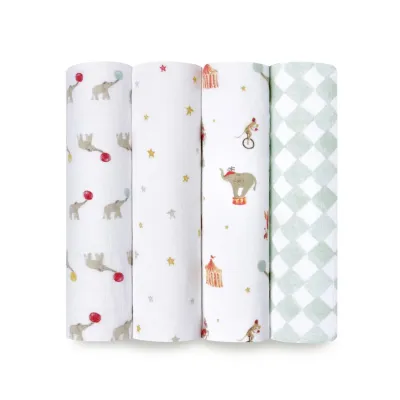
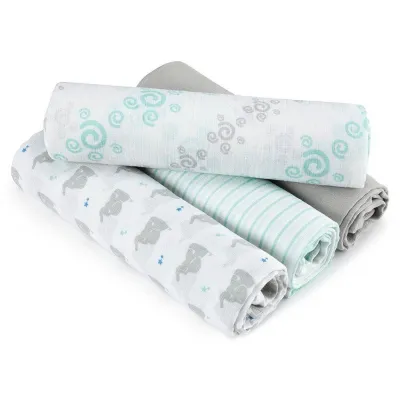
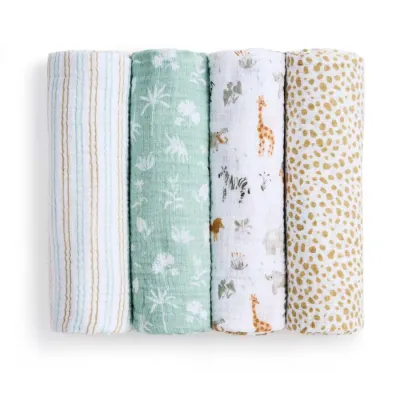
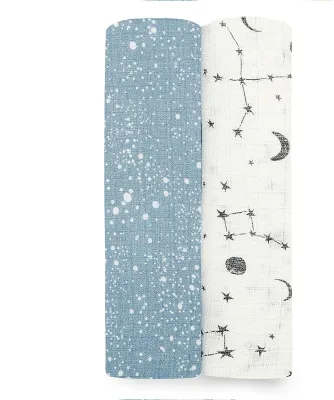
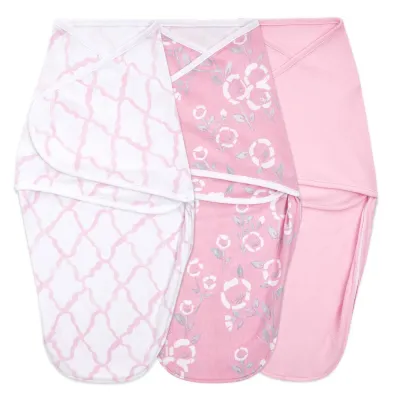
Prices are valid at publication and may change. Please refer to the product page for the latest price.
Understanding the Core Aden anais Material Lines
The brand’s reputation is built on its specialized fabric weaves, designed to offer comfort and safety for infants. To make an informed decision, it is important to understand the structural differences between these material lines and how they perform in daily use.

Classic Muslin Cotton
The classic Aden anais line is constructed from 100% cotton muslin, utilizing a plain weave with a light, open grid structure. This traditional textile is highly valued for its natural breathability and mechanical stretch. The loose twist of the cotton yarns allows air to circulate freely, significantly reducing the risk of overheating compared to tightly woven synthetic fabrics.
One of the most notable characteristics of classic cotton muslin is its physical transformation over time. While it may feel slightly structured or textured straight out of the packaging, the fibers relax and soften progressively with every laundry cycle. This durability makes it an excellent choice for high-wear applications, as the cotton fibers resist tearing and maintain their structural integrity even after dozens of washes. The open weave also ensures that if a blanket accidentally covers a baby’s face, air can still pass through more easily than through standard tightly woven sheets.
Bamboo Muslin and Silky Soft Blends
The “Silky Soft” collection features blankets made from viscose (or rayon) derived from bamboo. This fabric is engineered by processing bamboo cellulose into a regenerated fiber, resulting in an exceptionally smooth, round filament. The absence of microscopic spurs on the fiber surface gives this material its signature silk-like texture, which minimizes friction against delicate infant skin.
Bamboo-derived viscose possesses high moisture-wicking capabilities, absorbing moisture rapidly to keep the skin dry. It drapes elegantly, conforming gently to the baby’s body, making it highly popular for nursing covers and lightweight stroller blankets. However, this luxurious texture comes with a trade-off: the delicate regenerated fibers are more susceptible to friction damage, pilling, and structural wear if subjected to harsh washing cycles or high heat. When wet, viscose fibers lose a significant portion of their tensile strength, requiring more delicate handling during laundering.
Organic Cotton and Specialty Knits
For environmentally conscious households, the organic cotton line offers the same open-weave breathability as the classic muslin but utilizes cotton grown without synthetic pesticides or chemical fertilizers. This ensures a clean, natural material from the start, which is highly beneficial for newborns with compromised skin barriers or conditions like eczema. The manufacturing process of organic cotton also avoids harsh chemical finishes, preserving the natural softness of the cotton fibers while maintaining the same physical durability as the classic line.
In addition to standard single-layer and multi-layer muslin, the brand offers specialty knit blankets. These thicker variations utilize a different knitting technique rather than a loose plain weave, resulting in a denser, heavier fabric. These knits are specifically designed to provide enhanced thermal insulation, making them ideal for cooler climates or rooms where air conditioning is constantly running, ensuring the baby remains warm without relying on heavy, non-breathable synthetic duvets. The interlocking loops of a knit fabric also provide multi-directional stretch, offering a cozy, swaddling hug that feels more substantial than traditional woven muslin.
Comparing Performance: Breathability, Softness, and Durability
Evaluating these materials side-by-side reveals how they perform across key metrics that directly impact daily parenting routines.
| Material Line | Breathability | Softness (Initial vs. Over Time) | Warmth/Insulation | Best Primary Use |
|---|---|---|---|---|
| Classic Muslin Cotton | High | Moderate initially; becomes exceptionally soft over time | Low to Moderate (layered) | Everyday swaddling, stroller covers, high-use utility |
| Bamboo Muslin (Silky Soft) | Very High | Ultra-soft initially; maintains silkiness with gentle care | Low (cool-to-the-touch) | Hot weather draping, nursing covers, sensitive skin |
| Organic Cotton | High | Moderate initially; softens gradually with washing | Low to Moderate | Eco-conscious swaddling, sensitive skin care |
| Specialty Knits | Moderate | Very soft and plush initially; retains loft | Moderate to High | Air-conditioned rooms, tummy time, cooler weather |
Breathability and Airflow
In warm, humid climates, breathability is a critical safety and comfort factor. Babies cannot regulate their body temperature as efficiently as adults, and they do not sweat in the same way. High humidity can cause moisture to pool on the skin if the fabric isn’t breathable, leading to heat rash or discomfort. Classic cotton muslin and bamboo viscose both feature open weaves that allow heat to escape. However, bamboo viscose has a natural cool-to-the-touch sensation due to its high thermal conductivity, making it feel cooler initially. Classic cotton relies on its physical open weave to prevent heat trapping, ensuring stable airflow during sleep.
Softness and Skin Interaction
The tactile experience of these fabrics differs significantly. Bamboo-derived viscose is immediately plush and silky right out of the box, requiring no break-in period. This makes it highly appealing for immediate gifting. Classic and organic cotton muslin, by contrast, can feel somewhat stiff initially due to natural starches used during weaving to strengthen the warp yarns. These starches wash out quickly, and the cotton fibers bloom with each laundry cycle, achieving a cozy, textured softness that many parents prefer for secure swaddling.
Durability and Pilling Resistance
When subjected to the rigorous washing schedules typical of infant care, classic cotton is the clear winner. Cotton fibers are robust and tolerate agitation, warm water, and tumbling well. They actually become stronger when wet, allowing them to withstand vigorous washing and stain-treatment scrubbing. Bamboo viscose fibers are weaker when wet, meaning they are prone to pilling (the formation of small fiber balls on the surface) and stretching out of shape if washed with heavy items like zippers or velcro. Over time, frequent washing can cause bamboo blankets to lose their pristine drape if care instructions are not strictly followed.
Thermal Regulation in Transitionary Environments
For families in Singapore, a typical day involves moving between outdoor temperatures of 32°C and indoor air-conditioned spaces set to 22°C. Bamboo muslin is excellent for outdoor transit because it wicks moisture away and prevents sweat buildup. Once indoors, however, a multi-layer classic muslin or a specialty knit blanket is better suited to provide the necessary insulation to protect the baby from chilly drafts without causing overheating. The layered construction of multi-ply muslin blankets traps small pockets of air, creating a natural insulating barrier that buffers the baby’s body temperature against sudden environmental changes.
How to Choose: Decision Framework for Everyday Use
Selecting the right blanket requires matching the material’s physical properties to your specific lifestyle patterns, nursery setup, and daily routines.
Choose Classic Muslin Cotton if:
- You need an all-purpose, highly durable swaddle that can handle daily messes, spit-ups, and frequent trips through the washing machine without degrading.
- You prefer a fabric that gets softer with age and maintains its structural shape, making it easier to tuck tightly and securely during swaddling.
- You want a reliable, lightweight cover to shield your stroller from the sun while maintaining maximum airflow during outdoor walks.
- You are looking for a cost-effective, long-term investment that can transition from a swaddle to a security blanket or a general-use cleaning cloth.
Choose Bamboo Muslin if:
- Your baby has highly sensitive skin that reacts to textured fabrics, and you require the lowest possible friction to prevent irritation.
- You intend to use the blanket primarily as a lightweight nursing cover, drape, or receiving blanket where a luxurious, fluid feel is desired.
- You live in a consistently warm environment without heavy air conditioning and want a fabric that feels naturally cool and wicks sweat rapidly.
- You are purchasing a high-end gift and want the recipient to experience immediate, impressive softness right out of the box.
Choose Organic Cotton if:
- Your purchasing decisions prioritize certified organic farming practices, chemical-free processing, and agricultural sustainability.
- You want to minimize your child's exposure to textiles processed with conventional agricultural chemicals and synthetic dyes.
- You want the exact physical performance, durability, and easy maintenance of classic cotton but with organic sourcing.
Verify First if:
- You are selecting a blanket for unsupervised sleep. Always verify that the fabric weight, size, and stretch conform to current safe sleep guidelines. For newborns, a single-layer swaddle is recommended over thick, heavy knits to prevent accidental suffocation or overheating.
- You are using the blanket for tummy time. Ensure the fabric is thick enough to protect the baby from floor friction; a multi-layer muslin or specialty knit is far more appropriate for floor play than a single-layer silky soft swaddle. Always check the manufacturer's specific guidelines for intended use cases to ensure safety.
Material-Specific Care for Longevity and Softness
Proper maintenance preserves the delicate weave of these blankets, ensuring they remain safe, hygienic, and soft for years. Implementing material-specific care prevents premature wear and fiber degradation.
General Washing Rules
Always wash baby blankets using mild, fragrance-free, baby-safe detergents. Avoid fabric softeners and dryer sheets entirely; these products leave a chemical residue that coats the fibers, significantly reducing the fabric’s natural breathability and moisture-wicking capabilities. It is also highly recommended to wash blankets in a separate load or inside a mesh laundry bag to prevent snags from zippers, hooks, or velcro found on other baby garments. If a blanket becomes stained, treat it immediately with a gentle, enzyme-based spot cleaner before washing.
Caring for Classic and Organic Muslin Cotton
Classic cotton is highly resilient. It can be washed in warm water to ensure thorough sanitization and tumble-dried on a low or medium heat setting. The heat actually encourages the cotton fibers to contract and puck, which enhances the signature crinkled texture and softness of the muslin. Do not iron muslin blankets, as ironing flattens the natural puckering that contributes to the fabric’s loft and breathability.
Caring for Bamboo and Silky Soft Blends
Bamboo-derived viscose requires a gentle touch. Always wash these blankets in cold water on a gentle or delicate cycle. Avoid high-speed spinning, which can stretch and distort the wet fibers. Line drying is the best method to preserve fiber strength and prevent pilling. If you must use a dryer, select the lowest heat or air-fluff setting and remove the blanket promptly while it is still slightly damp to complete air-drying. Never use bleach or harsh stain removers on bamboo viscose, as these chemicals can break down the cellulose fibers rapidly.
Strict Safety Boundary
Because different product runs, prints, and dye processes can alter the structural requirements of the fabric, always check the specific product’s care label before the first wash. If the manufacturer’s care instructions conflict with general textile advice, always defer to the care label on the product to protect your warranty and ensure the blanket remains safe for use.
Frequently Asked Questions (FAQ)
Are Aden + Anais bamboo blankets actually made of bamboo?
Yes, but they are made from bamboo viscose, which is a regenerated cellulose fiber. The raw bamboo plant is chemically processed and dissolved into a synthetic-like pulp, which is then extruded into fine, smooth threads. This process creates a highly breathable, silk-like textile that retains excellent moisture-wicking properties, though it is classified as a semi-synthetic fiber due to the intensive manufacturing process.
Which Aden + Anais material is best for swaddling a newborn?
Classic muslin cotton is the highly recommended choice for swaddling newborns. Its open weave provides excellent airflow to prevent overheating, while the natural texture of cotton offers a secure grip that keeps the swaddle from slipping loose. When swaddling, always follow safe sleep guidelines: ensure the wrap is snug around the chest but loose enough around the hips to allow natural leg movement, and always place your baby on their back to sleep.
Do Aden + Anais blankets shrink after washing?
Natural fibers like cotton and bamboo are prone to minor shrinkage, particularly during their first exposure to water and heat. To minimize shrinkage and maintain the blanket’s original dimensions, wash in cool or warm water and avoid high-heat drying. Classic cotton muslin is designed to puck and shrink slightly to create its signature soft texture, whereas bamboo blends should be dried flat or on low heat to prevent excessive shrinkage.
Community discussion
Share your experience or ask a question. Comments are reviewed before publication.