
Choosing the right baby blanket involves navigating a sea of textile terms, and the popular brand aden + anais is often at the center of this decision. To make an informed choice, you must first understand that “muslin” is not a raw material or fiber. Instead, muslin refers to a specific weaving technique—a lightweight, plain weave that features an open, grid-like structure. This open weave allows air to flow freely through the fabric, which is why it has been trusted for generations to wrap and comfort infants.
Because muslin is a weave rather than a fiber, a muslin blanket can be woven from almost any raw material. The brand applies this traditional weave to several different fibers, including pure cotton, organic cotton, bamboo-derived viscose, and synthetic polyester. Each fiber fundamentally alters how the blanket feels, how it drapes, how much heat it retains, and how it must be laundered.
When shopping, looking for the word “muslin” on the packaging is only the first step. To understand how the blanket will perform in daily use, you must inspect the product label for the exact fiber composition. A 100% cotton muslin blanket performs very differently from a 100% bamboo viscose muslin blanket, even though they share the exact same weave pattern. Understanding these fiber-level differences ensures you select a blanket that matches your specific climate, lifestyle, and tactile preferences.
Products mentioned in this guide
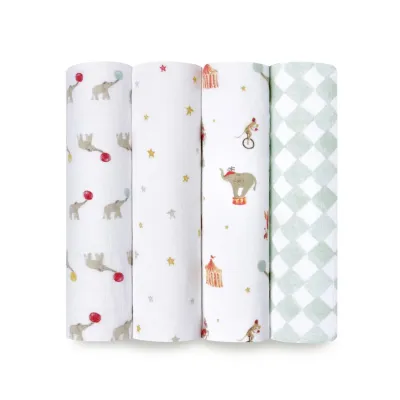
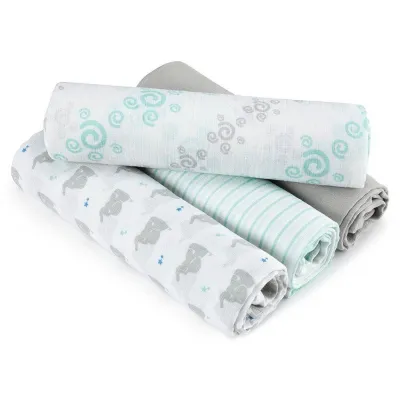
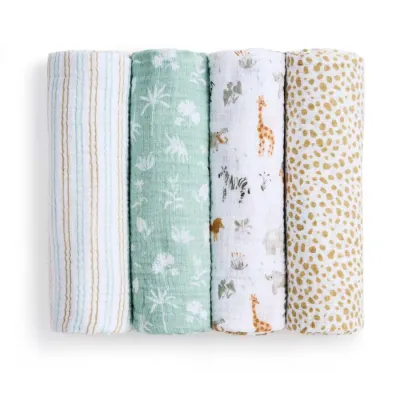
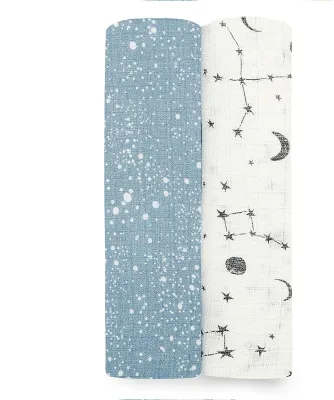
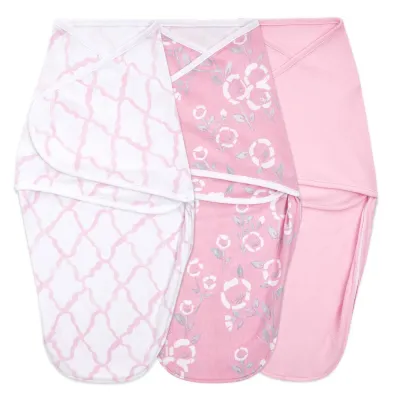
Prices are valid at publication and may change. Please refer to the product page for the latest price.
Cotton Muslin: The Breathable and Durable Classic
Cotton has long been the gold standard for baby textiles due to its balance of strength, breathability, and natural comfort. When woven into a muslin structure, cotton fibers create a fabric that is exceptionally reliable and highly functional for everyday parenting. The brand’s cotton muslin collections are designed to withstand the heavy wear and tear of daily life while maintaining a comfortable environment for your child.
100% Cotton Muslin
Standard 100% cotton muslin is the foundation of the brand’s product line. This fabric is characterized by its high breathability and structural durability. The natural cotton fibers have an inherent matte texture that provides a secure, non-slip grip, making it an excellent choice for secure swaddling. One of the most notable characteristics of pure cotton muslin is its ability to soften with every single wash; as the twisted cotton fibers relax over time, the blanket becomes gentler against the skin without losing its structural integrity.
In warm and humid climates like Singapore, where outdoor temperatures regularly exceed 30°C, 100% cotton muslin is an invaluable tool. Its open weave allows heat to escape easily, preventing heat rash and discomfort when used outdoors. Parents frequently use these lightweight blankets as breathable stroller covers to shield infants from the sun while maintaining maximum airflow, or as a light swaddle during daytime naps in naturally ventilated rooms.
Organic Cotton Muslin
Organic cotton muslin offers the same structural benefits as standard cotton but is distinguished by its agricultural origins. This cotton is grown without the use of synthetic pesticides, chemical fertilizers, or genetically modified seeds. The farming practices prioritize soil health and water conservation, making it a preferred choice for environmentally conscious buyers who want to minimize their ecological footprint.
In terms of physical feel, breathability, and weight, organic cotton muslin is virtually identical to standard cotton muslin. It offers the same reliable durability and becomes softer with laundering. However, because “organic” can sometimes be used as a vague marketing term, it is important to verify specific organic certifications, such as the Global Organic Textile Standard (GOTS), directly on the product tag. Checking these official certifications ensures that the fabric meets strict environmental and social criteria throughout the entire supply chain.
Bamboo Muslin: Silky Softness and Temperature Regulation
For parents seeking a more luxurious feel and enhanced thermal performance, bamboo-derived fabrics offer a distinct alternative to traditional cotton. These blankets are highly praised for their liquid-like drape and immediate softness, providing a completely different tactile experience from the very first touch.

Bamboo Viscose Muslin
The brand’s bamboo muslin is made from 100% viscose derived from bamboo. Through a chemical regeneration process, natural bamboo cellulose is converted into smooth, round fibers that are woven into the classic muslin pattern. This results in a fabric with a luxurious, silky drape and an incredibly soft hand-feel right out of the packaging. Unlike cotton, which requires several wash cycles to fully soften, bamboo viscose is exceptionally gentle from day one, making it ideal for newborns with highly sensitive skin or those prone to eczema.
Beyond its physical softness, bamboo viscose excels at temperature regulation and moisture management. The fibers naturally wick moisture away from the body and have a cool-to-the-touch sensation. This makes bamboo viscose blankets highly suitable for heavily air-conditioned nurseries or when transitioning between the humid outdoors and air-conditioned shopping malls in Singapore. The fabric helps keep the child comfortable by preventing cold drafts from chilling damp skin.
Bamboo Cotton Blends
To capture the best qualities of both worlds, the brand also offers blends that combine bamboo viscose with cotton. These blended fabrics are designed to strike a balance between the luxurious softness of bamboo and the structural resilience of cotton.
By mixing these fibers, the resulting blanket offers the initial silkiness and beautiful drape of bamboo alongside the lighter weight, shape retention, and easier maintenance of cotton. The cotton fibers add structural stability to the weave, making the blanket less prone to snagging or stretching out of shape during washing, while the bamboo fibers ensure the fabric remains exceptionally soft against delicate skin.
Cozy Muslin and Fleece: Warmer Options for Air-Conditioned Rooms
While lightweight breathability is essential for tropical heat, there are many scenarios where a thicker, warmer blanket is necessary. In Singapore, heavily air-conditioned spaces like nurseries, hospitals, and shopping centers can feel quite chilly, requiring fabrics designed to retain heat without sacrificing safety.
Cozy Muslin (Brushed Cotton)
Cozy muslin is crafted from multiple layers of cotton muslin that have undergone a brushing process. This mechanical finishing technique gently raises the loose surface fibers of the cotton yarn, creating a soft, raised nap. The result is a flannel-like texture that feels incredibly warm and comforting against the skin.
This brushed finish traps pockets of air, providing enhanced insulation compared to standard single-layer cotton. However, because it still utilizes an open muslin weave, the fabric retains a level of breathability that solid flannel sheets lack. This makes cozy muslin an ideal choice for cooler nights, travel, or rooms where the air-conditioning is set to a lower temperature, ensuring warmth without a heavy, suffocating feel.
Micro-Fleece and Plush Options
For maximum heat retention, the brand utilizes synthetic polyester micro-fleece and plush fabrics in some of its specialized blanket lines. These materials are engineered to trap warm air close to the body, making them incredibly warm and cozy.
However, synthetic polyester fibers lack the natural breathability and moisture-wicking capabilities of cotton or bamboo. Because of this, micro-fleece blankets are significantly less breathable and can easily trap excess heat and moisture. Parents must use these synthetic options with caution, particularly for infants who cannot yet regulate their own body temperature. It is crucial to monitor the room temperature and check the child frequently for signs of overheating, such as damp hair or a warm chest, and to reserve these blankets for exceptionally cold environments.
How to Choose the Right Material for Your Climate and Needs
Selecting the perfect blanket requires balancing your local environment, your child’s specific needs, and your willingness to follow specific care routines. To help you compare these materials at a glance, the table below outlines how each fabric performs across key categories.
| Material | Initial Softness | Breathability | Warmth | Durability | Best Use Case |
|---|---|---|---|---|---|
| 100% Cotton Muslin | Moderate (softens over time) | High | Low | High | Outdoor stroller cover, warm-weather swaddling, everyday utility |
| Organic Cotton Muslin | Moderate (softens over time) | High | Low | High | Eco-conscious families, daytime use, warm-weather swaddling |
| Bamboo Viscose Muslin | Exceptionally High | High | Low to Medium | Moderate | Sensitive skin, air-conditioned nurseries, luxury gifting |
| Bamboo Cotton Blend | High | High | Low to Medium | High | All-purpose indoor use, frequent washing, balanced comfort |
| Cozy Muslin (Brushed) | High | Moderate | Medium | High | Cooler nights, air-conditioned rooms, travel |
| Polyester Micro-Fleece | High | Low | High | High | Very cold environments, plush playmat backing |
To make the best decision for your household, consider these common scenarios:
Outdoor and Humid Environments If you plan to use the blanket primarily outdoors in Singapore’s tropical climate—such as draping it over a stroller for shade or using it as a light cover in non-air-conditioned spaces—prioritize 100% cotton muslin or organic cotton muslin. These fabrics offer the maximum airflow necessary to prevent heat retention, ensuring your baby stays cool and safe.
Indoor Air-Conditioned Spaces For nurseries where the air-conditioning runs continuously, or for trips to cool shopping malls, bamboo viscose or cozy brushed cotton muslin are excellent choices. Bamboo viscose provides a cool, moisture-wicking barrier that prevents sweat from chilling the skin, while cozy muslin offers a thicker, comforting layer of insulation that keeps drafts at bay.
Everyday Durability and Frequent Washing If you need an all-purpose blanket that will be thrown into the washing machine multiple times a week to handle spills, spit-up, and outdoor dirt, look toward 100% cotton or bamboo-cotton blends. These materials maintain their structural integrity under rigorous washing schedules and do not require highly delicate handling to stay intact.
Primary Purpose of the Blanket Finally, consider how the blanket will be physically used. If you are using it for tight, secure swaddling, the natural grip of 100% cotton muslin helps keep the swaddle locked in place. If you are looking for a soft surface for tummy time on a playmat, a thicker, plush polyester-backed blanket or a multi-layer cozy muslin blanket will provide the necessary cushioning.
Care and Washing Guidelines to Prolong Blanket Life
To maintain the softness, breathability, and safety of your blankets, proper laundering is essential. While all aden + anais blankets are designed for family life, different fibers require distinct care strategies to prevent premature wear, pilling, or loss of performance.
Before washing or treating any blanket, first check the product’s care label and the manufacturer’s specific instructions. If instructions conflict or are unclear, consult the manufacturer directly. The baseline care rule for most of the brand’s blankets is to machine wash cold with similar colors and tumble dry on a low heat setting.
Caring for Cotton Muslin Cotton is a highly resilient natural fiber that can handle regular, rigorous washing. It is normal for pure cotton muslin to shrink slightly and develop a puckered, textured appearance after the first wash; this is a characteristic of the open weave tightening and actually enhances the blanket’s signature cloud-like softness. While cotton is durable, avoiding harsh bleach and extremely high drying temperatures will prevent the fibers from becoming brittle over time.
Caring for Bamboo Viscose Bamboo viscose is a much more delicate fiber than cotton and requires gentle handling to preserve its silky texture. When washing bamboo blankets, use a gentle or delicate cycle with a mild, liquid detergent. It is highly recommended to place bamboo viscose items inside a mesh laundry bag to prevent the delicate fibers from snagging on zippers, buttons, or velcro from other garments in the load.
Crucially, you must never use fabric softeners or dryer sheets when washing bamboo viscose. Fabric softeners work by depositing a thin, chemical film over the surface of the fibers. While this might temporarily make synthetic fabrics feel softer, it coats the natural pores of bamboo viscose, completely destroying its inherent moisture-wicking and breathable properties. This chemical buildup can also cause the fabric to feel heavy and reduce its ability to regulate temperature.
Frequently Asked Questions (FAQ)
Is aden + anais muslin safe for newborn swaddling?
Yes, the open-weave design of the brand’s cotton and bamboo muslin blankets is specifically engineered to promote airflow, which helps reduce the risk of overheating compared to tightly woven, solid fabrics. However, safety depends heavily on proper usage. Parents must always follow established safe sleep guidelines: ensure the swaddle is wrapped securely but not so tightly that it restricts hip movement, place the baby on their back to sleep, and transition away from swaddling as soon as the infant shows signs of attempting to roll over. Always check the specific product packaging for age and weight recommendations.
Why does my bamboo muslin blanket pill after washing?
Pilling occurs when short, loose fibers on the surface of the fabric rub together and form tiny balls. Because bamboo viscose is exceptionally smooth and delicate, it is highly susceptible to friction-induced pilling. This often happens if the blanket is washed alongside rough materials like denim, towels, or items with exposed zippers and velcro. To prevent pilling, wash your bamboo blankets on a gentle cycle, use a mild detergent, and wash them separately or inside a protective mesh laundry bag. Avoid high heat during both the wash and dry cycles, as excessive heat weakens the fibers and accelerates pilling.
Community discussion
Share your experience or ask a question. Comments are reviewed before publication.