
Selecting the ideal fragrance solution for your home requires balancing personal sensory preferences with the physical characteristics of your living space. The ideal Air Wick refill depends heavily on the specific diffuser device you own, your desired fragrance throw, and the physical dimensions of the room you intend to scent.
For a subtle, steady, and continuous fragrance experience in small-to-medium enclosed rooms, continuous mist refills (such as the Essential Mist line) are highly effective. Conversely, automatic timed spray refills (such as the Freshmatic series) are better suited for larger, high-traffic spaces that benefit from stronger, periodic bursts of fragrance.
It is crucial to remember that these refills are system-specific. You cannot mix and match formulas between different Air Wick device types without risking device failure, leakage, or safety hazards.
Products mentioned in this guide
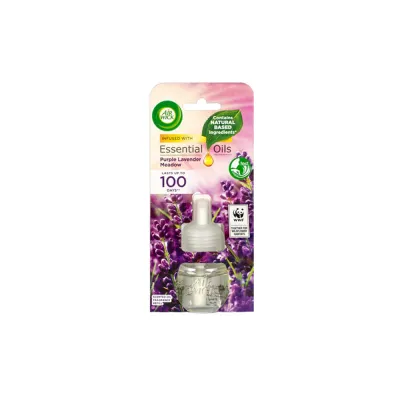

Prices are valid at publication and may change. Please refer to the product page for the latest price.
Identifying Your Air Wick Diffuser and Refill Compatibility
Before purchasing any refill, you must identify the mechanical operating system of your specific Air Wick device. Continuous mist diffusers and automatic timed spray systems operate on entirely different mechanical principles.
Continuous mist units, like the Essential Mist series, utilize a small internal transducer that vibrates at high frequencies to transform a liquid mixture of water and oil-based fragrance pods into a fine, cool vapor. This vapor is gently dispersed into the air, creating a subtle, lingering aroma.
Automatic timed sprays, such as the Freshmatic system, rely on a motorized physical lever that depresses the nozzle of a pressurized aerosol can. This action releases a concentrated burst of dry spray at set intervals rather than a continuous stream.
Because of these fundamental mechanical differences, a refill designed for one system will not physically fit or function in another. While consumers frequently use the term “diffuser refill” as a general catch-all for any home fragrance insert, in the Air Wick ecosystem, it most commonly refers to the glass bottles used in the Essential Mist line or the plug-in scented oil bottles.
Purchasing the wrong type of refill leads to wasted expense and potential damage to your device. To ensure absolute physical and operational compatibility, always check the bottom or back of your device base, or refer to the original packaging, to locate the exact series name before completing your purchase.
Core Comparison Dimensions: Longevity, Intensity, and Scent Profiles
Evaluating the performance of various Air Wick refills requires a clear understanding of three core dimensions: how long the fragrance lasts, how intensely it diffuses throughout your space, and the characteristics of the scent profiles themselves.

Scent Longevity and Usage Estimates
The actual lifespan of any Air Wick refill is highly variable and depends almost entirely on the intensity settings you select and the daily run time of your device. Manufacturer packaging often displays prominent claims about the number of days a single refill will last, but these estimates are calculated under highly specific, standardized testing conditions. Typically, these figures are based on the device operating on its lowest intensity setting for a set number of hours per day.
If you choose to run your device on medium or high settings, or if you leave a continuous unit running for extended periods, the rate of fragrance consumption will increase dramatically. For example, a refill rated for up to 45 days on the lowest setting may only last two to three weeks if operated continuously at maximum intensity. To manage your household budget and maintain consistent fragrance levels, you should adjust your longevity expectations proportionally based on your chosen settings.
Diffusion Intensity and Throw
Diffusion intensity refers to the strength of the scent, while throw describes the physical distance the fragrance travels from the device. Air Wick devices feature adjustable settings that allow you to customize these factors to your liking. Continuous mist diffusers generally offer low, medium, and high mist volume settings, allowing you to control the density of the vapor cloud. Automatic spray systems allow you to adjust the physical timer intervals, typically offering choices between 9, 18, or 36 minutes between bursts.
The physical sensation of these two methods is quite different. A continuous mist diffuser provides a localized, steady throw that gently saturates the immediate surrounding air, making it ideal for creating a calm, persistent sensory background.
An automatic aerosol spray, by contrast, delivers a wide, immediate, and highly concentrated burst of fragrance that travels rapidly across a larger room but dissipates more quickly. Adjusting these settings based on the time of day and room occupancy is essential; reducing the intensity when you are away or during quiet evening hours helps prevent olfactory fatigue, a condition where your nose becomes desensitized to a constant scent.
Fragrance Profiles and Olfactive Families
Air Wick refills are categorized into several distinct olfactive families, allowing you to choose scents that align with the functional purpose of each room. Common scent families include floral (such as lavender or jasmine), woody (sandalwood or cedar), citrus (lemon or orange), clean/linen (fresh cotton or outdoor breeze), and gourmand (vanilla or sweet baking notes).
When selecting a fragrance profile, it is highly practical to consider both the existing baseline odors of the room and the psychological mood you wish to encourage. A relaxing lavender or soft chamomile profile is highly appropriate for bedrooms to support a restful environment, while an energizing citrus or crisp linen scent is excellent for kitchens and laundry areas where neutralizing food or moisture odors is a priority.
Additionally, keep in mind that aerosol sprays often exhibit a sharper, more chemical initial note due to the propellants and alcohol carriers used to deliver the spray, though this quickly dissipates to reveal the core fragrance. Water-based and oil mists, on the other hand, provide an immediate, true-to-oil scent profile that feels softer and more natural from the moment of diffusion.
Matching Refills to Room Size and Environmental Factors
To achieve the best possible performance from your Air Wick system, you must match the device type and refill settings to the physical dimensions and environmental conditions of your specific room.
Small to Medium Spaces (Bedrooms, Bathrooms, Home Offices)
In enclosed, smaller spaces such as bedrooms, bathrooms, or home offices, fragrance can quickly become overwhelming if not managed carefully. For these areas, continuous mist diffusers are highly recommended. Operating the device on its lowest or medium setting ensures a gentle, pleasant background aroma without saturating the air to an uncomfortable degree.
Strategic physical placement is critical in smaller rooms. Avoid pointing the mist nozzle directly toward beds, desks, or primary seating areas. Prolonged, direct exposure to concentrated essential oil mist can cause mild respiratory or skin irritation for sensitive individuals.
For bathrooms, which often experience transient, strong odors, a timed automatic spray set to a wider interval or a slightly higher intensity setting can be highly effective at rapidly neutralizing odors when needed.
Large or High-Traffic Areas (Living Rooms, Hallways, Open Plans)
Larger spaces, such as open-concept living and dining areas or high-traffic hallways, present a different challenge due to the sheer volume of air and constant air movement. In these environments, a single low-intensity mist diffuser will likely be insufficient, as the fragrance will dissipate long before it can fill the room.
To maintain a noticeable fragrance presence in large spaces, you should consider using higher intensity settings, deploying multiple synchronized units in different corners of the room, or relying on an automatic timed aerosol spray. The powerful, pressurized burst of an automatic spray is designed to project fragrance particles high into the air, allowing natural air currents to carry the scent across expansive floor plans and rooms with high ceilings.
Environmental Adjustments (Airflow, Humidity, and Temperature)
In Singapore, the tropical climate and widespread use of air conditioning have a direct impact on how home fragrances behave. When your air conditioning is running, the cool, dry air accelerates the dispersion of scent particles, but the low humidity can also cause the fragrance to feel lighter and less intense. You may find you need to increase the device setting slightly to achieve your desired scent level in an air-conditioned room.
Conversely, when the air conditioning is turned off and high ambient humidity returns, the moisture-heavy air can trap fragrance molecules, making scents feel heavier, denser, and sometimes cloying. During these times, lowering the intensity setting prevents the fragrance from becoming suffocating.
To ensure natural, even circulation, always place your diffuser away from direct air conditioning vents or strong fans, which can blow the fragrance away or force it downward before it can properly distribute throughout the living space.
Decision Framework: Which Air Wick Refill Fits Your Needs?
To help you finalize your choice, use this structured decision framework to match your practical household needs with the correct Air Wick refill system.
Choose a continuous mist refill (such as Essential Mist) if:
- Subtle Fragrance: You prefer a subtle, constant, and gentle background fragrance rather than sudden bursts.
- Sensory Sensitivity: You or your family members are sensitive to sudden, loud mechanical noises or abrupt sprays of aerosol.
- Targeted Scenting: You are scenting a small-to-medium enclosed room, such as a bedroom, study, or home office, where localized diffusion is highly effective.
- Modern Aesthetics: You prefer a compact, modern device aesthetic that blends seamlessly into contemporary home decor.
Choose an automatic spray refill (such as Freshmatic) if:
- Expansive Coverage: You require a strong, far-reaching scent throw capable of filling large, open-concept living spaces or high-ceilinged rooms.
- Olfactory Reset: You prefer periodic bursts of fragrance that help reset your olfactory senses, reducing the likelihood of getting used to the scent.
- Odor Elimination: You need to actively cover up or neutralize strong, persistent odors from cooking, pets, or dampness.
- Cordless Convenience: You require a completely cordless, battery-operated device that can be mounted on a wall or placed on high shelving without needing a nearby electrical outlet.
Verify first if:
- Device Compatibility: You are uncertain about the exact compatibility of your current device; always match the refill shape and connection mechanism to your specific model.
- Health and Safety: You have pets, infants, or household members with asthma or respiratory sensitivities; always review the ingredient labels and safety warnings on the refill packaging before use.
- Surface Protection: You plan to place the unit near high-moisture areas, electronics, or unprotected wooden furniture, as continuous mist can leave a fine residue over time.
Safety, Placement, and Device Maintenance
Operating any home fragrance device requires adherence to basic safety, placement, and maintenance practices to protect your household and prolong the life of your equipment.
Electrical Safety: For plug-in scented oil diffusers, always verify that the device is rated for Singapore’s 230V electrical supply and features a compatible Type G three-pin plug. Never use damaged cords, loose wall sockets, or unapproved travel adapters, as these can cause electrical shorts or overheating. Ensure that electrical cords are tucked safely away and do not pose a tripping hazard in high-traffic hallways.
Placement Rules: Keep all fragrance devices, including battery-operated sprays and plug-ins, away from open flames, gas stoves, heaters, and direct sunlight. High temperatures can degrade the fragrance oils or increase pressure in aerosol cans, posing a safety risk. Always position devices on a stable, level surface out of reach of children and pets. To prevent physical damage, avoid placing continuous mist diffusers directly on top of unprotected wood, delicate fabrics, or electronic appliances, as the micro-fine mist can settle and create a moisture or oil residue that ruins sensitive surfaces.
Maintenance: Regular maintenance is essential to prevent your diffuser from clogging and ensure consistent operation. Before performing any cleaning, always unplug the device from the wall or remove the batteries. Wipe the exterior casing and the mist nozzle gently with a clean, dry, or slightly damp microfiber cloth; never submerge the entire unit in water or expose internal electrical components to moisture. Refer to the manufacturer’s instruction manual for specific cleaning intervals, as dried oil residue can easily clog the delicate micro-nozzle over time, stopping the flow of mist.
Frequently Asked Questions (FAQ)
Can I use third-party or homemade essential oils in an Air Wick diffuser?
You should strongly avoid using third-party essential oils or homemade fragrance mixtures in your Air Wick diffuser. These devices are engineered specifically to work with the exact viscosity and formulation of official Air Wick refills. Using unauthorized oils can easily clog the delicate micro-pump or transducer, void your manufacturer warranty, and potentially cause electrical or fire safety hazards if the untested liquids are highly flammable or reactive under heat.
Why does my Air Wick diffuser stop emitting scent even when the refill isn't empty?
If your device stops emitting scent while oil remains, the most common cause is a clogged nozzle due to dried oil residue. Other frequent culprits include depleted batteries in battery-operated units, a tripped internal thermal safety switch, or the device simply reaching the end of its programmed daily run cycle. To resolve this, try gently wiping the nozzle with a dry cloth, replacing the batteries with fresh ones, or power-cycling the device.
Community discussion
Share your experience or ask a question. Comments are reviewed before publication.