
Indoor solar lamps offer an appealing, eco-friendly lighting option, but their practicality in Singapore homes depends heavily on your specific living space. While capturing free tropical sunlight is attractive, high-rise density, architectural shading, and specialized window treatments often limit indoor performance. For most local apartments, these devices function best as decorative accents or emergency backups rather than primary light sources. Determining whether an indoor solar lamp will work for you requires a realistic look at your home’s layout, your daily lighting habits, and the technical specifications of the product.
Assessing Your Home's Solar Charging Potential
To determine if an indoor solar lamp is viable, you must first evaluate the quality and duration of light entering your living space. Singapore’s equatorial position ensures abundant sunshine, but the light that actually penetrates your home is highly variable. A solar panel requires direct, unobstructed sunlight to charge efficiently. Placing a lamp on a deep balcony or behind a thick concrete structural column drastically reduces the energy it can collect, often leaving the battery only partially charged.
The orientation of your windows plays a critical role. North- and south-facing windows receive less direct sunlight throughout the year compared to east- and west-facing units, which catch the intense morning or afternoon sun. You should observe your preferred placement spot at various times of the day to track how many hours of direct sunlight it receives. Most standard solar panels require several hours of unshaded exposure to reach a full charge, a threshold that is difficult to meet in deeply recessed rooms.
Products mentioned in this guide
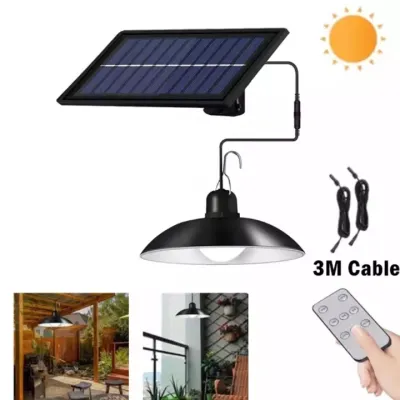
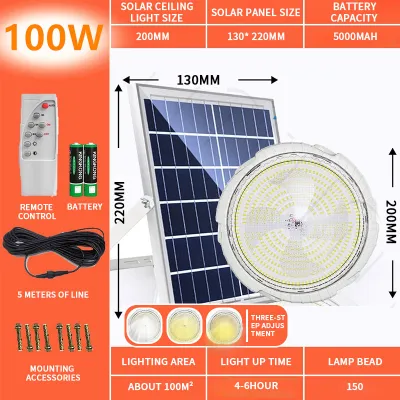
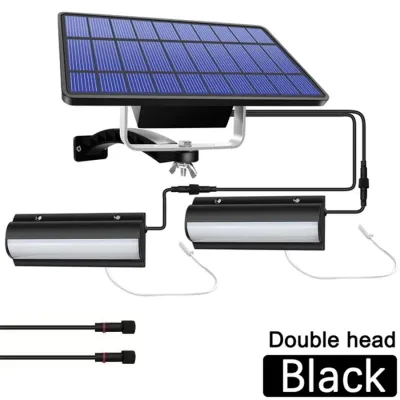
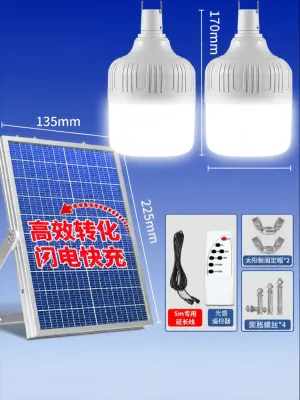
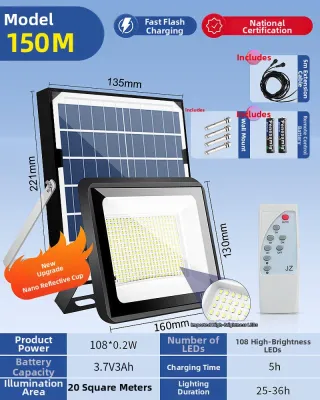
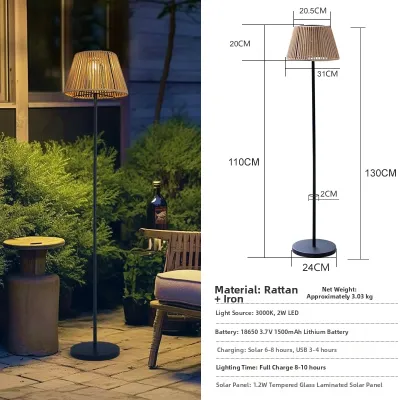

Prices are valid at publication and may change. Please refer to the product page for the latest price.
High-rise density and modern building materials introduce additional charging hurdles. Nearby blocks can cast long shadows that block your windows for significant portions of the day. Furthermore, many modern apartments are equipped with solar-control window films or double-glazed low-emissivity (low-E) glass. While these technologies are excellent for keeping your home cool, they work by filtering out ultraviolet and infrared light. Because many solar panels rely on these specific light spectrums to generate electricity, high-performance window films can significantly degrade charging efficiency even if the room looks bright to the human eye.
Before purchasing, you should carefully review the product labels and manufacturer specifications. Look for details regarding the minimum lux or solar irradiance required for charging, as well as the type of solar panel used. Additionally, verify the lamp’s voltage compatibility, base or charging interface (such as an optional USB backup port), wattage limits, physical dimensions, and whether it features a dimming method to conserve battery. Checking these specifications helps ensure you do not buy a lamp that is destined to remain dim due to your home’s physical constraints.
Evaluating Your Lighting Needs and Usage Patterns
Once you have analyzed your charging potential, you must match the lamp’s expected performance with your daily household activities. Solar lamps store energy in small internal batteries, which limits both their maximum brightness and their total runtime. You need to calculate whether the typical lumen output of a solar model can support the tasks you intend to perform in that space.

For primary activities like reading, studying, or food preparation, high-intensity task lighting is essential. Most indoor solar lamps are designed for low-intensity illumination, often producing soft, warm light. While some homeowners prefer this warm color temperature for its cozy spatial effect and decorative style, these are conditional aesthetic preferences rather than universal performance advantages. Attempting to use a solar lamp as your main study light can lead to eye strain, especially if the battery begins to fade during use. These fixtures are far better suited for ambient accent lighting, night lights in hallways, or decorative patio illumination.
Your usage schedule also dictates practicality. If you require reliable light for several hours every evening, a solar lamp may fall short during Singapore’s wet phase or monsoon seasons. Consecutive days of heavy rain and dense cloud cover will prevent the solar panel from fully charging. This variability means you must be comfortable with inconsistent brightness and shorter runtimes on overcast days, or have an alternative light source ready.
To avoid disappointment, check the manufacturer’s rated runtime at specific brightness levels. A lamp that promises eight hours of light may only achieve this on its lowest, most dim setting after a perfect day of charging. If your lifestyle demands consistent, high-output illumination from sunset to bedtime, relying solely on solar energy harvested indoors may prove frustrating.
Comparing Indoor Solar Lamps with Alternative Lighting Options
Evaluating solar lamps against other modern lighting solutions helps clarify whether solar is truly the most practical choice for your home. The primary appeal of a solar lamp is its passive, cord-free operation. Once placed in a sunny spot, it charges without drawing power from your electrical grid, offering a minor reduction in your utility bill and eliminating unsightly cables.
However, USB-rechargeable LED lamps present a highly reliable alternative. These devices can be charged quickly from any standard wall outlet or power bank, ensuring consistent brightness regardless of the weather outside. While they do not offer the passive charging of solar models, they eliminate the need to crowd your window sills with electronics. For rooms with limited natural light, a USB-rechargeable lamp is often much more practical.
Long-term maintenance is another important point of comparison. Solar lamps contain rechargeable batteries that degrade over time, especially when exposed to the heat that accumulates near sunny windows. Additionally, indoor dust quickly settles on solar panels, blocking light and further reducing charging efficiency. You must be prepared to regularly wipe the panels clean and eventually replace the internal batteries, assuming the lamp design allows for battery replacement.
Placement flexibility also involves trade-offs. A solar lamp must remain near a window to charge, which limits where you can position it during the day. If you want to use the lamp on a dining table or bookshelf far from a window, you will have to carry it back and forth daily to charge. Traditional plug-in lamps or battery-powered alternatives offer far greater freedom of placement without the daily chore of moving your light sources.
Final Decision Paths: When to Choose, Adjust, or Skip Solar
An indoor solar lamp is a practical choice if you have an unshaded, east- or west-facing window sill and intend to use the lamp for low-intensity decorative or ambient lighting. In this scenario, the lamp can charge passively during the day and provide a pleasant evening glow without adding to your electricity costs. It also serves as an excellent, self-sustaining emergency light source during rare power outages.
You should skip solar lamps and opt for standard LED, USB-rechargeable, or hardwired fixtures if your home has heavy window tinting, significant high-rise shading, or if you require bright, reliable task lighting. In these situations, forcing a solar lamp to work will likely result in dim, short-lived light and constant frustration. Standard plug-in or rechargeable options will provide the consistent performance and safety needed for daily household tasks.
If you decide to proceed with a solar lamp, you can optimize its performance with a few simple habits. Position the solar panel as close to the window glass as possible, angling it directly toward the sky rather than flat on a table. Keep the window glass and the solar panel clean, as even a thin layer of dust or grime can block valuable light waves. Finally, always verify the manufacturer’s instructions regarding battery care and charging limits to prolong the lifespan of your device.
Frequently Asked Questions (FAQ)
Can artificial room lights charge an indoor solar lamp?
While artificial indoor lights can technically trigger a solar panel’s charging circuit, they are generally ineffective for practical charging. Standard household LED or fluorescent bulbs lack the intensity and the specific ultraviolet spectrum of natural sunlight. You should check the manufacturer’s specifications, as most solar panels require direct sunlight to charge within a reasonable timeframe.
How long do the internal batteries in these lamps typically last?
The lifespan of the internal battery depends on the battery chemistry and how often the lamp undergoes a full charge cycle. Over time, all rechargeable batteries lose their capacity to hold a charge, especially when exposed to window heat. Refer to your product manual to check if the battery is user-replaceable and to find the exact replacement specifications.
Is it safe to use indoor solar lamps in humid areas like bathrooms?
You must verify the product’s Ingress Protection (IP) rating and electrical certification before placing any solar lamp in a damp or humid environment. Standard indoor lamps are rarely sealed against moisture, and high humidity can corrode internal circuits. For any fixed-wiring installations in damp areas, always ensure proper power-isolation at the main circuit breaker, follow the manufacturer’s installation instructions carefully, or consult a qualified professional to handle the setup safely.
Community discussion
Share your experience or ask a question. Comments are reviewed before publication.