
TOCH Japan emergency lights can be a highly suitable addition to Singapore HDB flats, provided you verify their voltage compatibility and safety certifications before purchase. These compact, minimalist fixtures align exceptionally well with the space constraints of modern public housing. However, because Japanese domestic electrical standards differ from those in Singapore, evaluating a TOCH light by Japan requires looking beyond aesthetics. Checking technical specifications—such as voltage limits, plug types, and battery certifications—is critical to ensure these devices operate safely and reliably during an unexpected power outage or localized circuit trip.
Core Emergency Lighting Needs for HDB Living
Singapore’s public housing, managed by the Housing & Development Board (HDB), features distinct architectural layouts that dictate how backup illumination should be integrated. Modern HDB flats are designed to maximize square footage, which often results in compact floor plans, narrow corridors, and specific structural elements like the household shelter. These windowless household shelters (bomb shelters) become pitch-black the moment power is cut. Navigating these tight, enclosed spaces during an emergency requires reliable, instant-on illumination that does not occupy valuable floor space.
Although Singapore boasts one of the most stable and reliable electricity grids in the world, localized power outages still occur. Homeowners frequently experience localized electrical trips caused by overloaded circuits, faulty appliances, or water seepage in balcony light fixtures. Additionally, scheduled maintenance by SP Group can temporarily cut power to specific blocks. During these brief blackouts, having an automatic backup light source prevents panic, reduces the risk of trips and falls, and allows residents to safely locate their distribution board (DB box) to reset tripped circuit breakers.
Products mentioned in this guide
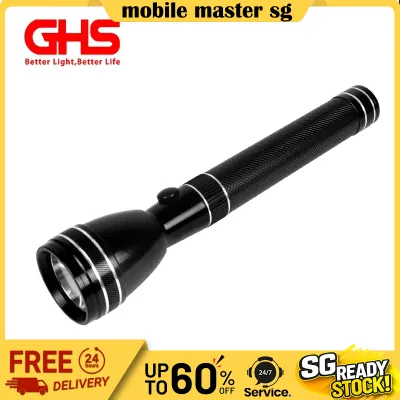
Prices are valid at publication and may change. Please refer to the product page for the latest price.
Safety is the absolute baseline when introducing any electrical device that remains permanently connected to the mains power. In a typical HDB flat, emergency lights are plugged into wall sockets or wired directly into the ceiling, drawing a continuous trickle charge to keep their internal batteries topped up. Because Singapore’s tropical climate is characterized by high ambient temperatures and humidity, enclosed spaces can trap heat. Cheap or uncertified rechargeable devices left plugged in indefinitely pose a real risk of thermal runaway, battery degradation, or electrical fires. Therefore, any emergency lighting solution deployed in an HDB flat must meet stringent safety standards, featuring robust heat dissipation and reliable overcharge protection.
How a TOCH Light by Japan Fits HDB Layouts
The physical design of TOCH Japan emergency lights makes them highly compatible with the spatial realities of HDB living. Most models feature a slim, unobtrusive profile that can be easily mounted on walls, placed on narrow console tables, or plugged directly into low-profile wall outlets. With standard HDB ceiling heights ranging from 2.6 to 2.8 meters, bulky commercial twin-spotlights can look industrial and obstruct tight hallways. The compact form factor of Japanese-designed utility lights keeps walkways clear.

Illumination coverage is another critical factor when evaluating these lights for HDB room dimensions. A standard HDB bedroom or living space is relatively compact, typically measuring around 3×3 meters. An emergency light does not need to mimic the high-lumen output of a main ceiling fixture; instead, it should provide sufficient, glare-free illumination to safely navigate the room. TOCH lights generally offer a moderate, diffused lumen output that lights up the immediate vicinity without blinding residents whose eyes have already adjusted to the dark. This balanced light distribution is particularly beneficial in small bedrooms, where sudden, harsh glare could cause temporary disorientation.
Many TOCH models offer dual-functionality, serving as both daily ambient night lights and automatic emergency backups. During normal operations, these devices can emit a soft, low-wattage warm glow, perfect for illuminating dark hallways or bathrooms during midnight runs. They use integrated light sensors to turn on only when the surrounding environment is dark. When a power failure occurs, the internal circuitry detects the loss of incoming AC power and automatically switches the LED light to its maximum emergency brightness, drawing power from the internal battery. This dual-use design is highly practical for HDB flats, where multi-functional appliances help minimize clutter.
From an aesthetic perspective, the minimalist, utilitarian design language typical of Japanese brands like TOCH blends seamlessly with popular Singaporean renovation themes. Whether your home is designed around the warm woods of a Muji style, the clean functionalism of Scandinavian decor, or a sleek modern contemporary look, these fixtures do not clash with your interior design. Instead of looking like industrial safety equipment, they resemble high-end home accessories, proving that safety devices do not have to compromise the visual harmony of your living space.
Essential Specifications to Verify Before Buying
Before purchasing a TOCH emergency light, you must conduct a thorough technical verification to ensure it can safely operate on Singapore’s electrical infrastructure. The most critical factor is the voltage and frequency compatibility. Japan operates on a 100V AC system at either 50Hz or 60Hz. In contrast, Singapore’s standard domestic supply is 230V AC at 50Hz. Plugging a 100V-only Japanese domestic model directly into a Singaporean 230V outlet will cause immediate electrical failure and a severe fire hazard. You must check the product label to confirm it supports universal voltage (100V-240V, 50/60Hz). If it does not, do not use it without a step-down transformer.
Plug compatibility is another practical hurdle. Japanese appliances utilize Type A or B plugs, whereas Singapore uses the UK-style Type G plug. Using cheap adapters for devices plugged in 24/7 is a major safety risk. Ensure you use a high-quality, fused adapter, or look for models with a native Type G plug or a certified USB charging interface.
The internal battery chemistry dictates the lifespan, safety, and backup duration of the emergency light. Modern compact fixtures typically use Nickel-Metal Hydride (Ni-MH) or Lithium-ion (Li-ion) batteries. Lithium-ion batteries offer excellent energy density but require sophisticated battery management systems (BMS) to prevent overcharging. Ensure the manufacturer’s stated backup runtime provides at least 1.5 to 3 hours of continuous illumination.
In Singapore, specific electrical appliances sold for consumer use are classified as Controlled Goods and must carry the SAFETY Mark. This mark, issued by the Consumer Product Safety Office (CPSO), indicates that the product or its power adapter has been tested and certified to meet local safety standards. When buying TOCH lights, particularly from online marketplaces or parallel importers, check if the power adapter or the unit itself bears this registry mark. Using non-certified mains-powered devices increases the risk of short circuits and may void your home insurance policy in the event of an electrical fire.
Strategic Placement Guide for HDB Floor Plans
To maximize the utility of your emergency lights, strategic placement across your HDB floor plan is essential. The primary location to consider is the household shelter (bomb shelter). Because these reinforced rooms lack windows, they receive zero natural light. If a power outage occurs while you are inside or retrieving emergency supplies, finding your way in total darkness is incredibly difficult. A dedicated emergency light near or inside the shelter ensures immediate visibility.
Common corridors and pathways connecting the bedrooms to the rest of the flat represent another high-priority zone. During a night-time power trip, waking up in absolute darkness can cause confusion and panic. Placing a dual-function TOCH light in the hallway ensures that the path from the bedrooms to the living room, bathroom, and main entrance is clearly illuminated. This pathway lighting is crucial for guiding family members safely toward the main DB box, which is typically located near the entryway or kitchen, allowing you to check the circuit breakers without stumbling over furniture.
High-risk zones, such as the kitchen and utility yard, must also be illuminated. The kitchen is filled with potential hazards, including sharp knives, glass jars, and hot stoves or appliances. If the power cuts out while you are preparing a meal or handling hot cookware, sudden darkness can lead to severe burns or cuts. Positioning an emergency light in the kitchen—away from direct heat and water sources—provides the immediate illumination needed to safely turn off gas burners, set down hot items, and secure sharp tools before navigating to the DB box.
Maintenance and Battery Care for Humid Climates
Singapore’s tropical environment, characterized by high humidity and consistent warmth, can accelerate the degradation of electronic components and rechargeable batteries. To ensure your TOCH emergency lights remain functional when you need them most, establishing a simple maintenance routine is vital. First, perform a periodic discharge test every three to six months. To do this safely, unplug the device from the wall outlet (or turn off the dedicated switch) and let the light run entirely on its battery power until it turns off. This process helps calibrate the battery, prevents capacity loss, and allows you to verify if the actual backup duration still meets the manufacturer’s specifications.
Dust and moisture can accumulate on the casing over time. Before cleaning, always isolate the power by unplugging the unit. Use a dry, soft microfiber cloth to wipe the exterior and diffuser; never use wet cloths or liquid cleaners on electrical contacts. Inspect the housing for battery swelling, cracks, or discoloration. If the casing bulges or feels unusually hot during charging, unplug it immediately and discontinue use.
Knowing when to replace the battery or the entire emergency light unit is key to maintaining home safety. Rechargeable batteries have a finite lifespan, typically lasting between two to five years depending on use and environmental conditions. If your TOCH light’s backup duration drops significantly below its rated runtime (for example, lasting only 15 minutes instead of the specified 2 hours), or if the LEDs begin to flicker constantly or fail to switch on automatically when unplugged, the battery has reached the end of its useful life. If the battery is non-replaceable, the entire unit should be safely disposed of at an e-waste recycling point and replaced with a new, certified model.
Frequently Asked Questions (FAQ)
Do plug-in emergency lights in Singapore require a SAFETY Mark?
Yes, mains-powered plug-in emergency lights and their accompanying AC power adapters are classified as Controlled Goods under the Consumer Product Safety Office (CPSO) in Singapore. This means they must undergo rigorous safety testing and receive a valid SAFETY Mark before they can be legally sold or distributed locally. If you are importing a TOCH light directly from overseas or buying from parallel importers, you must verify if the power adapter has a valid SAFETY Mark. Operating uncertified mains-connected equipment in your HDB flat poses a safety hazard and could affect your home insurance coverage.
Can I install hardwired TOCH emergency lights myself in an HDB flat?
No, you should never attempt to DIY install hardwired electrical fixtures in an HDB flat. Any installation that involves modifying your flat’s fixed wiring, connecting directly to ceiling electrical points, or altering the main distribution board must be performed by a Licensed Electrical Worker (LEW) registered with the Energy Market Authority (EMA). Working on fixed wiring without a license is illegal in Singapore, voids product warranties, and poses severe risks of electrocution or electrical fires. For your safety, always isolate the power at the main DB box and hire a qualified professional to handle any hardwired installations.
Community discussion
Share your experience or ask a question. Comments are reviewed before publication.