
Finding a suitable aroma candle in Singapore involves matching your personal scent preferences—specifically earthy, grounding woody notes or crisp, uplifting fresh notes—with reliable brand profiles that prioritize clean-burning ingredients and high-quality formulation. Since individual scent perception is highly subjective and local tropical humidity affects how fragrances disperse, selecting a candle requires understanding wax types, wick materials, and brand specializations. Rather than relying on universal claims of superiority, local buyers should focus on verifying ingredient transparency, burn characteristics, and proper care techniques to ensure a safe and satisfying aromatic experience in their living spaces. By focusing on how different scent families interact with your home environment, you can curate an indoor atmosphere that feels both welcoming and personally restorative.
Understanding Woody and Fresh Scent Profiles
To build a satisfying home fragrance collection, it is essential to understand the distinct characteristics of woody and fresh scent profiles. Woody fragrances are characterized by their warm, rich, and grounding qualities. Common notes in this family include sandalwood, which offers a creamy and smooth aroma; cedarwood, known for its dry, structured, and pencil-shaving-like scent; vetiver, which brings a smoky, earthy, and slightly grassy depth; and patchouli, which adds a sweet, dark, and resinous undertone. These scents are often associated with comfort, sophistication, and relaxation, making them popular choices for creating a cozy sanctuary during quiet evenings or in dedicated relaxation zones.
In contrast, fresh fragrances are celebrated for their crisp, clean, and invigorating properties. This broad family encompasses several distinct sub-categories, including bright citrus notes like bergamot, lemon, and grapefruit; aquatic or marine accords that evoke the clean, salty air of the ocean; and green or herbal notes such as mint, rosemary, eucalyptus, and freshly cut grass. Fresh scents are designed to uplift the senses, clarify the mind, and introduce a feeling of open-air cleanliness to indoor spaces. They are particularly well-suited for daytime use, home offices, kitchens, or any area where you want to promote focus and vitality.
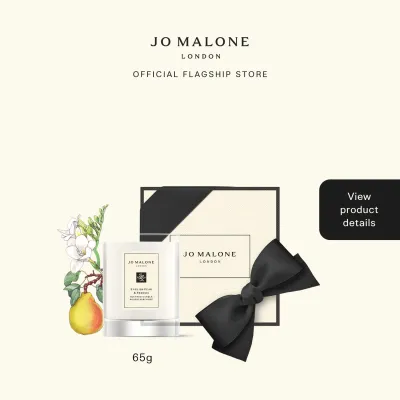
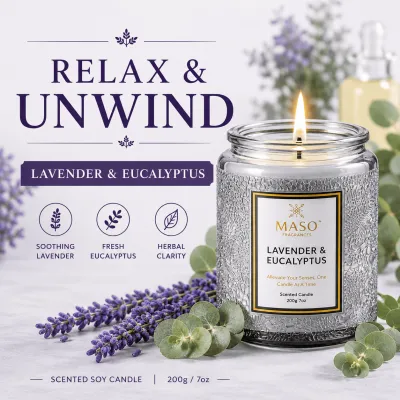
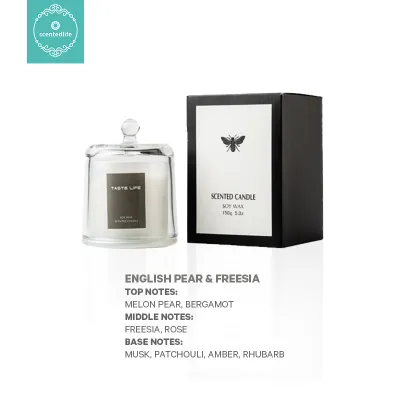
Products mentioned in this guide

![[Ship in 24hrs] Scented Candles Handmade Dry Flower Soy Aroma Wax Natural Fragrance Candle for Home Decoration Wedding Decor Party Decor Birthday Gift](https://img.lazcdn.com/g/p/0041c74028e3e187f48865702f910316.jpg_400x400q80.jpg_.webp)
![[SG Seller] Scented Candle Aroma Sensation great for birthday gift- Brown Bottle 100g / Dry Flower Handmade Natural Soy Aromatherapy Wax Fragrance](https://img.lazcdn.com/g/p/c1338b95f9a46d4dc9f38d7c17dc1630.jpg_400x400q80.jpg_.webp)
Prices are valid at publication and may change. Please refer to the product page for the latest price.
The way these scent families interact with your indoor environment depends heavily on the physical properties of their aromatic molecules. Woody scents consist of heavier, less volatile molecules that evaporate slowly, allowing the fragrance to linger in the air for an extended period. This makes them highly effective in air-conditioned rooms where air circulation is controlled, as the scent can build a deep, stable foundation. Fresh scents, on the other hand, are composed of lighter, highly volatile molecules that disperse rapidly. While they provide an immediate burst of refreshing aroma, they also dissipate more quickly, meaning they require strategic placement and proper room ventilation to maintain their presence without becoming lost in large, open-plan layouts.
Key Selection Criteria for Aroma Candles
Evaluating an aroma candle goes beyond its fragrance; understanding the technical specifications of the wax, wick, and formulation is crucial for safety and performance. The type of wax used serves as the foundation of the candle’s burn quality. Soy wax, derived from soybean oil, is highly popular for its clean burn, biodegradable nature, and slow burn rate, though it typically offers a more moderate, subtle scent throw. Beeswax is a premium, firm option that burns exceptionally clean and long, emitting a very faint, natural honey aroma that complements woody scents beautifully. Coconut wax and coconut-soy blends have a lower melting point, which allows for an excellent scent throw and a smooth, even melt pool, though they can be softer and more sensitive to warm ambient temperatures. Paraffin wax, a petroleum byproduct, is known for its highly efficient scent throw, but it must be carefully formulated and maintained to prevent the release of heavy soot.

The choice of wick material also significantly influences how the candle burns and disperses its scent. Traditional cotton wicks are reliable, easy to trim, and provide a stable, predictable flame, provided they are made from high-quality, lead-free fibers. Wood wicks have gained popularity for their unique aesthetic appeal, producing a gentle crackling sound reminiscent of a fireplace. They tend to create a wider, hotter melt pool quickly, which can enhance the immediate scent throw, but they require diligent maintenance, including regular trimming of the charred wood tip before every burn to prevent smoking. Regardless of the material, proper wick sizing relative to the candle’s diameter is essential; an undersized wick will cause the candle to tunnel, while an oversized wick will burn too hot, producing excess smoke and consuming the wax too quickly.
Fragrance load and ingredient safety are critical considerations, especially for individuals with respiratory sensitivities or allergies. The fragrance load refers to the percentage of fragrance oil blended into the wax, typically ranging from 6% to 12%. A higher percentage does not automatically guarantee a better candle; if the wax is overloaded, the oil can seep to the surface, creating a safety hazard or causing the candle to burn unevenly. Buyers should look for brands that offer clear ingredient transparency, specifying the use of phthalate-free and paraben-free oils. It is also important to distinguish between natural essential oils, which offer a subtle, botanical aroma, and synthetic fragrance oils, which are engineered for stability, complexity, and a stronger scent throw.
Finally, estimating the actual burn time of a candle requires looking at its net weight and the manufacturer’s specific guidelines rather than relying on generic marketing claims. A standard single-wick candle weighing approximately 200 grams generally offers a burn time of 40 to 50 hours under optimal conditions. However, actual burn times can vary widely based on environmental factors such as room drafts, ambient temperature, and how well the wick is maintained. Checking the manufacturer’s label for usage instructions ensures you get the most value and safety out of your purchase.
Identifying Reliable Brand Profiles for Woody Scents
When searching for high-quality woody aroma candles in Singapore, categorizing brands by their market positioning can help you find the right match for your aesthetic and sensory preferences. Niche perfumery brands treat home fragrance as an extension of fine personal perfumery, focusing on complex, multi-layered compositions. These brands often combine classic woody bases like cedarwood or sandalwood with unexpected notes of leather, tobacco, or rare spices, creating a highly sophisticated and dramatic atmosphere. They are ideal for those who view home fragrance as a key element of interior design and are willing to invest in a premium olfactory experience.
Apothecary-style brands, by contrast, emphasize simplicity, botanical authenticity, and functional wellness. These brands typically package their candles in amber glass jars with minimalist labels, focusing on straightforward, comforting scent pairings like cedar and sage, or sandalwood and patchouli. They often utilize natural soy or coconut wax blends and pure essential oils, appealing to those who prefer a rustic, down-to-earth aesthetic and a more subtle, natural scent throw that mimics the experience of walking through a forest.
Modern lifestyle brands offer a middle ground, focusing on clean, contemporary designs and highly accessible, balanced fragrance profiles. Their woody offerings are often softened with sweet or creamy elements, such as sandalwood blended with vanilla or amber, making them highly approachable and crowd-pleasing. When evaluating these brands, look closely at the product labels to identify the specific woody notes used. If you prefer a dry, clean, and structured aroma, prioritize candles featuring cedarwood or pine. If you seek a creamy, warm, and comforting vibe, look for sandalwood or amber bases. Always verify the ingredient list to ensure the formulation aligns with your personal sensitivities, particularly if you prefer to avoid specific synthetic binders or fixatives.
Identifying Reliable Brand Profiles for Fresh Scents
Finding a reliable brand for fresh scents requires looking for collections that excel at capturing crisp, clean, and uplifting aromatic profiles. Fresh fragrances are highly diverse, so narrowing down your search by sub-category is an effective starting point. If you want to neutralize household odors and create an energizing atmosphere, look for brands that specialize in bright citrus collections featuring bergamot, grapefruit, or lemongrass. For a spa-like, calming environment that aids relaxation and mental clarity, seek out brands with strong herbal lines focused on eucalyptus, mint, rosemary, or white tea. If you prefer a breezy, open, and minimalist feel, explore brands that offer oceanic or marine profiles built around sea salt, ozone, and light floral undertones.
The performance of fresh candles is highly dependent on the room’s physical characteristics and ventilation. Because fresh scents rely on light, volatile top notes, they can easily become lost in large, open-plan living areas with high ceilings or active ceiling fans. To get the best performance, look for brands that offer multi-wick options or larger wax volumes for spacious rooms, or reserve single-wick fresh candles for smaller, enclosed spaces like home offices, bathrooms, or bedrooms. Proper ventilation is also key; while a gentle breeze helps disperse the scent, strong drafts will cause the candle to burn too quickly and unevenly.
Additionally, it is important to verify the fragrance formulation of fresh candles, particularly those inspired by clean linen, fresh laundry, or mountain air. These specific profiles often rely on synthetic aldehydes to achieve their signature crispness. While these compounds are highly effective at mimicking clean scents, they can sometimes trigger headaches or nasal discomfort in sensitive individuals. Reliable brands will clearly state if their products are formulated without phthalates and will list potential allergens on their safety labels, allowing you to make an informed choice that prioritizes both sensory enjoyment and physical comfort.
Buying and Verifying Aroma Candles in Singapore
To ensure you are purchasing authentic, high-quality aroma candles in Singapore, it is highly recommended to source them from official brand boutiques, authorized department stores, or verified online flagship stores. Purchasing from reputable channels guarantees that the products have been transported and stored under controlled conditions, preserving the integrity of the wax and fragrance oils. Avoid buying from unverified third-party sellers on online marketplaces, as improper storage in hot warehouses can degrade the fragrance, cause the wax to sweat, or lead to premature spoilage of natural ingredients.
Before making a purchase, performing a quick physical inspection of the candle can save you from common burning issues. Check the surface of the wax; it should be smooth, even, and free of oily pools or deep cracks, which can indicate exposure to extreme heat or poor formulation. Inspect the wick to ensure it is centered in the vessel. An off-center wick will cause the candle to burn unevenly, leaving unused wax on one side while overheating the glass container on the other, which poses a serious cracking and fire hazard. Additionally, verify that the packaging is intact and that the candle features clear safety labeling, including usage instructions, manufacturer details, and ingredient disclosures.
Once you have brought your candle home, proper storage is essential to preserve its quality in Singapore’s hot, humid tropical climate. Store your candles in a cool, dry, and dark place away from direct sunlight, which can cause the wax to discolor and accelerate the evaporation of volatile fragrance oils. Keep the lids tightly closed when the candles are not in use to lock in the scent and prevent dust, pet hair, or moisture from settling on the wax surface. Always place burning candles on stable, heat-resistant surfaces, keep them away from flammable materials, and never leave an open flame unattended. If you notice a white, crystalline appearance on the surface of a soy candle, do not worry; this is a natural phenomenon known as “frosting” that occurs in pure soy wax and does not affect the candle’s burn quality or scent performance.
Frequently Asked Questions (FAQ)
How can I maximize the scent throw of my aroma candle?
To maximize the scent throw of your candle, always ensure that the first burn lasts long enough for the melted wax to reach the entire edge of the container, creating a full melt pool. This prevents the candle from tunneling and ensures that the maximum surface area of wax is heated, allowing the fragrance oils to release efficiently into the air. Additionally, place your candle in a draft-free area away from open windows, ceiling fans, or air conditioning vents, as strong air currents can cause the flame to flicker, leading to an uneven burn and dispersing the scent too quickly before it can fill the room. Finally, match the candle’s size to the room; smaller candles are best suited for compact spaces like bathrooms, while larger, multi-wick candles are necessary to effectively scent spacious living areas.
What is the safest way to extinguish a scented candle?
The recommended and clean way to extinguish a scented candle is by using a dedicated candle snuffer or a wick dipper. A wick dipper allows you to gently push the lit wick into the liquid wax pool, extinguishing the flame instantly without producing any smoke or soot, and then pull it back up and re-center it for the next burn. Avoid blowing out your candle, as this can cause the wick to smolder, releasing unpleasant black smoke that ruins the lingering fragrance in the room and potentially splattering hot wax onto nearby surfaces. Always ensure the wick is upright and centered while the wax is still soft, as this prevents the wick from drifting to the side of the vessel as the wax cools.
Why does my candle tunnel, and how can I prevent it?
Candle tunneling occurs when a candle is extinguished before the top layer of wax has completely melted to the outer edges of the container, leaving a hard ring of wax around the sides. On subsequent burns, the flame will follow the path of least resistance, melting only the center core and burning a deep hole down the middle, which wastes a significant portion of the candle. To prevent this, always burn a new candle for at least two to three hours during its initial use, or roughly one hour per inch of the container’s diameter, to establish a proper melt memory. If minor tunneling has already occurred, you can gently use an electric candle warmer to melt the entire surface evenly. When using an electric candle warmer in Singapore, always verify that the device matches local voltage standards (230V), complies with safety certifications, and does not exceed the recommended bulb wattage for the fixture.
Community discussion
Share your experience or ask a question. Comments are reviewed before publication.