
Creating a calming, fragrant sanctuary within a Singapore home requires more than just picking a pleasant scent off a shelf. With a tropical climate, high ambient humidity, and unique housing layouts—ranging from compact HDB flats to open-concept condominiums—how fragrance disperses and lasts is highly dependent on the medium you choose. Navigating the market for an aroma diffuser stick requires a clear understanding of the distinct product categories available, how different materials interact with the local environment, and how to evaluate brand credibility without relying on unverified marketing claims.
Rather than searching for a single, universally crowned brand, finding the right product involves matching specific material properties and safety standards to your living space. This guide establishes a practical framework to help you distinguish between different stick formats, evaluate material quality, navigate local retail channels, and select the safest, most effective aromatic solutions for your home.
Clarifying Your Need: Reed Diffuser Sticks vs. Incense Sticks
When searching for an aroma diffuser stick, buyers frequently encounter two entirely different product categories grouped under the same search terms: liquid-wicking reed diffusers and combustible incense sticks. Clarifying which format fits your lifestyle is the first step toward making an informed purchase.
Products mentioned in this guide
![[Ideal Gift] SHIORA Black Rattan Reed Diffuser Sticks 50 Pieces](https://img.lazcdn.com/g/p/030b8370a0af8ac83148c45f6f047585.jpg_400x400q80.jpg_.webp)

Prices are valid at publication and may change. Please refer to the product page for the latest price.
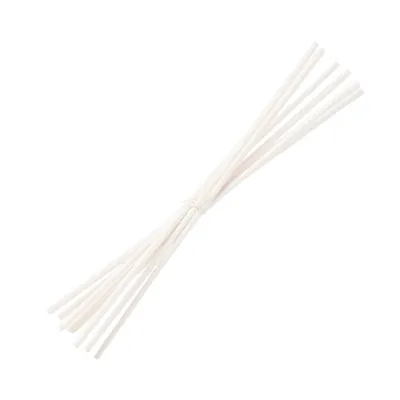
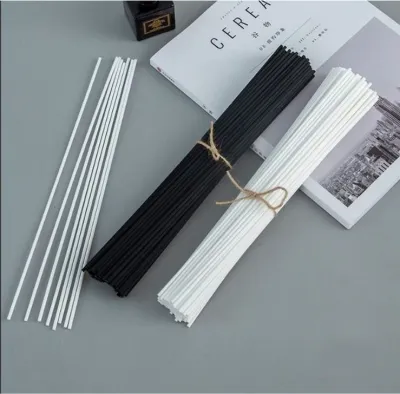
Reed diffuser sticks are non-combustible, passive scent dispensers. They operate via capillary action, drawing a liquid fragrance mixture upward from a vessel and allowing it to evaporate naturally into the surrounding air. These sticks are typically made from natural rattan or engineered synthetic fibers. They require no heat, electricity, or open flame, making them a continuous, low-maintenance fragrance option suitable for round-the-clock operation.
In contrast, incense sticks are combustible products designed to be lit with a flame. They consist of aromatic materials—such as ground wood, resins, herbs, and essential oils—bound to a central core or extruded into a solid stick. Once ignited, the flame is gently blown out, leaving a smoldering ember that releases fragrant smoke into the room. Incense requires active supervision, a heat-resistant burner or holder, and adequate ventilation to manage the smoke output.
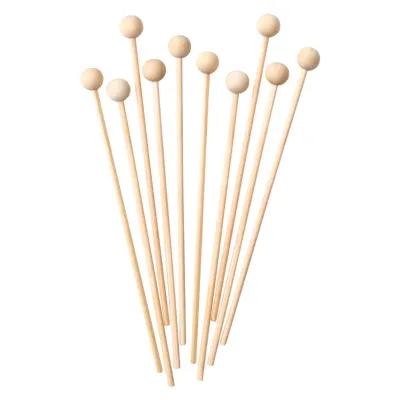
Online marketplaces and search engines frequently conflate these two categories, displaying bamboo incense holders alongside liquid reed refills. To avoid purchasing the wrong item, always verify the product description. Look for explicit terms such as “replacement reeds” or “liquid-wicking” for passive diffusers, and “combustible,” “requires burner,” or “burn time” for incense products. Additionally, check whether the product includes the necessary accessories, such as a glass vessel for liquids or a ceramic ash catcher for incense.
Core Criteria for Evaluating Aroma Stick Brands
Evaluating the quality of aroma diffuser sticks requires looking past aesthetic packaging and focusing on material composition, performance specifications, safety compliance, and packaging integrity. Reliable brands provide transparent information across these four key areas.

Material Composition
For reed diffusers, the choice of material directly impacts how quickly and consistently the fragrance liquid is drawn up and evaporated. Natural rattan reeds contain tiny, hollow channels (vascular bundles) that slowly wick the liquid. However, natural rattan can occasionally clog if the fragrance oil is highly viscous or if dust accumulates in the room. Synthetic fiber reeds, engineered from polyester or nylon, feature highly uniform, open pores. They wick liquid much faster than rattan, providing a stronger, more immediate scent throw, though they also consume the fragrance liquid at a quicker rate.
For incense sticks, material purity is paramount. High-quality brands use natural binders, such as tabu powder (derived from the bark of the Litsea glutinosa tree) or makko powder, to hold the aromatic wood dust together. Lower-grade options often substitute these natural binders with synthetic chemical glues or combustion agents, which can emit harsh, acrid undertones and unwanted chemical byproducts when burned.
Scent Throw and Longevity
Scent throw refers to how effectively a fragrance travels through a space. When evaluating brands, review the manufacturer’s guidelines regarding diffusion rates and estimated lifespans. For reed diffusers, a reputable brand will specify the recommended volume of liquid for a given number of reeds (for example, using five to eight reeds for a 100ml bottle) and provide an estimated lifespan, typically ranging from one to three months. For incense, look for specifications on stick length and burn time, which generally range from 20 to 45 minutes per stick, depending on the thickness and composition.
Safety and Compliance
Because these products introduce substances into your indoor breathing zone, safety documentation is a critical quality indicator. For liquid reed diffusers, look for brands that comply with the standards set by the International Fragrance Association (IFRA) or those that readily provide Safety Data Sheets (SDS). This documentation ensures the carrier liquids and fragrance compounds are free from harmful phthalates and restricted solvents.
For incense products, prioritize brands that offer low-smoke formulations or provide clear testing data regarding particulate emissions. Because burning any material releases particulate matter into the air, verifying that the brand uses lead-free bamboo cores and pure, non-toxic botanical ingredients is essential for maintaining healthy indoor air quality.
Packaging Integrity
Singapore’s tropical climate, characterized by high relative humidity and consistent warmth, poses a unique challenge for aromatherapy products. High humidity can cause wood-based incense sticks to absorb moisture from the air, making them difficult to light, prone to self-extinguishing, and susceptible to mold growth. Reliable brands package their incense in airtight, moisture-resistant containers, such as sealed foil sleeves, heavy-duty paper tubes, or traditional paulownia wood boxes.
Similarly, liquid reed diffuser refills should be housed in tightly sealed glass or high-density polyethylene (HDPE) bottles with secure, leak-proof stoppers. Exposure to air and light can cause fragrance oils to oxidize, altering the scent profile and reducing the overall shelf life of the product before you even open it.
Navigating Retail Channels in Singapore
Finding authentic, high-quality aroma diffuser sticks in Singapore involves choosing the right shopping environment. Each retail channel offers distinct advantages and verification methods to ensure you receive genuine products.
Physical Specialty Stores and Department Stores
Visiting physical retail locations in major shopping districts or suburban malls offers the distinct advantage of sensory evaluation. Aromatherapy is highly subjective; experiencing the “cold throw” (the scent of an unlit incense stick or an open diffuser tester) firsthand is the most reliable way to determine if a fragrance suits your preferences.
In a physical store, you can also inspect the physical packaging for intact seals, check for any signs of liquid leakage, and assess the structural integrity of fragile incense sticks. Furthermore, retail staff in specialty boutiques can often provide detailed information regarding ingredient sourcing, batch fresh-ness, and recommended usage instructions.
Official Brand Websites and Authorized Online Storefronts
Purchasing directly from a brand’s official website or its authorized local distributor is the most secure way to guarantee product authenticity. This channel ensures you are paying accurate S$ pricing without third-party markups and gives you access to the brand’s complete, current inventory. Official sites are also the primary source for comprehensive product specifications, safety certifications, and direct customer support should you encounter any issues with your purchase.
General E-commerce Platforms
When shopping on broad online marketplaces, extra diligence is required to avoid counterfeit, expired, or poorly stored items. To protect your purchase, filter search results to prioritize official flagship stores or verified mall sellers.
Always read through verified buyer reviews, paying close attention to user-uploaded photos that show the packaging condition upon arrival. Be cautious of listings offering premium brands at unusually low prices; these are often indicators of parallel-imported goods that may have been stored in non-climate-controlled warehouses, leading to heat degradation of the fragrance oils.
Matching Stick Types to Your Living Spaces
To get the most out of your aroma diffuser sticks, the format and scent intensity should match the specific environmental conditions, ventilation, and safety requirements of each room in your home.
Bedrooms and Compact Spaces
In typical Singaporean bedrooms or study rooms, which are often enclosed and frequently air-conditioned, heavy or highly concentrated fragrances can quickly become overwhelming. This can lead to olfactory fatigue, headaches, or sleep disruption.
For these compact spaces, opt for mild, relaxing scent profiles such as lavender, chamomile, or light cedarwood. If using a reed diffuser, start with a minimal number of sticks (two to three) to keep the evaporation rate low and gentle. If you prefer incense, select short, low-smoke varieties and ensure the room is well-ventilated after the stick has finished burning.
Living Rooms and Open Layouts
Larger, open-plan areas like combined living and dining rooms require a more robust fragrance presence to overcome natural air currents, ceiling fans, or open windows. These spaces are ideal for high-throw synthetic fiber reeds or a larger arrangement of natural rattan reeds (six to eight sticks) placed in a central location.
If burning incense in an open living area, longer sticks with a broader scent profile—such as sandalwood, agarwood, or citrus blends—can disperse effectively across the wider footprint. Position the burner in a spot where gentle household air currents can carry the scent throughout the room without blowing directly on the ember.
Bathrooms and High-Humidity Zones
Bathrooms present a challenging environment for passive diffusers due to high moisture levels and steam from showers. Excess humidity can saturate the exposed pores of natural rattan reeds, clogging them and preventing the fragrance liquid from wicking and evaporating properly.
In these damp zones, synthetic fiber reeds are highly recommended, as their engineered structure resists moisture clogging far better than natural wood. Avoid storing or burning incense in bathrooms altogether; the damp air will quickly degrade the dry incense powder, making the sticks difficult to light and highly susceptible to mold.
Household Safety Considerations
Safety should always dictate where and how you place your aroma sticks. Liquid reed diffusers contain concentrated oils that can damage varnished, painted, or plastic surfaces if spilled. Always place the vessel on a stable, level surface, preferably on a ceramic coaster or glass tray, and keep it completely out of reach of children and pets. Be aware that certain essential oils, such as tea tree, eucalyptus, and citrus, can be toxic to domestic pets if ingested or touched.
For combustible incense, fire prevention is the absolute priority. Always use a dedicated, non-flammable burner made of ceramic, stone, or heavy metal. Place the burner on a heat-resistant surface, well away from drafts, open windows, curtains, and any flammable household items. Never leave burning incense unattended, and ensure that the glowing ember is completely extinguished before discarding the ash.
Frequently Asked Questions (FAQ)
How often should I flip or replace my reed diffuser sticks?
Flipping your reed diffuser sticks helps to refresh the scent throw by bringing the fully saturated bottom end of the reed to the top, exposing it directly to the air. For natural rattan reeds, flipping them once every one to two weeks is generally sufficient to maintain a consistent fragrance level. Synthetic fiber reeds are designed to wick more continuously and typically do not require regular flipping, though doing so occasionally can provide a temporary boost in scent intensity.
You should replace the sticks entirely when they become clogged with airborne dust or fully saturated with the heavier base elements of the fragrance oil, which usually occurs after two to three months of continuous use. A clear sign that it is time for a replacement is when the liquid level in the bottle stops dropping but the scent throw has noticeably diminished.
Can I reuse diffuser sticks for a different fragrance?
Reusing diffuser sticks for a different fragrance is not recommended. Once a reed stick has been used, its internal capillary channels are completely saturated with the original fragrance oil and carrier liquid. Introducing these saturated reeds into a new, different scent will cause the old and new fragrances to mix, resulting in a muddled and often unpleasant scent profile.
Furthermore, as the carrier liquid from the first fragrance evaporates over time, it can leave behind heavier oil residues that partially clog the pores of the reed. Using these old reeds in a fresh bottle of oil will significantly reduce the wicking efficiency, preventing the new fragrance from dispersing effectively. To ensure a clean, true scent throw, always use a fresh set of sticks whenever you switch to a new fragrance or refill your vessel.

Community discussion
Share your experience or ask a question. Comments are reviewed before publication.