
How to Choose Scent Profiles for Your Wellness Goals
Scent has a direct and immediate pathway to our emotional center. When you inhale the aroma of a tea candle, volatile scent molecules travel into your nasal cavity and bind to specialized olfactory sensory neurons. These neurons send electrical signals directly to the olfactory bulb, a brain structure that connects directly to the limbic system. Because the limbic system regulates emotions, memory, and autonomic functions like heart rate and blood pressure, certain aromas can trigger immediate emotional and physical shifts before your conscious mind even registers the smell.
While aromatherapy is a powerful tool for supporting daily routines, emotional regulation, and stress management, it is important to remember that it is not a medical treatment. Using scented candles can beautifully complement a healthy lifestyle, but it should not be viewed as a cure for clinical conditions like chronic anxiety or insomnia.
To experience genuine therapeutic benefits, the source of the fragrance is critical. True aromatherapy tea candles utilize pure, plant-derived essential oils or high-quality botanical fragrance blends. In contrast, mass-market candles often rely on synthetic, petroleum-derived perfumes. While synthetic scents can smell pleasant, they lack the complex, bioactive compounds that allow natural plant extracts to interact with our nervous system.
Products mentioned in this guide
![[30pcs] iKea apple Tealight candle Scented tealight scented candle offers a crisp feel of apple apple blossom and jasmine. Welcome home to a fresh and bright atmosphere inspired by the taste of a green apple.](https://img.lazcdn.com/g/p/066b73cf7a2179b68fe7adcb54b93742.jpg_400x400q80.jpg_.webp)
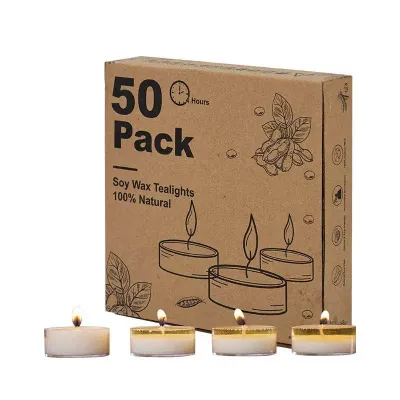
![[SG STOCK] RedLion - 50 White Tealight Candles | 1.5hr (5g) or 3hr (10g) Long Burn Options | Value Pack for W](https://img.lazcdn.com/g/p/9c7e62549444feeb4fb85aa027890273.jpg_400x400q80.jpg_.webp)
![[100pcs] iKea Tealight candle Unscented tealight4 hours Burn Time White Tea Light Candle Unscented for occasion dinner tea light candle holder glass tea light candle holders made with quality wood tea light holder](https://img.lazcdn.com/g/ff/kf/Sc23b1791c81b4a40889676d761e27ee6H.jpg_400x400q80.jpg_.webp)
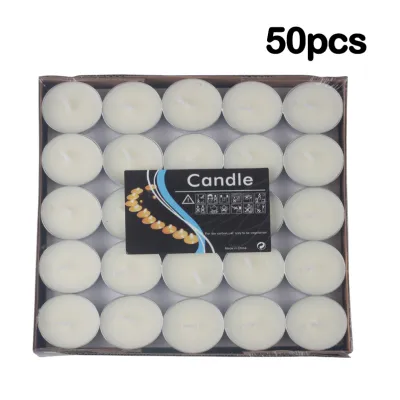
Prices are valid at publication and may change. Please refer to the product page for the latest price.
This guide focuses on three primary wellness goals: unwinding after a demanding day, sharpening concentration during work or study, and preparing the mind and body for deep, restorative sleep. Each of these goals is best supported by a distinct category of scent profiles.
Keep in mind that personal preference and past associations play a massive role in how you respond to any fragrance. Scent memory is highly individualized; if you have a stressful association with a specific plant, that aroma will not help you relax, regardless of its traditional reputation. Finding the right profile is a highly personal journey of discovery.
Best Scent Profiles for Relaxation and Unwinding
When your goal is to decompress, reduce daily stress, or create a calming atmosphere in the evening, look for scent families that feature middle to base notes. In aromatherapy, notes are classified by how quickly they evaporate. Base notes consist of larger, heavier molecules that linger in the air for hours, providing a grounding, stabilizing sensory anchor that helps soothe a hyperactive nervous system.

In Singapore’s fast-paced urban environment, creating a distinct sensory boundary between the working day and your evening rest is essential. Lighting a relaxing tea candle during a post-work bath, an evening reading session, or a gentle stretching routine acts as a powerful psychological cue. The physical act of lighting the flame signals to your brain that the demands of the day are officially over, allowing your body to begin its natural decompression process.
Floral and Herbal Notes
Lavender and Chamomile are the undisputed gold standards for soothing tension and easing a busy mind. Lavender contains high concentrations of linalool and linalyl acetate, natural compounds widely studied for their ability to calm autonomic nervous system activity. Chamomile, particularly Roman Chamomile, offers a warm, sweet, herbaceous aroma that helps quiet repetitive thoughts and ease mental chatter.
If you find lavender too conventional or overly sweet, Geranium and Clary Sage serve as excellent floral alternatives. Geranium has a balancing, green-floral scent that helps stabilize fluctuating emotions, while Clary Sage provides a deeply herbal, slightly musky profile that encourages physical relaxation and helps release muscle tension.
When selecting floral tea candles, look for blends that pair these botanicals with light, grounding earthy bases like cedarwood or patchouli. In smaller living spaces, such as a typical HDB bedroom or study, pure, heavy florals can quickly become cloying or headache-inducing. A woody anchor keeps the scent balanced, fresh, and sophisticated.
Woody and Earthy Notes
Sandalwood, Cedarwood, and Vetiver are highly grounding scents that bring a sense of stability and deep, meditative calm. Sandalwood is rich in santalol, a compound associated with reduced anxiety and improved mood. Cedarwood carries a dry, warm, comforting aroma, while Vetiver is intensely earthy and smoky, often referred to as the “oil of tranquility.”
These woody notes mimic the natural chemistry of a forest. In urban environments where access to dense nature is limited, bringing these botanical compounds indoors can trigger a physiological response similar to forest bathing, lowering cortisol levels and slowing a rapid pulse.
Because woody and earthy base notes have low volatility, they possess excellent longevity. Even a small tea candle can leave a warm, lingering aroma that subtly wraps around a room, making them perfect for transitioning a home office space into a peaceful sanctuary after working hours.
Best Scent Profiles for Focus and Concentration
To stimulate focus, clear mental fog, and support deep work or study sessions, bright, top-note-heavy scents are preferred. Top notes consist of small, highly volatile molecules that evaporate rapidly upon heating. This rapid release delivers an immediate, crisp sensory stimulus to the olfactory system, which can help increase alertness and sweep away cognitive fatigue without causing the nervous system jitters associated with caffeine.
These energizing profiles are ideal for morning routines to help you wake up, home office setups during intense deep-work blocks, or to combat the notorious afternoon slump—a common challenge in Singapore’s warm, humid climate when indoor spaces can start to feel heavy and sluggish.
Citrus and Bright Notes
Lemon, Sweet Orange, and Grapefruit are outstanding choices for promoting mental clarity and elevating mood. These citrus fruits are rich in limonene, a volatile compound that has been shown to stimulate sensory pathways, enhance alertness, and foster a positive, productive mindset.
Citrus scents are also universally associated with cleanliness, freshness, and order. Lighting a citrus-infused tea candle can act as a psychological reset, helping you clear physical and mental clutter before starting a challenging project or study session.
However, because pure citrus essential oils are highly volatile, they can evaporate very quickly when heated in a small tea light, leading to a weak or short-lived scent throw. To ensure your candle maintains its focus-boosting properties throughout your work session, look for blends where the citrus notes are anchored by a subtle herbal or woody base, such as rosemary or cedarwood, which helps slow down the evaporation of the citrus molecules.
Minty and Herbaceous Notes
Peppermint, Rosemary, and Eucalyptus are exceptionally powerful stimulants for memory, concentration, and cognitive performance. Peppermint contains high levels of menthol, which stimulates the sensory receptors in the nasal passages, creating a cooling sensation that sharpens focus and fights sleepiness. Rosemary contains 1,8-cineole, a compound traditionally linked to improved cognitive retention and speed during mental tasks.
Eucalyptus adds a sharp, medicinal clarity that helps open the respiratory system, encouraging deeper, more oxygen-rich breathing. This increased oxygenation naturally supports brain function and helps maintain high energy levels during long study sessions.
Because minty and herbaceous profiles are highly potent, they should be used in well-ventilated areas. In closed, small, air-conditioned rooms, a strong peppermint or eucalyptus scent can quickly become overwhelming, potentially irritating the eyes or throat. Keep a window cracked or ensure active air circulation to keep the aroma pleasant and effective.
Best Scent Profiles for Sleep and Bedtime Routines
Scent profiles designed for sleep differ significantly from those meant for general relaxation. While relaxation scents aim to soothe mental stress, sleep-inducing scents focus on heavier, slower-evaporating base notes that promote physical heaviness, slow down the heart rate, and signal to the brain’s pineal gland that it is time to transition into the sleep cycle.
To use these tea candles effectively, establish a consistent pre-sleep ritual. Light the candle in your bedroom 30 to 60 minutes before you plan to go to bed. This allows the heat of the flame to create a full pool of melted wax, releasing the soothing molecules into the air of your sleeping space. Crucially, always extinguish the flame completely before climbing into bed to ensure absolute safety.
Deep Floral and Soothing Blends
Ylang Ylang, Valerian, and deep Lavender blends are highly regarded for their traditional and scientifically supported sleep-inducing properties. Ylang Ylang has an exotic, sweet, slightly heavy floral aroma that helps lower blood pressure and slow a racing heart. Valerian, while intensely earthy and somewhat medicinal on its own, acts as a powerful sedative when blended correctly.
To prevent these heavy botanical scents from feeling too overwhelming, medicinal, or cloying in a bedroom, look for blends that incorporate a touch of Bergamot. Bergamot is a unique citrus fruit; unlike its stimulating cousins, it contains high levels of linalool and linalyl acetate, making it deeply calming and excellent for balancing heavy florals.
Reserve these specific deep floral blends exclusively for your bedroom. By avoiding their use in shared living spaces or home offices, you build a strong, exclusive psychological association between this specific scent profile and the act of sleeping, helping your brain wind down faster over time.
Warm and Comforting Notes
Vanilla, Tonka Bean, and Amber offer a different pathway to sleep by providing a sense of emotional comfort, warmth, and security. Vanilla contains vanillin, a compound that has a universally comforting effect on human psychology, often associated with safety and nurture. Tonka Bean offers a rich, sweet aroma reminiscent of almonds and freshly cut hay, while Amber provides a resinous, warm, slightly sweet depth.
These comforting notes are particularly beneficial for individuals whose sleep is disrupted by nighttime anxiety, racing thoughts, or a general feeling of restlessness. The enveloping warmth of these scents helps create a cozy sensory cocoon that makes the bedroom feel like a safe haven.
Warm, sweet notes pair exceptionally well with natural candle bases. When blended with the natural, subtle, honey-like aroma of pure beeswax or the clean, creamy scent of a soy wax base, these comforting notes become even richer and more soothing, creating a highly effective bedtime atmosphere.
What to Check Before Buying Aromatherapy Tea Candles
To ensure your aromatherapy tea candles deliver genuine wellness benefits while burning cleanly and safely in your home, it is essential to evaluate several technical specifications before making a purchase.
Wax Type
The type of wax used is the foundation of a candle’s performance and safety.
- Soy Wax: Made from hydrogenated soybean oil, soy wax burns slowly and cleanly at a lower temperature. This lower melting point is ideal for aromatherapy because it prevents the delicate essential oils from burning off too quickly or losing their therapeutic properties.
- Beeswax: A natural, non-toxic wax that burns very cleanly and has a high melting point. It naturally emits negative ions when burned, which can help neutralize indoor air pollutants like dust and pollen. It carries a subtle, sweet honey scent that pairs beautifully with warm, earthy essential oils.
- Coconut Wax: Highly sustainable and clean-burning, coconut wax has an outstanding ability to hold and throw scent. However, it has a very low melting point and is often blended with soy or beeswax to increase its stability.
- Paraffin Wax: A byproduct of petroleum refining. Paraffin is cheap and holds scent well, but it releases petrochemical soot when burned. This soot can accumulate on walls, irritate sensitive respiratory systems, and distort the pure, delicate scent profiles of high-quality essential oils. For genuine aromatherapy, avoid paraffin-based candles.
Fragrance Source
Understand what is creating the aroma.
- Pure Essential Oils: Extracted directly from plants via steam distillation or cold pressing. They contain the active, therapeutic compounds of the plant, making them the only choice for true clinical aromatherapy. However, they can be delicate, have a softer scent throw, and are more expensive.
- Synthetic Fragrance Oils: Artificially created in a laboratory. While they can mimic almost any scent and offer a highly potent, consistent scent throw, they do not contain any of the bioactive botanical compounds that support emotional well-being.
- Botanical Blends: High-quality, phthalate-free fragrance oils that combine natural essential oils with plant-derived aromatic isolates. These offer an excellent middle ground, providing a strong, reliable scent throw while maintaining a clean, non-toxic burn profile.
Wick Material
The wick dictates how cleanly the candle burns. Look for wicks made from 100% natural cotton, paper, or sustainably sourced wood. Avoid wicks with hidden metal cores, such as lead or zinc. Although lead wicks have been widely banned, some imported or low-quality candles may still contain zinc or other metal cores designed to keep the wick standing upright in liquid wax. These metal cores can release microscopic heavy metal particles into your indoor air when burned.
Climate Considerations
If you live in a warm, humid tropical climate like Singapore, storing your tea candles correctly is vital. Natural waxes, particularly coconut and soy, have low melting points and can easily soften, warp, or “sweat” (where the essential oils separate from the wax and pool on the surface) if left in hot rooms, near sunny windows, or close to heat-emitting appliances. Store your tea candles in a cool, dry, dark cupboard. This preserves the structural integrity of the wax and prevents the highly volatile essential oils from evaporating prematurely.
Burn Time
Standard tea light candles, which typically contain between 15 and 20 grams of wax, have a burn time of approximately 3 to 5 hours. This limited lifespan is actually a practical benefit for aromatherapy. It serves as a built-in timer for targeted, single-session routines—such as a 45-minute yoga practice, a relaxing bath, or a pre-sleep reading session—without the risk of leaving a larger jar candle burning continuously for hours on end.
Safe Burning and Household Safety Guidelines
While aromatherapy tea candles are an excellent addition to your wellness routine, burning any open flame indoors requires strict adherence to safety protocols to protect your home and household members. Always check the manufacturer’s care instructions and safety labels on both the candle and any holder you use before lighting.
Fire Safety
The absolute rule of candle safety is never to leave a burning candle unattended. Because tea lights are small, they are often placed in casual spots, but they still generate significant heat. Always place tea lights on sturdy, heat-resistant surfaces such as ceramic plates, stone coasters, or thick glass holders specifically designed for tea lights. Keep them far away from drafts, open windows, ceiling fans (which can cause the flame to flicker wildly, leading to uneven burning and soot), and flammable materials like curtains, books, or paper.
Pet Safety
If you share your home with pets, extreme caution is required. Many essential oils commonly used in aromatherapy—including Eucalyptus, Tea Tree, Peppermint, Pine, Cinnamon, and certain concentrated Citrus oils—are highly toxic to cats and dogs. Pets have a much more sensitive sense of smell than humans, and their livers lack the specific enzymes needed to metabolize and break down these volatile organic compounds. Inhaling concentrated vapors or accidentally ingesting wax can lead to respiratory distress, neurological symptoms, or liver damage. Always burn candles in well-ventilated rooms, ensure your pets have a clear path to leave the room if the scent bothers them, and store all candles safely out of reach of curious paws.
Infant and Pregnancy Safety
Individuals who are pregnant, particularly in the first trimester, and households with newborn infants should consult a qualified healthcare provider before using strong essential oil candles. Some botanical extracts can trigger respiratory sensitivities in developing lungs or, in rare cases, influence uterine activity. Ensuring a highly diluted scent and excellent room ventilation is essential when using candles around vulnerable individuals.
Extinguishing
To put out your tea candle, always use a dedicated candle snuffer or gently dip the lit wick into the liquid wax pool using a metal tool, then straighten it back up. Avoid blowing out the flame. Blowing out a tea candle can cause the shallow pool of hot liquid wax to splatter onto your skin or surrounding surfaces. Additionally, blowing out a wick produces a significant amount of black smoke and soot, which can quickly ruin the clean, therapeutic atmosphere you spent the last hour creating.
Frequently Asked Questions (FAQ)
How long do aromatherapy tea candles typically burn?
Standard aromatherapy tea candles generally have a burn time of 3 to 5 hours. This duration depends on several factors, including the specific wax blend (beeswax and soy burn slower than paraffin), the thickness of the cotton wick, and the presence of drafts in the room. This compact lifespan makes tea lights ideal for focused, time-bound wellness routines like a meditation session, a bath, or a pre-bedtime wind-down, rather than continuous all-day scenting.
Can I use essential oil tea candles around pets?
Yes, but with significant precautions. Many popular essential oils, such as eucalyptus, tea tree, peppermint, and citrus, are toxic to dogs and cats. If you choose to burn essential oil candles, ensure the room is large and well-ventilated, keep the candle completely out of your pet’s reach, and always leave a door open so your pet can freely exit the room if the scent becomes too intense for their sensitive respiratory systems. Always verify specific ingredients against veterinary safety guidelines before use.
Community discussion
Share your experience or ask a question. Comments are reviewed before publication.