
Quick Answer: How to Evaluate Automatic Room Spray Brands
Selecting the right automatic room spray brand in Singapore depends on matching the device’s technology to your specific living conditions, room sizes, and scent sensitivities. There is no single brand that fits every household perfectly; instead, the ideal choice involves balancing upfront hardware costs against the long-term expense of proprietary refills.
Before committing to a specific brand ecosystem, it is highly recommended to verify the local availability and pricing of its refills at your neighborhood supermarkets or preferred online marketplaces. Some specialized or premium brands may offer superior aesthetic designs but require ordering refills from limited sources, whereas mass-market brands provide the convenience of easily accessible replacements during your regular grocery runs.
Key Features to Compare Across Brands
Spray Mechanisms and Coverage
When comparing automatic room spray brands, the primary technical distinction lies in the spray mechanism. Traditional mass-market brands typically utilize pressurized aerosol canisters that release a fine, dry mist at scheduled intervals. These systems are highly effective at rapidly dispersing fragrance across standard-sized rooms, but they rely on chemical propellants that some homeowners prefer to avoid.
Products mentioned in this guide
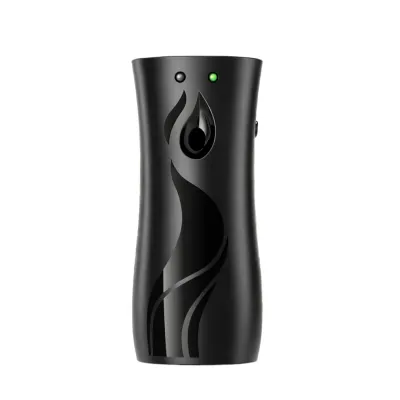
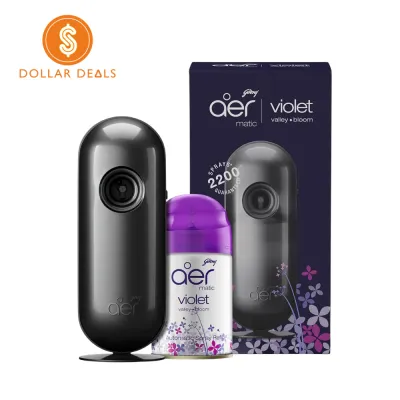

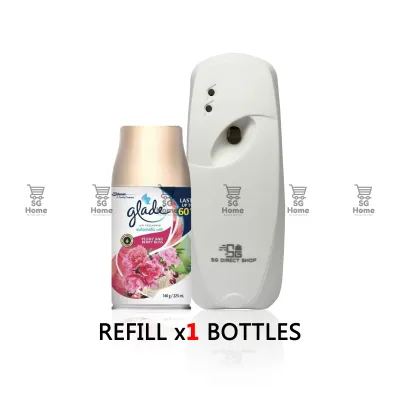
Prices are valid at publication and may change. Please refer to the product page for the latest price.

Alternatively, modern premium brands often feature non-aerosol misting technologies, such as ultrasonic or piezo-ceramic atomizers. These devices use high-frequency vibrations to turn liquid fragrance or essential oil blends into a micro-fine vapor. Non-aerosol systems operate almost silently and do not use propellants, making them an increasingly popular choice for bedrooms and study rooms in Singapore apartments.
Coverage limits vary significantly between these two technologies. A standard aerosol-based automatic spray is generally designed to cover an enclosed space of approximately 15 to 25 square meters, which easily accommodates a typical HDB bedroom or master bath. Ultrasonic misting devices often have adjustable output settings, allowing them to cover smaller localized zones or larger open-plan living areas depending on the mist volume selected.
Timer and Interval Settings
Control and customization options are crucial for managing how much fragrance is released into your home. Basic entry-level brands usually offer simplified timer settings, typically restricted to three or four fixed intervals such as 9, 18, or 36 minutes. While these fixed timers are straightforward to operate, they offer little flexibility if you want to conserve the refill when the room is unoccupied.
More advanced brands incorporate smart sensors to optimize fragrance delivery. Light-sensitive models can automatically detect when a room goes dark, pausing the spray cycle during the night to extend the lifespan of the refill canister. Other premium models feature built-in motion sensors that trigger a spray only when physical activity is detected in the room, ensuring that fragrance is not wasted on empty spaces.
Manual override buttons are another valuable feature to look for during your comparison. A physical button on the exterior of the device allows you to trigger an immediate burst of freshness on demand, such as after cooking or when guests arrive, without disrupting the pre-programmed automatic interval cycle.
Scent Variety and Formulations
The olfactory experience is highly subjective, and different brands cater to distinct aromatic preferences. Mass-market brands generally offer a wide selection of synthetic fragrances designed for high-intensity odor masking. These formulations often feature classic profiles like clean linen, lavender, or citrus, which are highly effective at covering up household odors but can sometimes feel overpowering in small, poorly ventilated spaces.
In contrast, premium lifestyle brands tend to focus on sophisticated scent profiles formulated with natural essential oils. These blends are designed to mimic high-end hotel lobbies or spa environments, offering layered notes of sandalwood, eucalyptus, white tea, or bergamot. These formulations provide a more subtle, ambient scent experience that enhances the home decor aesthetic rather than simply masking odors.
When evaluating formulations, it is also important to distinguish between simple masking agents and active odor neutralizers. Some brands include specialized zinc-based or organic compounds in their sprays that chemically bind to and neutralize odor molecules in the air. This is a key feature to verify if you are looking to eliminate persistent smells from pets, cooking, or dampness rather than just covering them up with heavy perfume.
Assessing Value for Money and Ongoing Costs
Device vs. Refill Pricing
Evaluating the true cost of an automatic room spray requires looking far beyond the initial purchase price of the starter kit. Many brands operate on a classic “razor-and-blade” business model, where the automatic dispenser device itself is sold at a very low, accessible price point—often between S$15 and S$25—while the proprietary refills carry a premium price.
Over the course of a year, the recurring cost of purchasing these proprietary refills will quickly surpass the initial hardware investment. A single refill canister can range from S$6 for basic supermarket brands to over S$25 for premium essential oil cartridges. Because these canisters are designed with unique neck shapes, nozzle heights, or electronic chips, you are generally locked into buying that specific brand’s refills once you purchase their dispenser.
Refill Longevity and Yield
To calculate the ongoing value of a brand, you must examine the estimated longevity of its refills under real-world conditions. Manufacturers typically advertise that a single refill can last “up to 60 days” or “up to 70 days.” However, these estimates are almost always calculated using the longest possible interval setting (such as 36 or 40 minutes) and assuming the device is turned off or inactive for a portion of the day.
If you prefer a more noticeable fragrance and set your device to a frequent 9-minute or 15-minute interval, a standard refill may only last between two to three weeks. When comparing brands, look at the fluid volume of the refill (typically measured in milliliters) and compare it against the manufacturer’s stated spray count per canister to get a clearer picture of the actual yield per dollar spent.
Power Consumption
The power source of the automatic dispenser is another factor that influences both convenience and long-term operating costs. The vast majority of standard automatic room sprays run on AA or AAA alkaline batteries. Depending on the frequency of the spray intervals and whether the device utilizes active motion sensors, you may find yourself replacing these batteries every two to four months.
To minimize ongoing battery costs and reduce environmental waste, verify whether the device is compatible with rechargeable NiMH batteries, as some older or cheaper mechanisms may struggle to operate on the slightly lower voltage of rechargeable cells. Alternatively, some premium modern brands offer USB-rechargeable internal batteries or direct wall plug-in options, which eliminate battery replacement costs entirely, provided you have an electrical outlet near your desired placement spot.
Decision Framework: Choosing the Right Automatic Room Spray
Choose premium feature brands if:
- You prioritize complex, natural scents: If you prefer subtle, spa-like aromas formulated with natural essential oils over strong, synthetic perfumes, premium brands are worth the higher refill cost.
- You want smart-home integration: Select a premium brand if you appreciate the convenience of controlling spray schedules, adjusting mist intensity, and monitoring refill levels via a smartphone app.
- Aesthetic integration is important: Premium devices are often designed to look like high-end decor pieces, utilizing matte finishes, wood-grain accents, or sleek minimalist shapes that blend seamlessly into modern Singapore interiors.
Choose budget-friendly basic brands if:
- You need simple, reliable utility: If your primary goal is to maintain a consistent, fresh scent in high-traffic or utility areas like bathrooms, shoe cabinets, or laundry yards, a basic timer-based device is highly efficient.
- You want maximum convenience and accessibility: Basic brands offer the advantage of widely available refills that can be purchased at almost any local supermarket, convenience store, or neighborhood shop in Singapore.
- You are managing a strict budget: If you want to keep your ongoing monthly maintenance costs low, the affordable pricing of mass-market refills makes basic brands the most economical long-term choice.
Verify first if:
- You have pets or infants in the home: Many essential oils (such as tea tree, eucalyptus, and certain citrus oils) can be highly toxic to cats and dogs, and strong synthetic fragrances can irritate the sensitive respiratory systems of infants. Always check the ingredient transparency on the packaging and opt for brands that offer pet-safe, hypoallergenic, or fragrance-free odor-neutralizing options.
- Family members suffer from asthma or allergies: If anyone in your household has respiratory sensitivities, verify the safety warnings and chemical formulations of the sprays. Look for brands that are certified low-emission or those that allow you to adjust the spray volume to its lowest setting to prevent triggering respiratory discomfort.
Installation, Placement, and Safety Checks
Optimal Placement
Proper placement of your automatic room spray dispenser is essential for ensuring even fragrance distribution and maintaining a safe home environment. Always mount or place the device at a height of at least 2 meters above the floor. This elevated position allows the released mist to disperse and dilute in the air before it reaches eye level or settles onto household surfaces.
Avoid placing the dispenser directly above polished wood furniture, delicate fabrics, leather upholstery, or electronic appliances. Over time, the falling mist residue can accumulate on these surfaces, causing staining, moisture damage, or creating a slippery hazard on tiled floors. Ensure the nozzle is pointed away from high-traffic walkways and seating areas so that the spray does not discharge directly onto anyone’s face or clothing.
Environmental Triggers
Singapore’s tropical climate presents unique environmental factors that can affect the performance of automatic room sprays. High relative humidity can cause the sprayed mist droplets to absorb moisture from the air, making them heavier and causing them to fall to the ground faster rather than remaining suspended. This may require you to adjust the device to a less frequent setting to prevent residue buildup on your floors.
Air conditioning units and ceiling fans also play a major role in scent dispersion. Placing a dispenser directly in front of an air conditioner’s strong draft or directly under a ceiling fan can sweep the fragrance out of the room or push it into corners before it has a chance to circulate properly. Position the device in an area with gentle, natural air circulation for the most balanced scent distribution.
Additionally, avoid placing devices in direct sunlight, such as near windows. Intense sunlight can degrade the quality of the fragrance oils inside the canister, reduce the battery life due to heat exposure, and potentially interfere with the infrared sensors used in motion-activated models.
Safety and Maintenance
Regular maintenance is key to keeping your automatic dispenser operating safely and efficiently. Periodically wipe the exterior of the device and the spray nozzle with a damp cloth to remove any dried fragrance residue or dust. A clogged nozzle can cause the spray mechanism to strain, leading to premature battery drain or causing the liquid to drip down the front of the device.
If you are using an aerosol-based system, keep the canisters far away from heat sources, open flames, or hot appliances like kitchen stoves. Pressurized aerosol cans pose a serious rupture hazard if exposed to temperatures exceeding 50 degrees Celsius. When a canister is completely empty, dispose of it responsibly in accordance with local recycling and waste management guidelines, ensuring you do not puncture or incinerate the can.
Frequently Asked Questions (FAQ)
Can I use third-party or generic refills in branded automatic spray devices?
It is generally not recommended to mix different brands of dispensers and refills. While some generic refills claim to be universal, subtle differences in nozzle height, collar shape, and valve pressure can prevent the dispenser from operating correctly. Using an incompatible refill can lead to internal leaking, clog the spray mechanism, strain the motor, or completely void the manufacturer’s warranty. Always verify the compatibility list on the refill packaging before purchasing.
Do automatic room sprays work effectively in large, open-concept spaces?
Standard consumer automatic room sprays are designed primarily for enclosed, single-room environments like bedrooms or bathrooms. In large, open-concept living and dining areas typical of modern Singapore HDB flats, a single standard device may not provide sufficient coverage. To achieve effective fragrance distribution in larger spaces, you may need to strategically place multiple units at opposite ends of the room, or consider upgrading to a high-capacity commercial-grade cold-air diffusion system.
Community discussion
Share your experience or ask a question. Comments are reviewed before publication.