
Finding the most energy-efficient B22 LED bulb in Singapore does not come down to a single, permanent brand winner. Because manufacturers constantly update their production batches, chip designs, and driver configurations, the most reliable way to secure maximum electricity savings is to evaluate the specific luminous efficacy of individual bulbs while ensuring they carry the necessary local safety certifications.
By understanding how to read packaging specifications and identifying key performance indicators, you can confidently compare different brands on the market. This approach ensures you purchase bulbs that offer the highest light output for the lowest power consumption, tailored specifically to your household needs.
How to Measure B22 LED Energy Efficiency
To make an informed decision, you must first shift your focus away from wattage as a measure of brightness. In older incandescent lighting, wattage was a reliable shorthand for light output because every bulb of a certain wattage behaved similarly. With LED technology, wattage represents only the electrical power consumed, not the amount of light produced.
Products mentioned in this guide
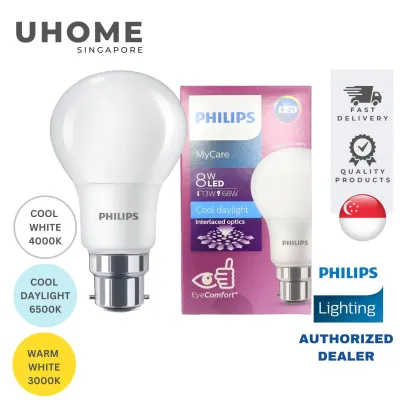
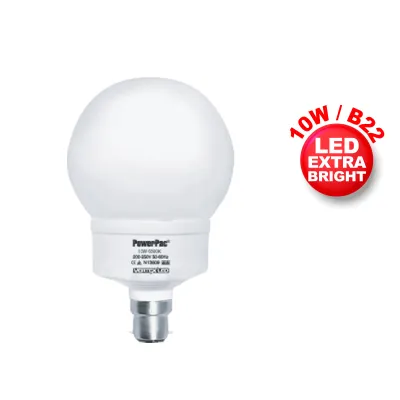
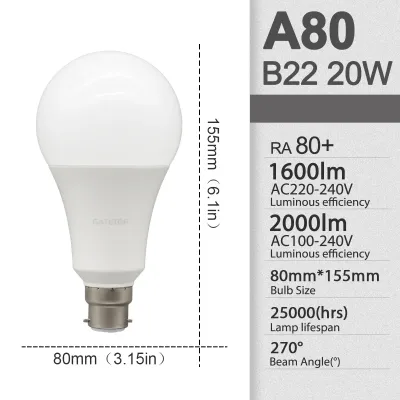
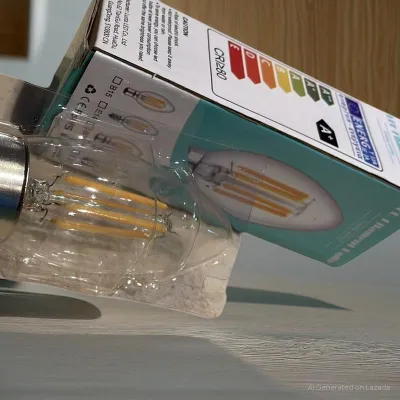
Prices are valid at publication and may change. Please refer to the product page for the latest price.
The actual light output of an LED bulb is measured in lumens. A higher lumen rating means a brighter light, regardless of how much power the bulb draws to achieve it. When comparing B22 bulbs, looking at the wattage alone can lead to purchasing an inefficient model that consumes unnecessary electricity.
The true metric of energy efficiency is luminous efficacy, expressed as lumens per watt (lm/W). This ratio tells you exactly how much light a bulb delivers for every single watt of electricity it draws from your home’s electrical grid. For example, a bulb that produces 800 lumens while consuming 8 watts has an efficacy of 100 lm/W, whereas a less efficient bulb might require 10 watts to produce the same 800 lumens, resulting in an efficacy of only 80 lm/W.
By prioritizing a higher lm/W ratio, you directly lower your monthly utility bills. Over the multi-year lifespan of an LED bulb, even a small difference in efficacy can accumulate significant savings, especially in households where lights remain on for several hours every evening.
What to Check on the Packaging Before Buying
When browsing options on an online marketplace or at a local hardware store, you must actively calculate or locate the lm/W ratio. While some manufacturers print the efficacy directly on the box, others only list the total lumens and the total wattage. Simply divide the lumen figure by the wattage to find the efficiency rating of that specific model.

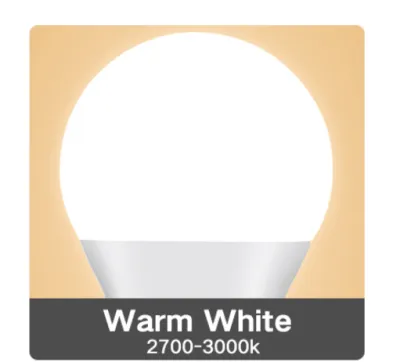
You should also pay close attention to the colour temperature, measured in Kelvin (K). Common options include warm white (around 2700K to 3000K), cool white (4000K), and daylight (6000K to 6500K). While colour temperature dramatically alters the visual atmosphere of your living room or kitchen, it does not directly dictate energy efficiency; however, the physical phosphors used to create cooler light temperatures often yield slightly higher luminous efficacy than those used for warm light.
Another critical metric is the Colour Rendering Index (CRI), which measures how accurately a light source reveals the true colours of objects compared to natural light. Standard bulbs typically offer a CRI of 80, which is sufficient for most residential spaces. High-CRI bulbs (CRI 90 or above) provide exceptional colour accuracy but often come with a minor trade-off: they require more complex phosphor coatings that can slightly reduce the overall lm/W efficacy.
For general utility areas like corridors or storerooms, prioritizing maximum lm/W over a high CRI is a practical way to optimize savings. For dining areas or vanity mirrors where colour accuracy matters, you may choose to accept a slightly lower efficacy to achieve better visual quality.
Verifying Safety Marks and Local Compliance
In Singapore, B22 bayonet cap lamps are classified as controlled goods under the Consumer Protection (Safety Requirements) Registration Scheme. This means any B22 bulb sold locally must undergo rigorous testing to receive the mandatory SAFETY Mark. This mark, accompanied by a unique eight-digit registration number, must be clearly visible on the product packaging or the bulb itself.
The SAFETY Mark ensures that the bulb’s internal driver, insulation, and bayonet base comply with local electrical safety standards. It guarantees that the device can safely handle the standard domestic voltage of 230V at a frequency of 50Hz. Operating uncertified bulbs imported directly from overseas platforms without this mark poses severe risks, including short circuits, electrical fires, and premature driver failure.
When evaluating brands, look for recognized testing laboratory logos alongside the SAFETY Mark. These certifications confirm that the manufacturer has invested in high-quality components that will not degrade dangerously under continuous electrical load.
Never sacrifice safety for a minor increase in claimed efficacy. Unbranded bulbs sold on global ecommerce platforms often advertise impossibly high lm/W ratios, but these claims are frequently untested and the lack of proper electrical insulation presents a direct hazard to your household.
Evaluating Brand Reliability and Long-Term Efficiency
A bulb’s energy efficiency on day one is only half the story; you must also consider how well it maintains that efficiency over its operating life. LED chips naturally degrade over time, a process known as lumen depreciation. High-quality brands design their bulbs to minimize this loss, ensuring that the light output does not drop noticeably after a few thousand hours of use.
The primary enemy of LED longevity and sustained efficiency is heat. Singapore’s humid, tropical climate presents a challenging environment for electronic components. If a B22 bulb lacks proper thermal management, such as a well-designed heat sink or high-grade thermal paste, the heat generated by the driver will build up rapidly. This excess heat degrades the LED chips, causing them to lose brightness and consume more power relative to their light output.
To gauge a manufacturer’s confidence in their thermal engineering, compare the warranty periods offered by different brands. A longer warranty, such as two to three years, typically indicates that the brand uses robust components capable of withstanding continuous operation in warm environments.
Additionally, if you are considering smart B22 bulbs, you must factor in standby power consumption. Unlike standard bulbs that draw zero power when switched off at the wall, smart bulbs must remain connected to your home Wi-Fi or Zigbee network to receive wireless commands. This standby power, though small (often under 0.5 watts), runs continuously 24 hours a day and can offset some of the energy savings if the bulb is rarely used.
Decision Framework: Choosing the Right B22 Bulb
To finalize your purchase, establish a clear decision framework based on your specific household habits. If your primary goal is absolute electricity savings with zero ongoing standby draw, standard, non-smart B22 LED bulbs with the highest calculated lm/W ratio are the ideal choice. These are best suited for high-use areas like living rooms and kitchens where lights remain on for extended periods.
If you prefer convenience, automation, or remote control, smart B22 bulbs are highly functional. To ensure they remain energy-efficient, utilize their scheduling features to turn them off automatically when rooms are unoccupied, which helps offset their continuous standby power draw.
Before installing any B22 bulb, inspect the light fixture itself. If the fixture is fully enclosed, heat will trap easily around the bulb. Standard LED bulbs installed in enclosed fixtures will overheat rapidly, leading to early failure and declining efficiency. For these setups, verify on the packaging that the bulb is explicitly rated for enclosed fixtures, or opt for fixtures that allow natural airflow to cool the bayonet base.
Always isolate the power supply at the main switch before replacing any bulb, and if you are dealing with high ceilings or complex fixed wiring installations, consult a qualified professional to ensure a safe setup.
Frequently Asked Questions (FAQ)
Do dimmable B22 LED bulbs consume less energy when dimmed?
Yes, dimming a B22 LED bulb reduces its power consumption because the dimmer switch limits the electrical current flowing to the LED driver. However, the relationship is not perfectly linear; the luminous efficacy (lm/W) may drop slightly at very low dimming levels. To achieve these savings safely, you must ensure that both the B22 bulb is explicitly labeled as dimmable and that your wall dimmer switch is compatible with LED technology to prevent flickering or driver damage.
Is it worth replacing working older bulbs with newer high-efficacy models?
Replacing working older LED bulbs is generally only cost-effective if the existing bulbs have a very low efficacy (such as older models operating below 70 lm/W) and are located in high-use areas. If you are replacing old incandescent or compact fluorescent (CFL) bulbs, the transition to high-efficacy B22 LEDs will yield immediate, noticeable savings on your electricity bill that quickly offset the upfront purchase price. For existing LEDs that are still functioning well, it is usually more economical to wait until they reach the end of their lifespan before upgrading to the latest high-efficacy models.

Community discussion
Share your experience or ask a question. Comments are reviewed before publication.