
When selecting a blanket, understanding its precise material composition is the key to predicting how it will perform in daily use. Baabaa Sheepz blankets are widely recognized for their signature bamboo viscose fabric, which is frequently blended with a small percentage of spandex to provide a characteristic stretch and fluid drape. Depending on the specific product line and collection, the brand may also utilize other fibers, such as organic cotton or polyester blends, to achieve different weights, textures, and thermal properties. These material choices directly dictate the blanket’s breathability, moisture-wicking capabilities, thermal insulation, and overall tactile feel against the skin. For consumers navigating tropical climates or seeking specific sensory qualities, analyzing these fabric components is essential to finding the perfect balance between cozy warmth and cooling comfort.
Identifying the Materials in Baabaa Sheepz Blankets
To make an informed purchasing decision, you must look past creative marketing descriptions and focus on the standardized fiber content of the blanket. Manufacturers often use evocative terms such as “cloud fleece,” “velvet touch,” “mink feel,” or “bamboo luxury” to convey a sensory experience. While these terms help describe how a fabric feels, they do not represent official textile classifications. A blanket marketed as having a “velvet touch” could be made of one hundred percent polyester, while “bamboo luxury” might refer to a bamboo-derived viscose or a synthetic blend designed to mimic the properties of bamboo.
The only reliable method to verify the exact material composition of a Baabaa Sheepz blanket is to check the physical care label permanently attached to the product, the official brand website’s technical specification section, or product descriptions provided by authorized distributors. By law in many regions, physical textile labels must state the exact fiber percentages. For example, a label indicating “95% Viscose from Bamboo, 5% Spandex” tells you exactly what fibers are present and in what proportions.
Products mentioned in this guide
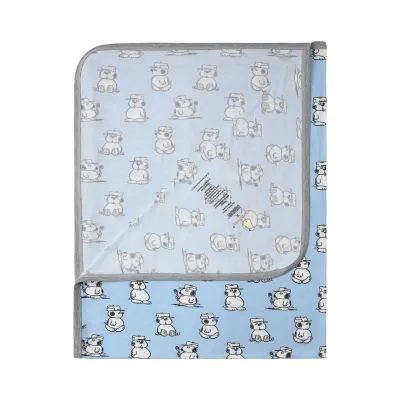
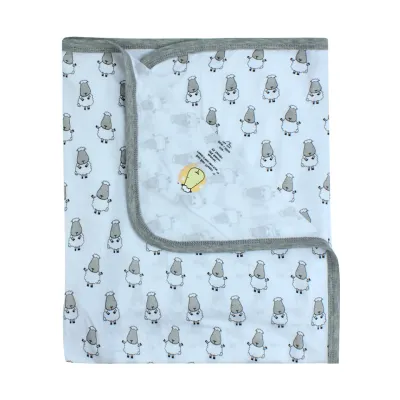
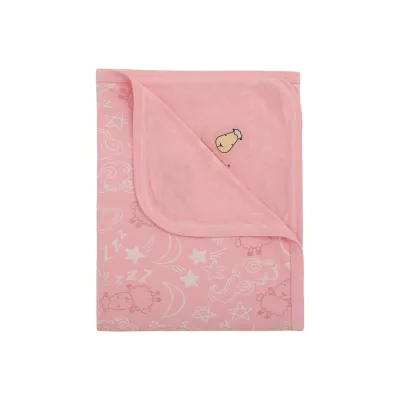
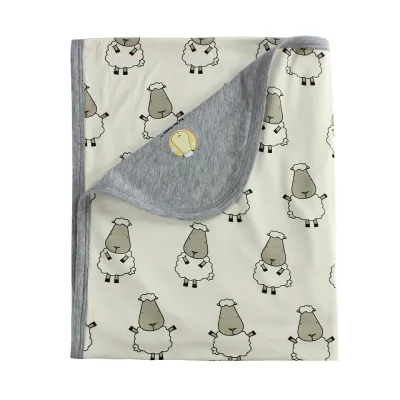
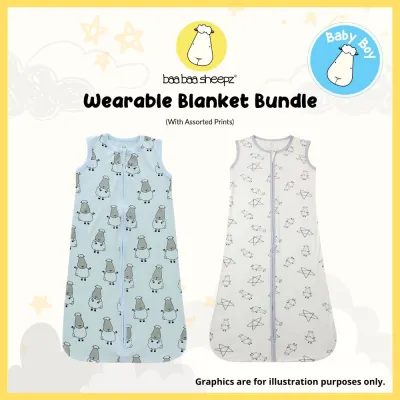
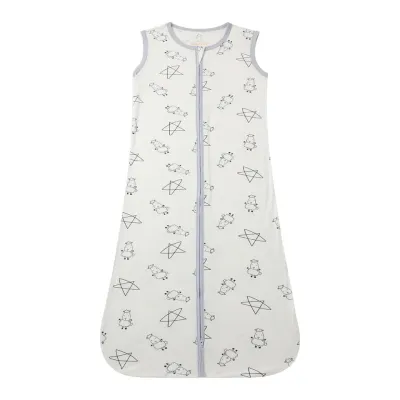
Prices are valid at publication and may change. Please refer to the product page for the latest price.
Understanding these percentages is crucial because the dominant fiber dictates the blanket’s physical behavior and comfort profile. A fabric containing ninety-five percent bamboo viscose will exhibit the high breathability, moisture absorption, and silky drape characteristic of bamboo cellulose. Conversely, a blanket made primarily of polyester, even if it contains a small amount of cotton or bamboo, will behave like a synthetic textile, prioritizing heat retention over breathability. Never assume a blanket’s composition based solely on the brand name or product title; always verify the physical tag or official specification sheet before committing to a purchase.
How Common Blanket Fibers Influence Comfort
Different textile fibers possess distinct physical and chemical properties that shape how a blanket feels against your skin, how heavily it rests on your body, and how well it manages heat and moisture. Understanding these differences allows you to anticipate the comfort experience of a blanket before you ever touch it.

Synthetic Fibers (Polyester, Acrylic, Microfleece)
Synthetic fibers like polyester and acrylic are engineered polymers widely used in plush, fleece, and “minky” throw blankets. These fibers are characterized by their high tactile softness and excellent loft, which allows them to trap pockets of air and provide high thermal insulation. This makes synthetic blankets exceptionally warm while remaining relatively lightweight, offering a cozy, enveloping feel without pressing down heavily on the sleeper.
However, synthetic fibers are inherently hydrophobic, meaning they repel water and have very low moisture absorption capabilities. In warm, humid, or non-air-conditioned environments, this lack of breathability can lead to heat trapping and sweat accumulation. Because the fabric cannot absorb or wick away perspiration, moisture becomes trapped between your skin and the blanket, creating a damp, clammy microclimate that can disrupt sleep and cause discomfort.
Natural and Semi-Synthetic Fibers (Cotton, Wool, Bamboo Viscose)
Natural and semi-synthetic fibers offer a different comfort profile, prioritizing breathability, moisture management, and temperature regulation. Bamboo viscose, which is highly prominent in Baabaa Sheepz products, is a semi-synthetic fiber created by chemically processing natural bamboo cellulose into a soft, regenerated fiber. Under a microscope, bamboo viscose fibers are smooth and round, lacking the rough scales of wool or the flat, twisted shape of cotton. This structural uniformity gives bamboo viscose an incredibly soft, silk-like texture that minimizes friction against the skin. Furthermore, bamboo viscose is highly hydrophilic, meaning it excels at absorbing moisture and pulling sweat away from the body, facilitating natural evaporative cooling.
Cotton is a classic natural fiber valued for its structural integrity, breathability, and moderate weight. Unlike synthetic fibers, cotton allows air to circulate freely, preventing heat buildup and making it highly suitable for year-round use. It has a more grounded, substantial feel on the body compared to lightweight synthetics and tends to become softer with each subsequent wash. Wool, though less common in lightweight summer blankets, is a premier natural insulator with exceptional thermal regulation properties. It can absorb a significant amount of moisture without feeling wet, keeping the sleeper warm in cold conditions and cool in warmer environments, though its natural texture can sometimes feel coarse or scratchy to sensitive skin.
Blended Fabrics
Textile manufacturers frequently blend different fibers to combine their unique advantages while mitigating their individual drawbacks. A common example is blending bamboo viscose with spandex (elastane). While pure bamboo viscose is incredibly soft and breathable, it can lose its shape or stretch out over time when subjected to tension or frequent washing. Adding a small percentage of spandex—typically around five percent—introduces elastic recovery, allowing the blanket to stretch comfortably and return to its original shape, while also enhancing its fluid, heavy drape.
Other common blends, such as cotton-polyester, seek to balance the breathability and natural feel of cotton with the durability, wrinkle resistance, and quick-drying properties of polyester. When evaluating a blended fabric, always identify the dominant fiber in the mix. If a blanket is eighty percent cotton and twenty percent polyester, its performance will closely align with the breathable, natural characteristics of cotton, whereas a ninety percent polyester and ten percent cotton blend will behave primarily as a warm, synthetic blanket.
Matching Material Properties to Your Environment and Preferences
To select the ideal blanket material, you must match the physical properties of the fibers to your specific living environment, personal sensory preferences, and physical needs, particularly within the context of Singapore’s tropical climate.
Air-Conditioned vs. Non-Air-Conditioned Spaces
The climate of your sleeping or lounging environment is the most critical factor in determining which blanket material will keep you comfortable. In Singapore, where outdoor temperatures and humidity remain high, indoor spaces are typically divided into naturally ventilated rooms and heavily air-conditioned zones.
If you primarily use your blanket in a non-air-conditioned room with ceiling fans or open windows, prioritizing breathability and moisture-wicking is essential. A single-layer bamboo viscose blanket or a lightweight, open-weave cotton throw is ideal for these spaces. These materials allow heat to escape and actively wick away perspiration, keeping your skin dry and preventing the clammy sensation associated with trapped humidity.
Conversely, if you sleep in a heavily air-conditioned bedroom where temperatures are maintained at low settings (such as 18°C to 22°C), your primary need shifts toward thermal insulation. In this scenario, a multi-layered bamboo blanket, a cotton knit with a tighter weave, or a lightweight synthetic plush throw can provide the necessary loft to trap body heat and keep you warm and cozy throughout the night.
Sensory and Weight Preferences
People have highly diverse sensory preferences when it comes to the weight and drape of a blanket. Some individuals experience a psychological sense of security and relaxation when covered by a heavy, substantial fabric. If you prefer a grounded, secure feeling, look for multi-layered cotton blankets, heavy knit structures, or blankets with a higher fabric weight (measured in grams per square meter, or GSM). These materials rest firmly on the body, providing a comforting pressure.
If you prefer a weightless, airy sensation where the blanket feels like a gentle, cooling cloud, bamboo viscose blends are an excellent choice. The high drape factor of bamboo viscose allows the fabric to fall in fluid, liquid-like folds, contouring closely to your body’s shape without applying heavy physical pressure. This close fit provides a comforting “hug” while remaining highly breathable and lightweight.
Skin Sensitivity
For individuals with sensitive skin, eczema, or sensory processing sensitivities—as well as for infants and toddlers—the texture of a blanket is paramount. Coarse fibers, rough seams, or synthetic fabrics that trap heat and sweat can quickly irritate sensitive skin, leading to redness, itching, and discomfort.
When shopping for sensitive individuals, always check the care label or product specifications for independent safety certifications, such as the Oeko-Tex Standard 100. This certification guarantees that the textile has been rigorously tested for harmful levels of chemicals, pesticides, and heavy metals, ensuring it is safe for direct contact with delicate skin. Smooth, friction-free fibers like high-quality bamboo viscose and organic cotton are highly recommended for sensitive skin due to their round fiber structures and excellent moisture management, which prevent sweat from lingering on the skin and causing irritation.
Verifying Quality, Durability, and Care Requirements
A blanket’s material composition directly dictates how it must be washed, dried, and maintained to preserve its original softness, shape, and durability over time. Failing to follow material-specific care instructions can quickly ruin a premium blanket.
Washing and Drying Methods
Bamboo viscose is a semi-synthetic fiber that requires gentle handling, especially when wet. Water temporarily weakens the hydrogen bonds within the cellulose structure, making the wet fibers more susceptible to friction and mechanical damage. To prevent pilling, stretching, or tearing, bamboo viscose blankets should be washed in cold water (30°C or below) on a gentle or delicate cycle. It is highly recommended to place the blanket inside a large mesh laundry bag to protect it from rubbing against rough fabrics, zippers, or the washing machine’s agitator. Avoid using fabric softeners, as they can leave a chemical residue that clogs the fibers, reducing their natural breathability and moisture-wicking capabilities.
Synthetic blankets, such as polyester fleece, are highly sensitive to heat. When exposed to high temperatures in a washing machine or dryer, the microscopic tips of polyester fibers can melt and fuse together. This melting process destroys the plush, soft texture of the fleece, causing it to feel rough, matted, and scratchy. To maintain the softness of synthetic blankets, always wash them in cold water and air-dry them, or tumble dry on a low-heat or no-heat setting.
Care Label Checks
Before washing your blanket for the first time, carefully read the care label for specific manufacturer instructions regarding shrinkage limits, colorfastness, and drying methods. High-quality blankets will provide clear guidance on how to avoid shrinkage, which is particularly common in natural fibers like cotton and semi-synthetics like bamboo viscose when exposed to heat. Adhering strictly to these care instructions is the single most effective way to ensure your blanket retains its original comfort profile and structural integrity for years to come.
Physical Inspection Checklist
When you receive a new blanket, perform a thorough physical inspection before washing or using it to ensure it meets quality and comfort expectations:
- Edge Stitching: Examine the perimeter seams, binding, and hems. The stitching should be straight, tight, and even, with no loose threads, skipped stitches, or puckering. Poorly constructed edges can easily unravel during the washing cycle.
- Initial Shedding: Gently rub your hand across the surface of the blanket to check for excessive fiber shedding or linting. While a small amount of loose fiber is normal for new textiles, excessive shedding indicates low-quality yarn with short staple fibers that will continue to degrade and thin out over time.
- Chemical Odors: Sniff the fabric to check for strong chemical smells, which can indicate the presence of volatile organic compounds (VOCs), harsh dyes, or chemical finishes left over from the manufacturing process. A high-quality, properly finished blanket should have a clean, neutral scent. If a strong odor persists after a gentle wash, it may indicate low-quality chemical processing.
Community discussion
Share your experience or ask a question. Comments are reviewed before publication.