
Quick Answer: Which Baby Blanket Material Is Best?
Choosing the right baby blanket involves balancing physical comfort, temperature regulation, and essential safety standards. For parents navigating this decision, there is no single fabric that excels in every scenario. Instead, the ideal material depends heavily on the immediate environment, your baby’s skin sensitivity, and how the blanket will be used.
In Singapore’s consistently warm and humid climate, highly breathable, lightweight fabrics like cotton muslin and bamboo-derived viscose are generally the most comfortable and safest choices. These materials allow air to circulate freely, significantly reducing the risk of overheating. Heavier, plush fabrics such as fleece or minky are less suited for everyday tropical weather but serve a practical purpose in heavily air-conditioned nurseries, during mall outings, or while traveling. Ultimately, ensuring the blanket has a safe, tight weave and a manageable weight is just as critical as selecting a soft fiber.
What Makes a Fabric Safe and Comfortable for Babies?
To evaluate any baby blanket material effectively, you must look past aesthetic appeal and focus on how the fabric interacts with an infant’s physiology. Babies possess a limited ability to regulate their own body temperature compared to adults. Because they do not sweat or shiver as efficiently, they are highly susceptible to both rapid heat loss and dangerous overheating. Overheating is a primary risk factor associated with infant sleep complications, making fabric breathability the most crucial safety criterion.
Products mentioned in this guide
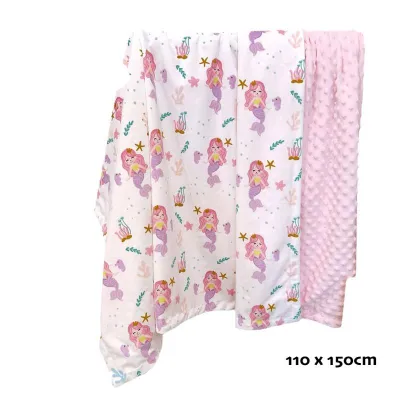
![[SG Stock] Super Soft Baby Kids Blanket Plush Minky Dot backing / Toddler Childcare Center Aircon Blanket (2 Size)](https://img.lazcdn.com/g/p/f863e1828cb9110bae5c6d7fa91c7123.jpg_400x400q80.jpg_.webp)
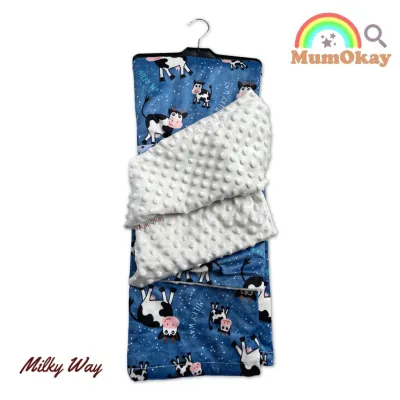
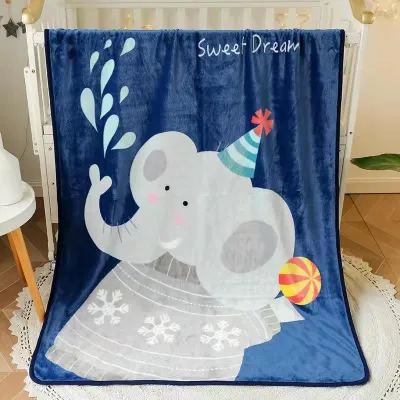
Prices are valid at publication and may change. Please refer to the product page for the latest price.

Delicate infant skin is also incredibly thin and prone to conditions like eczema, contact dermatitis, and heat rash. Coarse or synthetic fibers can create friction, worsening skin irritation and causing sleep disruptions. Choosing fabrics with smooth, long-staple fibers helps minimize this friction, keeping sensitive skin calm and comfortable.
In humid environments, moisture management is another essential feature. A high-quality baby blanket must possess excellent moisture-wicking properties, drawing sweat away from the baby’s body to keep them dry. When moisture is trapped against the skin, it creates a breeding ground for bacteria and leads to uncomfortable heat rashes.
Finally, the structural safety of the blanket’s weave is paramount. Even the safest organic fiber can become a hazard if the physical construction is flawed. Loose weaves, decorative openwork, or long, dangling threads pose a risk of catching tiny fingers and toes, potentially cutting off circulation. A safe baby blanket must feature a secure, tight weave with firmly finished edges to prevent unraveling and physical entanglement.
Comparing Popular Baby Blanket Fabrics
Understanding the distinct physical properties of common fabrics allows you to make an informed purchase tailored to your specific environment. Different fibers and weave styles offer unique trade-offs in terms of warmth, breathability, durability, and ease of maintenance.
Cotton and Organic Cotton
Cotton serves as the industry standard for baby bedding due to its natural softness, exceptional durability, and ease of care. It is a highly resilient fiber that can withstand frequent, high-temperature washing, which is essential for sanitizing items soiled by spit-up or diaper leaks. Standard cotton is widely available and offers a reliable balance of comfort and longevity.
When shopping, you will frequently encounter organic cotton options. Organic cotton refers specifically to farming practices that exclude synthetic pesticides and fertilizers. While many parents prefer organic cotton to minimize environmental impact and potential chemical exposure, it is important to verify that the finished product has also been processed without harsh post-harvest chemicals. Both standard and organic cotton are excellent choices, provided they are free from toxic dyes and finishes.
The weave of the cotton also affects its performance. Flat weaves, jersey, and interlock cotton offer a comfortable stretch and a smooth surface that feels gentle against the skin. However, these denser weaves trap more air than open-weave alternatives, making them slightly warmer and better suited for air-conditioned indoor spaces rather than outdoor tropical heat.
Muslin Weaves
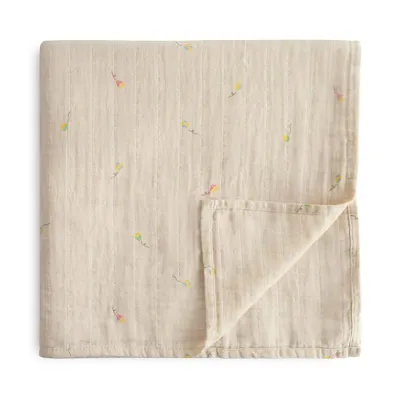
Muslin is not a distinct fiber but rather a specific weaving technique, typically executed using cotton, bamboo viscose, or a blend of both. This weave is characterized by its loose, plain pattern, which creates a lightweight, highly breathable fabric. The open structure of muslin allows heat to escape easily, making it one of the safest and most comfortable options for warm climates.
One of the most appealing characteristics of muslin is its tendency to become softer with every wash. The fibers relax and bloom over time, enhancing the blanket’s drape and gentleness against sensitive skin. Muslin blankets are highly versatile, often serving as swaddles, stroller covers, or light nursing shields.
Despite its benefits, you must inspect the weave density of muslin blankets before use. Ensure the weave is uniform and that the individual threads are not so loose that they can be easily pulled apart or snagged. The edges of a muslin blanket must be securely bound with double-stitched hems to prevent fraying during washing cycles.
Bamboo-Derived Fabrics
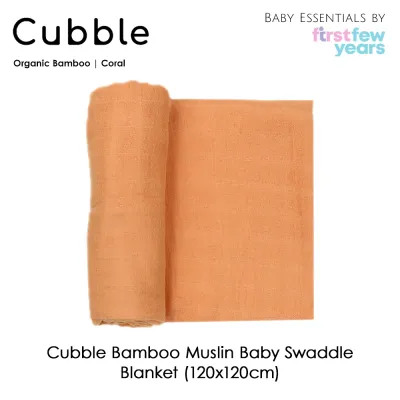
Bamboo-derived fabrics have gained significant popularity for their exceptionally smooth, silky texture that feels cool to the touch. This cool-on-skin sensation is highly beneficial in humid climates, helping to soothe babies who run warm. Additionally, these fabrics are highly absorbent, pulling moisture away from the skin faster than standard cotton.
When purchasing these products, it is helpful to understand the manufacturing process. The fabric labeled as “bamboo” is almost always bamboo viscose or rayon. This semi-synthetic fiber is created by chemically dissolving bamboo pulp and spinning the resulting cellulose into threads. Because of this intensive chemical processing, any inherent antimicrobial or UV-blocking properties of the original bamboo plant are typically lost. Parents should evaluate these blankets based on their physical softness and cooling performance rather than unverified marketing claims.
Bamboo viscose also requires more delicate care than cotton. The fibers weaken when wet, meaning these blankets can lose their shape or pill if subjected to harsh agitation. To maintain their silky texture and structural integrity, they usually require gentle wash cycles, mild detergents, and line drying or low-heat tumble drying.
Fleece, Minky, and Synthetic Plush
Fleece, minky, and other synthetic plush fabrics are made primarily from polyester. These materials are incredibly popular due to their cloud-like softness, lightweight warmth, and resistance to shrinking and wrinkling. They dry very quickly after washing, making them highly convenient for busy households.
However, synthetic plush fabrics have a major drawback: poor breathability. Polyester fibers do not absorb moisture or allow air to circulate effectively. In a warm or humid environment, a fleece or minky blanket can rapidly trap body heat, leading to sweating, discomfort, and a heightened risk of overheating.
For these reasons, synthetic plush blankets should not be used as primary sleep blankets in warm rooms. Instead, restrict their use to heavily air-conditioned spaces, cool evening stroller walks, or as a soft surface for supervised tummy time. If you choose a minky blanket, ensure it is reserved for situations where you can closely monitor your baby’s temperature.
Fabrics to Avoid or Use with Caution for Babies
While many blankets are marketed for infants, certain materials and design features pose hidden risks to safety and skin health. Recognizing these hazards helps you filter out unsuitable products.
Traditional wool, while highly insulating, should generally be avoided for direct contact with baby skin. The coarse fibers of standard wool can be highly abrasive, triggering itching, redness, and flare-ups of infant eczema. If you wish to use wool for its natural temperature-regulating properties, opt exclusively for ultra-fine, highly processed merino wool, and ensure it is layered over clothing rather than placed directly against bare skin. Always check the manufacturer’s care instructions, as wool typically requires specialized hand-washing.
Heavy synthetics, thick quilts, and adult-weight duvets present severe safety hazards for infants. These heavy bedding items can easily drape over a baby’s face, creating a barrier that restricts fresh air and traps carbon dioxide. The weight of these items can also restrict a baby’s movement, making it difficult for them to turn their head if their breathing is compromised.
Decorative embellishments on blankets are another common hazard. Avoid any blanket featuring loose fringe, tassels, sequins, beads, or poorly secured ribbons. These elements can easily detach during use or washing, presenting immediate choking hazards if swallowed, or strangulation risks if wrapped around a baby’s fingers, toes, or neck.
Finally, steer clear of chunky, loose-knit blankets with large holes. While visually appealing for photographs, these blankets allow a baby’s hands, feet, or limbs to slip through the gaps. This can lead to the baby becoming trapped, restricted, or cold if the blanket bunches up unevenly.
How to Verify Fabric Safety and Quality Before Buying
Protecting your baby requires looking beyond attractive packaging and verifying the physical quality of the blanket yourself. Taking a few systematic steps at the point of purchase can prevent skin irritation and safety hazards.
Start by reading the care and content label attached to the product. Manufacturers often use prominent front-of-package marketing terms like “bamboo soft” or “natural cotton blend” to obscure the actual fiber composition. Look for the exact fiber percentages printed on the care label. A blanket marketed as a bamboo blanket may actually contain a high percentage of polyester. Prioritize high percentages of natural fibers like cotton or high-quality viscose for optimal breathability.
Next, look for recognized, independent textile safety certifications. Certifications such as OEKO-TEX Standard 100 or the Global Organic Textile Standard (GOTS) provide peace of mind that the fabric has been rigorously tested for harmful substances. These certifications verify that the dyes, finishes, and processing chemicals used in the blanket do not exceed safe thresholds, which is crucial for items that will constantly touch your baby’s skin and may end up in their mouth.
Perform a thorough physical inspection of the blanket. Gently pull on the seams to check the tightness and consistency of the stitching. The edges should be cleanly bound with no loose threads, fraying, or uneven tension. Sniff the blanket right out of the packaging; any strong chemical, musty, or sweet odors indicate the presence of volatile compounds or post-harvest treatments, meaning the item should be washed thoroughly before use or returned.
Finally, conduct a simple weight and drape test. Hold the blanket up and feel its weight relative to its size. A safe baby blanket should feel lightweight and drape effortlessly over your hand. If the fabric feels stiff, rigid, or excessively heavy, it may trap too much heat or restrict your baby’s natural movements during rest.
Washing and Caring for Baby Blankets to Maintain Softness
How you launder baby blankets directly impacts their longevity, softness, and safety for sensitive skin. Implementing a careful washing routine prevents fabric degradation and minimizes chemical exposure.
Always use a mild, fragrance-free, and dye-free liquid detergent formulated specifically for sensitive skin or infants. Standard household detergents often contain optical brighteners, synthetic perfumes, and harsh enzymes that linger in the fabric fibers. These chemical residues can trigger contact dermatitis or worsen existing eczema when the blanket rubs against your baby’s skin.
Avoid using liquid fabric softeners or dryer sheets entirely. While these products are designed to make fabrics feel softer, they work by depositing a thin, waxy chemical coating over the fibers. This coating drastically reduces the natural breathability and moisture-wicking capabilities of cotton and bamboo. Over time, it can also build up, making the blanket less absorbent and trapping odors and bacteria within the weave.
When washing and drying, always defer to the manufacturer’s specific care label. As a general rule, cotton blankets can handle warmer water temperatures, which is useful for sanitizing and removing tough stains. However, bamboo viscose and delicate muslin fabrics are highly sensitive to heat and agitation. Wash these delicate materials in cool or lukewarm water on a gentle cycle, and opt for line drying or low-heat tumble drying to prevent shrinkage, fiber breakage, and pilling.
Frequently Asked Questions (FAQ)
When is it safe to introduce a blanket in the crib?
To ensure your infant’s safety, you must consult current pediatric safe sleep guidelines. Major international health authorities recommend keeping all loose bedding, including soft blankets, quilts, and pillows, out of a baby’s sleep environment for at least the first 12 months of life. Introducing loose blankets too early significantly increases the risk of accidental suffocation, entrapment, and Sudden Infant Death Syndrome (SIDS). For infants under one year old, wearable blankets, sleep sacks, or swaddles (used only until the baby shows signs of attempting to roll over) are the recommended safer alternatives to keep your baby warm while sleeping.
Can I use a regular decorative throw blanket for my baby?
You should avoid using standard adult decorative throw blankets for infants. Adult throws are designed for aesthetic appeal and adult heat-retention needs, meaning they are often far too heavy and lack the necessary breathability required for baby safety. Furthermore, decorative throws frequently feature unsafe design elements such as long, loose fringes, open knit designs, sequins, or heavy textures that pose entanglement, choking, or skin irritation risks. Purpose-built baby blankets are specifically sized, weighted, and constructed to meet strict safety standards, ensuring they remain lightweight and free from hazardous embellishments.
Community discussion
Share your experience or ask a question. Comments are reviewed before publication.