
Finding a comfortable night’s sleep in Singapore’s warm, humid climate often requires a careful selection of bedding materials. While traditional cotton has long been the standard, the bamboo blanket has emerged as a highly sought-after alternative due to its reputation for exceptional softness, drape, and temperature regulation. However, navigating the market can be challenging, as products labeled simply as “bamboo” can vary wildly in physical performance, durability, and environmental impact.
To find a high-quality bamboo blanket that delivers long-lasting comfort, you must look past front-of-package marketing and evaluate several critical technical factors. These include the specific fiber processing method (such as viscose versus lyocell), the fabric weight and weave structure, and the presence of independent chemical safety certifications. Identifying a trustworthy brand also requires looking for open supply chain disclosures, realistic product claims, and robust customer service policies rather than relying on unverified lists of recommended brands.
Decoding Bamboo Fabric Types on Labels
The term “bamboo” on a product label does not represent a single, uniform textile. Instead, it refers to the raw material source, which can be processed into several distinct types of fabric. Understanding these differences is crucial, as the manufacturing method directly dictates how the blanket feels, how it drapes, and how long it will last under regular use.
Products mentioned in this guide
![[SG INSTOCKS] Single Layer Bamboo Blanket (2 sizes)](https://img.lazcdn.com/g/p/e4b3464c95f2044779435fac7dc712b5.jpg_400x400q80.jpg_.webp)
![[3 for $11.9] Muslin Bamboo Cotton Baby Wrap Newborn Swaddle Blanket Cover Bath Towel Soft](https://img.lazcdn.com/g/p/4d4db74a389d7507b22f3bc1d199df0c.jpg_400x400q80.jpg_.webp)
Prices are valid at publication and may change. Please refer to the product page for the latest price.
Bamboo Viscose (Rayon) Traditional viscose, often labeled as rayon made from bamboo, is the most common bamboo textile found on the market. In this manufacturing process, raw bamboo pulp is dissolved in harsh chemical solvents—typically carbon disulfide and sodium hydroxide—and then extruded through spinnerets to form soft, semi-synthetic fibers. The resulting fabric is incredibly smooth, has a silk-like drape, and is highly effective at absorbing moisture. However, the traditional viscose process is chemically intensive and requires rigorous waste-management systems to prevent environmental contamination.
Bamboo Lyocell Bamboo lyocell represents a more modern and environmentally conscious approach to textile manufacturing. This process utilizes a closed-loop system where the raw bamboo pulp is dissolved in a non-toxic organic solvent (typically N-methylmorpholine N-oxide). Up to 99% of the solvent and water used in the process are recovered, purified, and reused in subsequent production cycles. Bamboo lyocell fibers retain the signature softness and moisture-wicking properties of viscose but generally offer superior dry and wet strength, making the blanket more resilient to washing and wear over time.
Bamboo Linen Mechanically processed bamboo, often referred to as bamboo linen, is produced without chemical solvents. The woody parts of the bamboo plant are crushed, and natural enzymes are introduced to break down the walls, allowing the natural fibers to be mechanically scraped out and spun into yarn. This fabric is highly durable and has a texture very similar to traditional flax linen. While it is highly breathable, it is also relatively coarse and prone to wrinkling, which makes it uncommon for soft, cozy throw blankets.
Reading the Fine Print When shopping, always inspect the physical care tag or the detailed online specifications rather than relying on front-facing promotional graphics. Textile labeling regulations in many jurisdictions require manufacturers to list the exact fiber type on the permanent label. If a product is marketed as a “natural bamboo blanket” but the care tag reads “100% Viscose from Bamboo” or “100% Rayon from Bamboo,” you are purchasing a chemically processed semi-synthetic textile. Identifying this distinction helps you make an informed decision regarding the product’s true environmental footprint and physical characteristics.
Essential Quality Indicators to Check Before Buying
Evaluating the quality of a bamboo blanket requires looking closely at the physical construction of the fabric. By analyzing the fiber composition, weight, weave, and independent certifications, you can easily separate high-performing blankets from low-quality alternatives.

Fiber Composition and Blends
While a blanket made from 100% bamboo lyocell or viscose offers the maximum level of silkiness and drape, blending bamboo with other fibers can yield practical benefits.
- 100% Bamboo: Provides the highest level of moisture absorption and a cool-to-the-touch feel, but can be highly susceptible to stretching out of shape when wet.
- Bamboo-Cotton Blends: Combining bamboo with long-staple cotton (such as a 60% bamboo and 40% cotton blend) adds structural integrity, reduces extreme drapiness, and improves the blanket's overall durability and resistance to pilling.
- Bamboo-Polyester Blends: Some budget-friendly blankets blend bamboo with synthetic polyester. While this increases durability and reduces wrinkling, polyester significantly limits breathability and moisture-wicking, which can make the blanket feel hot and clammy during warm tropical nights.
Fabric Weight and Weave
The weight of a blanket is measured in GSM (grams per square meter), which indicates the density of the fabric. For a cooling summer blanket or a light throw suitable for Singapore’s climate, look for a GSM between 150 and 250. If you sleep in a heavily air-conditioned room and prefer a weightier feel, a blanket with a GSM of 300 or higher will provide the necessary insulation without feeling excessively heavy.
The weave pattern also plays a major role in determining the blanket’s breathability and texture:
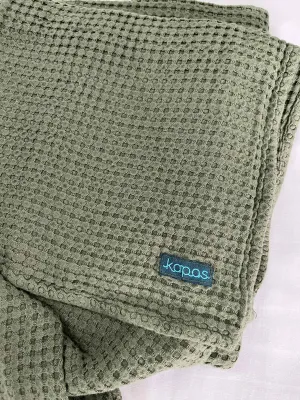
- Waffle Weave: This three-dimensional grid pattern creates small pockets that trap air lightly, offering exceptional breathability and a textured, modern look that resists clinging to the skin.
- Sateen Weave: This weave features a four-over-one-under thread pattern, resulting in an exceptionally smooth, lustrous surface with a heavy, luxurious drape. However, it is denser and may retain slightly more heat than open weaves.
- Knit or Jersey: Knit bamboo blankets offer high stretch and a cozy, casual feel similar to a soft t-shirt, though they are more prone to snagging on jewelry or pet claws.
Meaningful Certifications
Because the production of bamboo textiles involves intensive chemical processing, relying on independent third-party certifications is the most reliable way to verify chemical safety. Look for the Oeko-Tex Standard 100 certification. This label guarantees that every component of the finished blanket—including the fibers, threads, dyes, and any trim—has been rigorously tested for harmful levels of toxic chemicals and heavy metals. It is important to note that Oeko-Tex is a consumer safety standard; it does not guarantee that the raw bamboo was grown organically or that the manufacturing facility used a closed-loop system, but it does ensure the finished product is safe for close skin contact.
Debunking Marketing Myths
Many brands claim that their bamboo blankets are inherently antibacterial, hypoallergenic, or offer natural UV protection because the living bamboo plant contains a natural pest-resistant agent called “bamboo kun.” However, independent textile research has demonstrated that the harsh chemical processes used to dissolve bamboo pulp and extrude viscose or lyocell fibers completely destroy these natural properties. Do not pay a premium for claims of natural antibacterial performance unless the manufacturer can provide specific, independent laboratory test results verifying these properties on the finished, processed textile.
How to Evaluate Brand Transparency and Reliability
Because the market is saturated with generic products, evaluating the brand’s operational transparency and customer policies is a crucial step in ensuring you receive a high-quality product and reliable post-purchase support.
Supply Chain Transparency
Trustworthy brands do not hide behind vague marketing buzzwords. Reliable manufacturers openly disclose where their raw bamboo is sourced—ideally from sustainably managed forests certified by organizations like the Forest Stewardship Council (FSC)—and identify the specific facilities where the fibers are extruded and woven. Brands that share detailed information about their manufacturing partners and environmental mitigation strategies demonstrate a commitment to quality that extends beyond basic profit margins.
Realistic Claims and Policies
Be skeptical of brands that make exaggerated claims, such as promising their blankets will cure insomnia or actively lower room temperatures. Instead, look for brands that provide clear, realistic descriptions of their product specifications, including GSM, weave type, and precise fiber blend ratios. Furthermore, review the brand’s return, warranty, and trial-period policies. A brand that is confident in the durability of its product will often offer a clear warranty against manufacturing defects, such as premature seam unraveling or excessive shrinkage when washed according to instructions.
Analyzing Customer Reviews
When evaluating user feedback on retail websites or online marketplaces, look past the initial five-star ratings, which are often written immediately after unboxing when the blanket is at its softest. Instead, filter for two-star and three-star reviews and search for specific terms like “pilling,” “shrinkage,” “washing,” and “seams.” If multiple customers report that the blanket shrank by several sizes after a single wash, began pilling excessively within a few weeks, or developed loose threads along the borders, it indicates lower-quality fiber extrusion or loose, unstable weaving.
Responsiveness and Support
A brand’s response to negative feedback or product defects is a strong indicator of its overall reliability. Check whether the brand actively monitors customer complaints and offers constructive, prompt solutions, such as replacements or refunds for defective items. Brands with accessible customer support channels, such as a dedicated email address, live chat, or a local physical presence, are far more likely to resolve issues smoothly than anonymous sellers operating solely through third-party platforms.
Maintenance and Care for Long-Lasting Softness
Bamboo fibers are naturally delicate, especially when wet. To preserve the signature softness, drape, and structural integrity of your blanket, you must follow specific, gentle maintenance practices.
Washing Guidelines
Always wash your bamboo blanket separately from rough fabrics like denim, canvas, or items with exposed zippers and velcro, which can easily snag the delicate fibers.
- Water Temperature: Use cold water, ideally 30°C or below. High temperatures can cause the fibers to contract, leading to severe shrinkage and a loss of softness.
- Cycle Selection: Select a gentle or delicate cycle with a low spin speed to minimize mechanical friction and stretching.
- Detergent Choice: Use a mild, liquid, pH-neutral detergent. Avoid heavy-duty powder detergents, chlorine bleach, and fabric softeners. Fabric softeners actually leave a chemical coating on the fibers, which clogs the microscopic gaps and significantly reduces the blanket's natural breathability and moisture-wicking capabilities.
Drying Best Practices
Air-drying is the safest and most effective way to dry a bamboo blanket. Because bamboo fibers lose a portion of their strength when wet, avoid hanging a heavy, water-logged blanket by its corners, as this can stretch the fabric out of shape. Instead, drape the blanket flat across a drying rack in the shade. If you must use a tumble dryer, select the lowest heat setting (such as “air fluff” or “low delicate”) and remove the blanket while it is still slightly damp, allowing it to finish drying naturally. High heat in a dryer is the leading cause of fiber degradation and extreme shrinkage.
Storage in Humid Climates
In Singapore’s high-humidity environment, storing bedding incorrectly can lead to trapped moisture, musty odors, and mold growth. Ensure your bamboo blanket is completely dry before storing it. Store the blanket in a cool, dry, well-ventilated closet. Avoid using airtight plastic storage bags, which trap ambient moisture and prevent the fabric from breathing; instead, opt for breathable cotton storage bags or wrap the blanket loosely in a clean cotton sheet.
When to Stop and Consult
Always prioritize the manufacturer’s specific care label instructions over general guidelines. If you encounter stubborn stains, such as oil, coffee, or wine, do not attempt aggressive DIY chemical treatments or vigorous scrubbing, which can permanently damage the delicate fibers. If the care label instructions conflict with general advice, or if the blanket shows signs of severe fiber degradation or tearing, stop use and contact the manufacturer’s customer support team or a professional textile care service for guidance.
Frequently Asked Questions (FAQ)
Are bamboo blankets truly cooling for tropical climates?
Yes, bamboo blankets can be highly effective for tropical climates, but their performance depends heavily on their construction. Bamboo fibers feature microscopic gaps that allow for excellent moisture absorption and breathability, helping to wick sweat away from your body and keep you dry during humid nights. However, a heavy, tightly woven sateen blanket with a high GSM will still trap body heat. For maximum cooling performance in warm climates, opt for a lightweight waffle weave or a low-GSM knit blanket that allows air to circulate freely.
Is bamboo viscose safe for sensitive skin?
Bamboo viscose is generally very gentle on sensitive skin because the extruded fibers are exceptionally smooth, round, and long, which minimizes mechanical friction and irritation compared to coarser fibers like wool or low-quality cotton. However, because the manufacturing process involves intensive chemical processing, individuals with extreme chemical sensitivities should not assume all bamboo fabrics are naturally hypoallergenic. To ensure safety, always verify that the blanket has achieved Oeko-Tex Standard 100 certification, which guarantees that any chemical residues from the manufacturing process have been thoroughly washed out and lie well below harmful thresholds.
Community discussion
Share your experience or ask a question. Comments are reviewed before publication.