
Choosing the right seating accessory can make the difference between a productive, pain-free workday and a cycle of chronic physical discomfort. When spending long hours sitting at a desk, the physical interaction between your body and your chair directly impacts your spinal alignment, muscular fatigue, and skin temperature. Two popular but fundamentally different materials dominate the market for seating comfort: natural bamboo and synthetic hyper-elastic gel.
Determining which material is better depends on your specific physical needs, postural habits, and the environment in which you sit. Gel seat cushions are highly effective for pressure redistribution, making them the preferred choice for individuals seeking relief from tailbone pain, sciatica, or localized pressure on the sit bones. Conversely, bamboo seat mats offer a firm, non-compressing surface that promotes active posture and provides exceptional ventilation, making them highly suitable for warm, humid climates where heat retention is a major concern. Finding the right balance between these two approaches is key to establishing a supportive, comfortable, and healthy workspace.
Quick Verdict: Which Material Wins for Extended Sitting?
There is no single, universally superior material when comparing a bamboo seat mat to a gel cushion. Instead, the optimal choice is highly conditional, depending on whether your body requires deep pressure relief or firm, active postural support. Each material addresses a distinct set of ergonomic and environmental challenges, meaning the right choice for one user may cause discomfort for another.
Products mentioned in this guide
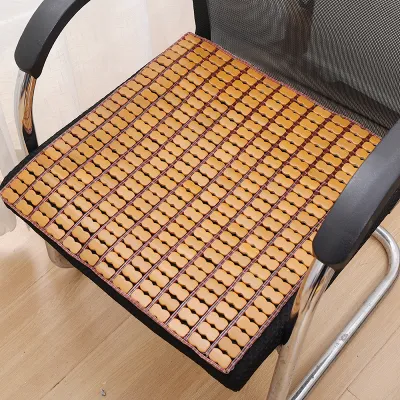
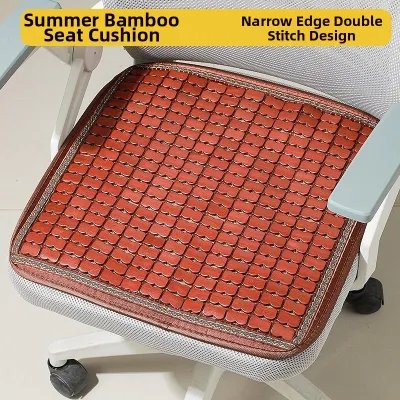
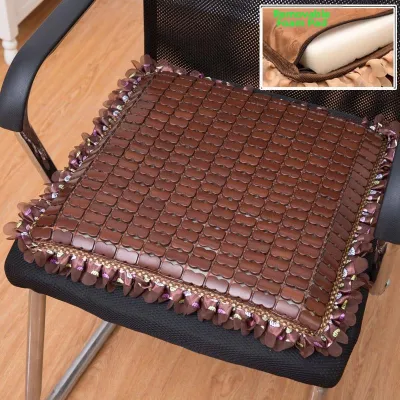
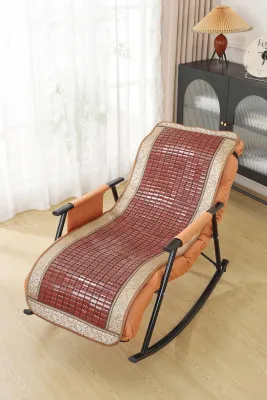
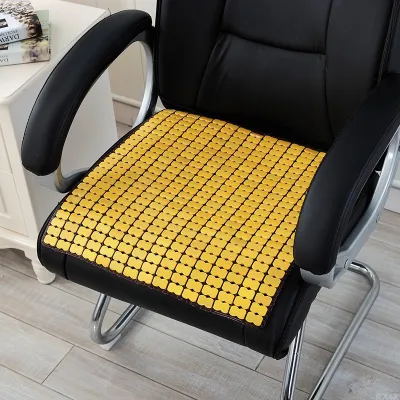
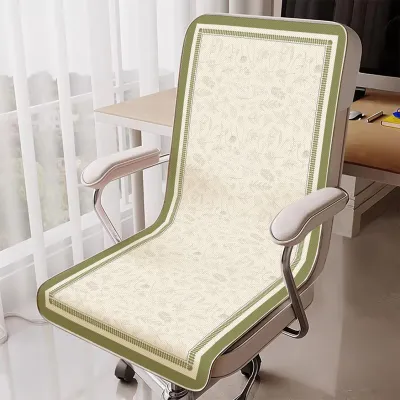
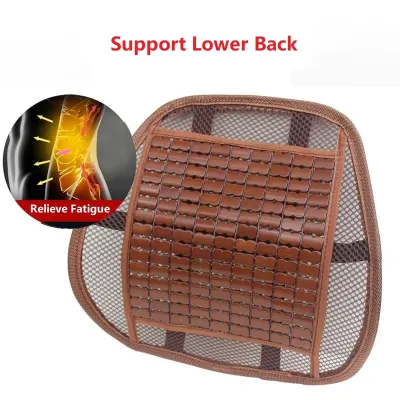
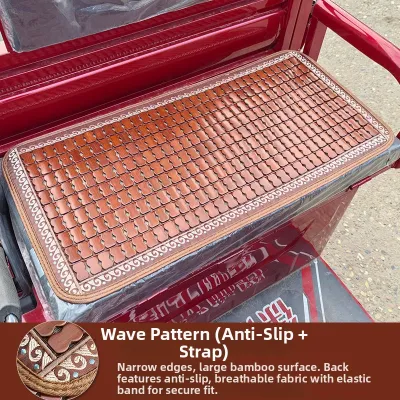
Prices are valid at publication and may change. Please refer to the product page for the latest price.
- Choose a gel cushion if your primary goal is to alleviate localized pain in the tailbone (coccyx), hips, or lower back. The conforming nature of gel distributes body weight evenly, reducing the physical strain on your joints during long, continuous desk shifts.
- Choose a bamboo seat mat if you prefer a highly structured, firm seating surface that prevents slouching and maximizes passive airflow. This option is especially beneficial if you sit in warm, non-air-conditioned spaces and struggle with heat or moisture buildup.
While an aftermarket seat accessory can significantly improve your daily comfort, it is important to remember that a cushion or mat works in tandem with your chair. For complete ergonomic health, ensure your chair provides adequate lumbar support and is adjusted to the correct height, allowing your feet to rest flat on the floor while the cushion supports your body.
Comfort and Posture: Firm Support vs Pressure Relief
To understand how bamboo and gel affect your body over long hours, it is helpful to examine the biomechanics of sitting. When you sit, your body weight is concentrated on the ischial tuberosities, commonly known as the sit bones. If the seating surface is too hard, localized pressure can restrict blood flow and compress surrounding nerves, causing discomfort. However, if the surface is too soft, the pelvis can tilt backward, forcing the lumbar spine to flatten or slouch, which strains the spinal discs and supporting muscles.

Bamboo Seat Mats: Firm Support and Posture
A bamboo seat mat is constructed from smooth, polished bamboo slats or beads woven together, creating a highly structured and unyielding surface. Unlike foam or gel, bamboo does not compress under your weight. This lack of compression provides a highly stable base of support that prevents the pelvis from sinking into the chair’s seat pan.
By keeping the pelvis in a neutral, upright position, a bamboo mat helps maintain the natural inward curve (lordosis) of the lower spine. This encourages active sitting, a state where the core and back muscles remain slightly engaged to support your posture, rather than collapsing into a passive slump. For users who find that soft, plush cushions cause them to slouch or experience dull, generalized lower back fatigue, the structural rigidity of bamboo can be highly beneficial.
However, this firmness comes with a trade-off. Because bamboo does not contour to the shape of your body, it offers virtually no shock absorption or localized pressure relief. If placed directly on a very hard wooden or plastic chair, a bamboo mat may cause discomfort over extended periods as your sit bones bear the brunt of your weight. It is best used on chairs that already have a baseline of padding but require a firmer, more stable top layer.
Gel Cushions: Pressure Relief and Contouring
Gel seat cushions are typically manufactured from hyper-elastic polymers or polyurethane gel, often molded into an open-cell honeycomb or column-grid structure. This design is engineered specifically for pressure distribution. When you sit on a gel grid, the vertical columns directly beneath your heaviest pressure points—such as the sit bones and tailbone—buckle in a controlled manner, transferring the load to the surrounding columns.
This buckling action allows the cushion to contour precisely to your anatomy, creating a cradling effect that significantly reduces peak pressure points. By distributing your body weight across a wider surface area, a gel cushion minimizes tissue compression and helps maintain healthy blood circulation. This reduces the need to constantly shift, squirm, or adjust your position to relieve numbness during an eight-hour workday.
To ensure you get the full benefits of a gel cushion, it is essential to check the product’s thickness and density specifications. A gel cushion that is too thin (under 3 centimeters) or made from low-density material may “bottom out” under heavier loads, meaning the material fully compresses until you are essentially sitting on the hard chair underneath. For optimal pressure relief, look for a high-density gel grid with a thickness of at least 4 to 5 centimeters.
Temperature Control: Breathability in Warm Climates
Thermal comfort is a critical, yet often overlooked, component of long-term sitting comfort. In tropical and humid environments, such as Singapore, sitting for hours on a non-breathable surface can lead to heat buildup, sweating, and skin irritation. Managing the microclimate between your body and the seat is where material properties play a decisive role.
Airflow and Cooling Properties of Bamboo
Bamboo is a natural material with excellent thermal conductivity, meaning it naturally conducts heat away from your body when you first sit down. Because the surface of polished bamboo is non-porous, it does not trap heat in the same way synthetic, dense foams do.
Furthermore, the physical construction of a bamboo seat mat is inherently breathable. Whether made of woven slats or rounded blocks, these mats feature physical gaps between each bamboo piece. These gaps allow air to circulate freely beneath you, facilitating passive ventilation. As you shift slightly during your work, warm air is pushed out and cooler ambient air is drawn in.
Because bamboo does not absorb moisture, sweat does not penetrate the material. Instead of becoming damp and sticky, the surface remains dry, making it exceptionally comfortable for use in warm, humid, or non-air-conditioned home offices. This natural resistance to moisture buildup also helps prevent the growth of bacteria and unpleasant odors.
Heat Retention and Cooling Gel Technologies
Solid, non-porous gel is a highly effective conductor of heat initially, offering a cool-to-the-touch sensation when you first sit down. However, solid gel acts as a thermal mass; over time, it absorbs your body heat until it reaches equilibrium with your body temperature. Once saturated, a solid gel cushion without proper ventilation can trap heat and moisture, leading to a warm and clammy seating experience.
To address this limitation, high-quality gel cushions utilize an open-grid or honeycomb structure rather than a solid block of gel. These open columns allow air to flow through the core of the cushion, helping to dissipate heat as you move. Some manufacturers also incorporate phase-change materials or specialized cooling gels into the polymer mix to prolong the initial cooling sensation.
When evaluating a gel cushion’s cooling performance, the outer cover is just as important as the gel core itself. A thick, non-breathable polyester or velvet cover will block airflow and trap heat, negating the benefits of an open-grid design. To maintain proper temperature regulation, verify that the cushion comes with a breathable, moisture-wicking mesh cover that allows air to pass freely to the gel core.
Longevity and Care: Maintaining Your Seat Cushion
To ensure your seating accessory remains hygienic, supportive, and safe to use over several years, you must follow appropriate care and maintenance routines. The natural fibers of bamboo and the synthetic polymers of gel require completely different cleaning and preservation methods.
Caring for Bamboo Mats
Because bamboo is an organic, natural material, it is sensitive to moisture and environmental extremes. Regular maintenance is straightforward but must be done carefully to avoid damaging the fibers:
- Routine Cleaning: Wipe the surface of the bamboo mat with a clean, microfiber cloth slightly dampened with water and a mild, pH-neutral soap. Avoid using harsh chemical cleaners, bleach, or abrasive pads, which can strip away the protective polished coating.
- Drying: Never submerge a bamboo mat in water or allow liquid to pool in the gaps. If the mat gets wet, dry it immediately with a towel and allow it to air-dry completely in a well-ventilated, shaded area before using it again. Moisture ingress can cause the bamboo to swell, warp, or develop mold.
- Sunlight Exposure: Avoid exposing your bamboo mat to direct, harsh sunlight for extended periods. Prolonged UV exposure can dry out the natural fibers, causing the bamboo to crack, warp, or splinter.
- Safety Inspections: Periodically inspect the mat for loose nylon threads, broken connecting cords, or small splinters. Damaged slats should be repaired or replaced to prevent them from snagging your clothing or scratching your skin.
Maintaining Gel Cushions
Synthetic elastomer gel is highly durable, resilient, and waterproof, making it highly resistant to physical wear. However, maintaining the hygiene of the surrounding materials is critical:
- Washing the Cover: The removable fabric cover of a gel cushion acts as a barrier against sweat, body oils, and dust mites. Wash the cover regularly—ideally every two weeks—in a washing machine according to the manufacturer's care label, using a gentle cycle and cool water.
- Cleaning the Gel Core: If the gel core itself becomes dirty, it can be hand-rinsed in a sink or tub using cool water and a mild detergent. Avoid using hot water, and never place the gel core in a washing machine or tumble dryer, as the mechanical agitation and high heat can tear the grid walls.
- Drying the Gel: Allow the gel core to air-dry completely in a flat, shaded position. Keep it away from direct sunlight and heating vents during the drying process.
- Temperature and Sharp Objects: Keep the cushion away from sharp objects like pens, scissors, or keys, which can puncture or slice the thin polymer walls of the grid. Additionally, avoid leaving the cushion in high-heat environments—such as inside a car parked under direct sunlight—as extreme heat can degrade the polymer's elasticity and cause it to become sticky.
Bamboo Seat Mat vs Gel Cushion: Feature Comparison
To help you quickly weigh your options, the table below summarizes the key physical and practical differences between these two seating materials.
| Feature | Bamboo Seat Mat | Gel Cushion |
|---|---|---|
| Material Type | Natural bamboo slats or beads | Hyper-elastic polymer or polyurethane gel |
| Firmness Level | Very Firm (Non-compressing) | Medium to Soft (Adaptive contouring) |
| Pressure Relief | Minimal (Relies on existing chair padding) | High (Excellent weight redistribution) |
| Breathability & Heat Management | High (Natural material, physical air gaps) | Moderate to High (Requires open-grid design & mesh cover) |
| Ideal User Profile | Sits in warm rooms, prefers firm posture support | Sits 8+ hours, experiences tailbone/joint discomfort |
| Primary Maintenance Need | Wipe with damp cloth; keep dry and out of direct sun | Wash removable cover regularly; protect from sharp objects |
Final Decision Framework: Match the Material to Your Needs
To make a confident purchase, evaluate your daily sitting habits, physical comfort levels, and workspace environment against the strengths of each material.
Choose a Bamboo Seat Mat if:
- Your workspace is located in a warm, humid room without consistent air conditioning, and you struggle with sweat and heat retention while sitting.
- You prefer a firm, stable seating surface that encourages you to sit upright and actively engage your core muscles.
- Your current office chair already has thick, comfortable padding but tends to run hot, and you simply need a breathable, cooling top layer.
Choose a Gel Cushion if:
- You suffer from localized pain, such as coccyx (tailbone) soreness, lower back stiffness, or hip discomfort after sitting for extended periods.
- You sit for continuous eight-hour shifts or longer and require deep, adaptive pressure relief to prevent numbness and fatigue.
- Your chair's seat pan is firm, unpadded, or worn out, and you need a thick, cushioned layer to restore comfort.
When Neither May Fit:
- If you have a diagnosed medical condition, chronic spinal misalignment, or are recovering from surgery, standard consumer cushions may not provide the precise support you need. In these cases, consult a physiotherapist or orthopedic specialist for a custom-molded medical-grade cushion.
- If your chair has a highly specialized or deeply contoured seat pan—such as a racing-style gaming chair with pronounced side bolsters or an ergonomic chair with a steep waterfall edge—standard aftermarket cushions may not sit flat. This can cause the cushion to slide or shift, compromising your posture and safety.
Before purchasing any seat accessory, always measure your chair’s seat width and depth and compare them to the product’s dimensions. Ensure the cushion or mat fits securely within the seat pan without hanging over the edges. If you are using a gel cushion, verify that it features a high-quality, non-slip bottom surface to prevent sliding, and always refer to the manufacturer’s guidelines to ensure safe and proper use.
Frequently Asked Questions (FAQ)
Can I use a bamboo seat mat on a soft, contoured office chair?
Placing a rigid bamboo seat mat on a deeply contoured, soft, or sagging mesh office chair is generally not recommended. Because a bamboo mat is made of individual slats connected by threads or nylon lines, it requires a flat, stable base to support your weight evenly. When placed on a highly contoured or sagging surface, the mat will bend excessively under your weight. This bending puts high structural stress on the connecting cords, which can cause the threads to snap, the bamboo slats to crack, or the mat to create an uneven, uncomfortable sitting surface. For the best results and a longer product lifespan, use bamboo mats on flat, firm-surfaced chairs.
Do gel cushions flatten out or lose their shape over time?
Whether a gel cushion retains its shape depends on the quality of the material used. Cushions made from high-quality hyper-elastic polymer gel are engineered with excellent elastic recovery, meaning they immediately spring back to their original shape once you stand up, even after years of daily use. However, cheaper cushions made from low-density solid gels, or those that combine a thin layer of gel over standard polyurethane foam, are prone to permanent deformation. Over time, these lower-quality materials can sag, flatten, or bottom out. To ensure long-term durability, check the product specifications for high-density, pure polymer gel grids.
Will a gel cushion make my chair too high?
Yes, adding a supportive gel cushion can alter your seating height, which is an important ergonomic consideration. Most high-quality, pressure-relieving gel cushions are between 3 to 5 centimeters thick. When you sit down, the cushion will compress slightly, but it will still raise your overall sitting height. If your office chair’s gas lift cannot be adjusted downward to compensate for this extra height, your feet may dangle, which puts strain on the back of your thighs and your lower back. Before buying, measure your current desk setup to ensure you can lower your chair sufficiently, or plan to use a supportive footrest to maintain a safe, 90-degree angle at your knees and hips.
Community discussion
Share your experience or ask a question. Comments are reviewed before publication.