
Bamboo-derived textiles are popular for swaddling due to their characteristic drape, smooth texture, and softness, which can feel gentle against an infant’s skin. However, the actual performance, breathability, and safety of a bamboo swaddle depend heavily on the specific manufacturing process, fabric weave, and weight rather than the raw material alone.
To ensure a swaddle meets your baby’s comfort and safety needs, you must look beyond marketing terms. It is essential to check product labels for exact material composition, verify independent textile safety certifications, and follow proper swaddling techniques.
Infant comfort and safety ultimately rely on maintaining a safe sleep environment, monitoring for signs of overheating, and strictly adhering to the manufacturer’s care and usage instructions.
Products mentioned in this guide
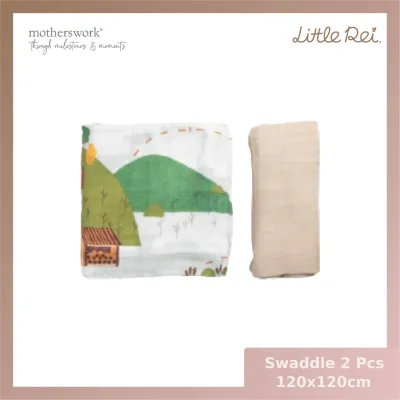
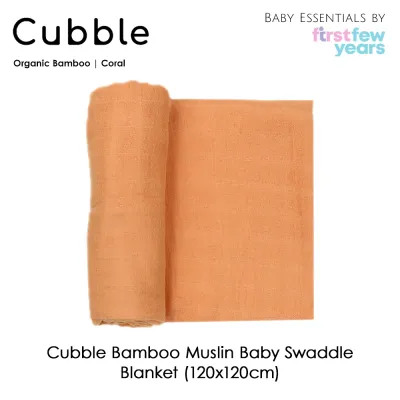
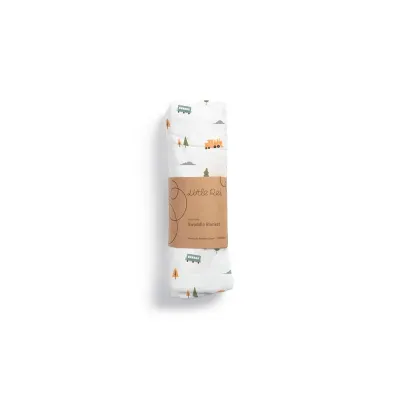
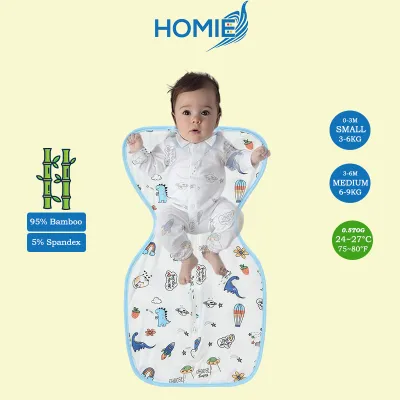
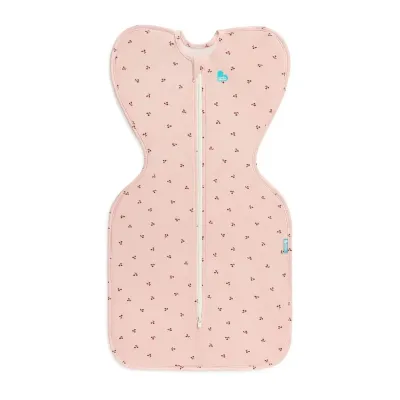
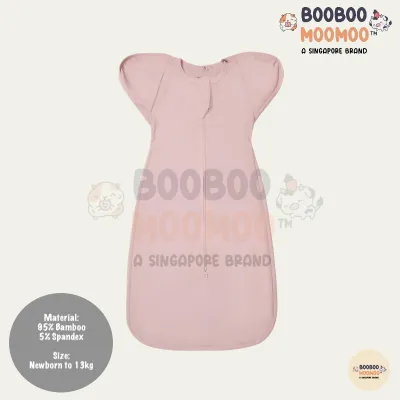
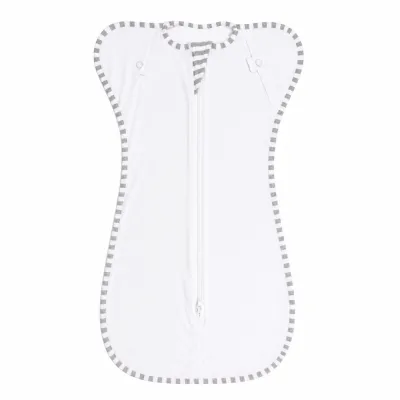
Prices are valid at publication and may change. Please refer to the product page for the latest price.
Understanding Bamboo Fabric Types and Label Claims
When shopping for a bamboo swaddle, the first step is reading the product label to understand how the fabric was made. Most bamboo textiles on the market are not raw bamboo fibers woven together; instead, they undergo processing that changes the fiber structure.
The most common type is bamboo viscose or rayon. This material is chemically processed to break down the bamboo plant into a soft, regenerated cellulose fiber. The resulting fabric is exceptionally smooth, highly flexible, and has a silk-like drape that wraps easily around a baby.
In contrast, mechanically processed bamboo linen is rare and has a much coarser, textured feel. While it uses fewer chemical treatments, its rougher texture is generally less suitable for a newborn’s sensitive skin, which is why viscose dominates the swaddle market.
Because “bamboo” is a broad term, you should look for specific manufacturer claims regarding fabric weight and weave. A loose muslin weave offers different airflow characteristics compared to a tight knit, so do not assume all bamboo fabrics perform identically.
To verify chemical safety, look for independent textile certifications on the packaging, such as the OEKO-TEX Standard 100. These certifications verify that the finished fabric has been tested for harmful substances, providing a level of safety that a simple “organic” or “natural” marketing label cannot guarantee.
Always check the exact fiber blend on the care label. Many swaddles blend bamboo viscose with cotton or spandex to improve durability, stretch, or structure, and these blends will alter how the fabric behaves during use and washing.
Assessing Comfort and Temperature Regulation
In warm, humid climates like Singapore, preventing an infant from overheating is a primary safety concern during sleep. While bamboo-derived fabrics are frequently marketed as naturally cooling, a baby’s thermal comfort depends on several physical factors.

Start by evaluating the fabric weight and weave density. A lightweight, open-weave muslin swaddle allows for more air circulation than a thick, tightly knit fabric, making muslin a more appropriate choice for warm rooms or daytime naps.
Some manufacturers provide a Thermal Overall Grade (TOG) rating for their swaddles or sleep sacks. A lower TOG rating (such as 0.2 or 0.5) indicates a thinner, cooler fabric suitable for warm environments, whereas higher ratings are designed for air-conditioned or cooler rooms.
Regardless of the fabric’s claimed properties, you must actively monitor your baby for observable signs of overheating. Check the back of your baby’s neck or chest; if the skin feels hot or sweaty, or if you notice damp hair or flushed cheeks, the baby is too warm.
If you observe any signs of overheating, immediately adjust the room temperature, dress the baby in fewer layers underneath the swaddle, or stop swaddling altogether. No fabric can automatically regulate a baby’s temperature if the surrounding environment is too hot.
Remember that individual infants have different comfort thresholds. A swaddle that keeps one baby comfortable might be too warm for another, so continuous observation is always more reliable than relying solely on fabric specifications.
Swaddling Safety and Fabric Care Guidelines
Using a bamboo swaddle safely requires combining the physical properties of the fabric with correct swaddling techniques. The fabric must provide enough secure containment to prevent startle reflexes without restricting natural movement.
Always practice hip-healthy swaddling by ensuring the fabric is loose around the baby’s hips and legs. The baby should be able to bend their hips and knees freely; wrapping the legs too tightly or forcing them straight can lead to hip dysplasia.
Stop swaddling your baby as soon as they show any signs of attempting to roll over. Once a baby can roll, they need their arms free to position themselves safely, and a swaddle can pose a serious safety risk if they roll onto their stomach.
To maintain the integrity and softness of bamboo viscose, you must follow the manufacturer’s specific washing and drying instructions. Improper laundering can cause the delicate fibers to pill, shrink, or lose their shape, which can affect how securely the swaddle fits.
Most manufacturers recommend washing bamboo swaddles in cold water on a gentle cycle with a mild detergent. Avoid using fabric softeners or chlorine bleach, as these chemical agents can coat or degrade the regenerated cellulose fibers, reducing their absorbency and softness.
Regularly inspect the swaddle for signs of wear and tear, such as loose threads, thinning areas, or unraveling seams. If the fabric becomes compromised, it may no longer provide safe, secure containment and should be replaced immediately to prevent safety hazards.
Frequently Asked Questions (FAQ)
Do bamboo swaddles naturally prevent bacterial growth?
While the living bamboo plant contains a natural agent that resists pests, the intensive chemical process used to manufacture bamboo viscose typically removes these properties. You should not assume a bamboo swaddle is inherently antibacterial or self-cleaning.
To maintain proper hygiene, rely on regular washing according to the care label rather than marketing claims. Unless the product packaging displays a specific certification from a recognized testing standard verifying antimicrobial properties on the finished textile, treat it as standard fabric.
How should I wash a bamboo swaddle to maintain its softness?
To preserve the smooth texture of a bamboo swaddle, always check the care tag for specific water temperature limits and drying instructions. Air drying or tumble drying on a low, delicate heat setting is generally recommended to prevent fiber damage.
Avoid fabric softeners, which leave a chemical residue that can clog the fabric pores and reduce its natural moisture-wicking capabilities. Using a mild, gentle detergent is the most effective way to keep the fabric soft and safe for your baby’s skin.
Community discussion
Share your experience or ask a question. Comments are reviewed before publication.