
Sitting for long hours in Singapore’s tropical climate can quickly turn any office chair into a heat trap. When humidity levels rise, standard foam cushions tend to absorb and lock in body heat, leading to discomfort, sweating, and reduced productivity. To combat this, many people turn to alternative seating accessories, with bamboo mats, cotton cushions, and cooling gel pads being the most popular choices. Each of these materials approaches temperature regulation through entirely different physical mechanisms, meaning the right choice depends heavily on your workspace environment, chair type, and personal comfort preferences.
Understanding how these materials interact with your body heat and the surrounding air is the first step toward creating a comfortable seating setup. Rather than searching for a single universal winner, evaluating the physical properties of bamboo, cotton, and cooling gel allows you to select the material that aligns with your daily routine. By examining how they manage heat, wear over time, and perform under different environmental conditions, you can make an informed decision that keeps you comfortable throughout the workday.
How Bamboo, Cotton, and Cooling Gel Actually Manage Heat
Bamboo mats regulate temperature through passive heat dissipation and structural ventilation. Typically constructed from small, polished bamboo tiles or beads woven together with strong monofilament threads, these mats do not rely on chemical cooling properties. Instead, the physical gaps between the bamboo pieces allow air to flow freely beneath you, preventing sweat from pooling and allowing body heat to escape. Bamboo itself has a naturally high thermal capacity, meaning it feels cool to the touch when you first sit down, and its smooth, non-porous surface prevents heat from getting trapped in the material.
Products mentioned in this guide
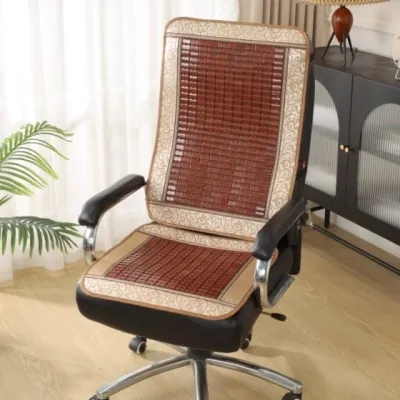
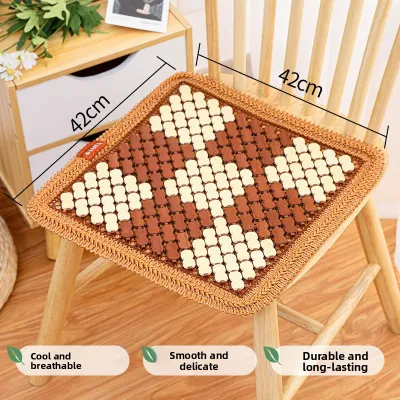
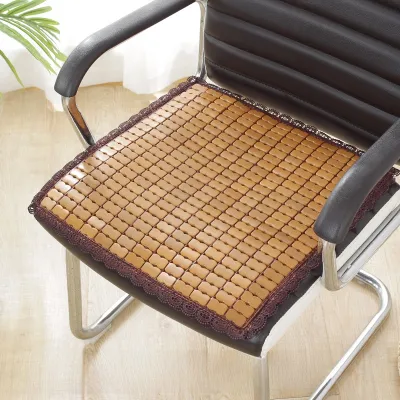
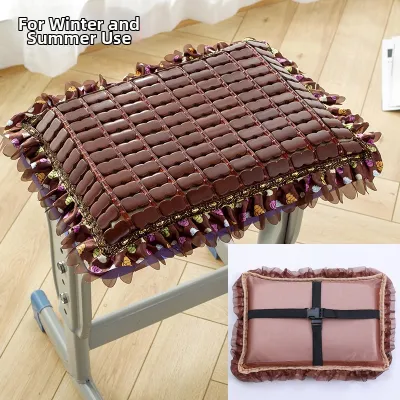
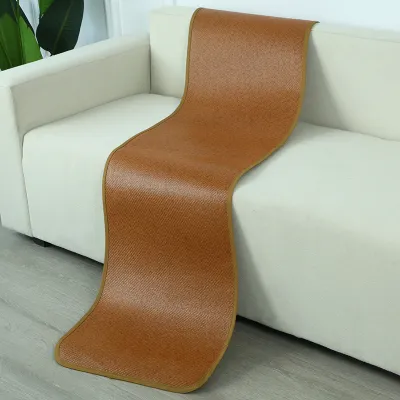
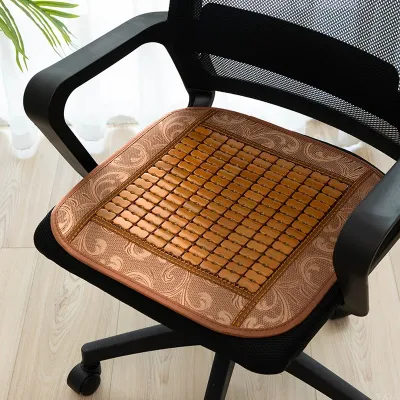
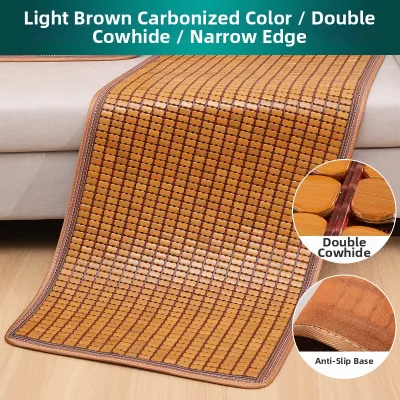
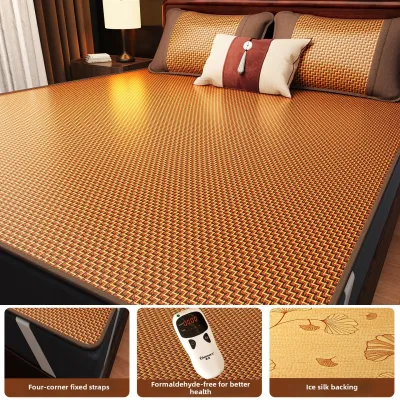
Prices are valid at publication and may change. Please refer to the product page for the latest price.
Cotton cushions manage heat through natural fiber breathability and moisture absorption. As a highly porous natural material, cotton allows air to circulate through its weave, helping to dissipate heat away from your body. It also excels at absorbing moisture, drawing perspiration away from your skin to keep you dry. However, cotton has a clear performance limit in humid conditions. Once the cotton fibers become saturated with sweat and ambient humidity, they lose their breathability, trap heat, and can begin to feel damp and warm, making them less effective for long-term cooling in non-air-conditioned spaces.
Cooling gel cushions manage heat through thermal conduction, acting as a temporary heat sink. The dense gel material absorbs heat directly from your body because gel has a higher thermal conductivity than standard polyurethane foam. Some gel cushions feature a open-cell honeycomb grid design to encourage airflow, while others use solid gel layers laminated over memory foam. While this provides an immediate, noticeable cooling sensation upon contact, gel has a finite heat capacity. Once the gel reaches thermal equilibrium with your body temperature, it stops absorbing heat and requires a cooler ambient environment to release the trapped warmth.
Comparing Comfort, Durability, and Daily Maintenance
Beyond temperature regulation, the physical comfort and texture of each material play a massive role in your daily seating experience. Bamboo mats are rigid and unyielding, offering zero cushioning or pressure relief. They are best suited for individuals who prefer a firm, structured surface or those who already have a highly supportive ergonomic chair. Cotton cushions provide classic, plush comfort, conforming easily to your body shape and relieving pressure points, though they can compress and lose their loft over time. Cooling gel cushions offer a supportive, semi-firm feel, distributing weight evenly to relieve tailbone pressure while maintaining their structural shape.

Durability and wear patterns vary significantly among these three options. Bamboo mats are highly resilient but vulnerable to structural tension; the nylon threads holding the beads can wear out, and individual tiles can crack under concentrated pressure. Cotton cushions are prone to flattening, pilling, and staining over months of heavy use, requiring regular fluffing to maintain their shape. Gel cushions are highly durable and do not flatten, but lower-quality models can suffer from outer cover punctures, leading to gel leaks or degradation of the underlying foam core.
Maintenance routines are another practical consideration for daily use. Bamboo mats are incredibly easy to clean, requiring only a quick wipe with a damp cloth and mild soap, followed by air-drying in a shaded, well-ventilated area. Cotton cushions are highly hygienic because they usually come with removable, machine-washable covers, making it easy to wash away sweat, dust, and allergens. Gel cushions cannot be machine-washed; they must be spot-cleaned or wiped down by hand, and they must be kept away from direct sunlight, which can break down the chemical structure of the gel.
Matching the Material to Your Environment and Usage
Your physical environment is the most critical factor in determining how well these materials perform. In a non-air-conditioned room in Singapore, where humidity is consistently high, bamboo is often the most reliable choice because its passive airflow does not depend on cool air to function. Cooling gel performs poorly in hot, humid rooms because the warm ambient air prevents the gel from dissipating the heat it absorbs, causing it to warm up quickly and stay warm. Gel is highly effective in air-conditioned offices, where the cool air constantly resets the gel’s temperature.
Sitting duration also dictates which material will keep you comfortable over time. For long, continuous sitting sessions, bamboo provides the most consistent performance because its physical air gaps never saturate or lose their ventilating properties. Cotton will eventually become damp and warm, while gel will reach thermal equilibrium after about an hour of continuous contact. For short, intermittent sitting sessions, a cooling gel cushion is excellent because it has time to reset during your breaks, offering a fresh cooling sensation every time you sit down.
Finally, consider how the cushion interacts with your specific chair type. Mesh office chairs already have great airflow, so a thin bamboo mat or a ventilated gel pad is ideal to avoid blocking that built-in ventilation. Solid wood or plastic dining chairs benefit greatly from the added padding of cotton or gel. Leather chairs, which naturally trap heat and cause sweating, pair perfectly with bamboo mats, which act as a breathable barrier that prevents your skin from sticking to the leather surface.
Decision Framework: Which Chair Cushion Should You Choose?
To make the right choice, align the material’s strengths with your specific seating environment and comfort needs:
- Choose bamboo mats if: You sit in a naturally ventilated, non-air-conditioned room, prefer a firm and structured seating surface, want a low-maintenance option that is easy to wipe clean, and need to prevent heat buildup on leather or solid wood chairs.
- Choose cotton cushions if: You work primarily in air-conditioned spaces, require soft ergonomic pressure relief for your hips and tailbone, and value the ability to wash the cushion cover regularly in a washing machine.
- Choose cooling gel if: You work in an air-conditioned office, sit for shorter intervals or take frequent breaks, and want immediate conductive cooling combined with firm, supportive pressure relief.
Before finalizing your purchase, verify the dimensions of your chair seat to ensure the cushion fits securely without hanging over the edges. Check the weight limits of the cushion to prevent premature flattening or gel degradation. Always inspect the manufacturer’s care labels to confirm the recommended cleaning methods, especially for gel and memory foam hybrids, as improper washing can permanently damage their cooling properties.
Frequently Asked Questions (FAQ)
Do bamboo chair mats damage leather or mesh office chairs?
Polished bamboo mats are generally smooth, but constant friction between the hard bamboo tiles and soft chair materials can cause wear over time. To protect delicate leather or mesh surfaces, look for bamboo mats that feature a soft, non-slip felt or fabric backing. Alternatively, you can place a thin, non-slip fabric liner between the mat and the chair seat to prevent sliding and minimize surface friction.
How long does a cooling gel cushion stay cool?
A cooling gel cushion typically provides active conductive cooling for approximately 30 to 60 minutes of continuous contact. After this period, the gel reaches thermal equilibrium with your body temperature and will no longer feel cold. To restore its cooling properties, you need to stand up and allow the cushion to dissipate the absorbed heat into a cool, air-conditioned room for a few minutes.
Can I wash a bamboo chair mat in a washing machine?
No, you should never wash a bamboo chair mat in a washing machine. The mechanical agitation and excess water will ruin the nylon threads holding the tiles together, warp the bamboo wood, and lead to mold growth. To clean a bamboo mat, simply wipe the surface with a damp cloth and mild soap, then let it dry completely in a well-ventilated, shaded area away from direct sunlight.

Community discussion
Share your experience or ask a question. Comments are reviewed before publication.