
Finding the perfect balance between thermal comfort and breathability is a common challenge, especially in tropical climates like Singapore where hot, humid days transition into cool, air-conditioned nights. The ideal choice between a bamboo blanket, a traditional cotton blanket, and a synthetic polyester blanket depends on your individual sleeping temperature, skin sensitivities, and how much time you want to spend on laundry care. While one material might offer unparalleled cooling comfort on a warm afternoon, another might excel at surviving the rugged wear and tear of a household with pets.
Selecting the right textile requires looking past marketing buzzwords and examining how these fibers actually perform in real-world conditions. A high-quality bamboo blanket has become a popular modern solution for those seeking a cool, silky drape, but classic cotton and durable polyester still hold distinct advantages for specific household setups. By understanding the structural differences of each fiber, you can choose a blanket that enhances your sleep quality and fits seamlessly into your home maintenance routine.
Quick Answer: Which Blanket Material Fits Your Needs?
No single blanket material is universally superior; instead, each excels in distinct environments and usage scenarios. Identifying your primary comfort priorities—such as temperature regulation, ease of washing, or budget—will point you directly to the right textile.
Products mentioned in this guide
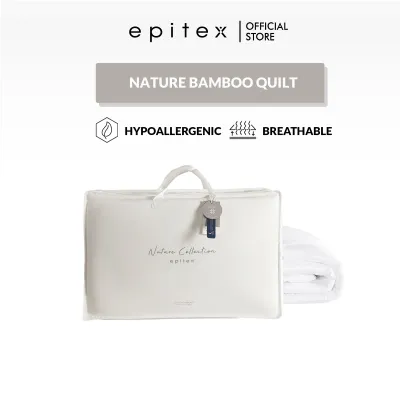
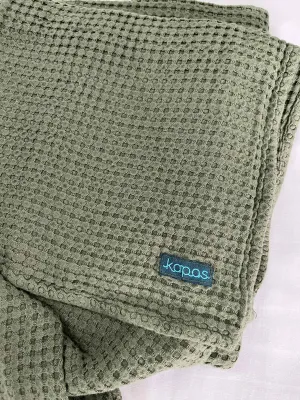
![[SG INSTOCKS] Single Layer Bamboo Blanket (2 sizes)](https://img.lazcdn.com/g/p/e4b3464c95f2044779435fac7dc712b5.jpg_400x400q80.jpg_.webp)
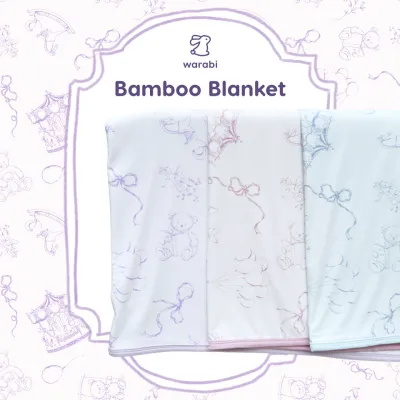
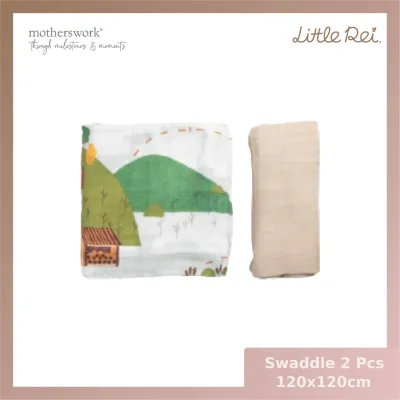
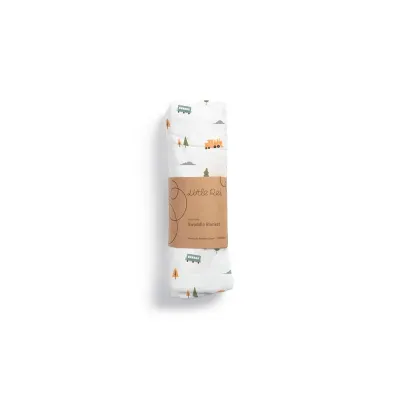
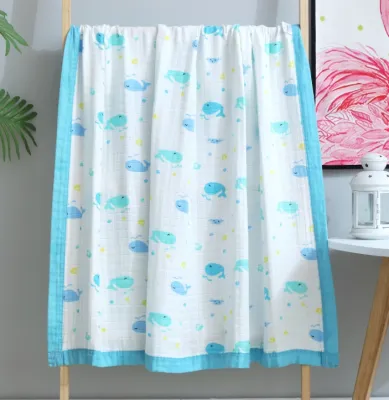
Prices are valid at publication and may change. Please refer to the product page for the latest price.
- Bamboo Blankets: This material is the premier choice for hot sleepers, individuals with sensitive skin, and those who sleep in air-conditioned bedrooms. Its exceptional moisture-wicking properties and signature silky drape help prevent the clammy feeling often caused by high humidity.
- Cotton Blankets: As the most versatile and time-tested option, cotton is ideal for everyday living room use, children's bedrooms, and households that prefer a crisp, natural texture. Its balanced breathability makes it a reliable year-round companion.
- Polyester Blankets: If you are shopping on a budget, need a highly durable throw for outdoor picnics, or have pets that frequently share your bed, polyester is the most practical choice. It resists tearing, handles frequent machine washing with ease, and provides plush, synthetic warmth.
Material Breakdown: Bamboo, Cotton, and Polyester Traits
Every fabric starts with a raw fiber that undergoes specific manufacturing steps, directly influencing how the finished blanket feels, breathes, and wears over time. Understanding these material foundations helps clarify why they perform so differently under daily use.

Bamboo Blankets: Softness and Moisture Management
Modern bamboo blankets are typically crafted from regenerated cellulose fibers, commonly labeled as rayon, viscose, or lyocell derived from bamboo. The manufacturing process transforms the woody stalks of the bamboo plant into an incredibly smooth, semi-synthetic yarn. This resulting fabric is celebrated for its luxurious, silk-like hand-feel and elegant drape, allowing the blanket to contour gently around your body without trapping excess air.
From a thermal perspective, bamboo-derived fabrics are highly breathable and possess natural moisture-wicking properties. The microscopic structure of the fibers contains tiny gaps that allow perspiration to evaporate quickly, which is highly beneficial in humid environments or during warm nights. This mechanical action helps regulate skin temperature, keeping you dry and comfortable even when the air-conditioning is turned off.
When shopping, it is important to evaluate specific marketing claims with a critical eye. Many manufacturers advertise bamboo blankets as “naturally antibacterial,” “hypoallergenic,” or “UV resistant.” While raw bamboo plants do contain a natural protective agent, the intensive chemical processing required to convert bamboo into soft viscose can diminish or eliminate these natural properties. To ensure your blanket is free from harmful chemical residues, look for independent textile certifications, such as the OEKO-TEX Standard 100, on the product label rather than relying solely on raw-material marketing claims.
Cotton Blankets: Breathability and Everyday Comfort
Cotton is a natural, plant-based fiber that has remained a bedding staple for centuries due to its reliable performance and hypoallergenic qualities. Unlike semi-synthetic or synthetic materials, cotton fibers are spun directly from the fluffy boll of the cotton plant, resulting in a pure, breathable textile that is inherently gentle on sensitive skin. It does not generate static electricity, making it a comfortable choice for layering over sheets.
The actual warmth, weight, and texture of a cotton blanket depend heavily on its weave style:
- Waffle Weave: Features a recessed, three-dimensional grid pattern that creates small pockets of air. These pockets insulate gently while allowing maximum airflow, making waffle-weave blankets incredibly popular for warm climates.
- Herringbone Weave: Offers a denser, more structured feel with a classic V-shaped pattern, providing a moderate weight that is perfect for transitioning between seasons.
- Fleece or Brushed Cotton: Undergoes a mechanical brushing process to loft the fibers, creating a soft, fuzzy surface that traps heat efficiently for cooler nights.
While cotton is highly durable and generally softens with every wash, it does have a few natural trade-offs. Cotton fibers are prone to shrinking if exposed to high water temperatures or high-heat dryer cycles. Additionally, because cotton absorbs moisture rather than quickly evaporating it, a wet cotton blanket can become quite heavy and take significantly longer to dry compared to synthetic alternatives.
Polyester Blankets: Durability and Budget-Friendly Warmth
Polyester is a fully synthetic fiber derived from petroleum products, engineered specifically for high durability, resilience, and low-cost production. Because the fibers are man-made, they can be extruded into incredibly long, continuous filaments that resist breaking, tearing, and fraying. This structural strength makes polyester blankets exceptionally resistant to wrinkling, shrinking, and color fading, even after dozens of high-temperature laundry cycles.
In terms of comfort, polyester is highly effective at trapping heat. Because synthetic fibers are hydrophobic—meaning they do not absorb moisture—they do not breathe as freely as cotton or bamboo. This makes polyester blankets, such as plush fleece or microfiber throws, feel incredibly warm and cozy in cold environments. However, in a warm or humid room, this heat-trapping nature can quickly lead to overheating and a sweaty, clammy sleeping experience.
Despite its breathability limitations, polyester remains a highly practical choice for many households. Its natural resistance to water-based stains makes it easy to clean after accidental spills, making it an excellent option for children’s play areas, outdoor use, or pet beds. Additionally, polyester blankets are widely available in a vast array of plush textures, colors, and patterns at a fraction of the cost of natural fiber alternatives.
Head-to-Head Comparison: Comfort, Durability, and Care
To make an informed decision, it is helpful to compare these three popular blanket materials directly across the key performance dimensions that affect your daily comfort and household chores.
Comfort & Breathability
When it comes to hot-weather comfort, bamboo is the clear leader. Its silky texture feels instantly cool to the touch, and its superior moisture-wicking capabilities actively prevent sweat from pooling against your skin. Cotton follows closely behind, offering excellent airflow through its natural fibers, though it tends to hold onto moisture longer than bamboo. Polyester sits at the bottom of the breathability scale; while it provides a cozy, plush surface that feels highly comforting in cool air-conditioning, it lacks the ventilation required to keep you cool in a warm room.
Durability & Pilling
Polyester is the most resilient material of the three. It can withstand rough handling, pet claws, and frequent, aggressive washing without losing its structural integrity. Cotton is also highly durable, though it may gradually wear down or fade after years of heavy use. Bamboo, while strong when dry, becomes significantly weaker when wet. It requires gentle handling during laundering to prevent the delicate fibers from tearing or developing unsightly pilling over time.
Care Requirements
If low maintenance is your top priority, polyester is the easiest material to care for, as it can tolerate standard machine washing and high-heat drying without shrinking or wrinkling. Cotton requires moderate care, specifically requiring cool or warm water washes and low-heat drying to avoid shrinkage. Bamboo is the most delicate of the three, demanding cold water, gentle cycles, and air-drying or ultra-low heat settings to preserve its signature softness and prevent the fabric from becoming brittle.
Material Comparison Matrix
| Feature | Bamboo Blankets | Cotton Blankets | Polyester Blankets |
|---|---|---|---|
| Primary Source | Semi-synthetic (bamboo cellulose) | Natural plant fiber | Synthetic polymer |
| Breathability | High | Medium to High | Low |
| Moisture Control | Excellent (wicks moisture) | Moderate (absorbs moisture) | Poor (repels moisture) |
| Warmth Retention | Low to Medium | Low to High (weave dependent) | High |
| Durability | Moderate (delicate when wet) | High | Very High |
| Pilling Resistance | Moderate (requires gentle care) | High | High (varies by pile height) |
| Care Level | Delicate | Moderate | Easy |
| Best Use Case | Hot sleepers, air-con rooms | Everyday living, kids' rooms | Pets, outdoor, tight budgets |
Decision Framework: Choosing the Right Throw for Your Space
To finalize your purchase, evaluate your household environment and personal sleeping habits against these practical decision rules.
Choose Bamboo if:
- You are a hot sleeper: If you frequently wake up warm or suffer from night sweats, the moisture-wicking and cooling properties of a bamboo blanket will help maintain a comfortable sleep microclimate.
- You have sensitive skin: The exceptionally smooth, round fibers of bamboo rayon or lyocell minimize friction against the skin, reducing irritation for those with eczema or sensory sensitivities.
- You want a luxurious aesthetic: The elegant, fluid drape of a bamboo blanket looks sophisticated when styled over a bed or sofa, resembling high-end silk or sateen.
Choose Cotton if:
- You want a versatile, low-fuss natural fiber: If you prefer a classic, crisp texture that breathes well and softens naturally over time, cotton is the safest and most reliable choice.
- You are styling a family space: Cotton's ability to handle moderate machine washing makes it perfect for high-traffic living rooms, guest beds, and children's rooms.
- You like to layer: A lightweight waffle-weave cotton blanket serves as an excellent layering piece that can be paired with a duvet in the winter or used on its own during the summer.
Choose Polyester if:
- You have pets: The tight, synthetic weave of polyester resists snagging from claws, and pet hair can be easily brushed or vacuumed off the surface.
- You are on a tight budget: Polyester offers a highly affordable way to add color, texture, and warmth to your living space without a major financial investment.
- You need an outdoor companion: For travel, camping, or backyard picnics, a durable polyester throw will withstand dirt, damp grass, and frequent washing better than natural fibers.
Verify First
Before purchasing any blanket, always check the manufacturer’s specifications for exact fiber content. Many products sold as “bamboo” or “cotton” are actually synthetic blends containing a high percentage of polyester to cut costs. Additionally, if you have severe chemical allergies, look for reputable independent certifications like OEKO-TEX or CertiPUR-US to verify that the manufacturing process meets strict safety and environmental standards.
Care and Maintenance Tips for Longevity
Proper laundering is essential to protect your textile investment and ensure your blanket retains its original texture, color, and shape for years to come. Because fabric blends and specific weave structures alter how a blanket responds to cleaning, always read and follow the care label attached to your specific product before washing.
To wash natural fibers like bamboo and cotton safely, use cold or lukewarm water (no warmer than 30°C) on a gentle or delicate cycle. Avoid harsh chemical bleach and fabric softeners; softeners can leave a microscopic residue on bamboo and cotton fibers that clogs their natural pores, drastically reducing their breathability and moisture-wicking abilities over time. Instead, opt for a mild, pH-neutral liquid detergent.
Drying requires a cautious approach, particularly for bamboo-derived fabrics. High heat can cause bamboo fibers to contract, warp, or become brittle, stripping the blanket of its signature silky softness. The safest method is to line-dry your blankets out of direct, intense sunlight. If you must use a clothes dryer, select the lowest heat or “air fluff” setting, and remove the blanket while it is still slightly damp to let it finish drying naturally.
In humid regions like Singapore, storing blankets improperly can lead to musty odors, mold, or mildew. Always ensure your blankets are 100% dry before folding them. Store them in breathable cotton storage bags rather than airtight plastic bins, which can trap ambient moisture and create an environment ripe for mildew growth. Placing a small sachet of lavender or silica gel packets in your storage closet can also help manage moisture levels.
Frequently Asked Questions (FAQ)
Are bamboo blankets actually cooling?
Yes, bamboo blankets are highly effective at keeping you cool, primarily because of their exceptional breathability and moisture-wicking capabilities. Rather than actively lowering the room temperature like an air-conditioner, the physical structure of bamboo fibers allows body heat to escape and pulls sweat away from your skin, preventing the humid, trapped-heat sensation common with synthetic fabrics. However, the final cooling effect still depends on the blanket’s overall thickness, weave density, and whether it is blended with warmer synthetic fibers.
Can I put bamboo and cotton blankets in the dryer?
While you can occasionally put these blankets in the dryer, you must proceed with caution and always consult the manufacturer’s care label first. Cotton can generally tolerate tumble drying on a low-heat setting, though high heat will cause noticeable shrinkage and weaken the fibers over time. Bamboo-derived fabrics are much more heat-sensitive and fragile when wet; drying them on medium or high heat can ruin their silky texture and cause severe shrinkage. To maximize the lifespan of both materials, air-drying on a flat rack or clothesline is highly recommended.
Community discussion
Share your experience or ask a question. Comments are reviewed before publication.