
Selecting the perfect bedside clock is more than just finding an attractive timepiece for your nightstand. Because this device lives in your immediate sleep environment, its design directly influences your sleep quality and waking routine. The ideal bedside clock must balance non-disruptive display visibility, an alarm style that matches your waking preferences, intuitive physical controls, and reliable power backup.
Many modern clocks overwhelm buyers with unnecessary features while failing at basic tasks like dimming sufficiently in a dark room. To make a smart purchase, you need to understand how different display technologies, alarm mechanisms, and physical layouts perform when you are half-asleep. Focusing on these core practicalities ensures your clock serves as a helpful tool rather than a nightly source of sleep disruption.
Display and Brightness: Protecting Your Sleep Environment
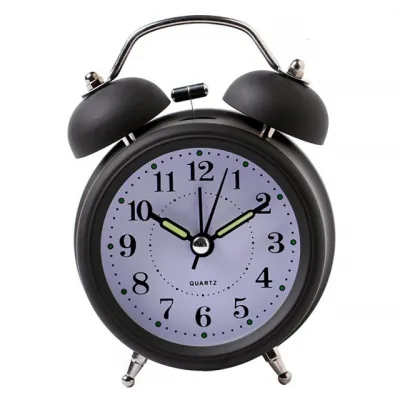
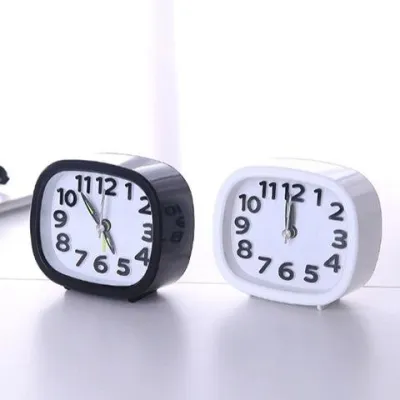
LED displays offer high contrast and sharp numbers, but they emit active light that can easily illuminate a dark bedroom. LCD screens rely on backlighting, which can sometimes create a hazy, grey glow instead of a true black background. Non-illuminated options, such as analog faces or e-ink displays, emit zero light on their own and require you to press a button to activate a temporary backlight. For light-sensitive sleepers, e-ink or analog clocks are often the most comfortable choices.
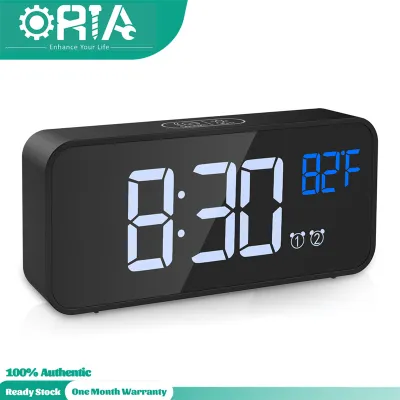
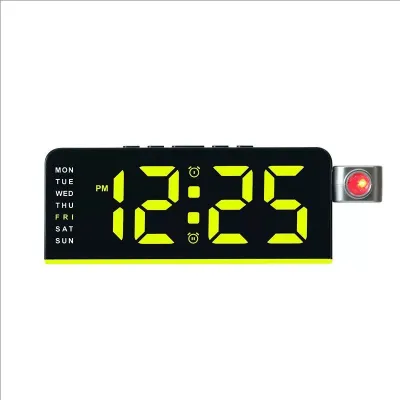
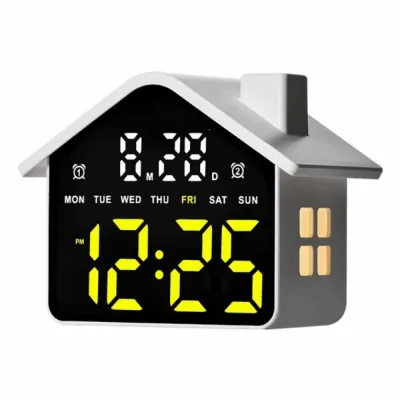
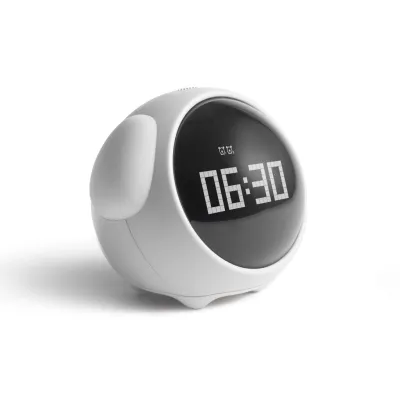
Products mentioned in this guide
![[MQLITTLESHOP] Smart Digital Electronic Snooze Alarm Table Desk Clock Home Decor LED Small for Kids Living Room Bedroom with light loud](https://img.lazcdn.com/g/p/7815b8f88795162fe07300ad7b776d7b.jpg_400x400q80.jpg_.webp)
Prices are valid at publication and may change. Please refer to the product page for the latest price.
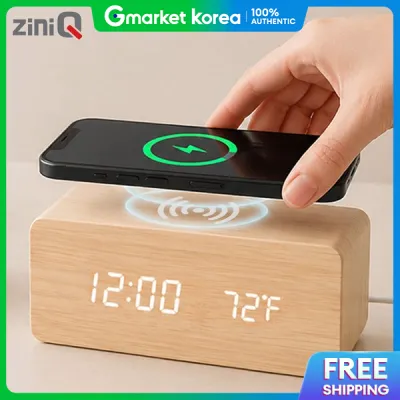
If you prefer a digital display that stays on, pay close attention to the dimming mechanism. Manual dimming controls, such as a continuous dial or a multi-level button, allow you to set the brightness to your exact comfort level. Auto-dimming models use ambient light sensors to lower the brightness as the room gets darker. However, lower-end sensors can sometimes flicker or fail to dim sufficiently, so manual override options are highly desirable.
For those who need absolute darkness to fall asleep, look for a clock with a “blackout” or “display off” mode. This feature turns the screen completely dark after a few seconds of inactivity, while keeping the alarm fully armed. The display only lights up briefly when you tap a button to check the time.
Finally, verify the overall build quality regarding light leakage. Some budget digital clocks suffer from “light bleed,” where light escapes from the edges of the housing or through non-adjustable status indicators. Reading user feedback specifically for complaints about persistent blue or green indicator lights can save you from a distracting bedside glare.
Alarm Types and the Wake-Up Experience
The way your clock wakes you up has a significant impact on your morning alertness and overall mood. Traditional alarms rely on sharp, repetitive beeps or static-heavy radio, which can trigger a sudden spike in heart rate and cortisol. To prevent a jarring start to your day, look for a bedside clock that offers an ascending alarm feature. This mechanism starts at a barely audible volume and gradually increases, allowing your brain to transition gently out of deep sleep.

Sunrise or light-based alarms offer an alternative by simulating a natural dawn. These clocks gradually brighten over 20 to 40 minutes before your set wake-up time, encouraging a natural hormonal shift that reduces sleep inertia. While highly effective in completely dark rooms, light-based alarms are less effective if you sleep facing away from the clock, wear an eye mask, or have light-filtering curtains that let in early morning street light.
If you share a bed with someone who operates on a different schedule, a loud audio alarm is bound to cause friction. In these scenarios, silent waking options are invaluable. Some bedside clocks connect to wireless vibration pads that slide under your pillow, waking you through gentle physical pulses without disturbing your partner.
Before buying, always check how customizable the alarm sounds are. Many basic models restrict you to a single, high-pitched buzzer. If you prefer waking to nature sounds or specific melodies, ensure the clock features built-in high-quality soundscapes or supports external audio files via a microSD card or USB input.
Snooze Functions and Physical Controls
When you are groggy and trying to silence an alarm, the layout of your clock’s physical controls becomes incredibly important. A top-mounted, oversized physical snooze button is the gold standard for usability. It provides clear tactile feedback, allowing you to easily locate and press it without opening your eyes or knocking the clock off the nightstand.
In contrast, side-mounted buttons, flat touch-sensitive panels, or motion-activated sensors can be highly frustrating to operate in the dark. Touchscreens often require precise finger placement, which is difficult when sleep-deprived. Worse, poorly designed layouts that place the “alarm off” button directly adjacent to the “snooze” button can lead to accidentally disabling your alarm entirely, causing you to oversleep.
You should also consider the flexibility of the snooze interval. While the traditional nine-minute snooze is common, many modern digital clocks allow you to customize this duration anywhere from five to thirty minutes. If you prefer a shorter window to keep yourself from falling back into a deep sleep cycle, or a longer window for a gradual wake-up, look for a model that explicitly supports adjustable snooze settings.
Power Sources and Bedside Utility
A bedside clock must be reliable above all else. For mains-powered digital clocks, a battery backup feature is non-negotiable. This usually consists of a small coin-cell battery or a couple of AAA batteries housed in a bottom compartment. While this backup power does not run the display during a blackout, it keeps the internal clock running and preserves your alarm settings, ensuring you still wake up on time when the power returns.
Many modern bedside clocks feature built-in USB ports to help consolidate nightstand chargers. However, you must check the power output specifications of these ports. Older or cheaper clocks often provide a meager 5V/1A output, which is too slow to charge modern smartphones efficiently and may only slow down battery drain. Look for ports rated at 5V/2.1A (approximately 10W) or those featuring USB-C Power Delivery to ensure your devices charge fully overnight.
For buyers in Singapore, power compatibility requires careful attention. The local electrical grid operates at 230V and 50Hz, utilizing the three-pin Type G plug. Check whether the clock comes with a standard USB power cable—which allows you to use your existing, safety-certified USB wall adapters—or if it relies on a proprietary wall adapter. If a proprietary adapter is included, verify that it carries the local Enterprise Singapore Safety Mark to guarantee electrical safety and voltage compatibility.
To keep your nightstand organized, look for clocks that incorporate smart cable management. Built-in cord routing channels or a weighted base prevent heavy charging cables from dragging the clock off the edge of your table.
Specs and Features You Can Safely Ignore
Manufacturers often pack bedside clocks with extra features to justify a higher price point, but many of these additions offer little practical value. Built-in Bluetooth speakers are a prime example. Because clock housings are small and lightweight, their integrated speakers typically produce tinny, low-quality audio. If you enjoy listening to music or podcasts in bed, a dedicated smart speaker or standalone Bluetooth speaker will deliver far superior sound quality.
Ceiling projection features, which beam the current time onto your ceiling or wall, are another common gimmick. In practice, these projectors require a specific distance and angle to remain in focus. If your ceiling is too high or textured, the numbers will appear blurry. Furthermore, the constant light beam can create unwanted ambient glow that disrupts light-sensitive sleepers.
Finally, built-in temperature and humidity sensors are rarely accurate. Because the clock’s internal processor and display backlight generate heat, the air inside the housing is often warmer than the surrounding room. Additionally, placing the clock close to heavy bedding or cold walls further distorts the readings. If monitoring your bedroom’s climate is important, a dedicated, standalone hygrometer placed away from your bed is a much more reliable option.
Frequently Asked Questions (FAQ)
Do I need a smart bedside clock or is a basic digital one enough?
Smart bedside clocks offer convenient voice controls, weather forecasts, and integration with other smart home devices. However, they require a stable Wi-Fi connection, routine app updates, and introduce potential privacy concerns regarding built-in microphones or cameras. A basic digital clock offers unmatched reliability, instant setup, and zero network dependencies. If you simply want to wake up on time without extra screen time or data sharing, a standalone digital clock is the safer and more reliable choice.
Is it safe to keep a digital clock close to my head while sleeping?
Yes, standard consumer bedside clocks are safe and must comply with strict international electronic safety standards before they can be sold. If you are concerned about low-frequency electromagnetic fields (EMF) or the subtle glow of the display, place the clock on your nightstand at least an arm’s length (approximately 60 to 90 cm) away from your head. This physical distance completely minimizes potential exposure while making the display easier to read without straining your eyes.
Community discussion
Share your experience or ask a question. Comments are reviewed before publication.