
Selecting the right bench cushion involves looking far beyond the outer fabric. The internal fill material determines how well the cushion supports your weight, how comfortably it contours to your body, and, most importantly, how long it retains its original shape before flattening. A poor choice can turn an inviting entryway or dining bench into an uncomfortable, sagging eye sore within a matter of months.
To make an informed decision, you must compare the three primary fill categories: polyurethane foam, polyester fiberfill, and natural or blended batting. Each material offers a distinct balance of support, softness, and longevity. Understanding these differences allows you to match the fill to your specific seating habits, aesthetic preferences, and environmental conditions.
Polyurethane Foam: Firm Support and Long-Lasting Shape Retention
Polyurethane foam is the industry standard for high-traffic seating because of its structural integrity. Unlike loose fills, foam is manufactured as a solid block, which allows it to distribute weight evenly and recover its shape instantly when you stand up. This makes it highly resistant to compression set, which is the technical term for a material losing its thickness over time.
Products mentioned in this guide
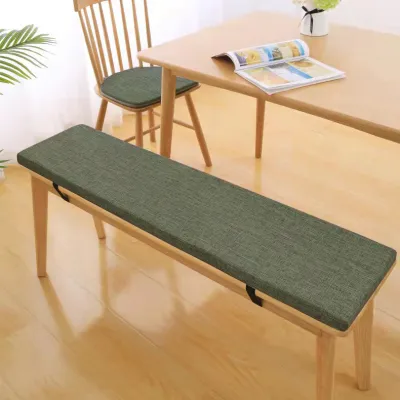
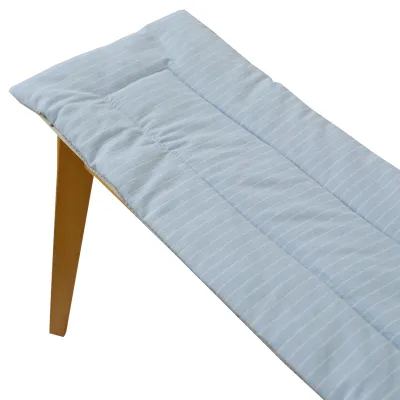
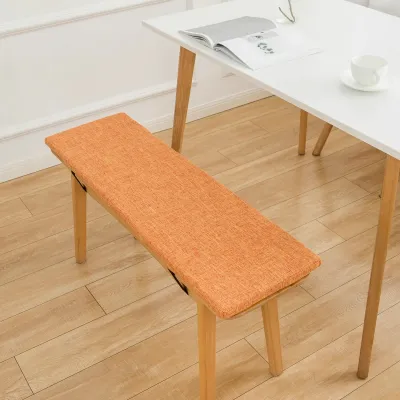
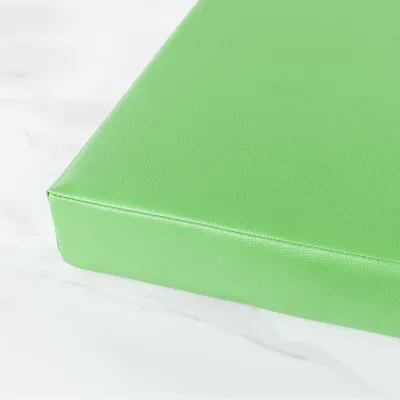
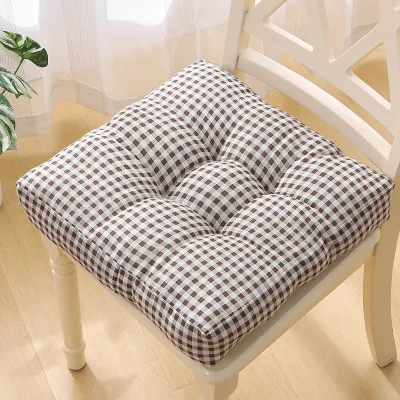
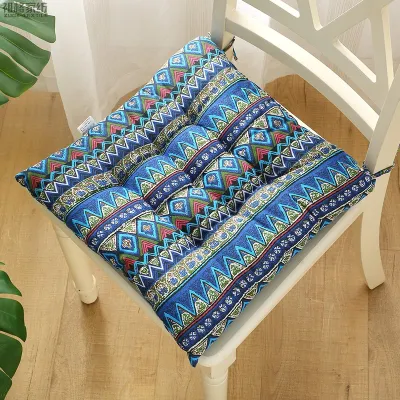
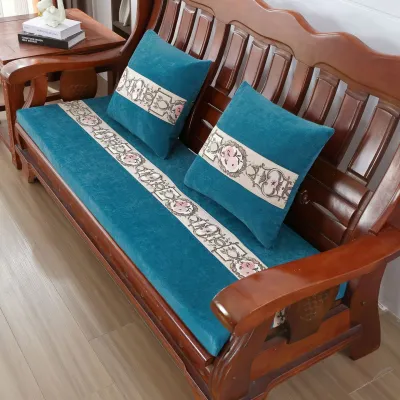
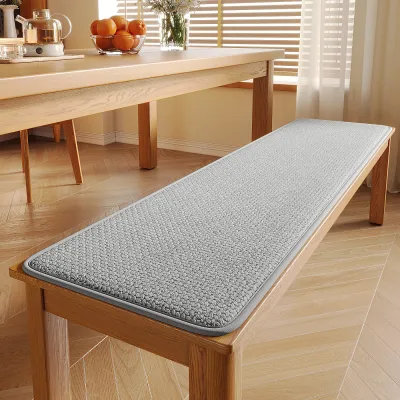
Prices are valid at publication and may change. Please refer to the product page for the latest price.
When shopping for foam, the most critical metric to verify is density, typically measured in kilograms per cubic meter. High-density foam, generally rated at 30 kg/m³ or higher, contains more physical material and less air, making it exceptionally durable. High-resilience (HR) foam represents the premium tier of polyurethane, featuring an uneven cell structure that provides a springy, elastic bounce back and a longer lifespan than standard utility foam.
These characteristics make high-density and high-resilience foams the ideal choice for daily dining benches, entryway seating, and built-in banquettes. Because these areas experience frequent, repetitive use, they require a firm, supportive base that prevents you from bottoming out against the hard wood or metal of the bench frame. This firm support also makes it easier to transition from sitting to standing.
For outdoor benches, standard polyurethane foam is highly susceptible to water retention, which quickly leads to structural degradation and mildew. If your bench is located on an open patio or balcony, you should look specifically for reticulated foam, often marketed as quick-dry foam. This material features completely open pores that allow rainwater and humidity to drain straight through rather than trapping moisture inside.
Before purchasing, always check the manufacturer’s detailed specifications rather than relying on generic descriptions like “thick foam.” Verify the exact density rating and ensure the foam thickness is appropriate for your bench design, with 5 to 10 centimeters being the standard range for optimal comfort and longevity.
Polyester Fiberfill: Plush Comfort and Budget-Friendly Softness
Polyester fiberfill, commonly referred to as poly-fill, consists of loose, blown synthetic fibers that mimic the soft, airy feel of down feathers. It is highly valued for its immediate, cloud-like comfort and its ability to give cushions a rounded, inviting appearance. Because it is inexpensive to manufacture, it is also the most budget-friendly option on the market.

However, this loose structure presents significant durability limitations under regular use. Because the individual polyester fibers are not bound together, they slide past one another and compress under weight. Over time, this causes the fill to clump, shift toward the corners, and permanently flatten in high-pressure areas, leaving the center of the cushion thin and unsupportive.
Consequently, polyester fiberfill is best reserved for low-traffic or purely decorative seating. It performs exceptionally well on bedroom accent benches, decorative window seats, or hallway benches that serve primarily as visual styling elements rather than daily seating spots. In these settings, the plush aesthetic is prioritized over firm, long-term ergonomics.
If you choose fiberfill for a bench that receives light to moderate use, proactive maintenance is essential. You will need to shake, punch, and fluff the cushion regularly to redistribute the loose fibers. Additionally, look for cushions constructed with baffle-box stitching or gusseted, boxed edges, as these physical compartments help lock the loose fill in place and prevent it from migrating.
Natural and Blended Batting: Breathability and Traditional Texture
Batting consists of layered sheets of natural or synthetic fibers, typically cotton, wool, or polyester blends. Rather than providing a thick, lofty cushion, batting is used to create slim, low-profile pads or to wrap around other cores. It offers a firm, traditional feel that aligns well with classic furniture designs.
Cotton batting is dense and soft, but it has very little natural elasticity. Under the weight of daily use, cotton fibers pack down tightly and compress relatively quickly, resulting in a very firm, thin seat. Wool batting, on the other hand, is naturally resilient. The inherent crimp in wool fibers acts like microscopic springs, allowing the material to retain its loft and bounce back much better than cotton over years of use.
In humid tropical environments, natural batting requires careful consideration. High humidity levels can cause natural fibers to absorb ambient moisture from the air. If the cushion does not receive adequate airflow, this trapped moisture can quickly lead to mold, mildew, and musty odors. While wool has natural moisture-wicking and antimicrobial properties that help mitigate this risk, cotton is highly vulnerable if left in damp, unventilated spaces.
Natural batting is the premier choice for antique bench restorations, eco-conscious homes, and individuals who prioritize organic, breathable materials over synthetic, petroleum-based foams. It provides a flat, tailored look that complements heritage woodwork beautifully.
When evaluating batting, always verify the exact material blend percentages on the product care label. Ask the manufacturer if the fibers have been treated with safe, non-toxic moisture or pest-resistant barriers, and confirm whether the cushion requires specialized professional dry cleaning or periodic outdoor airing to maintain its freshness.
Matching the Right Fill to Your Bench and Usage Pattern
Selecting the perfect bench cushion requires balancing your daily lifestyle against the physical properties of each fill material. By matching the usage intensity of your space to the strengths of each fill type, you can maximize both immediate comfort and long-term durability.
| Bench Scenario | Recommended Fill | Key Durability Benefit | Maintenance Level |
|---|---|---|---|
| Daily Dining / Entryway | High-Density Polyurethane Foam | Resists permanent sagging; maintains firm support under heavy daily use. | Low; requires occasional flipping. |
| Outdoor / Balcony | Reticulated (Quick-Dry) Foam | Open-cell structure allows water to drain; prevents mold and rot. | Low; dry environment preferred. |
| Bedroom Accent / Decorative | Polyester Fiberfill | Provides a plush, rounded aesthetic at an affordable price point. | High; requires regular manual fluffing. |
| Antique Restoration / Eco-Friendly | Wool or Blended Batting | Offers natural breathability and a classic, low-profile tailored look. | Moderate; requires dry, well-ventilated spaces. |
The outer cover fabric also plays a vital role in supporting the internal fill. Loose fiberfill requires a tightly woven inner lining, sometimes called ticking, to prevent individual fibers from poking through the outer cover. Solid foam cushions benefit from heavy, structured fabrics like canvas or linen blends, which hold the sharp, clean edges of the foam block in place and protect it from frictional wear.
Before finalizing your purchase, review the manufacturer’s warranty terms specifically regarding foam compression or sagging thresholds. Many reputable brands offer structural warranties that cover abnormal flattening within a set period. Additionally, verify the return policy to ensure you can exchange the cushion if the firmness level does not suit your comfort preferences upon delivery.
Frequently Asked Questions (FAQ)
Can I combine foam and fiberfill in one bench cushion?
Yes, combining these materials is an industry-standard practice known as wrapping the core. In this construction, a solid, high-density polyurethane foam core is wrapped in a layer of polyester fiberfill or dacron batting. This design gives you the structural support and sag-resistance of foam, while the outer fiber wrap softens the edges, eliminates fabric wrinkles, and provides a plush, comfortable initial feel when you first sit down.
How do I know when my bench cushion fill needs replacing?
You will know your cushion fill has failed when you observe permanent indentations that do not rebound within a few minutes of standing up. Other clear warning signs include a lumpy, uneven surface, visible thinning in high-pressure areas, and a noticeable lack of support that causes you to feel the hard bench frame underneath. If the cushion emits a persistent musty odor that does not go away after airing, the inner core may have trapped moisture and mold, requiring immediate replacement.
Is memory foam a good choice for a dining bench?
Memory foam is generally impractical for dining benches. Because memory foam responds to body heat and weight by slowly contouring and sinking, it makes shifting your position or sliding in and out of a dining table difficult. It also lacks the immediate lateral support needed for upright dining ergonomics. For dining spaces, high-resilience standard polyurethane foam is a much more functional choice, as it provides immediate support and allows for effortless movement.
Community discussion
Share your experience or ask a question. Comments are reviewed before publication.