
Eucalyptus essential oil is highly valued in aromatherapy for its sharp, herbaceous, and camphor-like scent that instantly revitalizes an indoor space. When used in an essential oil diffuser, it disperses micro-droplets into the air, offering a cooling sensory experience, helping to mask stale odors, and promoting a feeling of clear breathing. In tropical climates like Singapore, where homes and offices rely heavily on closed, air-conditioned environments, diffusing eucalyptus oil can transform a stuffy room into a crisp, refreshing sanctuary. However, achieving these benefits requires a clear understanding of proper diffusion techniques, oil selection, and critical safety boundaries to protect everyone in your household.
Key Aromatherapy Benefits of Eucalyptus Oil
Air-conditioned spaces often suffer from trapped, stagnant air, especially when rooms remain closed for extended periods to keep out tropical heat. Eucalyptus oil contains natural compounds like eucalyptol (1,8-cineole) which provide a powerful, clean aroma. This strong scent profile doesn’t just cover up unpleasant odors; it actively cuts through mustiness, leaving a lingering freshness that makes indoor spaces feel cleaner and more open.
Many people turn to eucalyptus when experiencing seasonal congestion or stuffiness. It is crucial to understand that diffusing this oil does not cure respiratory illnesses, fight infections, or act as a medical decongestant. Instead, it triggers cold receptors in the nasal passages, creating a distinct cooling sensation. This sensory feedback can make breathing feel noticeably easier and more comfortable, providing a soothing psychological lift when you feel under the weather.
Products mentioned in this guide
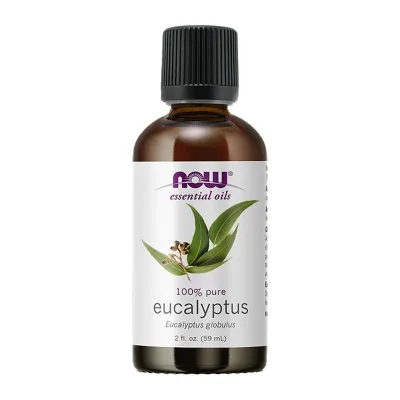
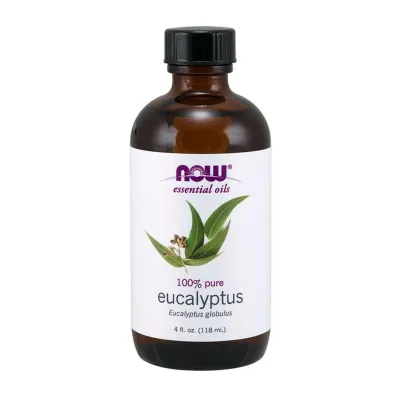
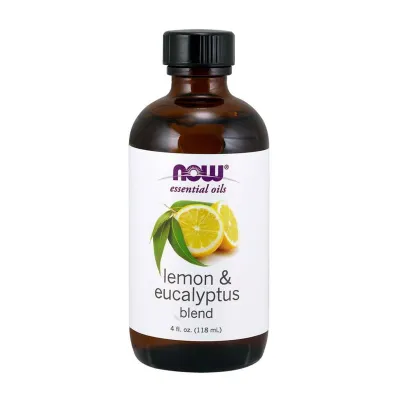
Prices are valid at publication and may change. Please refer to the product page for the latest price.
The sharp, stimulating aroma of eucalyptus is also an excellent addition to morning routines or workspaces. Unlike calming floral oils, eucalyptus has an energizing quality that helps clear mental fog and sharpen focus. Diffusing it during study sessions, remote work hours, or early mornings can help transition your mind into an active, alert state, making it a functional tool for productivity.
Beyond physical sensations, diffusing eucalyptus oil helps establish a calming, spa-like ambiance within the home. In busy urban environments, creating a dedicated space for relaxation is essential for mental well-being. The clean, green notes of eucalyptus evoke a sense of nature indoors, helping to reduce daily stress and promote a peaceful state of mind after a long day.
How to Use Eucalyptus Oil in Your Diffuser
To get the most out of your aromatherapy sessions without overwhelming your senses, start with a conservative oil-to-water ratio. For a standard 100ml diffuser, adding 3 to 5 drops of pure eucalyptus essential oil is generally sufficient. Larger diffusers, such as those with a 300ml or 500ml capacity, may require 8 to 10 drops. Always refer to your specific diffuser manufacturer’s instruction manual, as ultrasonic, nebulizing, and evaporative diffusers have different operating tolerances and output levels.

Running a diffuser continuously for hours can lead to olfactory fatigue, a state where your brain desensitizes to the scent, rendering the diffusion ineffective. To prevent this and maintain scent efficacy, practice intermittent diffusion. A common and effective schedule is to run the diffuser for 30 to 45 minutes, followed by an equal period of rest. This cycle keeps the aroma noticeable and prevents your respiratory system from becoming overstimulated.
In Singapore’s typical closed, air-conditioned rooms, air circulation is often limited. Scent molecules can accumulate rapidly and become intensely concentrated. When diffusing in these environments, reduce the initial drop count and keep internal doors slightly ajar to allow subtle airflow. This prevents the crisp camphor notes from becoming overly harsh or irritating to the eyes and throat.
Eucalyptus blends exceptionally well with other essential oils to create balanced, complex scent profiles. For a relaxing evening blend that still feels fresh, combine eucalyptus with lavender. If you want to maximize the clean, uplifting atmosphere in your living room, blend it with bright citrus notes like lemon or sweet orange. For an intensely cooling and invigorating workspace blend, combine equal parts of eucalyptus and peppermint.
Proper maintenance of your diffuser is also crucial when using eucalyptus oil regularly. Essential oils can leave behind oily residues that clog the ultrasonic plate. To keep your device running efficiently, empty any remaining water after each use and wipe the reservoir with a soft, damp cloth.
Safety Precautions and Limitations
While eucalyptus oil offers numerous benefits for humans, it presents significant safety risks for household pets. Cats and dogs lack the specific liver enzymes required to metabolize the active compounds in eucalyptus, making it highly toxic to them. Diffusing this oil in closed spaces where pets cannot escape can lead to respiratory distress, drooling, lethargy, or more severe neurological symptoms. Always diffuse in pet-free rooms, ensure pets have a clear exit path, and store oil bottles securely out of their reach.
Pregnant individuals, infants, and young children have highly sensitive respiratory systems and skin. Strong camphoraceous oils like eucalyptus can cause adverse reactions or breathing difficulties in young children. It is highly recommended to consult a qualified healthcare professional before introducing eucalyptus diffusion into a home with infants or during pregnancy.
Proper ventilation is the cornerstone of safe aromatherapy. Ensure your room has some fresh air exchange, and never inhale diffuser mist directly from the output spout. Additionally, pure essential oils are highly concentrated and should never be ingested or applied directly to the skin without proper dilution in a carrier oil. If accidental skin contact occurs, wash the area thoroughly with soap and water.
Pay close attention to how your body responds during diffusion. Signs of sensory overload or mild irritation include watery eyes, a scratchy throat, coughing, or a sudden headache. If you or anyone else in the room experiences these symptoms, turn off the diffuser immediately, open windows to ventilate the space, and move to an area with fresh air. Never ignore these warning signs, as prolonged exposure can exacerbate respiratory discomfort.
Choosing the Right Eucalyptus Oil for Diffusing
To experience true aromatherapy benefits, it is essential to select 100% pure essential oil rather than synthetic fragrance oils. Synthetic alternatives are chemically formulated to mimic the scent of eucalyptus but lack the natural botanical compounds that provide sensory relief. Check product labels carefully; high-quality oils will list the single ingredient (e.g., 100% pure essential oil) and avoid vague terms like “scent oil,” “perfume oil,” or “home fragrance.”
Always look for the botanical name on the label to verify the exact species you are purchasing. The two most common varieties available on the market are Eucalyptus globulus and Eucalyptus radiata. Eucalyptus globulus is the traditional choice, offering a strong, sharp, and highly medicinal aroma that is ideal for intense air freshening. In contrast, Eucalyptus radiata has a softer, sweeter, and slightly milder scent profile, making it a preferred option for those sensitive to strong aromas or for gentler daytime diffusion.
Pure essential oils are highly sensitive to light and heat, which can cause them to oxidize and lose their therapeutic properties over time. High-quality eucalyptus oil is always packaged in dark glass bottles—typically amber or cobalt blue—to filter out damaging ultraviolet light. Ensure the bottle features a secure, dropper-style cap and a tamper-evident seal, which protects the oil from premature air exposure and contamination before purchase.
Additionally, check for batch numbers or gas chromatography-mass spectrometry (GC/MS) testing mentions on the brand’s website. While not always printed on the bottle, reputable brands make these purity reports accessible to consumers. This level of transparency ensures that the oil is free from synthetic extenders, heavy metals, or chemical solvents, guaranteeing a clean and safe diffusion experience in your home.
Frequently Asked Questions (FAQ)
Can I use eucalyptus oil in a diffuser every day?
Yes, you can diffuse eucalyptus oil daily, provided you do so in moderation and follow safe practices. To avoid olfactory fatigue and respiratory irritation, limit your diffusion sessions to 30-minute intervals a few times a day rather than running the device continuously. Always monitor your physical comfort and adjust the frequency if you notice any signs of sensitivity.
Is eucalyptus oil safe for pets when diffused?
No, eucalyptus oil is generally unsafe to diffuse around pets, particularly cats and dogs, due to its high toxicity. If you choose to diffuse it, do so only in a well-ventilated room that your pets cannot access, and ensure they have an open door to leave the area if the scent becomes too strong. For households with pets, consulting a veterinarian for pet-safe aromatic alternatives is highly recommended.
What is the difference between Eucalyptus globulus and Eucalyptus radiata?
The primary difference lies in their scent profiles and intensity. Eucalyptus globulus contains a higher concentration of eucalyptol, giving it a very strong, sharp, and medicinal aroma. Eucalyptus radiata has a milder, sweeter, and more rounded scent profile, which is often easier to tolerate for individuals who find the traditional globulus variety too overpowering.
Community discussion
Share your experience or ask a question. Comments are reviewed before publication.