
Selecting the best 30×30 cushion cover style depends on balancing your existing interior design theme with tactile fabrics that thrive in a tropical climate. These compact accents serve as the final, detailed layer of a room’s design, bridging the gap between comfort and visual interest. By choosing the right textures, patterns, and materials, you can effortlessly refresh your living room or bedroom without committing to major furniture changes.
In Singapore’s diverse residential spaces, from cozy HDB flats to expansive condominiums, small decor elements carry significant visual weight. A well-chosen 30×30 cushion cover acts as an anchor for accent colors, introduces warmth to neutral seating, and softens clean architectural lines. Understanding how to scale these small squares to your specific interior aesthetic ensures your home feels curated, cohesive, and comfortable.
Sizing and Material Basics for 30×30 Cushion Covers
Before exploring color palettes and design aesthetics, you must clarify the exact dimensions of your cushion covers. In Singapore and most metric-based markets, a “30×30” label typically denotes 30×30 centimeters, which is approximately 12×12 inches. This size is classified as a small accent or lumbar cushion, rather than a primary lounging pillow. Always double-check the unit of measurement in product listings, as ordering a 30×30 inch cover by mistake will result in a massive floor cushion that requires specialized, oversized inserts.
Products mentioned in this guide
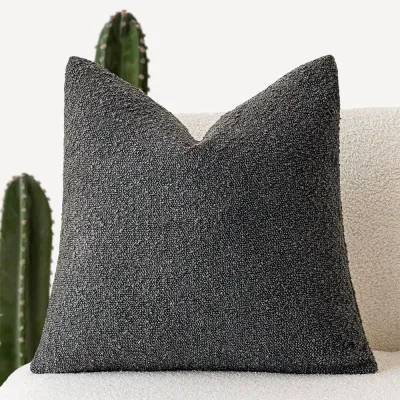
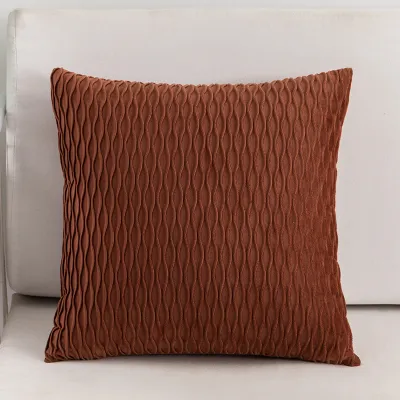
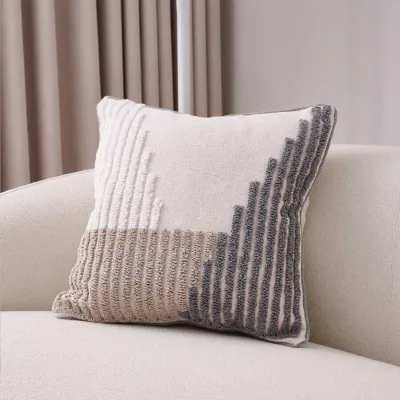
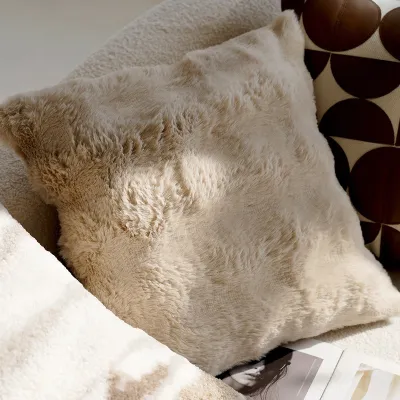
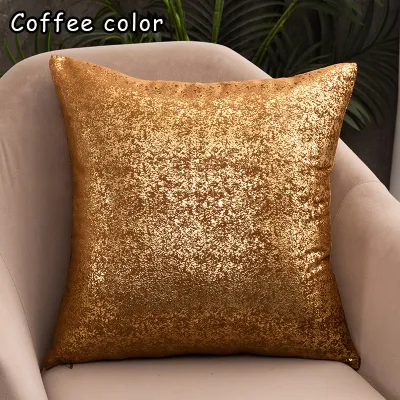
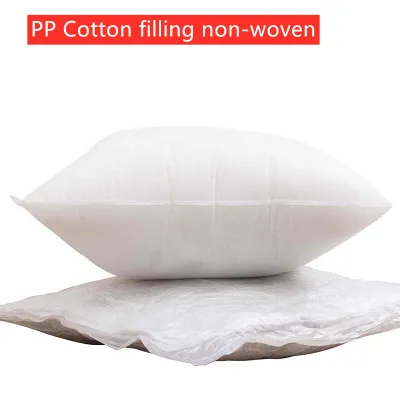
Prices are valid at publication and may change. Please refer to the product page for the latest price.
Living in a humid, tropical climate requires careful attention to material selection. High humidity levels can trap moisture in dense fabrics, leading to musty odors and mold growth over time. Natural, breathable fibers are the ideal choice for maintaining a fresh and hygienic home environment.
- Linen: This classic fabric offers exceptional breathability and a naturally textured weave. Linen fibers dry quickly, making them highly resistant to the dampness often experienced in Singapore's tropical weather.
- Cotton: Known for its softness and ease of maintenance, pure cotton is highly absorbent and simple to wash. It is an excellent everyday fabric for high-traffic living rooms.
- Washable Blends: High-quality cotton-polyester or linen-viscose blends combine the breathability of natural fibers with the durability and wrinkle resistance of synthetics. These blends often dry faster after washing and maintain their shape over long periods.
In terms of spatial function, a 30×30 cm cushion is best utilized as a foreground accent piece. Because of its compact size, it does not provide sufficient back support on its own when placed on a deep sofa. Instead, it should be positioned in front of larger cushions to add depth, color contrast, and a finished look to your seating arrangement.
Best 30×30 Cushion Cover Styles for Every Home Aesthetic
The most successful cushion cover style is one that complements your room’s existing design narrative while introducing a subtle layer of contrast. Because a 30×30 cm cover has a relatively small surface area, large-scale prints can get lost or look awkwardly cropped. Instead, focus on how texture, fine patterns, and color blocks behave on a smaller scale.

Using compact cushions allows you to experiment with bolder textures or richer colors that might feel overwhelming on a larger 50×50 cm canvas. By treating these small squares as visual punctuation marks, you can tie together disparate colors in a room, highlight a secondary accent tone, or soften structured furniture frames.
Scandinavian and Minimalist Spaces
Scandinavian and minimalist interiors prioritize light, simplicity, and functional beauty. To maintain an uncluttered and serene atmosphere, your 30×30 cm cushion covers should focus on subtle tactile variations rather than loud visual statements.
- Color Palette: Stick to soft neutrals, muted earth tones, and gentle pastels. Warm greys, sandy beiges, cream, and soft terracotta work beautifully to create a calm, cohesive look.
- Texture Over Pattern: Introduce visual interest through texture. Look for waffle weaves, soft washed linen, or fine ribbed knits that invite touch without disrupting the clean visual plane of the room.
- Minimalist Patterns: If you prefer patterns, opt for tonal embroidery, simple geometric lines, or delicate botanical outlines. Avoid high-contrast prints; instead, choose designs where the pattern color is only a shade or two different from the background fabric.
- Matte Finishes: Select fabrics with natural, matte finishes that absorb light softly. Materials like brushed cotton and raw linen enhance the cozy, unpretentious feeling of hygge, making your seating area feel warm and welcoming.
Bohemian and Eclectic Spaces
Bohemian and eclectic designs celebrate global influences, artistic expression, and rich layers of history. In these relaxed, highly personalized spaces, your 30×30 cm cushion covers can serve as playful, highly textured accents.
- Tactile Embellishments: Embrace covers featuring macrame details, heavy tufting, long fringes, tassels, or woven kilim-inspired patterns. These dimensional elements add immediate warmth and character to a room.
- Rich, Warm Colors: Choose rich, saturated tones that pop against neutral sofas. Mustard yellows, deep rusts, burnt oranges, and contrasting jewel tones like emerald green or sapphire blue work exceptionally well.
- Layering Textures: Do not be afraid to mix different textures within the same color family. For example, pairing a heavily tufted cotton cover with a fringed linen cover creates a sophisticated, layered look that feels organic rather than chaotic.
- Strategic Placement: These small, highly detailed cushions are perfect for stacking in reading nooks, dressing up HDB bay windows, or scattering across low floor seating to establish a relaxed, collected-over-time aesthetic.
Modern Contemporary and Industrial Spaces
Modern contemporary and industrial interiors thrive on structure, clean lines, and a balance of raw and refined materials. Cushion covers in these spaces should reflect this architectural approach through structured fabrics and bold, graphic designs.
- Structured Fabrics: Choose heavier, more substantial fabrics that hold their shape well. Heavy cotton canvas, faux leather, and rich velvet introduce a sense of structure and luxury, providing an excellent counterpoint to smooth metal or concrete surfaces.
- High-Contrast Designs: Opt for bold geometric prints, abstract art-inspired patterns, or sharp color-blocking. The clean, defined lines of these patterns stand out clearly on a compact 30×30 cm square, making a strong visual statement.
- Industrial Colorways: For industrial settings, look for muted greys, charcoal, deep navy, or distressed fabric finishes. These tones complement exposed brickwork, black steel frames, and raw timber elements perfectly.
- Clean Silhouettes: Keep the overall silhouette sharp and tailored. Avoid loose fringes or casual tassels. Instead, look for covers finished with sharp piping, double-stitched seams, or structured flange edges to maintain a polished, professional appearance.
What to Check Before Buying Your Cushion Covers
To ensure your new 30×30 cm cushion covers look pristine and function well in your daily life, perform a few practical quality checks before making a purchase.
Insert Sizing To achieve a plump, professional look, you must select the correct insert size. A 30×30 cm cushion cover typically requires a slightly larger insert, such as a 32×32 cm or 35×35 cm model, to fill out the corners properly and prevent a saggy appearance. If you prefer a softer, flatter, and more relaxed cushion that drapes casually, choose an exact 30×30 cm insert.
Closure Types Consider how the cover closes, as this affects both aesthetics and ease of maintenance. Hidden zippers are sewn along the seam line, offering a clean, seamless look that is ideal for modern and minimalist styles, though they require a bit of care when inserting a plump filling. Envelope closures feature overlapping fabric panels on the back; they contain no metal parts to scratch your furniture and are incredibly easy to remove for washing, though the overlap line may occasionally gap if the insert is too large.
Care and Maintenance Always check the manufacturer’s care label before purchasing. Because of the high humidity in Singapore, cushion covers should be washed regularly to prevent dust mites and mustiness. Machine-washable covers are highly recommended, especially for light-colored fabrics or high-use living areas. If you choose delicate fabrics like silk or heavily beaded covers, be prepared for dry cleaning or gentle hand-washing.
Print Alignment and Seams On a small 30×30 cm canvas, manufacturing flaws are highly visible. When browsing product photos or reading customer reviews, pay close attention to the seam construction and print alignment. High-quality covers feature centered patterns and well-aligned seams, ensuring that geometric lines or botanical prints do not look crooked or cut off at the edges.
Frequently Asked Questions (FAQ)
Is 30×30 measured in centimeters or inches?
In Singapore and most metric-oriented regions, a 30×30 label on home decor sites refers to 30×30 centimeters, which translates to roughly 12×12 inches. This is a small accent or lumbar pillow size. Be cautious when shopping on international e-commerce platforms, as global brands occasionally list sizes in inches. A 30×30 inch cushion is actually a massive 75×75 cm floor cushion, which will require a completely different type of insert and space layout.
How do I style a small 30×30 cm cushion on a large sofa?
To style a small 30×30 cm cushion effectively on a large sofa, use it as the topmost layer in a tiered arrangement. Place larger standard cushions, such as 45×45 cm or 50×50 cm squares, at the back of the sofa corners to establish structure and depth. Then, nestle your 30×30 cm cushion directly in front of them to introduce a contrasting color, texture, or pattern. This layering technique creates a professional, multi-dimensional look. Alternatively, you can place a single 30×30 cm cushion in the center of an armchair or tuck it into the corner of a compact sectional to soften the seating without overcrowding the space.

Community discussion
Share your experience or ask a question. Comments are reviewed before publication.