
Refreshing a modern Singaporean living room often requires only a few thoughtful, high-impact changes rather than a complete overhaul. Swapping out old accents for a fresh cushion cover 40×40 arrangement is one of the most efficient ways to elevate your space. The ideal styles for contemporary HDB flats and condominiums focus on minimalist textures, subtle geometric patterns, and biophilic botanical prints. These designs introduce visual depth, balance modern interior palettes, and maintain a clean, uncluttered aesthetic.
How to Choose Cushion Cover 40×40 Sizes for Modern HDB and Condo Spaces
The 40×40 cm (approximately 16×16 inches) dimension is widely considered the gold standard for standard residential seating in Singapore. Because many local HDB flats and modern condominiums feature compact layouts, oversized decor can quickly make a living room feel cramped. A 40×40 cm cover provides a balanced visual scale that fits comfortably on two-seater and three-seater sofas without consuming valuable seating depth. This size is large enough to showcase distinct patterns and textures, yet small enough to preserve the clean lines of modern furniture.
To create a sophisticated, layered look on your sofa, interior designers often recommend mixing different cushion sizes rather than relying on a single uniform shape. You can establish a dynamic arrangement by placing larger 50×50 cm cushions at the outer corners of the sofa to act as a solid background. Position your 40×40 cm cushions directly in front of them, and finish the arrangement with a rectangular lumbar cushion in the center. This layered approach adds physical depth and structural variety, preventing your sofa from looking flat or uninviting.
Products mentioned in this guide
![[BUY 3 GET 1 FREE] GMI Assorted Cushion Pillow Cover 40cm x 40cm Mix and Match 11 Designs Available](https://img.lazcdn.com/g/p/08b18cbd3bd342fd189a9c399edeb70b.jpg_400x400q80.jpg_.webp)
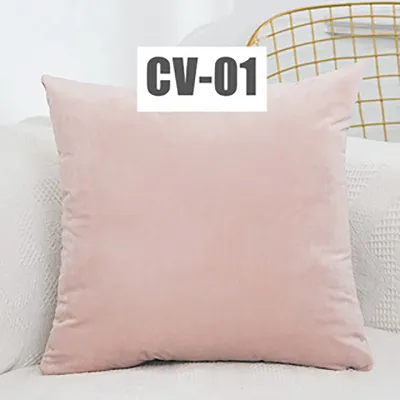
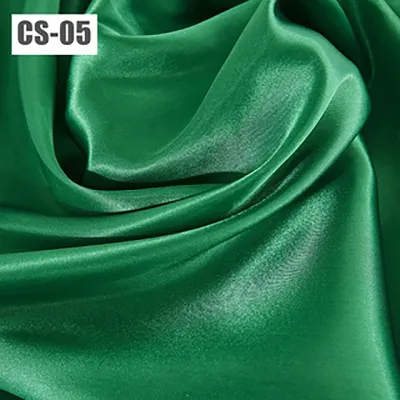
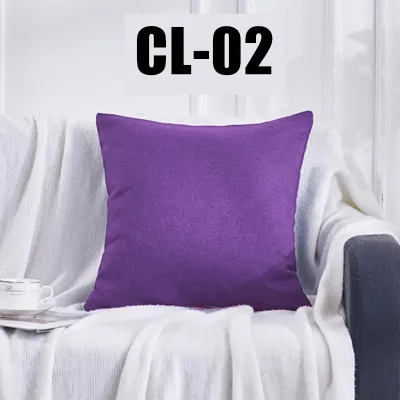
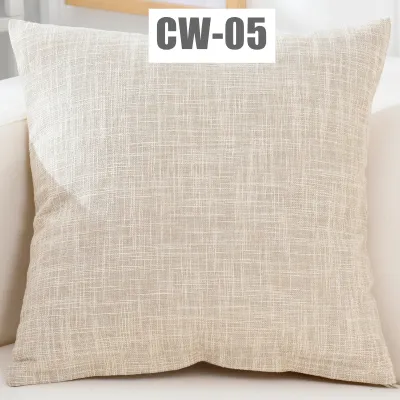
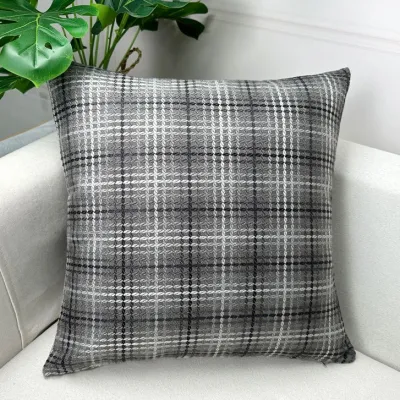
![[SG]Linen Cushion Cover 45x45cm Pillow Cover Checkered Plaid Pillowcase 17.7x17.7 inch Machine Washable](https://img.lazcdn.com/g/p/e28e285d92cde124dd07f34748753b26.jpg_400x400q80.jpg_.webp)
![[V.Home] Throw Pillows/Cushion Case/4 sizes available/Indoor Decoration Cushion Pillow](https://img.lazcdn.com/g/p/7b0bca45b51dd8b3fca4a548ca000357.jpg_400x400q80.jpg_.webp)
Prices are valid at publication and may change. Please refer to the product page for the latest price.
Color coordination is another critical element when selecting your cushion covers. Start by evaluating the base color and material of your sofa. For neutral sofas in shades of beige, grey, or charcoal, use your cushion covers to introduce accent colors that tie into other elements of the room, such as a rug, a piece of wall art, or a decorative lamp. You can choose a cohesive tonal palette—such as varying shades of warm terracotta and soft sand—or introduce high-contrast pops of color like deep forest green or mustard yellow to create a striking focal point.
Before purchasing any covers, it is essential to measure your existing sofa’s physical dimensions, particularly the seat depth and backrest height. Modern low-profile sofas with shallow seats can easily become overcrowded if the cushions are too thick or numerous. A 40×40 cm cushion is generally thin enough to provide comfortable lumbar support without pushing the seated person too far forward. Ensure that the scale of the cushion matches the height of the backrest so that the overall silhouette remains clean and proportional.
Recommended Style Directions for a Contemporary Aesthetic
Selecting the right style direction ensures that your living room feels cohesive and deliberately designed. In modern Singaporean homes, three primary design directions offer the most versatility and aesthetic longevity: minimalist textures, subtle geometrics, and nature-inspired botanical prints.

Minimalist and Solid Textures
For homes that embrace minimalist, Scandinavian, or Japandi design principles, solid-colored cushion covers are an excellent choice. Rather than relying on busy patterns to capture attention, these styles use rich, tactile fabric structures to create visual interest. Muted, earthy tones such as warm greys, soft sage greens, oatmeal, and terracotta work exceptionally well in modern spaces. They evoke a sense of calm and sophistication, blending seamlessly with light wood tones and clean white walls.
When working with a single solid color, the texture of the fabric becomes the primary design element. Look for covers featuring woven, slubbed, or bouclé finishes that invite touch and catch the light in different ways throughout the day. A heavily textured linen blend or a soft bouclé cushion adds physical warmth and dimension to a leather or flat fabric sofa. This tactile contrast prevents a neutral color scheme from looking cold or sterile.
However, solid and highly textured fabrics come with practical trade-offs that you should consider before purchasing. Woven fabrics with loose threads or deep textures can trap dust, lint, and pet hair more easily than smooth materials. If you have pets or young children, highly textured surfaces may require more frequent vacuuming or lint-rolling. Always check the manufacturer’s care labels to ensure the fabric can handle regular maintenance without pilling or losing its unique texture.
Subtle Geometrics and Abstract Patterns
If you want to introduce pattern without overwhelming your living room, subtle geometric prints and abstract designs offer a refined solution. Contemporary geometric styles avoid the loud, high-contrast patterns of past decades, opting instead for tone-on-tone prints, delicate line art, or minimalist abstract brushstrokes. These designs provide structured visual interest that complements the clean architectural lines of modern HDB and condo interiors.
The key to styling geometric cushion covers is maintaining a sense of balance across your seating area. A common design mistake is filling an entire sofa with highly patterned cushions, which can create a chaotic and visually exhausting environment. Instead, pair a single geometric or abstract 40×40 cm cushion with two solid-colored cushions. This layout allows the patterned cover to act as a focal point while the solid covers provide a visual resting place for the eyes.
When shopping for patterned covers online, it is crucial to verify the alignment and print quality of the design. Low-quality manufacturing can result in misaligned geometric patterns at the seams, which disrupts the clean look of the cushion. Read customer reviews and closely examine product images to confirm that the pattern is printed evenly on both sides of the cover or that the front-to-back transition is neatly finished.
Nature-Inspired and Botanical Prints
Biophilic design—the practice of incorporating natural elements into built environments—is highly popular in urban Singapore. Nature-inspired and botanical cushion covers allow you to bring a touch of the outdoors into your high-rise apartment. Modern botanical prints feature oversized monstera leaves, delicate fern sketches, or muted, abstract floral motifs that feel sophisticated rather than old-fashioned. These prints pair exceptionally well with indoor potted plants, rattan accents, and natural wood furniture.
To successfully integrate botanical prints into a modern living room, use them sparingly as deliberate accent pieces. On a standard three-seater sofa, limiting the botanical prints to one or two cushions is usually sufficient to establish the theme. Surround these nature-inspired covers with solid cushions that pull colors directly from the print itself, such as a deep olive green or a soft cream. This technique creates a unified look that feels intentional and grounded.
Keep in mind that vibrant botanical dyes and intricate prints may require special washing care to prevent fading over time. Direct sunlight streaming through living room windows can also cause colors to degrade, especially on natural fibers like cotton or linen. When selecting botanical covers, check the fabric composition and print method. If your living room receives intense afternoon sun, look for UV-resistant prints or place your botanical cushions on parts of the sofa that are shaded from direct sunlight.
Material Selection for Singapore's Tropical Climate
Singapore’s year-round hot and humid climate makes material selection one of the most important practical decisions when buying cushion covers. Fabrics that look beautiful in colder climates can feel sticky, heavy, or uncomfortable when used in a tropical environment. Choosing the right material ensures your living room remains a comfortable place to relax.
Natural fibers, such as pure cotton and linen blends, are highly recommended for Singaporean homes due to their exceptional breathability and moisture-wicking properties. These materials allow air to circulate freely, keeping the surface of the cushion cool to the touch even during warm afternoons. Linen, in particular, has a natural slub texture that adds organic warmth to a space, while cotton offers a soft, smooth surface that is gentle on the skin.
On the other hand, synthetic fibers like polyester and nylon are known for their high durability, wrinkle resistance, and ease of cleaning. Modern high-quality polyester blends can mimic the look of natural linen or silk while offering superior resistance to stretching and shrinking. However, pure synthetics tend to trap heat and moisture, which can make them feel sticky against bare skin in a humid room. If you choose synthetic covers, look for lightweight, breathable blends rather than dense, heavy weaves.
Always check the manufacturer’s fiber content label and care instructions rather than relying solely on product titles. Some products marketed as “linen cushions” may actually contain a high percentage of polyester with only a small fraction of natural linen. While blends can offer the best of both worlds—combining the breathability of natural fibers with the durability of synthetics—you should know exactly what you are purchasing to manage expectations regarding comfort and maintenance.
In a humid tropical climate, quick-drying fabrics are essential for preventing the buildup of musty odors, mold, and mildew. Heavy, non-breathable materials like thick velvet, faux fur, or heavy wool are generally unsuitable for everyday use in Singapore unless your living room is constantly air-conditioned. These dense fabrics trap moisture from the air and from perspiration, creating an environment where allergens can thrive. Stick to lightweight or medium-weight fabrics that dry quickly after washing or exposure to humidity.
Before making a purchase, establish a clear pre-purchase verification step regarding maintenance. Check whether the cushion cover is machine washable, requires hand washing, or is dry-clean only. For a busy household, machine-washable covers with durable seams are highly practical. If a cover has specific ironing constraints or delicate embellishments, consider whether you have the time to dedicate to its upkeep before committing to the purchase.
Shopping Guide and Pre-Purchase Checklist
Finding the perfect cushion covers involves navigating a variety of retail channels, from local home decor boutiques in Singapore to international online platforms. Each shopping avenue offers distinct advantages and disadvantages. Visiting a physical boutique allows you to feel the fabric texture and verify the exact color under natural light, which reduces the risk of returns. Online marketplaces, conversely, provide an unmatched variety of designs and price points but require extra diligence to ensure quality.
To avoid common purchasing mistakes, use this systematic pre-purchase checklist before finalizing your order:
- Exact Dimensions: Always verify the unit of measurement specified in the product listing. Ensure that the cover is explicitly labeled as 40×40 cm (centimeters) rather than 40×40 inches, as some international sellers use different regional standards. A 40×40 inch cover is massive (over 100 cm) and will not fit standard sofa cushions.
- Closure Type: Examine the closure mechanism of the cover. Hidden zipper closures are highly preferred for modern living rooms because they create a seamless, clean edge and prevent the zipper from scratching your sofa or skin. Envelope closures are simpler but can gap or sag if the cushion insert is slightly too large or if the fabric stretches over time.
- Insert Compatibility: Confirm whether the product listing is for the cushion cover only or if it includes the inner cushion insert. Most premium styling options are sold as covers only, allowing you to choose your own insert material (such as down feathers or polyester microfiber). If you want a plump, full look, ensure your insert is compatible with the cover's dimensions.
Finally, always review the retailer’s return and exchange policies, particularly when shopping online. Colors can appear differently on computer screens and mobile devices compared to how they look under your home’s specific lighting conditions. A cushion cover that looks like a warm cream online might appear cool and grey under your living room’s LED lights. Having a flexible return policy ensures you can exchange the covers if they do not match your existing decor as expected.
Frequently Asked Questions (FAQ)
Do 40×40 cushion covers fit standard sofa inserts?
Yes, a 40×40 cm cushion cover is designed to fit a standard 40×40 cm insert. However, if you prefer a very plump, firm, and structured look, many interior stylists recommend using an insert that is slightly larger than the cover, such as a 42×42 cm or 45×45 cm insert. Before attempting this, check the cover’s fabric stretch and seam strength, as forcing a larger insert into a delicate or non-stretch cover can rip the zipper or tear the seams.
How often should I wash my cushion covers in a humid climate?
In Singapore’s humid climate, it is generally recommended to wash everyday cushion covers every two to four weeks, depending on usage, whether you have pets, and how often your air conditioning is running. Regular washing prevents the accumulation of sweat, dust mites, and mildew. Always follow the specific care label attached to the cover; using gentle, cold-water cycles and avoiding harsh detergents will help preserve the fabric fibers and prevent colors from fading.
Can I mix different 40×40 cushion cover styles on the same sofa?
Yes, mixing different styles is an excellent way to create a modern, curated look. To keep the arrangement cohesive, use a shared color palette as your anchor. For example, you can mix one solid textured cover, one subtle geometric print, and one botanical print, provided they all share at least one common accent color. This approach ensures your sofa looks balanced and harmonious rather than mismatched or cluttered.
Community discussion
Share your experience or ask a question. Comments are reviewed before publication.