
Finding the perfect cushion covers 45×45 in Singapore involves navigating a diverse marketplace of local designers, international retailers, and custom upholstery workshops. Because cushions are high-touch decorative elements that undergo daily wear, selecting a cover with exceptional fabric quality and precise finishing is essential for long-term durability. In Singapore’s distinct tropical climate, factors such as material breathability, structural integrity, and ease of cleaning are just as critical as visual design.
The standard 45x45cm dimensions represent the most versatile and widely available cushion size in Singapore, making it the default choice for living room sofas, bedroom accent chairs, and outdoor patio lounges. However, the market ranges from low-cost mass-produced items to premium, artisanal creations. To make an informed purchase, homeowners must understand how to evaluate fabric weights, zipper construction, and seam finishes across different brand categories.
By focusing on objective quality metrics rather than subjective aesthetic trends, you can identify brands that offer genuine value. Whether you are looking to refresh your interior style, support local independent makers, or invest in bespoke, tailor-made soft furnishings, understanding the technical aspects of cushion cover construction will ensure your selections remain beautiful, comfortable, and structurally sound for years to come.
Products mentioned in this guide
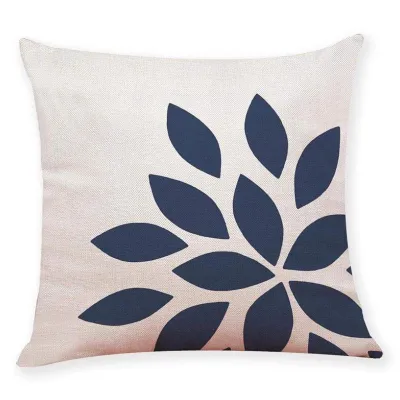
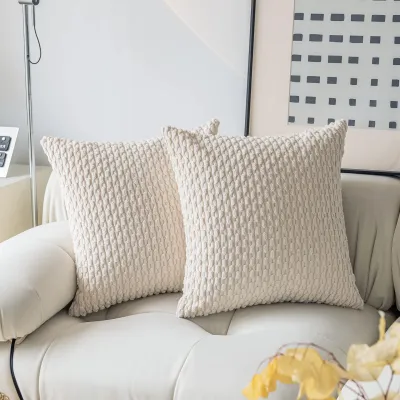
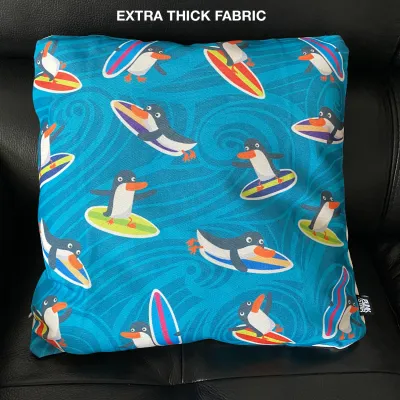
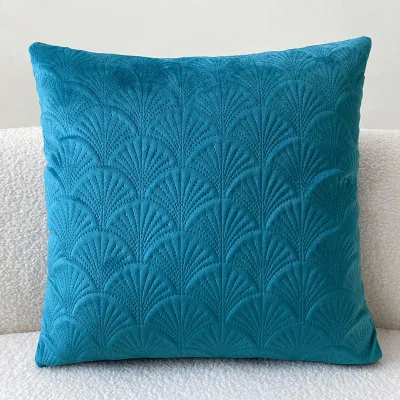
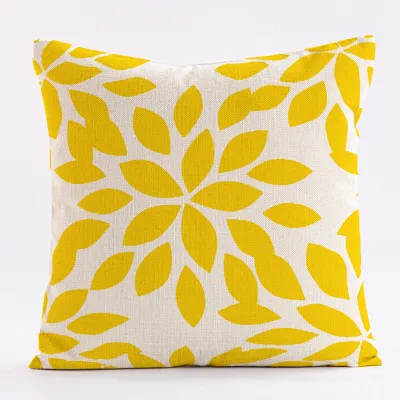
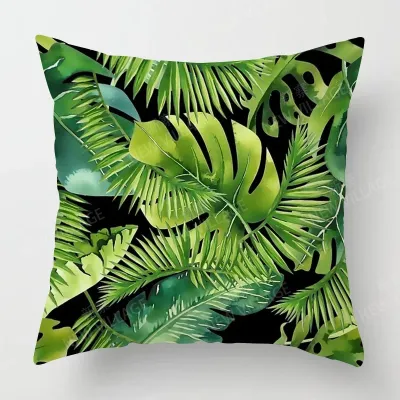
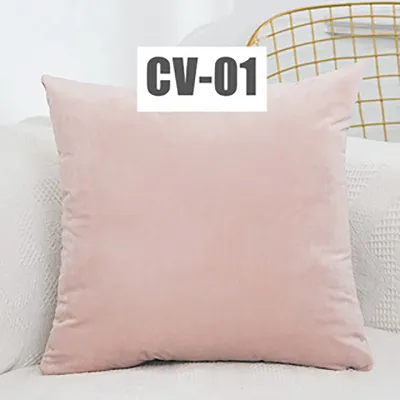
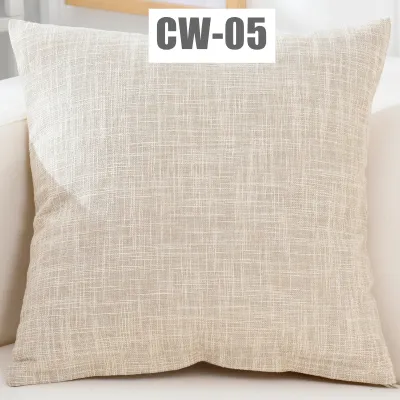
Prices are valid at publication and may change. Please refer to the product page for the latest price.
What Makes a 45×45 Cushion Cover High Quality?
When evaluating the quality of cushion covers 45×45, the fabric’s weight, weave, and texture serve as the foundation of its performance. In Singapore’s warm and humid environment, fabric choice directly influences both tactile comfort and longevity. Lightweight, loosely woven fabrics may feel airy, but they are prone to stretching, distorting, and wearing thin at stress points. Conversely, tightly woven, medium-to-heavyweight materials like premium cotton canvas, linen-cotton blends, and high-density velvet offer the structural integrity needed to maintain a crisp, square shape while resisting pilling and abrasion.
Linen blends are particularly well-suited for tropical living, offering the natural, textured aesthetic of pure linen combined with the structural stability and wrinkle resistance of cotton or polyester. Cotton canvas provides a highly durable, structured surface that holds vibrant prints beautifully and withstands frequent washing. For those seeking a luxurious touch, premium velvet covers should feature a dense, short pile that does not easily shed or trap excessive dust, ensuring the fabric remains soft and visually rich without requiring high-maintenance care.
Beyond the fabric itself, the construction details of a cushion cover reveal the brand’s commitment to craftsmanship. High-quality covers feature hidden or invisible zippers that are neatly recessed into the seam line. This concealed placement prevents the zipper’s metal slider from catching on delicate clothing, scratching leather upholstery, or disrupting the visual flow of the cushion’s edge. Furthermore, premium brands reinforce the zipper ends with heavy-duty bar tack stitching, preventing the seams from splitting open when you insert or remove a snug cushion insert.
Another key indicator of superior construction is the treatment of the internal seams. While low-quality covers often leave raw, unfinished fabric edges inside, reputable brands utilize overlocked, serged, or bound seams. This internal finishing prevents the fabric from fraying during washing cycles, preserving the cover’s structural integrity over time. Additionally, check for straight, high-density stitching with consistent tension; loose or uneven stitches are a clear sign of rushed manufacturing and are highly susceptible to popping under pressure.
True-to-size dimensions are a critical hallmark of premium cushion cover brands. A nominal 45x45cm cover should measure exactly 45x45cm when laid flat, with perfectly square corners and straight edges. Cheaply manufactured covers are frequently cut unevenly or suffer from significant shrinkage and warping after their first exposure to moisture. High-quality brands mitigate this issue by pre-shrinking their fabrics prior to cutting and sewing, ensuring that the cover retains its exact dimensions and fits your inserts perfectly wash after wash.
Where to Shop for Reliable Cushion Cover Brands in Singapore
Singapore offers a vibrant retail landscape for home textiles, categorized into distinct brand types that cater to different budgets, style preferences, and quality expectations. Local independent design studios are highly regarded for their unique, small-batch collections that often showcase regional heritage, such as Peranakan tile patterns, tropical botanical prints, or local architectural motifs. These boutique brands typically prioritize high-grade natural fabrics, meticulous quality control, and ethical manufacturing practices, making them an excellent choice for homeowners looking to inject distinct personality and artisanal quality into their living spaces.

For those who prioritize convenience, consistency, and immediate availability, international home furnishing chains provide a reliable alternative. These global brands operate physical showrooms across Singapore, allowing customers to physically inspect fabric textures, test zipper operations, and verify color accuracy under realistic lighting conditions. Because these chains manufacture on a large scale, they adhere to strict, standardized 45x45cm sizing, making it incredibly simple to find matching inserts and swap out covers seasonally. While their designs may be less exclusive, their mid-to-high-tier collections often offer excellent durability and practical, machine-washable fabrics.
Homeowners seeking absolute perfection or specific textile performance often turn to custom upholstery and soft furnishing workshops. Located throughout Singapore’s industrial estates and design districts, these specialized shops offer bespoke tailoring services. Here, you can select from extensive libraries of premium, designer-grade fabrics—including high-performance, stain-resistant, and UV-resistant outdoor textiles—and have them custom-fabricated into 45x45cm covers. This route allows you to customize every detail, from contrast piping and double-stitched borders to heavy-duty industrial zippers, ensuring a flawless match with your interior design theme.
Regardless of the brand category you choose, verifying reliability before making a purchase is essential, particularly when shopping online where physical inspection is impossible. Start by reviewing the brand’s return and exchange policies; reputable companies stand behind their products and offer straightforward solutions for manufacturing defects or sizing errors. Additionally, check if the brand provides fabric swatches or samples, which allow you to verify the fabric’s weight, texture, and true color in your home’s unique lighting environment before committing to a full purchase.
Finally, leverage verified customer feedback on official brand websites, local design forums, or authorized e-commerce platforms. Look for consistent patterns in the reviews, focusing specifically on how well the covers hold their shape after washing, whether the colors bleed or fade, and if the zippers remain functional over extended periods of use. A brand that consistently receives positive remarks for durability and customer service is far more likely to deliver a high-quality product that justifies its investment.
The Pre-Purchase Quality Checklist for Cushion Covers
To ensure you are investing in a durable and well-crafted 45×45 cushion cover, conducting a systematic quality check is highly recommended. Begin by inspecting the zipper quality and its overall placement. A premium zipper should operate smoothly without catching, sticking, or pulling on the surrounding threads. The zipper opening should also be wide enough—ideally spanning at least three-quarters of the cover’s total width—to allow for easy insertion of the cushion pad. A zipper opening that is too narrow forces you to compress and bend the insert excessively, putting immense strain on the zipper ends and increasing the risk of tearing the fabric or breaking the zipper teeth.
Next, turn the cushion cover completely inside out to examine the internal seam allowance and stitching quality. High-quality manufacturing is defined by clean, finished interiors. Look for overlocked or serged edges, which wrap the raw fabric ends in a dense network of threads to prevent unraveling. If the internal seams are raw, loose, or show signs of fraying even before the first wash, the cover is highly likely to degrade rapidly in the laundry. Additionally, ensure there is a generous seam allowance—the distance between the stitching line and the raw edge—as narrow seam allowances are prone to pulling apart under tension.
Carefully read the care labels and washing instructions attached to the cover. In Singapore’s humid climate, soft furnishings are susceptible to absorbing ambient moisture, dust, and body oils, necessitating regular cleaning. Opt for fabrics that match your lifestyle and maintenance preferences; if you prefer low-maintenance care, look for covers that are explicitly labeled as machine washable. Be cautious of covers that lack clear care labels or those made of delicate, dry-clean-only fabrics if you intend to use them in high-traffic areas like family rooms or dining nooks where spills and stains are common.
Another critical visual indicator of quality is pattern alignment and matching. For covers featuring geometric prints, stripes, plaids, or intricate floral designs, inspect how the pattern transitions across the seams and the zipper closure. Premium brands take the time to align the patterns precisely at the edges, creating a seamless, continuous visual effect that enhances the overall aesthetic. In contrast, lower-quality covers often ignore pattern alignment to maximize fabric yield and cut costs, resulting in jarring, mismatched lines that detract from the room’s polished look.
Lastly, evaluate the fabric thickness and density by holding the cover up to a light source. A high-quality, dense weave will block most of the light, indicating a tight structure that will resist stretching, tearing, and shifting over time. If the fabric is highly translucent or shows uneven gaps between the warp and weft threads, it is likely a low-density weave that will lose its shape, sag, and wear out quickly under normal use.
How to Pair 45×45 Covers with the Right Inserts
The aesthetic success of your cushion covers 45×45 depends heavily on pairing them with the correct cushion inserts. To achieve a professional, plump, and luxurious look frequently seen in interior design magazines, follow the sizing rule of thumb: select an insert that is slightly larger than the cover. For a standard 45x45cm cover, pairing it with a 48x48cm or 50x50cm insert is highly recommended. This extra volume completely fills out the corners of the cover, eliminates loose fabric wrinkles, and provides excellent structural support. If you prefer a flatter, highly tailored, or relaxed minimalist look—especially when using thick, stiff fabrics like heavy canvas or dense wool—stick to an exact 45x45cm insert.
The choice of insert material also plays a significant role in how the cushion looks, feels, and performs. Down alternative (typically made of fine polyester microfibres) is an outstanding option for those seeking the luxurious loft, soft sink-in feel, and shape-retention of natural down without the allergy concerns. It pairs beautifully with soft, draping fabrics like velvet and linen, allowing for a classic ‘chop’ aesthetic. Standard polyester fiberfill is highly affordable, lightweight, and hypoallergenic, making it a practical choice for everyday use, though it tends to clump over time and works best with stiffer, highly structured covers like cotton canvas.
For modern, clean-lined spaces, foam inserts offer rigid, geometric support that maintains a perfect square shape without requiring regular fluffing. However, foam is significantly firmer and less comfortable for lounging compared to fiber or down alternatives. When choosing your insert, consider how the weight of the cover fabric interacts with the insert’s density; heavy, thick cover fabrics require a resilient, high-loft insert to prevent the cushion from looking flat and lifeless, while lightweight cotton covers can be easily filled with standard polyester inserts.
Maintaining your cushion inserts is essential for preserving the overall look of your soft furnishings. Over time, inserts naturally compress and lose their loft due to regular use and body weight. To counteract this, fluff your fiberfill and down-alternative inserts weekly by vigorously massaging them from the outer corners toward the center. If an insert remains flat, lumpy, or fails to bounce back after fluffing, it has reached the end of its lifespan and should be replaced to ensure your high-quality 45x45cm covers continue to look their best.
How to Clean and Maintain Your Cushion Covers
Proper maintenance is key to extending the life, color vibrancy, and structural integrity of your 45×45 cushion covers, especially in Singapore’s tropical environment. Establish a routine maintenance schedule by vacuuming your cushion covers weekly using a clean, soft upholstery attachment. This simple step removes surface dust, pet hair, and airborne allergens before they can settle deep into the fabric fibers. Address accidental spills immediately by gently blotting the area with a clean, dry microfibre cloth; avoid rubbing or scrubbing, which can push the liquid deeper into the weave and damage the fabric’s texture.
When it comes to washing, always consult and adhere to the manufacturer’s care instructions. For machine-washable covers, turn them inside out and zip them fully closed before placing them in the machine. This protects the delicate face fabric from friction and prevents the zipper teeth from snagging on other items. Use a gentle, delicate cycle with cold water and a mild, pH-neutral liquid detergent formulated for delicate fabrics. Avoid using harsh chemical bleaches or fabric softeners, as they can break down natural fibers, weaken synthetic blends, and cause colors to fade prematurely.
Air drying is the safest and most effective method for drying your cushion covers. Hang them to dry in a shaded, well-ventilated outdoor area or an indoor space with good airflow, such as near a fan or open window. Avoid exposing wet covers to direct, intense tropical sunlight, which can cause rapid color fading and weaken the fibers. Never use a high-heat tumble dryer unless the care label explicitly permits it, as excessive heat can shrink natural fabrics like cotton and linen, warp synthetic fibers, and distort the zipper tape, rendering the cover unusable.
For seasonal style updates or when storing spare covers, proper storage techniques are vital to prevent mildew and musty odors in humid climates. Ensure the covers are completely clean and 100% dry before storing them. Fold them neatly or roll them gently to prevent deep, stubborn creases that are difficult to iron out. Store your covers in breathable fabric storage bags or clean drawers; avoid airtight plastic containers, which can trap ambient moisture and create an ideal environment for mold and mildew growth. Adding a few silica gel packets to your storage area is an excellent way to absorb excess humidity and keep your covers fresh.
Frequently Asked Questions (FAQ)
Can I use a 45×45 cover on a 40×40 insert?
Using a 45x45cm cover on a smaller 40x40cm insert is highly discouraged. Because the cover is significantly larger than the insert, the excess fabric will sag, drape loosely, and bunch up, leaving the corners completely empty and deflated. This results in an untidy, unpolished appearance that detracts from your room’s decor. This combination should only be used if you are intentionally pursuing an extremely casual, unstructured, and slouchy aesthetic, though even in relaxed settings, a properly sized cover and insert pair looks significantly better.
How do I measure a cushion cover accurately?
To measure a cushion cover accurately, first remove the insert and turn the cover completely inside out. Lay the empty cover flat on a hard, level surface, smoothing out any folds or wrinkles. Use a metal measuring tape to measure along the seams from one corner to the adjacent corner (seam-to-seam). Avoid measuring across the center of a stuffed cushion, as the three-dimensional curvature will make the cushion appear smaller than its true flat dimensions. Measuring the cover flat ensures you get the exact nominal size required for purchasing new inserts.
Are outdoor cushion covers suitable for indoor use?
Yes, outdoor cushion covers can be highly practical and effective for indoor use, particularly in busy households with pets, young children, or in high-traffic dining and living areas. Outdoor fabrics, such as solution-dyed acrylics or treated polyesters, are engineered to resist liquid spills, stains, and UV fading, making them incredibly easy to clean and maintain. However, keep in mind the potential trade-offs: outdoor materials typically have a stiffer, coarser hand feel and offer less breathability compared to traditional indoor textiles like soft cotton, linen blends, or plush velvet.
Community discussion
Share your experience or ask a question. Comments are reviewed before publication.