
Refreshing a living room does not require a complete furniture overhaul or an expensive renovation. One of the most effective, budget-friendly ways to transform your space is by updating your cushion covers. The standard 45×45 cm cushion cover is a highly versatile design option—large enough to showcase intricate textures and bold patterns, yet compact enough to sit comfortably on any sofa, armchair, or entryway bench. By strategically selecting styles that complement your existing decor, you can instantly shift the mood of your home from casual and relaxed to sophisticated and luxurious.
How to Match Cushion Styles to Your Living Room
Before purchasing new 45×45 cushion covers, take a step back and analyze your living room’s current design baseline. Look at the dominant colors of your sofa, the undertones of your walls, and any existing patterns in your rugs or curtains. If your sofa is a neutral shade like grey, beige, or cream, it acts as a blank canvas, allowing you to introduce vibrant accent colors or high-contrast patterns. Conversely, if you have a bold, colorful sofa, you might want to choose cushion covers that either match its tone for a cohesive look or use complementary, muted shades to soften the overall visual impact.
Next, decide on your styling objective: do you want your cushions to blend in or stand out? A monochromatic approach relies on varying textures—such as mixing smooth cotton with chunky bouclé in the same color family—to create depth without visual noise. If you prefer a focal point, introducing a few covers with striking geometric prints or rich jewel tones will draw the eye directly to your seating area.
Products mentioned in this guide

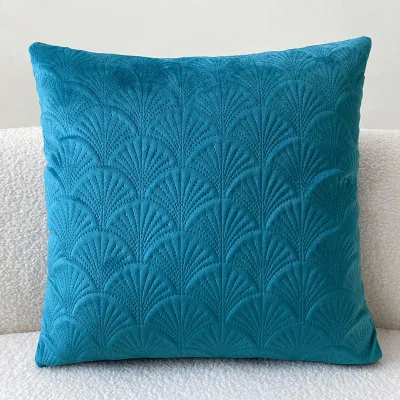
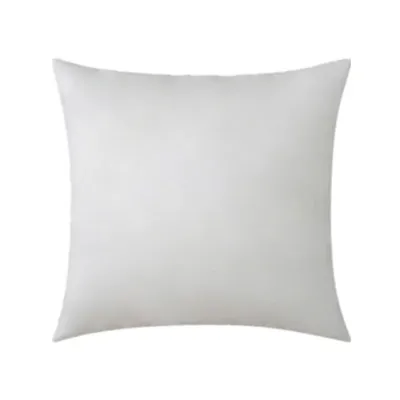
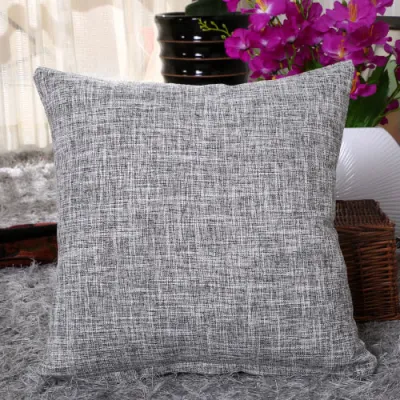
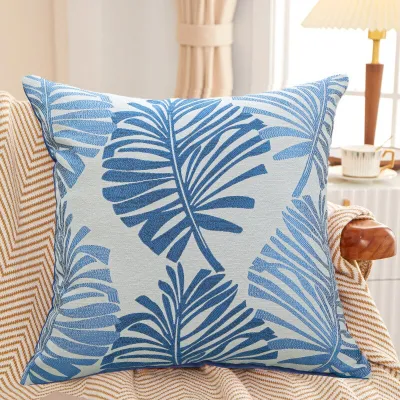
Prices are valid at publication and may change. Please refer to the product page for the latest price.
Do not overlook the role of natural lighting in your living room. In bright, sunlit spaces, natural fibers like linen and cotton look beautifully organic, and their matte finishes prevent harsh glare. In contrast, rooms with softer, indirect light or warm artificial lighting benefit immensely from light-reflective fabrics like velvet or silk blends. These materials catch the light at different angles, adding a subtle shimmer and a sense of warmth to darker corners.
Top 45×45 Cushion Cover Styles for a Quick Refresh
Selecting the right style involves understanding how different fabrics and designs interact with your room’s architecture. The 45×45 cm size is particularly versatile because it provides a balanced square canvas that highlights the unique characteristics of each material.

Textured and Bouclé Styles
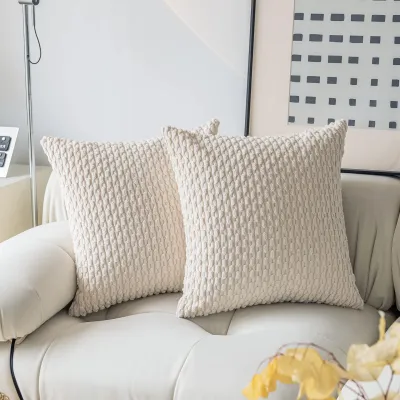
Bouclé and heavily textured fabrics have become staples in modern interior design, celebrated for their cozy, tactile appeal. Characterized by looped, nubby yarns, bouclé adds significant visual weight and a three-dimensional quality to your seating. This texture breaks up the flat, uniform surface of modern sofas, making the entire room feel more inviting and comfortable.
These highly textured styles are exceptionally well-suited for minimalist, Scandinavian, or Japandi interiors. In these design schemes, where the color palette is often restricted to neutrals, texture takes the place of pattern to prevent the space from looking cold or sterile. A cream or oatmeal bouclé cushion cover adds warmth and sophistication without disrupting the serene, uncluttered aesthetic.
While textured fabrics are visually stunning, they do require mindful maintenance. The looped fibers can trap dust, pet hair, or small debris over time. To keep them looking fresh, perform routine maintenance by lightly vacuuming the covers using an upholstery brush attachment, or use a soft-bristled brush to gently lift away surface dust without pulling the delicate loops.
Minimalist Linen and Cotton
For those who prefer a relaxed, breezy, and organic aesthetic, natural fibers like linen and cotton are highly favored. These materials offer a breathable, lightweight feel that is particularly suited for warm, tropical climates or casual coastal-themed living rooms. The beauty of linen lies in its subtle slubs—the natural irregularities in the yarn that create a rich, organic texture—and its soft, matte finish.
Linen and heavy cotton weaves are ideal for spaces aiming for an effortless, lived-in, or organic modern look. They pair beautifully with light wood accents, indoor plants, and natural jute rugs. Because these fabrics are highly breathable, they remain cool to the touch, making them a practical choice for everyday comfort on the sofa.
One characteristic to keep in mind is that natural fibers, especially pure linen, are prone to wrinkling. Rather than viewing this as a flaw, interior designers often embrace these soft creases as an essential part of the relaxed, casual aesthetic. If you prefer a crisper look, opt for linen-cotton blends, which offer the organic appearance of linen with the added structure and wrinkle resistance of cotton.
Bold Geometric and Abstract Prints
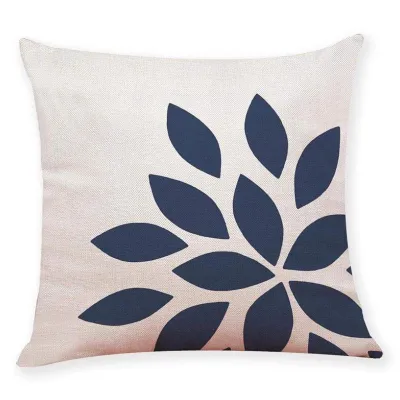
If your living room feels a bit static or lacks energy, bold geometric and abstract prints are a highly effective option. A 45×45 cm cushion cover provides a generous canvas that is large enough to display repeating geometric motifs, mid-century modern shapes, or expressive abstract brushstrokes without compressing the design.
To avoid visual clutter, use these high-contrast patterns strategically. Instead of covering your entire sofa in busy prints, use them as accent pieces. A common designer formula is to place solid-colored cushions at the back and layer a single geometric or abstract print cushion in front. This creates a layered, professional look while keeping the overall design balanced.
When shopping for printed cushion covers, pay close attention to the construction quality. High-quality covers feature pattern alignment at the seams, meaning the geometric lines or abstract shapes match up neatly where the fabric panels are sewn together. Poorly aligned patterns can look disjointed and detract from the polished look of your living room.
Velvet and Jewel-Tone Luxe
To elevate the luxury and sophistication of your living space, look no further than velvet and rich jewel tones. Velvet is a light-reflective fabric with a distinct directional pile, meaning it catches and reflects light differently depending on the angle. This unique property gives velvet cushion covers a dynamic, shifting sheen that adds instant depth and glamour to any sofa.
Velvet covers in deep jewel tones—such as emerald green, sapphire blue, rich amethyst, or warm amber—are excellent choices for adding warmth to darker rooms or complementing traditional, classic, or art deco decor schemes. The weight of the fabric gives the cushion an elegant drape and a structured, substantial appearance.
Because velvet is a delicate material, it is important to check the care labels before purchasing. While some high-end velvet covers require dry cleaning, many modern velvet alternatives are made from durable polyester blends that can be gently hand-washed or machine-washed on a delicate cycle. Always wash them inside out to protect the pile, and avoid aggressive scrubbing, which can permanently crush the fabric’s luxurious texture.
Material and Texture Considerations
Beyond visual aesthetics, the physical properties of the fabric play a crucial role in how a cushion looks, feels, and holds its shape over time. Different materials offer varying levels of drape and structure. For instance, heavy canvas, denim, or thick wool blends provide a stiff, structured silhouette that holds its shape exceptionally well, making them great for supporting your back. On the other hand, fluid fabrics like silk blends, satin, or thin polyester have a soft drape that conforms easily to your body, offering a more relaxed and casual feel.
The weight and stretch of the fabric also directly affect the final plumpness of your cushion. Stiff, non-stretch fabrics will compress the insert inside, creating a firm, highly structured cushion. If your cover has a bit of natural stretch, like a knit or a soft cotton blend, it will allow the insert to expand fully, resulting in a softer, cloud-like feel.
Practicality should always guide your material choices, especially if you have a busy household with children or pets. Always read the manufacturer’s care label for washing instructions, shrinkage risks, and colorfastness before making a purchase. Natural fibers may shrink if washed in hot water, while vibrant, dark-colored fabrics should be tested for colorfastness to ensure they do not bleed onto light-colored sofa upholstery.
Styling Tips: Arranging Your 45×45 Cushions
Once you have selected your favorite 45×45 cushion covers, the next step is arranging them to create a curated, professional look. A classic design principle is the “rule of three,” which suggests that groupings of odd numbers are more visually appealing to the human eye than even numbers. For a standard three-seater sofa, placing a cluster of three cushions on one end and a matching pair on the other creates an asymmetrical, balanced look. For smaller two-seater sofas, a simple symmetrical pairing—one cushion on each corner—keeps the seating area clean and uncluttered.
Do not limit yourself to a single size. Mixing your 45×45 cm square covers with other dimensions is an excellent way to build layered depth. Try placing a larger 50×50 cm solid cushion at the back, layering your styled 45×45 cm cushion in front of it, and finishing the arrangement with a small rectangular lumbar cushion in the center. This variation in height and shape prevents the arrangement from looking flat or monotonous.
To achieve that coveted, high-end look seen in design magazines, use the “karate chop” technique. This styling trick works best with down or down-alternative inserts, which are highly malleable. Simply plump the cushion, place it in its designated spot, and use the side of your hand to deliver a gentle downward chop to the top center of the cushion. This creates a soft indentation, giving the cushion a relaxed, inviting, and custom-tailored shape rather than a stiff, overfilled appearance.
What to Check Before Buying
To ensure a seamless refresh, keep a few practical checks in mind before finalizing your purchase. First, confirm the exact dimensions of your existing cushion inserts. A common designer secret for achieving a plump, professional look is to use an insert that is slightly larger than the cover. For a 45×45 cm cover, a 45×45 cm insert will provide a standard, comfortable fit, while a slightly larger, soft insert (such as a 48×48 cm or a highly compressible down insert) can fill out the corners beautifully. However, avoid forcing a stiff, oversized insert into the cover, as this can strain the seams and ruin the drape.
Next, examine the closure mechanism. Hidden zippers are a popular choice for modern cushion covers, as they are concealed along the bottom seam, providing a clean, seamless look from all angles. Envelope backs, which feature overlapping fabric panels on the reverse side, are also popular and make insert removal incredibly easy, though they can sometimes gap if the insert is too plump.
Finally, verify the quality of the construction. Turn the cover inside out if possible, or inspect close-up product photos to check for reinforced seams and sturdy zipper stitching. Since cushion covers are frequently zipped and unzipped for washing, and subjected to daily leaning and tossing, durable stitching is essential to prevent fraying and splitting over time.
Frequently Asked Questions (FAQ)
Can I use a 45×45 cover on a 50×50 cushion insert?
Forcing a 50×50 cm insert into a smaller 45×45 cm cover is generally not recommended. While a slightly larger insert can make a cushion look plump, a 50×50 cm insert is typically too large for a 45×45 cm cover. Attempting to squeeze it in will put excessive strain on the seams and zipper, potentially causing them to split or break. It also compresses the filling too tightly, resulting in a hard, uncomfortable cushion that loses its soft, inviting shape. For a 45×45 cm cover, stick to a 45×45 cm insert or a soft, compressible 48×48 cm insert.
How do I keep velvet cushion covers looking new?
To maintain the luxurious sheen and soft texture of velvet cushion covers, regular, gentle care is key. Use an upholstery attachment on your vacuum cleaner to lightly remove dust and pet hair from the surface, brushing in the direction of the pile. If a spill occurs, blot the area immediately with a clean, dry cloth—never rub aggressively, as this can permanently crush the delicate fibers and alter the fabric’s light-reflective properties. Always refer to the manufacturer’s care label for specific washing instructions, and wash the covers inside out on a gentle cycle if machine washing is permitted.

Community discussion
Share your experience or ask a question. Comments are reviewed before publication.