
Sourcing a reliable puzzle frame 50×70 in Singapore requires balancing structural depth, precise inner dimensions, and robust mounting hardware. Unlike standard paper posters, completed jigsaw puzzles possess a distinct thickness—typically ranging from 1.8 mm to 2.5 mm—that demands a frame with adequate rabbet depth. Standard 50×70 cm poster frames designed for thin paper prints often fail to close properly when packed with a thick cardboard puzzle, leading to bent backing clips, warped frames, or damaged puzzle edges.
To display your completed jigsaw puzzle safely and beautifully, you must understand the physical differences between paper prints and puzzles, evaluate frame materials for Singapore’s humid climate, and select the right retail channel. This comprehensive guide details how to choose the ideal 50×70 frame, where to purchase reliable brands locally, and how to safely mount heavy frames on various Singaporean wall types.
Understanding 50×70 Dimensions: Puzzle Size vs. Frame Fit
A critical mistake many collectors make is assuming a puzzle marketed as “50×70 cm” measures exactly 500 mm by 700 mm. In practice, jigsaw puzzles are subject to minor manufacturing variances. Depending on the brand, the cutting die used, and how tightly the interlocking pieces fit together, a completed puzzle may measure a few millimeters larger or smaller than its nominal size. A puzzle labeled 50×70 cm might actually measure 49.7 x 69.8 cm or expand to 50.3 x 70.2 cm once fully assembled.
Products mentioned in this guide
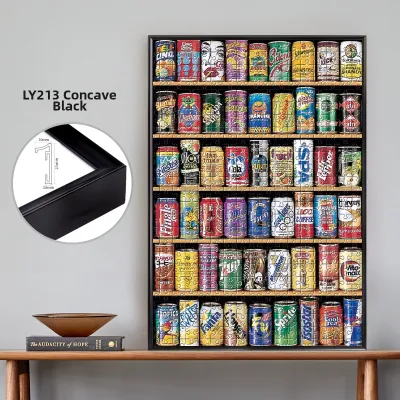
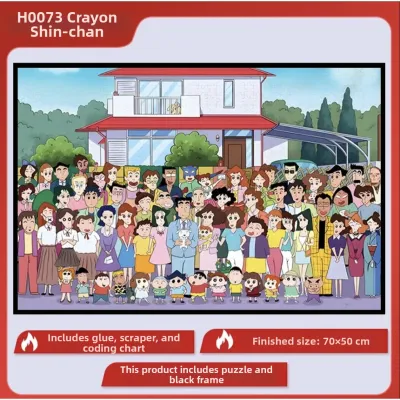
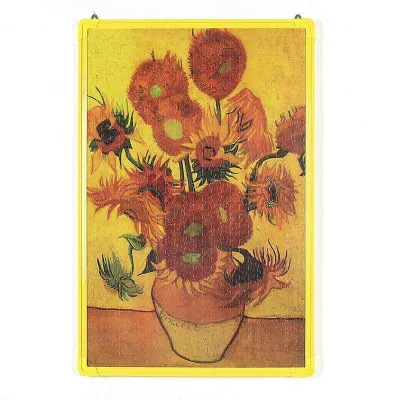
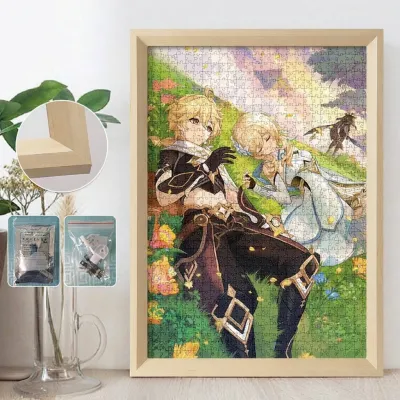
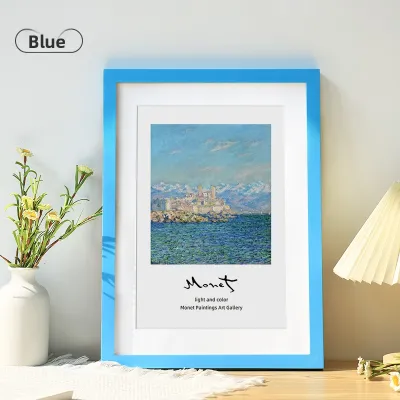

Prices are valid at publication and may change. Please refer to the product page for the latest price.
Matting—the cardboard border placed around the artwork—offers an elegant solution to these minor sizing discrepancies. Using a custom-cut mat board (passe-partout) inside a slightly larger frame (such as a 60×80 cm frame) provides a professional, gallery-style border. The mat board overlaps the edges of the puzzle by a few millimeters, hiding any irregular gaps or slightly frayed edges. If you prefer a borderless look, you must ensure your puzzle frame 50×70 has a slightly forgiving inner dimension to accommodate a puzzle that runs slightly large.
Before purchasing any frame, always distinguish between its inner dimensions (rabbet size) and outer dimensions. The inner dimension refers to the usable space where the glass, puzzle, and backing board sit. The outer dimension includes the width of the frame border itself, which dictates how much physical wall space the frame will occupy. If the inner dimensions are exactly 50.0 x 70.0 cm and your puzzle measures 50.2 cm, you will have to shave down the puzzle edges or choose a different frame. Always verify the manufacturer’s specified inner dimensions rather than relying solely on the retail label.
How to Evaluate Puzzle Frame Brands: Materials, Glazing, and Hardware
Evaluating a frame brand requires looking beyond aesthetic appeal. To ensure your puzzle remains flat, secure, and protected from environmental damage, you must assess the frame’s material composition, glazing type, backing board, and structural hardware.

Frame Material
The choice of frame material directly impacts the durability, weight, and moisture resistance of your display, which is particularly important in Singapore’s humid tropical climate.
- Solid Wood: Offers classic aesthetic appeal and exceptional structural integrity. However, solid wood is heavy and can warp over time if exposed to high humidity without proper sealing or lacquer coatings.
- Metal (Aluminum): Highly rigid, slim, and lightweight. Aluminum frames are completely impervious to humidity, making them highly stable and resistant to warping in tropical environments. They provide a modern, minimalist border.
- MDF and Engineered Composites: Highly affordable and widely available. However, unsealed Medium-Density Fibreboard (MDF) is highly susceptible to moisture absorption. In humid conditions, MDF can swell, soften, or develop mold if not kept in a climate-controlled room.
Glazing Options
Glazing is the protective transparent sheet covering the front of your puzzle. The two primary options present distinct trade-offs in weight, safety, and clarity.
- Traditional Glass: Provides superior optical clarity and scratch resistance. It does not attract dust via static electricity. However, glass is heavy and fragile; if a large 50×70 frame falls, the glass can shatter, posing a safety hazard and permanently ruining the puzzle beneath.
- Acrylic (Plexiglass): Highly shatter-resistant, lightweight, and safer for high-traffic areas or homes with children and pets. The primary drawbacks are that acrylic scratches easily and carries a static charge that can attract cardboard dust from the puzzle. Premium acrylic brands offer anti-glare coatings and UV protection, which are highly recommended if the puzzle is displayed near windows receiving direct sunlight.
Backing and Hardware
The backing board must be rigid enough to prevent the puzzle from sagging or bowing outward over time. Avoid flimsy corrugated cardboard backings, which absorb moisture and lose structural integrity. Look for dense MDF, hardboard, or plastic backing sheets. Additionally, check the securing mechanism on the back of the frame. Swivel clips, turn buttons, or flexible metal tabs must be sturdy enough to press the backing firmly against the puzzle, ensuring constant compression.
Puzzle-Specific Features
Some specialized brands design frames specifically for puzzles. These frames feature a deeper rabbet (the inner channel depth) of at least 3 mm to 5 mm to accommodate the combined thickness of the puzzle, glue, and backing board. Front-loading frames or frames with spring-loaded corner clips are highly convenient, as they allow you to assemble the frame around the puzzle without having to flip the delicate, completed piece over.
Where to Find the Best 50×70 Puzzle Frames in Singapore
Singapore offers several retail routes for sourcing 50×70 frames, ranging from budget-friendly mass-market furniture stores to high-end custom framing studios.
Mass-Market Home Decor and Furniture Brands
Large international furniture retailers with physical showrooms in Singapore offer highly accessible and budget-friendly 50×70 frames. Brands like IKEA (with popular lines such as Ribba or Lomviken) and MUJI provide ready-made frames that can be inspected in person before buying.
- Price Range: Broadly S$15 to S$40.
- Pros: Highly affordable, immediately available for cash-and-carry, and easy to return if defective.
- Cons: These frames are mass-produced for thin paper posters. The rabbet depth is often very shallow (frequently under 2 mm). To fit a puzzle inside, you may need to discard the included paper mat board or replace the thick backing board with a thinner sheet of chipboard to get the metal tabs to close properly.
Specialized Art, Craft, and Hobby Retailers
Art supply specialists and craft chains—such as Art Friend (with major outlets at Bras Basah Complex, Plaza Singapura, and Clementi) or Spotlight—cater directly to artists and hobbyists.
- Price Range: Broadly S$40 to S$90.
- Pros: Better build quality, deeper frame profiles, and sturdier backing materials. These retailers often stock lightweight, high-quality acrylic glazing and offer staff who understand framing dimensions and can recommend compatible accessories.
- Cons: Prices are higher than mass-market options, and color choices are typically limited to neutral tones like black, white, and natural wood grains.
Custom Framing Studios and Online E-commerce Platforms
For unique puzzle sizes, premium materials, or convenient home delivery, custom studios and digital marketplaces offer tailored solutions.
- Custom Framing Studios: Located in historical art hubs like Bras Basah Complex or independent framing shops across Singapore, these studios offer bespoke framing.
- Price Range: Broadly S$120 to S$250+.
- Pros: Tailored to the exact millimeter of your puzzle. You can select premium materials like solid teak, conservation-grade UV-blocking glass, and acid-free matting. The framer will professional-seal the back of the frame with moisture-resistant tape, protecting the puzzle from humidity.
- Cons: High cost and a turnaround time of several days to a week.
- Online E-commerce Platforms: Sourcing from reputable sellers on major online marketplaces or specialized digital framing shops.
- Price Range: Broadly S$25 to S$70.
- Pros: Wide variety of colors, finishes, and specific puzzle-friendly depths.
- Cons: High risk of transit damage for glass glazing. When buying online, always read customer reviews to verify the seller's packaging quality (look for foam corner protectors and rigid shipping boxes) and double-check that the listed dimensions refer to the internal glass size rather than the external frame border.
Safe Installation: Hanging Heavy 50×70 Frames on Singapore Walls
A completed 50×70 cm puzzle, combined with a solid frame, backing board, and glass glazing, can easily weigh between 2.5 kg and 5 kg. Hanging a heavy frame safely requires understanding your wall type and using the correct hardware.
Weight Assessment
Before mounting, weigh your fully assembled frame on a standard luggage or bathroom scale. Knowing the exact weight prevents you from under-specifying your hanging hardware. Never rely on standard adhesive strips or light-duty plastic stick-on hooks for frames weighing over 2 kg; tropical humidity can degrade adhesive backings over time, leading to sudden, catastrophic falls.
Wall Types in Singapore
Different wall structures require specific drilling techniques and anchoring hardware.
- Concrete/Masonry Walls: Standard for structural walls, household shelters (bomb shelters), and external walls in Singapore HDB flats and concrete condominiums. These walls require a rotary hammer drill, masonry drill bits, plastic wall plugs (anchors), and matching metal screws. Standard impact drills may struggle to penetrate high-strength HDB concrete.
- Drywall/Partition Walls: Commonly used for internal room partitions in newer condominiums and office spaces. Drywalls cannot support heavy loads on screws alone. You must use specialized plastic toggle anchors, self-drilling drywall anchors, or butterfly bolts that expand behind the plasterboard to distribute the weight.
Hanging Hardware
For a 50×70 frame, install two heavy-duty D-ring hangers on the left and right sides of the frame’s backing board, positioned about one-third of the way down from the top. Run a braided stainless steel hanging wire between the D-rings, leaving a slight slack. Hang the wire over a secure wall screw. This setup distributes the weight evenly across the frame joints and allows you to adjust the frame easily to ensure it hangs level. Avoid using a single central sawtooth hanger, which can pull out of the backing board under sustained heavy loads.
Safety Boundaries
If you need to drill into tiled walls (such as in kitchens or bathrooms), work at heights, or mount a frame weighing over 5 kg, consult a professional local handyman. Before drilling into any wall, check the layout of your home’s electrical wiring and plumbing to avoid puncturing hidden conduits. Always wear protective eyewear when drilling into concrete.
Step-by-Step Guide: Prepping and Framing Your 50×70 Puzzle
To ensure your puzzle remains flat, secure, and undamaged inside its frame, follow these systematic assembly steps.
Step 1: Gluing vs. Non-Gluing
Decide whether you want to permanently bond your puzzle. While some high-pressure frames can hold a puzzle together through compression alone, gluing is highly recommended for a 50×70 display to prevent pieces from sagging or slipping over time.
- Liquid Puzzle Glue: Apply a dedicated, clear-drying puzzle glue (such as Mod Podge Puzzle Saver) to the front of the puzzle. Use a plastic scraper, spatula, or sponge to spread the glue evenly into the joints between the pieces. The glue acts as both an adhesive and a protective topcoat.
- Adhesive Sheets: If you prefer not to apply wet glue to the front, flip the puzzle over carefully using two sheets of rigid cardboard. Apply heavy-duty, peel-and-stick puzzle saver sheets directly to the back of the puzzle, smoothing out any air bubbles with a roller.
Step 2: Drying and Flattening
If you used liquid glue, let the puzzle dry completely in a dust-free, well-ventilated room for at least 4 to 12 hours, following the glue manufacturer’s instructions. High humidity in Singapore can extend drying times. Once dry, the puzzle may curl slightly at the corners. Place a clean sheet of baking paper over the puzzle, weight it down with heavy books overnight, and allow it to flatten completely before framing.
Step 3: Assembly Best Practices
Prepare your workspace by laying down a soft, clean towel to prevent scratching the frame or glazing.
- Clean the Glazing: Wipe both sides of the glass or acrylic sheet with a microfiber cloth and a mild glass cleaner or anti-static spray to remove fingerprints, dust, and lint.
- Insert the Glazing: Place the clean glazing flat inside the empty frame.
- Position the Puzzle: Carefully slide your flattened, dry puzzle onto the glazing, ensuring it is perfectly centered. If you are using a mat board, align the mat board over the puzzle first, secure it with acid-free tape on the back, and then place the assembly into the frame.
- Add the Backing: Lay the rigid backing board over the puzzle.
- Secure the Clips: Press down gently on the backing board and secure the flexible metal tabs or swivel clips. Work in an alternating pattern (top, bottom, left, right) to distribute the pressure evenly and prevent the backing from warping.
Frequently Asked Questions (FAQ)
Can I use a standard 50×70 poster frame for a 50×70 puzzle?
While a standard 50×70 poster frame shares the same length and width dimensions, it typically lacks the necessary rabbet depth to accommodate a puzzle. Jigsaw puzzles are roughly 2 mm thick, whereas posters are paper-thin. Forcing a puzzle into a shallow poster frame can bend the backing board, break the securing clips, or cause the frame corners to split. Always check the frame’s internal depth before purchasing to ensure it can hold a 2 mm to 3 mm thick insert.
How do I prevent puzzle pieces from falling apart inside the frame?
The most reliable way to keep puzzle pieces secure is to apply a dedicated liquid puzzle glue to the front surface, allowing it to seep into the seams and bind the pieces into a single, rigid sheet. For added security, apply adhesive sheets or heavy-duty backing tape to the rear of the puzzle. Ensure your frame has a rigid backing board and tight securing clips to apply constant, even compression across the entire surface of the puzzle, preventing individual pieces from slipping over time.
Is acrylic or glass better for large puzzle frames?
For a large 50×70 frame, acrylic is generally preferred in Singapore homes due to its lightweight nature and shatterproof safety, making it much easier to hang securely on partition walls or in homes with children and pets. However, glass offers superior scratch resistance and does not carry a static charge that attracts cardboard dust. Choose glass if you have solid concrete walls, require maximum optical clarity, and can handle the extra weight safely during installation.
Community discussion
Share your experience or ask a question. Comments are reviewed before publication.