
Completing a 1,000-piece jigsaw puzzle is a rewarding achievement, but displaying it requires a frame that matches its exact dimensions and structural needs. In Singapore, finding the perfect puzzle frame 50×70 involves more than just picking a standard poster frame off a shelf. Because puzzles are significantly thicker and heavier than flat paper prints, you must select a frame with sufficient depth, robust backing, and secure mounting hardware designed for local wall types. Choosing the right frame not only showcases your hard work but also protects it from Singapore’s humid climate, which can easily warp unprotected cardboard and paper.
Key Features to Check Before Buying a 50×70 Puzzle Frame
When shopping for a frame to house your completed masterpiece, relying solely on the labeled dimensions can lead to frustrating compatibility issues. Jigsaw puzzles present unique physical challenges that standard art prints do not. Understanding the technical specifications of a frame ensures your puzzle remains secure, flat, and protected for years to come.
Exact Dimension Verification
Products mentioned in this guide
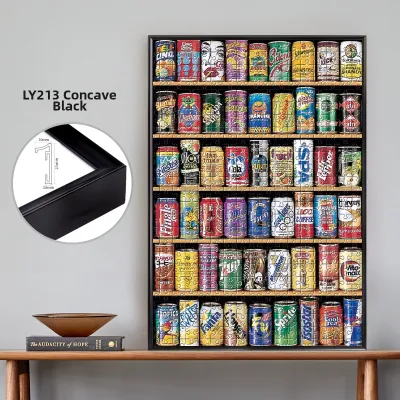
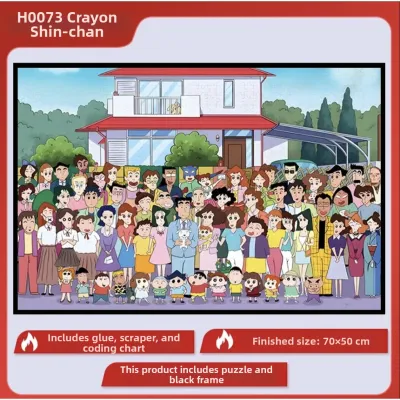
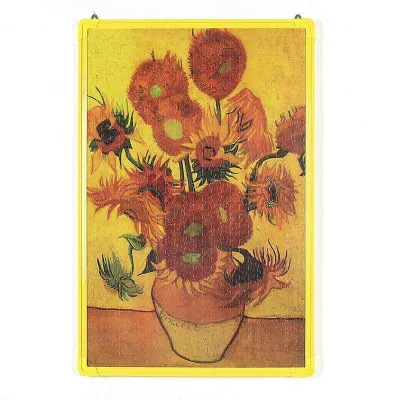
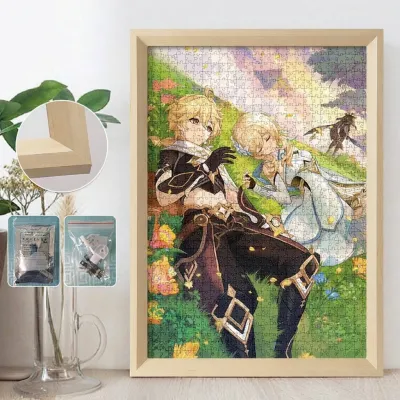


Prices are valid at publication and may change. Please refer to the product page for the latest price.
While many jigsaw puzzles are marketed as 50×70 cm, the actual physical dimensions of the completed puzzle can vary slightly. Manufacturing tolerances, the precision of the die-cutting blades, and even the humidity levels in your home can cause a puzzle to expand or contract by a few millimeters. Before purchasing a frame, lay your fully assembled and glued puzzle on a flat surface and measure it precisely using a high-quality tape measure. You must compare these measurements against the frame’s inner rebate (or rabbet) dimensions. The rebate is the inner groove where the puzzle, glazing, and backing board sit. If the rebate is exactly 50×70 cm and your puzzle measures 70.3 cm, you will need to trim the edges slightly or look for a frame with a slightly larger tolerance.
Depth and Thickness Capacity
Standard poster frames are designed to hold thin paper sheets, often less than 1 mm thick. Jigsaw puzzles, however, typically range from 1.5 mm to 2.5 mm in thickness. When you combine the thickness of the puzzle with the glazing (usually 1.5 mm to 2 mm) and the backing board (typically 3 mm), the total thickness can easily exceed 6 mm. If the frame’s rabbet depth is too shallow, the backing clips or flexi-tabs will not close properly. This puts uneven pressure on the frame corners, causing them to split or causing the back panel to bulge outward. Always look for frames specifically designated for puzzles or check the specifications for a rabbet depth of at least 6 mm to ensure a secure fit.
Glazing Options (Glass vs. Acrylic)
The transparent sheet that covers your puzzle, known as the glazing, plays a critical role in both aesthetics and safety. Glass is a traditional choice that offers exceptional clarity and scratch resistance. However, for a large 50×70 cm frame, a glass sheet adds significant weight, making the entire assembly heavy and more difficult to hang safely on your wall. Acrylic, also known as plexiglass, is a highly popular alternative. It is lightweight, virtually shatterproof, and safer for busy households. The main drawback of standard acrylic is its susceptibility to static electricity and scratching. If your puzzle will be displayed in a room with abundant natural light, consider investing in acrylic with UV-protective properties. Singapore’s tropical sunlight contains high levels of UV radiation, which can cause puzzle inks to fade and degrade over time.
Backing Board Sturdiness
The backing board provides the structural foundation for your framed puzzle. Many budget-friendly frames use thin, flexible grey cardboard backing. In Singapore’s high-humidity environment, cardboard acts like a sponge, absorbing moisture from the air. As the cardboard absorbs water vapor, it softens and warps, causing the puzzle to buckle and separate from the glazing. To prevent this, choose frames that feature a rigid medium-density fiberboard (MDF) backing or a thick, acid-free foam board. A sturdy backing board keeps uniform pressure across the entire surface of the puzzle, ensuring that individual pieces do not pop out of alignment over time.
Top Frame Styles to Match Your Interior Design
The frame you choose should complement both the artwork of the puzzle and the existing decor of your room. A well-chosen frame style acts as a visual bridge, turning a casual hobby project into a sophisticated piece of wall art.

Minimalist and Scandinavian Designs
Minimalist and Scandinavian design philosophies emphasize simplicity, clean lines, and natural elements. If your home features light-colored walls, functional furniture, and an open, airy feel, a slim-profile frame is the perfect choice.
- Frame Profiles: Look for frames with an ultra-thin face width, typically between 10 mm and 15 mm. This narrow border keeps the visual focus entirely on the puzzle itself, creating a clean, modern look.
- Color Choices: Matte black, satin white, and light natural woods such as oak, ash, or birch are the standard palettes for this style. A matte black frame provides a sharp, graphic border that works well with vibrant, high-contrast puzzle designs. Light wood frames add warmth and pair beautifully with landscape or nature-themed puzzles.
- The Mat Board Option: While a direct-fit 50×70 cm frame is the most straightforward option, you can elevate the presentation by using a larger frame (such as 60×80 cm) with a custom-cut white mat board (passe-partout). The mat board surrounds the puzzle with a clean white border, drawing the eye inward and giving the display a professional gallery appearance.
Classic and Traditional Wood Frames
For homes with classic, transitional, or vintage-inspired interiors, a substantial wood frame adds a sense of warmth, history, and sophistication. This style is particularly suited for puzzles depicting classical oil paintings, historical maps, or detailed architectural illustrations.
- Moulding Details: Traditional frames feature wider mouldings, often ranging from 30 mm to 50 mm or more. These frames frequently incorporate decorative details such as bevels, steps, or ornate carvings.
- Finishes and Materials: Rich, dark wood finishes like walnut, mahogany, and cherry bring an air of luxury to the space. For a more opulent or vintage look, distressed gold or silver leaf finishes can transform your puzzle into a striking focal point.
- Weight Considerations: Because wide solid wood frames are significantly heavier than their minimalist counterparts, you must verify the structural integrity of the frame's corners. Ensure the corners are both glued and reinforced with metal V-nails. Additionally, standard hanging tabs are often insufficient for these frames; you will need heavy-duty D-rings and a braided hanging wire rated for the frame's specific weight.
Modern Floating and Gallery Frames
If your home leans toward an industrial, contemporary, or eclectic aesthetic, floating frames and raw metal designs offer a bold, architectural statement.
- The Floating Effect: In a floating frame, the puzzle is sandwiched between two sheets of clear acrylic or glass, with no backing board visible. The frame itself is slightly larger than 50×70 cm, leaving a transparent gap around the perimeter of the puzzle. This allows your wall color to show through, making the puzzle appear to float in mid-air. It creates a striking three-dimensional effect that works exceptionally well with modern abstract designs or pop art puzzles.
- Industrial Metal Frames: Frames made from anodized aluminum or brushed steel provide a sleek, high-tech look. Metal frames are incredibly rigid and strong, allowing for very thin profiles that can easily support the weight of a large 50×70 cm puzzle without bowing or warping.
- Edge Finishing: When using a floating frame, the raw, interlocking cardboard edges of the puzzle pieces are fully visible. To achieve a polished look, some collectors use a matching acrylic paint or a black archival marker to carefully color the outer edges of the puzzle before framing. This simple step hides the grey cardboard core and ensures a clean, professional finish.
Where to Shop for 50×70 Puzzle Frames in Singapore
Finding a reliable retail channel in Singapore is key to securing a high-quality frame that fits your budget and design preferences. Different retailers cater to different needs, from quick and inexpensive solutions to premium, archival preservation.
Large Furniture Retailers
Big-box home furnishing stores located across Singapore are highly popular destinations for ready-made frames due to their convenience and affordability. These retailers typically stock a wide selection of 50×70 cm frames in various basic finishes. However, because these frames are primarily designed for thin paper posters, you must inspect them carefully before purchasing. Look for models that feature flexible metal tabs on the back rather than rigid slide-in channels. Flexible tabs can be bent upward to accommodate the extra thickness of a jigsaw puzzle. If the frame uses a slide-in design, you may find it impossible to slide the backing board into place once the thick puzzle is inserted.
Local Custom Framing Studios
For puzzles that hold significant sentimental value, rare collector’s items, or expensive limited-edition designs, visiting a local custom framing studio is the best course of action. Singapore is home to several specialized framing shops, often located in light industrial areas or cultural hubs like Bras Basah.
- The Custom Advantage: A professional framer can construct a frame to the exact millimeter of your finished puzzle, eliminating any issues with loose fits or cropped edges. They also offer access to high-performance materials, such as museum-grade glass that filters out up to 99% of UV rays, and acid-free mounting boards that prevent the puzzle backing from yellowing or degrading over time.
- The Investment: Custom framing is a premium service and represents a significant financial investment compared to ready-made frames. However, the superior craftsmanship, material quality, and long-term protection make it a worthwhile choice for pieces you plan to display permanently.
Online Marketplaces
E-commerce platforms and online marketplaces offer an unparalleled variety of styles, colors, and materials. You can easily find specialized puzzle frames designed specifically with the correct rabbet depth for jigsaw puzzles.
- Shipping and Packaging Risks: The primary challenge of buying frames online is the risk of damage during transit. Large 50×70 cm frames are fragile, and improper handling can result in cracked glass, scratched acrylic, or split frame corners. Always read customer reviews to assess the seller's packaging quality. Look for sellers who use thick bubble wrap, corner protectors, and sturdy cardboard boxes.
- Verification Checklist: Before clicking the purchase button, send a direct message to the seller. Ask them to confirm the exact inner rebate dimensions and the maximum thickness the frame can accommodate. This extra step prevents the hassle of returning a frame that is slightly too small or too shallow for your puzzle.
How to Securely Frame and Hang Your Puzzle
Once you have selected the perfect frame, the final steps involve preparing the puzzle, assembling the frame, and mounting it securely on your wall. Taking your time during this process ensures a flawless presentation and protects your walls from damage.
Puzzle Preparation
Before placing your puzzle into the frame, you must bind the pieces together to create a single, cohesive sheet. This prevents the pieces from shifting, sagging, or falling out of alignment under the influence of gravity.
- Clean the Surface: Gently sweep the surface of your completed puzzle with a soft brush or microfiber cloth to remove any dust, hair, or debris.
- Apply Puzzle Glue: Pour a moderate amount of dedicated liquid puzzle glue onto the center of the puzzle. Use a plastic scraper, a piece of stiff cardboard, or a sponge applicator to spread the glue evenly across the entire surface. Ensure the glue fills the crevices between the pieces.
- Let it Dry: Allow the glue to dry completely in a dust-free room for at least 24 hours. The glue will dry to a clear, protective finish.
- Alternative Method: If you prefer not to apply glue to the front of your puzzle, you can flip the puzzle over carefully and apply adhesive puzzle saver sheets to the back. Press the sheets down firmly to ensure a strong bond.
Assembly Tips
To avoid trapping unsightly dust or fingerprints inside your frame, set up a clean, flat work area.
- Clean the Glazing: Thoroughly clean both sides of the glass or acrylic sheet using a specialized glass cleaner or a mild soap solution and a lint-free microfiber cloth. If your frame came with acrylic glazing, make sure to peel off the protective plastic film from both sides before assembly.
- Position the Puzzle: Place the clean glazing face-down into the frame. Carefully lay your glued puzzle face-down onto the glazing.
- Secure the Backing: Place the rigid backing board over the puzzle. If there is any minor play or if the puzzle is slightly smaller than the frame opening, use a few small pieces of acid-free framing tape to secure the puzzle to the backing board. Gently bend the metal tabs or turn-buttons down to lock the backing board in place.
Wall Mounting and Hardware
A framed 50×70 cm puzzle can weigh anywhere from 1.5 kg to over 4 kg, depending on the frame material and glazing type. Because most residential walls in Singapore—including HDB flats and private condominiums—are constructed from solid reinforced concrete or brick, standard drywall nails or adhesive strips are highly likely to fail, risking a dangerous fall that could shatter the frame.
- The Right Tools: To hang your frame securely, you will need a rotary hammer drill equipped with a masonry drill bit (typically 5 mm or 6 mm in diameter).
- Installation Steps: Drill a hole into the concrete wall at your desired hanging height. Insert a high-quality plastic or nylon wall plug (anchor) into the hole until it sits flush with the wall surface. Drive a steel screw into the wall plug, leaving the screw head protruding by about 5 mm to 10 mm.
- Hanging: Hang the frame's wire or heavy-duty D-rings directly onto the screw head. Verify that the frame is perfectly level using a spirit level app on your smartphone.
Placement Considerations
To keep your framed puzzle looking pristine, choose its display location carefully.
- Avoid Direct Sunlight: Prolonged exposure to direct UV rays will fade the puzzle's printed inks, turning vibrant colors dull and yellowing the paper fibers. Hang your display on a wall that receives indirect, ambient light.
- Manage Humidity: High humidity is the primary enemy of framed paper items in Singapore. Avoid hanging your puzzle directly outside bathroom doors, near kitchen stoves where steam is common, or directly in the path of air conditioning vents where condensation can form.
- Air Circulation: To prevent moisture from getting trapped behind the frame and causing mold growth, stick small adhesive rubber bumpers (silica or felt pads) to the bottom corners of the frame's backing board. This creates a tiny gap between the frame and the wall, allowing air to circulate freely.
Frequently Asked Questions (FAQ)
Do I need to glue my puzzle before putting it in a frame?
Yes, gluing or applying adhesive sheets to your puzzle before framing is highly recommended. While a very tight-fitting frame might temporarily hold the pieces together, gravity will eventually cause the unglued pieces to sag, slip, or separate over time when the frame is hung vertically. Gluing creates a single, rigid sheet that is much easier to handle, center, and mount securely within the frame.
Will a standard 50×70 cm poster frame fit a jigsaw puzzle?
Not always. Standard poster frames are designed for paper prints that are less than 1 mm thick. Jigsaw puzzles are much thicker, typically ranging from 1.5 mm to 2.5 mm. Before buying a poster frame, check its rabbet depth (the inner depth of the frame channel). If the depth is too shallow, you will not be able to close the backing clips securely, which can bend the frame or damage the puzzle.
What wall anchors should I use for HDB and condo walls?
Because HDB and condo walls in Singapore are typically made of reinforced concrete, you should avoid standard drywall anchors or adhesive strips for a large 50×70 cm frame. Instead, use a masonry drill bit to drill a hole into the concrete, insert a durable plastic wall plug (such as a Fischer plug), and secure it with a matching screw. This ensures the heavy frame remains safely anchored to the wall.

Community discussion
Share your experience or ask a question. Comments are reviewed before publication.