
Selecting the right wall displays for your home involves balancing style, ease of use, and durability. An A4 magnetic frame offers an elegant, modern solution for displaying art, certificates, and family photographs, allowing you to swap out prints in seconds without dismantling the entire frame structure. However, finding a high-quality a4 magnetic frame that performs reliably on Singapore walls requires looking beyond basic aesthetics.
In Singapore’s tropical climate, factors such as high relative humidity, typical concrete wall construction, and the weight of the frame materials play a critical role in how well your display holds up over time. Choosing the wrong frame can lead to slipping prints, warped backings, or adhesive failures that risk damaging your walls and your cherished pictures. Understanding the structural differences, material properties, and mounting requirements of these frames ensures a secure, long-lasting gallery display.
What to Look for When Buying A4 Magnetic Frames for Walls
Magnet Strength and Edge Sealing
The primary function of a magnetic frame is to hold your print securely in place without slipping. High-quality frames typically utilize small, high-energy neodymium magnets embedded in the corners or along the perimeter of the frame. Lower-grade frames may use thin, flexible magnetic strips that lack the clamping force required to hold thicker papers or textured photo prints.
Products mentioned in this guide
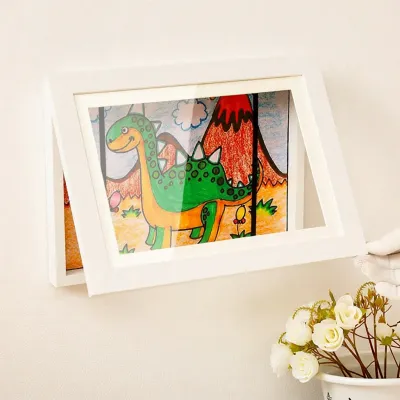


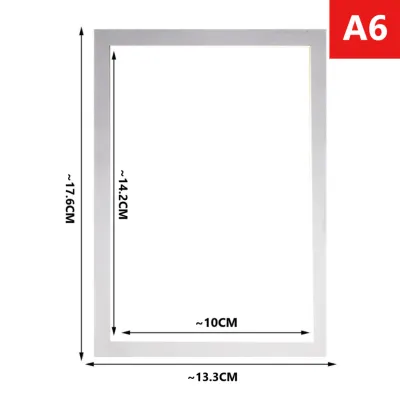
![[SG Seller]Office Adhesive Wall Frame A3 A4 A5 Magnetic Display Frame Display Board Wall Stick Certificate](https://img.lazcdn.com/g/p/8cff35bdb715a0af35c6f368ed850b70.jpg_400x400q80.jpg_.webp)
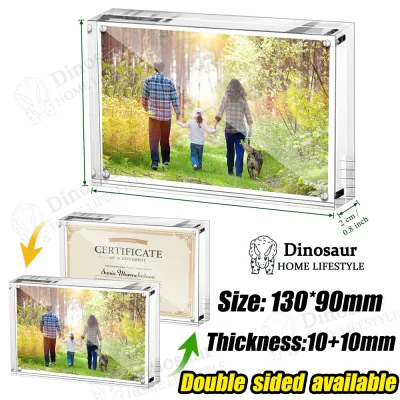
Prices are valid at publication and may change. Please refer to the product page for the latest price.
In addition to holding power, the tightness of the edge seal is vital. A frame that seals tightly along all four edges creates a micro-barrier that helps protect your print from airborne dust, cooking grease, and ambient moisture. When evaluating a frame, check whether the magnetic contact points are flush, leaving no visible gaps where humid air can easily circulate behind the protective cover.
Dimension Accuracy
Standard A4 dimensions are precisely 210 x 297 mm. While this sounds straightforward, manufacturing tolerances vary significantly. Some frames labeled as “A4” are designed with a wide border, meaning the actual window display area is smaller than the paper itself, which can crop out important details or signatures on certificates.
Conversely, some frames are oversized to create a floating effect with a clear border around the print. Before purchasing, verify both the outer dimensions of the frame and the inner window dimensions. If you intend to display a true-to-size A4 document without any cropping, look for frames that specify a 210 x 297 mm opening or clear acrylic options that allow the entire paper sheet to remain visible.
Wall Mounting Mechanisms
How a frame attaches to the wall dictates its safety and stability. A4 magnetic frames generally fall into two mounting categories: integrated hanging hardware and adhesive-backed systems. Integrated hardware, such as sawtooth hangers or keyhole slots, requires drilling or nailing into the wall but offers the most secure support for heavier wood or thick acrylic frames.
Adhesive-backed magnetic frames are popular for their tool-free installation, featuring a magnetic base sheet that sticks directly to the wall while the front frame snaps over it. These are excellent for flat, smooth surfaces but require careful consideration of the adhesive’s weight limits and its compatibility with your wall paint. Always check the manufacturer’s specified weight capacity before mounting.
Material Durability in Humid Climates
Singapore’s average relative humidity often exceeds 80%, presenting a unique challenge for home decor materials. High humidity can cause untreated wood to warp, cheap ferrous metals to rust, and low-quality adhesives to degrade and peel away from walls over time.
When shopping, look for materials specifically treated or naturally suited for humid environments. This includes anodized aluminum, UV-stabilized acrylic, and moisture-sealed engineered woods or treated hardwoods. Avoid frames with exposed, untreated MDF (medium-density fibreboard) backings, as they tend to absorb moisture from the air, swelling and warping over time, which compromises the flat alignment of your prints.
Best Frame Materials and Styles for Singapore Interiors
Clear Acrylic Magnetic Frames
Clear acrylic magnetic frames offer a sleek, borderless aesthetic that makes prints appear to float on the wall. This minimalist style is highly versatile, fitting seamlessly into modern, contemporary, or industrial interior designs. Because they are completely transparent, they allow the wall color and texture to show through around the edges of your print.

- UV Resistance: Standard acrylic can yellow and become brittle when exposed to natural light over several years. If your gallery wall is positioned near a window or receives indirect sunlight, check the product specifications to ensure the manufacturer uses UV-resistant or UV-stabilized acrylic.
- Thickness and Rigidity: To prevent warping, verify the thickness of the acrylic panels. High-quality wall-mounted acrylic frames typically feature panels that are at least 3mm to 5mm thick. Thinner sheets can flex under their own weight or warp when mounted on slightly uneven plaster walls, which can cause the corner magnets to lose alignment and pop open.
- Static Electricity: Acrylic naturally attracts static electricity, which can draw in dust particles during installation. Wiping the panels down with an anti-static cloth before assembly helps keep the inner surfaces clean and dust-free.
Wooden Magnetic Frames with Hinges or Magnets
Wooden magnetic frames add warmth, organic texture, and a sense of craftsmanship to living spaces, making them ideal for Scandinavian, Japandi, or rustic home designs. These frames generally come in two styles: traditional boxed frames with magnetic closures, and minimalist magnetic poster hangers (wooden bars that clamp the top and bottom of the print).
- Moisture Treatment: Ensure the wooden components are treated with a protective sealant, varnish, or lacquer. Untreated wood is highly susceptible to mold growth and moisture absorption in humid tropical climates. A sealed surface prevents these issues and makes the frame easy to wipe clean.
- Weight Considerations: Solid wood frames are inherently heavier than plastic or aluminum alternatives. When hanging a solid wood frame, rely on sturdy wall plugs and screws rather than light-duty adhesive strips, ensuring the mounting hardware is rated for the total weight of the frame and glass or acrylic insert.
- Grain Variation: Because wood is a natural material, expect variations in color and grain pattern. If you are planning a unified gallery wall, purchasing frames from the same production batch can help ensure a more consistent look across your display.
Minimalist Metal or Aluminum Magnetic Frames
For a clean, professional, and highly durable option, aluminum magnetic frames are an outstanding choice. They feature incredibly slim profiles that maximize the visual impact of your artwork while providing excellent structural rigidity. Aluminum is naturally resistant to rust, making it highly durable in local climates.
- Backing Material: Even if the outer border is aluminum, the backing board may be made of a different material. Check whether the backing is made of metal, plastic, or MDF. A plastic or metal backing is preferred for long-term moisture resistance, whereas MDF backings require a dry indoor environment.
- Surface Finishes: Anodized or powder-coated aluminum finishes are highly resistant to scratches and fingerprints. However, raw or polished metal finishes can show oil marks from fingers during installation, so handling them with clean cotton gloves can save cleaning time.
- Wall Protection: Metal frames can have sharp corners or rigid back edges that may scratch wall paint during positioning. Look for frames with smooth, rounded corners or apply small felt pads to the back corners of the frame to act as a protective buffer against your wall.
Secure Mounting and Gallery Wall Layouts
Assessing Wall Types
Before mounting any frame, you must identify the construction of your wall, as this dictates the tools and hardware required. Most HDB flats and concrete condominiums feature solid concrete or brick walls behind the plaster. Drilling into concrete requires a rotary hammer drill, masonry drill bits, plastic wall plugs (anchors), and matching screws to ensure a permanent, safe hold.
In contrast, internal partition walls in newer apartments or office spaces are often made of drywall (gypsum board) supported by metal or timber studs. Standard wall plugs will not hold in drywall; instead, you must use specialized hollow-wall anchors, toggle bolts, or locate the vertical studs behind the drywall to screw directly into them for load-bearing support.
Renter-Friendly Solutions
If you are renting or prefer not to drill holes in your walls, damage-free adhesive strips are a popular alternative. However, success with adhesive strips depends entirely on proper application and weight management:
- Weight Verification: Weigh your fully assembled A4 magnetic frame (including the print) on a kitchen scale. Cross-reference this weight with the load capacity printed on the adhesive strip packaging. Always use more strips than the bare minimum to distribute the weight evenly.
- Surface Preparation: Clean the wall surface with rubbing alcohol to remove dust and oils before applying the adhesive. Avoid using household spray cleaners, which can leave a slick residue that prevents the adhesive from bonding properly.
- Texture and Paint Restrictions: Adhesive strips require a smooth, flat surface to bond effectively. They generally do not hold well on heavily textured walls, raw brick, or moisture-damaged plaster. Additionally, wait at least four weeks before applying adhesive strips to freshly painted walls to allow the paint to fully cure.
Layout Planning
Creating a balanced gallery wall requires careful planning before making any permanent marks or holes. A4 prints are highly versatile and can be arranged in structured grids or more casual, organic groupings.
- The Paper Template Method: Cut out sheets of scrap paper to the exact dimensions of your A4 frames. Use painter's tape to stick these templates to the wall, allowing you to experiment with different layouts, spacing, and heights without damaging your paint.
- Spacing and Eye Level: Maintain a consistent gap between frames, typically between 5cm to 8cm, to keep the layout looking organized. Aim to position the center of your overall gallery display at eye level, which is approximately 140cm to 150cm from the floor.
- Orientation Mix: If you are mixing portrait and landscape orientations, use a central horizontal or vertical axis line to anchor the design, arranging the frames symmetrically around it to maintain visual balance.
Safety and Professional Boundaries
While hanging a few lightweight frames is a manageable DIY task, certain scenarios require professional assistance. If you are planning a large, heavy multi-frame installation, hanging frames at a significant height, or mounting displays in high-traffic areas where they could be knocked down, hiring a qualified local handyman is highly recommended.
Always exercise extreme caution when drilling into walls. Avoid drilling directly above or below light switches, electrical outlets, or near bathrooms where concealed electrical conduits and water pipes are likely located. Utilizing a reliable digital wall scanner to detect live wires and pipes before drilling can prevent costly damage and serious safety hazards.
Maintenance and Care for Magnetic Frames and Photos
Cleaning Surfaces
Regular cleaning keeps your frames looking pristine and ensures clear visibility of your displayed prints. However, different materials require specific care to avoid permanent damage:
- Acrylic: Never use standard glass cleaners, ammonia-based sprays, or alcohol wipes on acrylic. These chemicals cause a reaction called "crazing," which creates a network of fine micro-cracks that ruin the transparency of the material. Instead, use a clean, dry microfiber cloth or a specialized acrylic cleaner designed to repel dust.
- Wood: Dust wooden frames regularly with a soft, dry cloth. If a deeper clean is needed, use a slightly damp cloth with a mild wood soap, drying the surface immediately afterward to prevent moisture from soaking into the grain.
- Metal: Wipe aluminum frames with a damp microfiber cloth to remove fingerprints and dust. Avoid abrasive scrubbing pads or harsh chemical solvents that can strip the anodized or powder-coated finish.
Checking Hardware
Over time, environmental factors can affect the stability of your wall displays. It is good practice to perform a quick inspection of your frames every six months. Check that the magnetic alignment remains flush and that no dust or moisture has begun to accumulate inside the edges.
If you have used adhesive mounting strips, inspect them to ensure they are not peeling or lifting away from the wall, especially in rooms that experience frequent temperature changes from air conditioning. For hung frames, verify that the wall anchors remain tight and that the frame is resting securely on its hook.
Photo Protection
Even inside a high-quality magnetic frame, physical prints are vulnerable to environmental degradation. Direct sunlight is the primary cause of fading and discoloration. To preserve your photos and documents, avoid hanging your frames directly opposite large windows that receive intense afternoon sun.
If you are framing valuable original documents, certificates, or irreplaceable family photographs, consider using archival-grade, acid-free backing paper behind the print. This prevents acids from migrating from the frame backing into the photo paper, preventing yellowing and preserving the integrity of your prints for decades to come.
Frequently Asked Questions (FAQ)
Can I use magnetic frames for thick cardstock or polaroids?
Whether a magnetic frame can accommodate thicker materials depends entirely on the frame’s design and magnetic gap capacity. Standard magnetic frames are engineered to hold thin paper prints, typically up to 150 to 200 gsm (grams per square meter). If you attempt to insert thick cardstock, multiple layered prints, or polaroids, the physical thickness will create a gap between the front and rear frame sections.
When this gap is too wide, the magnetic force drops significantly, preventing the magnets from sealing flush. This can cause the frame to slip, pop open, or fall off the wall. If you plan to display thicker items, check the manufacturer’s specifications for the maximum allowable insert thickness, or look for specialized shadow-box style magnetic frames designed with deeper recesses.
Are adhesive wall strips safe for all magnetic frames?
Adhesive wall strips are highly convenient, but they are not suitable for every type of magnetic frame or wall surface. Heavy solid wood, thick double-panel acrylic, and large metal frames often exceed the safe working load limit of standard consumer adhesive strips. If the frame’s weight exceeds the strip’s capacity, the adhesive can fail unexpectedly, causing the frame to fall and shatter.
Furthermore, adhesive strips require a completely flat, non-porous surface to achieve a strong chemical bond. They should not be used on heavily textured plaster, unfinished brick, or walls with peeling or moisture-damaged paint. Always calculate the total weight of your frame, choose strips rated well above that weight, and follow the manufacturer’s exact application and removal instructions to protect your walls from damage.
Community discussion
Share your experience or ask a question. Comments are reviewed before publication.