
Finding an appropriate table lamp aesthetic requires balancing visual form, material quality, and practical illumination. A carefully selected lamp can serve as a sculptural anchor that reinforces your interior design theme. Whether you are styling a minimalist sanctuary, a cozy Scandinavian living room, or a rugged industrial study, one effective approach is to identify fixtures that align with the specific design language of your space while meeting essential technical and safety standards.
To select a highly compatible lamp, you must evaluate how its shape, texture, and light output interact with your existing decor. Minimalist designs focus on stripping away the unnecessary to highlight pure geometric forms. Scandinavian styles prioritize organic warmth, tactile comfort, and soft, glare-free illumination. Industrial fixtures celebrate raw, utilitarian construction and structural honesty. By understanding these visual markers and verifying critical technical specifications, you can find a table lamp that elevates both the style and functionality of your home.
Defining the Aesthetic: Visual and Material Criteria
Every interior design style relies on a distinct vocabulary of shapes, materials, and finishes. When browsing lighting collections, recognizing these visual anchors allows you to filter out mismatched designs and select a table lamp that feels authentic to your space.
Products mentioned in this guide
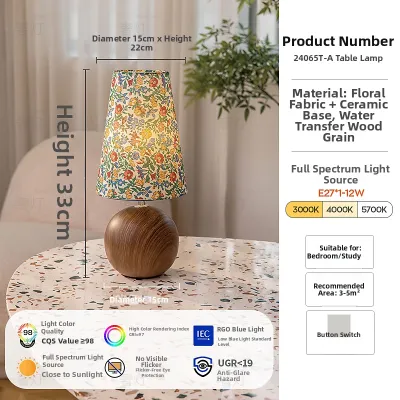
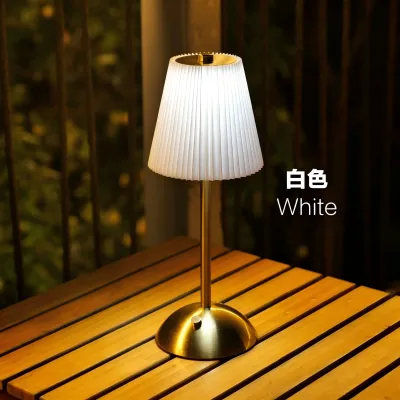
Prices are valid at publication and may change. Please refer to the product page for the latest price.
Minimalist Style: Clean Lines and Concealed Details
Minimalism is defined by the philosophy of simplicity, focusing on geometric precision, uncluttered surfaces, and visual calm. When searching for a minimalist table lamp aesthetic, look for pure, elementary shapes such as precise spheres, slender cylinders, and sharp, thin lines. The silhouette should feel light and unobtrusive, allowing the lamp to blend seamlessly into the surrounding architecture when turned off.
The material palette for minimalist lighting is typically restrained and monochromatic. Matte black, satin white, muted greys, and brushed metallic finishes like brass or anodized aluminum are common choices. These surfaces should be smooth and uniform, free from heavy textures or patterns that draw unnecessary attention. The goal is to create a quiet focal point that complements, rather than dominates, the room’s design.
A key indicator of high-quality minimalist design is the concealment of functional hardware. Look for lamps with seamless joints, hidden wiring, and integrated touch-sensitive controls or discreetly placed switches. Bulky bases, visible screws, and dangling cords can disrupt the clean visual flow. Instead, opt for designs where the power cable exits the base inconspicuously, or consider cordless, rechargeable LED models that offer complete visual freedom.
Scandinavian Style: Natural Textures and Warm Functionality
Scandinavian design balances clean modern lines with a deep appreciation for natural materials and cozy functionality. Unlike the cooler tones of strict minimalism, Scandinavian table lamps introduce organic textures that bring warmth and comfort to a room. Look for bases crafted from light-toned woods such as ash, beech, or oak, as well as matte ceramics, stoneware, and mouth-blown frosted glass.
A central design goal of a Scandinavian lamp is often to support a welcoming atmosphere, often referred to as cozy comfort. To achieve this, the design must prioritize soft, diffused light over harsh, direct beams. Lamps with fabric shades made of linen or cotton, or those with opal glass globes, are excellent choices because they gently scatter light across the space. This soft illumination mimics natural daylight and helps prevent eye strain in cozy living areas or bedrooms.
Structurally, Scandinavian lamps often combine organic curves with practical, user-friendly features. You might find adjustable wooden arms held together by simple, elegant knobs, or ceramic bases with subtle, tactile ridges. The color palette is inspired by nature, featuring soft pastels, warm beiges, forest greens, and chalky whites. These elements work together to create a fixture that feels both highly functional and deeply connected to the natural environment.
Industrial Style: Raw Materials and Utilitarian Hardware
Industrial design draws inspiration from factories, warehouses, and workshops, celebrating raw materials, structural honesty, and utilitarian hardware. An industrial table lamp aesthetic is rugged, bold, and unpretentious. Look for fixtures constructed from heavy-duty metals such as iron, steel, brass, and copper, often featuring distressed, oxidized, or matte black finishes. Bases made of cast concrete or reclaimed wood also reinforce this architectural style.
Unlike other design movements that hide structural elements, industrial style puts them on full display. Look for lamps with visible joints, heavy-duty wing nuts, exposed pipes, protective metal cages, and adjustable scissor arms. These features are not just decorative; they evoke a sense of mechanical purpose and durability. The light source itself is often a key design element, with many industrial lamps designed specifically to showcase exposed, amber-tinted Edison-style filament bulbs.
When selecting an industrial lamp, avoid overly polished, delicate, or brightly colored elements, as these can clash with the rugged aesthetic. Instead, embrace the imperfections of raw metals and textured concrete. A heavy, stable base and a solid, adjustable arm not only look authentic but also provide excellent task lighting for desks, reading nooks, or side tables.
Technical Checks: Ensuring Fit, Safety, and Functionality
Before finalizing your purchase based on aesthetics alone, you must perform several technical checks to verify that the lamp operates safely and fits your living space. Electrical compatibility is the first priority. In Singapore, the standard domestic voltage is 230V at a frequency of 50Hz. Ensure the lamp is rated for this voltage range and comes equipped with a compatible Type G three-pin plug, or be prepared to use a certified adapter. Additionally, verify the bulb socket type—common standards include E27 (medium screw), E14 (small screw), and GU10 (twist-lock)—so you can easily source replacement bulbs locally.

Physical dimensions and placement are equally important. Measure the surface area of your bedside table, desk, or sideboard to ensure the lamp base fits comfortably without hanging over the edge. Consider the height of the lamp in relation to your seating or sleeping position; for reading, the bottom of the lampshade should ideally sit at eye level to prevent direct glare from the bulb. Check the length of the power cord to ensure it can reach your nearest wall outlet without creating a tripping hazard or requiring unsightly extension cords. If the lamp is top-heavy or features an adjustable arm, verify that the base is heavy enough to prevent the fixture from tipping over when fully extended.
Finally, evaluate the control and dimming capabilities of the lamp. If you plan to use the lamp for multiple activities—such as bright task work and soft evening relaxation—look for fixtures with built-in dimmers or compatibility with dimmable LED bulbs. Check the switch location; an inline cord switch is convenient for side tables, while a base-mounted toggle or touch-sensitive switch is often easier to reach for bedside use. If you use a smart home system, verify whether the lamp can accept smart bulbs or if its integrated LED driver is compatible with smart plugs and wireless dimming protocols. Always isolate the power supply by unplugging the fixture or turning off the wall switch before changing bulbs or performing any maintenance to prevent electrical shock.
Sourcing and Evaluating: How to Assess Quality Before Buying
When shopping for aesthetic table lamps on online marketplaces or at local lighting showrooms, assessing build quality is essential for ensuring long-term durability. Start by examining the materials and construction details. A high-quality lamp should feel substantial; metal parts should be thick and rigid rather than thin and tinny, and joints should tighten securely without slipping. If the lamp features a fabric shade, inspect the seams for clean, tight stitching and ensure the inner lining is heat-resistant and securely bonded to the frame.
Electrical safety is a critical consideration for any lighting fixture. Look for recognized safety certifications and compliance marks on the product label or packaging. In Singapore, controlled electrical appliances must carry the Safety Mark, which indicates the product has been tested and certified to meet local safety standards. For imported lamps, look for reputable international certifications such as CE (European conformity) or UL (Underwriters Laboratories) listing, and verify that the wiring and socket insulation are rated for the wattage of the bulbs you intend to use.
Lastly, review the retailer’s customer service policies before making a decision. Compare warranty terms across different sellers; a reputable lighting brand or store typically offers at least a one-year warranty covering manufacturing defects and electrical components. Check the return policy, especially when buying online, to ensure you can return or exchange the lamp if it arrives damaged or does not match your aesthetic expectations in person. Reliable shipping protection is also crucial for fragile items like glass globes or ceramic bases, so confirm that the retailer uses secure, shock-absorbing packaging for transit.
Frequently Asked Questions (FAQ)
Can I mix different aesthetic table lamps in the same room?
Yes, you can successfully mix different table lamp styles in a single room by establishing a unifying design element. To prevent visual clutter, ensure the lamps share a common feature, such as a similar metal finish, a matching color palette, or a consistent light temperature. For example, you can pair a minimalist metal lamp with a Scandinavian ceramic lamp if both feature matte black accents and emit the same warm white glow. Additionally, maintain proportional balance by placing lamps of similar visual weight on opposite sides of the room, and use distinct zoning to separate different aesthetic influences so they do not compete for attention.
Which bulb color temperature best suits these three styles?
The ideal bulb color temperature depends on the specific atmosphere you want to create for each style. For Scandinavian rooms, a warm white light of 2700K is highly recommended, as it enhances the natural wood textures and fosters a cozy, relaxing environment. Industrial spaces also benefit from warm light, particularly very warm amber tones between 2000K and 2200K, which highlight the glowing filaments of Edison-style bulbs and complement raw metal finishes. For minimalist interiors, a slightly crisper warm-to-neutral white of 3000K works well, as it emphasizes clean lines, maintains a bright and airy feel, and keeps monochromatic surfaces looking sharp and clean.
Community discussion
Share your experience or ask a question. Comments are reviewed before publication.