
Finding the best aromatic incense in Singapore involves matching your personal scent preferences with your specific living environment. For those seeking subtle, clean-burning, and low-smoke options suitable for compact apartments, traditional Japanese heritage brands like Nippon Kodo, Shoyeido, and Baieido are highly recommended. If you prefer robust, long-lasting fragrances that can easily fill larger spaces, classic Indian masala incense brands such as Satya and HEM remain the gold standard. For a modern, design-forward sensory experience, boutique and artisanal brands like Aesop and local niche blenders offer unique, high-quality botanical profiles that double as elegant home decor.
To make an informed purchase, it is helpful to understand the structural differences, ingredient quality, and safety practices associated with different incense styles. This guide explores how to evaluate incense quality, details the top brand categories available in Singapore, and explains how to select and burn these aromatic blends safely in your home.
How to Evaluate Aromatic Incense Quality and Ingredients
Evaluating the quality of aromatic incense requires looking beyond subjective scent preferences to understand the raw materials used in production. High-quality incense relies on natural ingredients, including finely ground aromatic wood powders (such as sandalwood or agarwood), natural resins (like frankincense, myrrh, and copal), and pure essential oils. These components are bound together using natural plant-based binders, such as the bark of the Machilus thunbergii tree (known as tabu-no-ki or makko powder). This traditional formulation burns slowly and releases a complex, layered aroma that evolves over time, mimicking the natural botanical sources.
Products mentioned in this guide
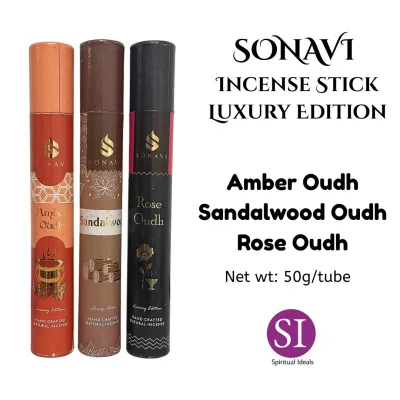
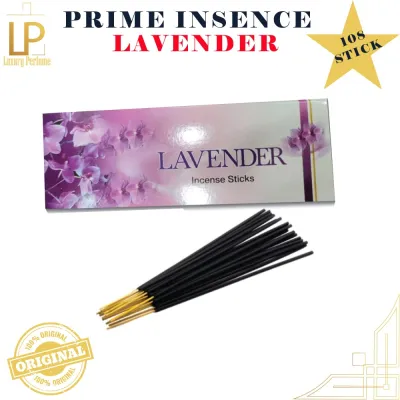
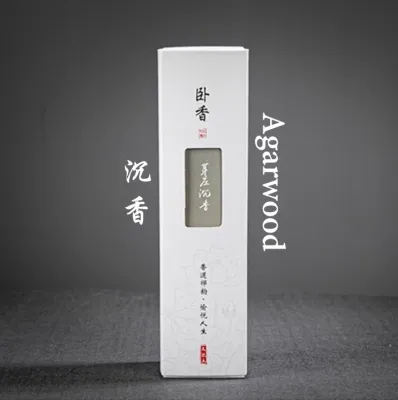
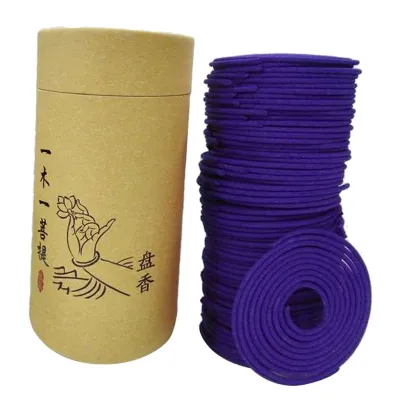
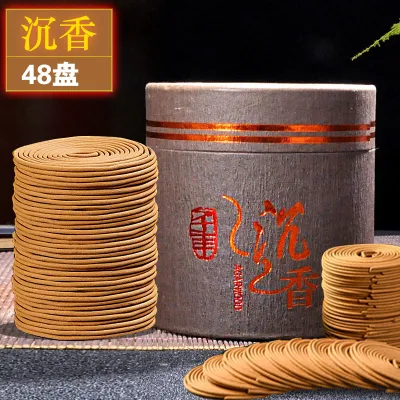
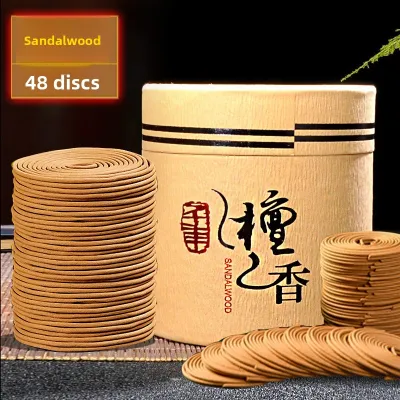
Prices are valid at publication and may change. Please refer to the product page for the latest price.
In contrast, mass-produced or lower-quality incense often utilizes synthetic fragrance dips. These products typically feature a blank charcoal or wood stick that is dipped into synthetic fragrance oils diluted with chemical solvents, such as diethyl phthalate. While synthetic incense can offer a highly intense initial scent throw, it often produces a harsh, flat aroma when burned. Many users report that synthetic fragrances are more likely to cause headaches, eye irritation, or respiratory discomfort due to the chemical byproducts released during combustion.
Smoke output is another critical quality metric, especially for residents in high-density Singaporean housing like HDB flats or condominiums. Low-smoke incense options are typically coreless, meaning they do not contain a central bamboo stick. Japanese-style incense is a prime example of this design; because there is no wood core burning alongside the aromatic paste, the smoke is minimal, clean, and less likely to trigger smoke detectors or linger heavily in soft furnishings. Higher-smoke variants, which usually feature a bamboo core, produce a more visible, traditional plume of smoke that is better suited for spacious, open-plan layouts or well-ventilated semi-outdoor areas.
When assessing quality, observe the physical consistency of the burn and the behavior of the ash. High-quality incense sticks burn at a steady, uniform rate without self-extinguishing. The remaining ash should fall cleanly into the burner rather than crumbling into a fine, unpredictable dust or curling excessively. Excessive curling or a stubborn, black ash residue can indicate a high concentration of synthetic binders or chemical burn accelerants. Always review product packaging for ingredient transparency, and prioritize brands that explicitly state they avoid synthetic additives, chemical colorants, and artificial combustion agents.
Top Aromatic Incense Brand Categories Available in Singapore
The retail landscape for aromatic incense in Singapore is diverse, spanning specialized physical boutiques, heritage shops in cultural districts, and official brand storefronts on major e-commerce platforms. Because stock levels and specific product lines can fluctuate, it is always wise to verify current availability with local stockists or official online distributors before making a purchase. Rather than seeking a single absolute best brand, consumers should select a category that aligns with their functional needs, budget, and aesthetic preferences.

Traditional Japanese Incense
Japanese incense, or Koh, is celebrated globally for its refined, subtle, and low-smoke characteristics. These sticks are crafted without a bamboo core, consisting entirely of compressed aromatic paste. This design ensures that the user experiences only the pure fragrance of the raw materials, which typically center on precious woods like Byakudan (sandalwood) and Jinkoh (aloeswood or agarwood). The resulting aroma is earthy, dry, and deeply meditative, making it highly favored for mindfulness practices, reading, or relaxing in enclosed spaces.
Several heritage Japanese brands are highly accessible to buyers in Singapore:
- Nippon Kodo: One of the oldest and most prominent incense makers, Nippon Kodo offers highly popular everyday lines like Ka-fuh (a low-smoke collection featuring fresh floral and herbal scents) and Oedo-Koh (a premium series inspired by the culture and history of old Tokyo).
- Shoyeido: Renowned for preserving traditional hand-blending techniques that date back over three centuries, Shoyeido's Daily Incense series (featuring classics like Kyoto Cherry Blossoms and Moss Garden) uses only natural ingredients and offers a soft, comforting aroma.
- Baieido: This brand appeals directly to purists and collectors, focusing on traditional, wood-centric formulas that highlight the natural complexity of high-grade agarwood and medicinal herbs.
Because Japanese incense sticks are coreless, they are inherently fragile and must be handled with care to prevent snapping. They also tend to carry a higher price point due to the rarity of their natural wood ingredients, with prices ranging from S$15 for everyday boxes to over S$100 for premium, aged wood selections. They are highly suited for air-conditioned bedrooms, study rooms, and individuals who are sensitive to heavy, smoky environments.
Indian and Herbal Resin Incense
Indian incense, traditionally known as Agarbatti, is famous for its robust, vibrant, and long-lasting fragrance profiles. These sticks feature a central bamboo core coated in a rich paste of herbs, resins, spices, and essential oils—a style often referred to as “masala” incense. Indian incense produces a generous smoke output and a powerful scent throw that can easily permeate large living rooms, open-plan spaces, or outdoor balconies.
Several iconic Indian brands are widely available across Singapore, particularly in cultural enclaves like Little India, as well as via local online marketplaces:
- Satya: Globally recognized for its legendary Nag Champa (the classic blue box), Satya utilizes a sweet, earthy blend of frangipani, sandalwood, and halmaddi resin. Their Super Hit line is another staple, offering a slightly sweeter, uplifting aroma.
- HEM: Known for an incredibly vast catalog of single-note herbal, floral, and resinous fragrances, HEM provides highly affordable options for daily scenting, space clearing, and odor masking.
- Moksh: A popular choice for clean, traditional floral scents like jasmine, rose, and sandalwood, offering a reliable burn and classic fragrance profiles.
While Indian incense is highly effective at neutralizing strong odors (such as cooking smells) and creating a warm, inviting atmosphere in large areas, its high smoke output requires careful management. Users with asthma, allergies, or other respiratory sensitivities should burn these sticks with caution, ensuring windows are fully open to allow continuous fresh air circulation. These brands are highly cost-effective, often retailing for under S$5 per pack, making them an accessible choice for frequent daily use.
Artisanal and Boutique Blends
For those who appreciate modern, design-forward aesthetics and non-traditional scent profiles, the artisanal and boutique incense market offers highly curated options. These brands move away from classic single-note woods or traditional temple fragrances, opting instead for complex, perfume-like compositions. Common scent profiles in this category include sophisticated tea blends, damp earth (petrichor), local botanicals, and minimalist woody-citrus combinations.
Boutique brands available in Singapore focus heavily on sustainable sourcing, hand-rolled craftsmanship, and visually stunning packaging that complements modern interior design:
- Aesop: The premium skincare brand offers a highly sought-after incense line (featuring scents like Sarashina and Kagerou) developed in collaboration with prominent perfumers. These coreless sticks deliver subtle, complex aromas of sandalwood, clove, and cinnamon, packaged alongside minimalist bronze burners.
- Sifr Aromatics: Located in the historic Kampong Glam district, this local niche perfumery hand-crafts small-batch aromatic products, including custom incense blends that combine traditional raw materials with contemporary olfactory artistry.
While artisanal brands offer a highly unique sensory experience and beautiful packaging that makes them excellent gifts, they come with clear trade-offs. They feature a much higher price point (often ranging from S$30 to over S$60 per box) and are typically produced in limited quantities, meaning specific scents may occasionally go out of stock. They are best reserved for special occasions, evening wind-down rituals, or as decorative accent pieces for the home.
How to Match Incense Scents to Your Room and Mood
Selecting the right fragrance family involves balancing the psychological atmosphere you wish to create with the physical dimensions and airflow patterns of your living space. Different botanical families excel at supporting specific daily activities, from morning productivity to late-night relaxation.
| Scent Family | Common Botanicals | Primary Mood Effect | Ideal Room Type |
|---|---|---|---|
| Woody | Sandalwood, Cedarwood, Hinoki | Grounding, Focus, Mental Clarity | Home Office, Study Room, Library |
| Floral | Jasmine, Rose, Lavender | Uplifting, Soothing, Stress Relief | Living Room, Entryway, Dining Area |
| Resinous | Frankincense, Myrrh, Copal | Deep Meditation, Calm, Contemplation | Bedroom, Yoga Space, Meditation Corner |
| Citrus & Herbal | Lemongrass, White Sage, Eucalyptus | Purifying, Energizing, Refreshing | Kitchen, Bathroom, Semi-Outdoor Balcony |
To maximize your sensory experience and prevent olfactory fatigue—a condition where your nose becomes desensitized to a continuous fragrance—it is highly beneficial to rotate your incense selections throughout the week. Consider using lighter, energizing herbal or citrus scents in the morning to sharpen focus, and transitioning to deep, grounding woody or resinous notes in the evening to signal to your body that it is time to sleep.
In Singapore’s humid climate, indoor airflow plays a massive role in how scent behaves. In a compact, air-conditioned room, air circulation is limited, causing smoke and fragrance to concentrate rapidly. In these environments, burning a full-length, high-smoke stick can quickly become overwhelming and irritate the eyes. For small, closed rooms, opt for short-format Japanese sticks (which burn for a shorter duration) or physically break a standard stick in half before lighting. Conversely, in open-plan living areas with active ceiling fans or natural cross-ventilation, a more robust Indian masala stick or a resin cone will distribute the scent evenly without becoming stagnant.
Essential Safety Practices and Burner Compatibility
Burning incense safely requires strict adherence to fire safety protocols and an understanding of how different incense formats interact with various burner materials. Because incense involves an open, glowing ember that can reach temperatures exceeding 500°C, proper precautions are essential to protect your household and furniture.
- Never Leave Burning Incense Unattended: Always extinguish the ember fully if you must leave the room or go to sleep. Keep burning sticks well out of reach of children, curious pets, and away from open windows where sudden drafts could blow glowing ash onto flammable surfaces.
- Maintain Safe Clearance: Position your burner on a flat, stable, heat-resistant surface. Ensure there is at least one meter of clear vertical and horizontal space around the burner, keeping it far away from curtains, paper products, hanging fabrics, and wooden shelving.
- Verify Burner Compatibility: Different incense styles require dedicated holders to manage heat and ash safely:
- Coreless Sticks (Japanese style): These require a holder with a precisely sized, small-diameter hole to hold the stick upright, or a dedicated bowl filled with non-flammable ash or dry sand (an ash bed) where the stick can be inserted and burn completely to the bottom.
- Bamboo-Cored Sticks (Indian style): These fit easily into standard wooden "boat" burners or brass holders with wider holes. Ensure the ash catcher is long and wide enough to collect all falling debris.
- Cones and Backflow Incense: Cones concentrate intense heat directly at their flat base as they burn down. They must be placed on highly heat-resistant ceramic, stone, or metal plates. Backflow cones, which channel dense smoke downward through a hollow center, require specialized backflow burners designed to direct the path of the smoke safely.
- Ensure Proper Ventilation: Even high-quality, low-smoke natural incense releases fine particulate matter into the air. Burning incense in a completely sealed, unventilated room will gradually degrade indoor air quality. Always keep a window or door slightly open during and after burning to facilitate a continuous exchange of fresh air, especially when utilizing air-conditioning units.
- Consult Manufacturer Instructions: Always check the manufacturer's guidelines for both your incense and your burner to prevent thermal shock or surface damage to your furniture. If you are burning incense on delicate materials like polished wood, marble, or glass, always place a thick cork, silicone, or felt coaster beneath the burner to act as a protective heat barrier.
Frequently Asked Questions (FAQ)
How long does a standard stick of aromatic incense last?
A standard stick of aromatic incense (typically measuring 20 to 25 centimeters in length) burns for approximately 20 to 45 minutes. Short-format sticks, which are common in Japanese meditation sets and measure around 12 centimeters, generally burn for 10 to 15 minutes. Incense cones typically have a burn time of 15 to 30 minutes. It is important to note that environmental factors, such as high humidity, strong drafts from open windows, or direct air currents from air-conditioning units and ceiling fans, can significantly accelerate or alter these burn durations.
Is it safe to burn incense every day in an apartment?
Burning incense daily in a compact apartment can be safe, provided you prioritize high-quality, natural-ingredient brands, select low-smoke varieties, and maintain proper ventilation. To protect your respiratory health and preserve indoor air quality, avoid burning multiple sticks simultaneously in small rooms, and always leave a window slightly open to allow fresh air to circulate. If you have household members with pre-existing respiratory conditions, such as asthma or severe allergies, or if you live with young infants or birds (which have highly sensitive respiratory systems), daily burning is not recommended, and you should consult a healthcare professional before introducing incense to the home.
What is the difference between incense sticks and cones?
The primary differences between incense sticks and cones lie in their physical shape, burn profile, and scent delivery. Sticks offer a slow, highly consistent release of fragrance over a longer period because the burning surface area remains uniform from top to bottom, making them ideal for background scenting. Cones, due to their tapered shape, burn faster and release a progressively more concentrated and intense burst of fragrance and smoke as the fire moves down to the wider base. Additionally, cones require highly heat-resistant ceramic or metal plates to handle the intense heat concentrated at their base, whereas sticks require longer ash catchers to capture falling debris along their length.
Community discussion
Share your experience or ask a question. Comments are reviewed before publication.