
Transforming a balcony into a cozy outdoor retreat is a popular way to maximize living space in Singapore’s high-rise apartments. Whether you reside in a Housing & Development Board (HDB) flat or a private condominium, installing balcony fairy lights can instantly elevate the ambiance of your outdoor area. However, Singapore’s unique tropical climate—characterized by intense equatorial sunshine, high relative humidity, and sudden, heavy monsoonal downpours—presents distinct challenges for outdoor electrical installations. Selecting the wrong type of lighting can lead to rapid product degradation, electrical short circuits, or even safety hazards.
To find the best balcony fairy lights for your home, you must look beyond aesthetic appeal and focus on robust weatherproofing, durable material construction, and safe power delivery. Trusted global brands like Philips and IKEA, alongside specialized local lighting distributors, offer certified outdoor lighting solutions designed to withstand environmental stressors. By understanding how to evaluate technical specifications such as Ingress Protection (IP) ratings, wire insulation materials, and local safety certifications, you can select a lighting setup that remains both beautiful and safe for years to come.
How to Choose Weather-Resistant Fairy Lights for Your Balcony
When shopping for balcony fairy lights, the first and most critical specification to analyze is the Ingress Protection (IP) rating. This international standard defines how effectively an electrical enclosure seals against solid particles and liquids. An IP rating consists of two digits: the first represents protection against solids (ranging from 0 to 6), and the second represents protection against liquids (ranging from 0 to 9).
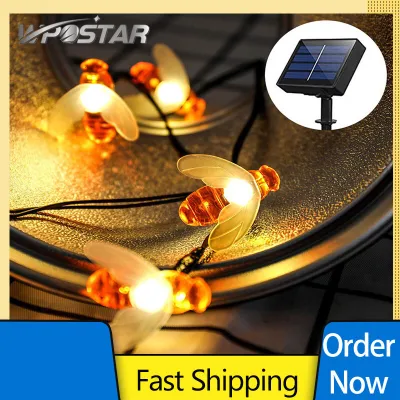
Products mentioned in this guide
![[V.Home] *Any 2 off $2* LED Fariy String Lights USB w/Remote for Gift Party Wedding Christmas Festival Decoration](https://img.lazcdn.com/g/p/3642250970409f384190a5dde2dfc56b.jpg_400x400q80.jpg_.webp)

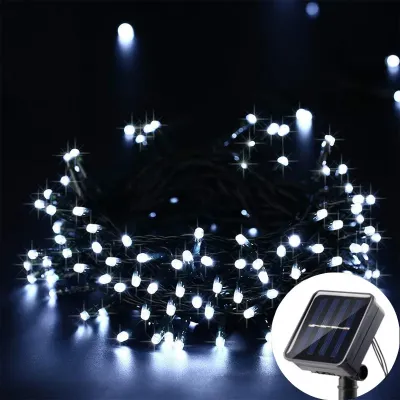
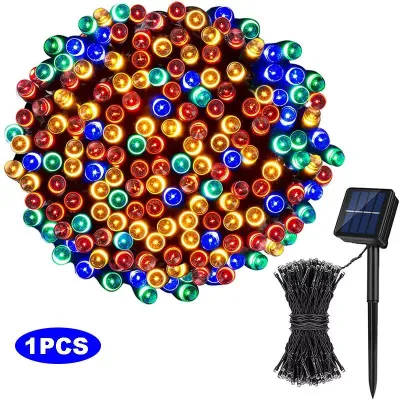
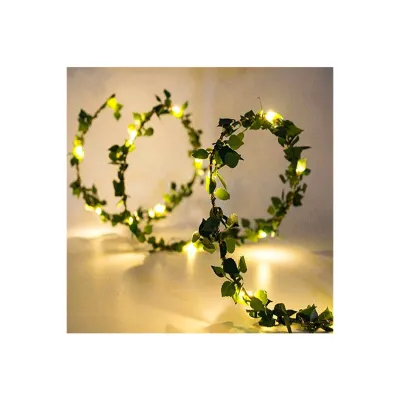
Prices are valid at publication and may change. Please refer to the product page for the latest price.
For a sheltered or deeply recessed balcony that only experiences occasional wind-blown mist, an IP44 rating is generally the minimum requirement. This indicates the light string is protected against solid objects larger than 1 millimeter and splashing water from any direction. However, if your balcony is unsheltered, lacks an overhanging roof, or is directly exposed to heavy, driving rain, you must select lights rated at IP65 or higher. IP65-rated lights are completely dust-tight and can withstand low-pressure water jets, ensuring they remain safe during intense tropical thunderstorms.
The structural material of the light string is equally important for long-term durability. Standard indoor fairy lights often use thin, cheap plastic insulation that degrades rapidly when exposed to ultraviolet (UV) radiation from the sun. Under Singapore’s intense daylight, non-UV-stabilized plastics quickly become brittle, crack, and expose the live copper wiring underneath, creating a severe shock hazard. To prevent this, look for balcony fairy lights constructed with heavy-duty, UV-resistant PVC or premium silicone coatings. These materials are engineered to retain their flexibility and protective properties despite constant sun exposure and high ambient temperatures.
Additionally, you should always inspect the physical product packaging and manufacturer specifications for explicit “outdoor use” designations. Many budget-friendly products sold on online marketplaces use vague marketing terms like “waterproof” or “weather-resistant” without any formal testing or certification. A truly outdoor-rated product will clearly state its IP rating and outline its operating temperature and humidity limits on the packaging.
Finally, pay close attention to the quality of the internal wiring. High-humidity environments accelerate the rate of metal oxidation. Cheap light strings often utilize copper-clad aluminum (CCA) wires to cut costs. Aluminum oxidizes rapidly when moisture penetrates the outer insulation, leading to a loss of conductivity, flickering, and eventual product failure. High-quality outdoor fairy lights utilize pure, thick-gauge copper wires. Copper offers superior electrical conductivity, lower electrical resistance, and significantly greater resistance to corrosion, ensuring your balcony lighting system remains operational even during the humid monsoon months.
Solar vs. Plug-In vs. Battery: Choosing the Right Power Source
Choosing the right power source for your balcony fairy lights depends heavily on your balcony’s layout, structural features, and access to electrical outlets. Each power option offers a distinct set of advantages and limitations that must be carefully balanced against your specific living situation.

Solar-Powered Fairy Lights
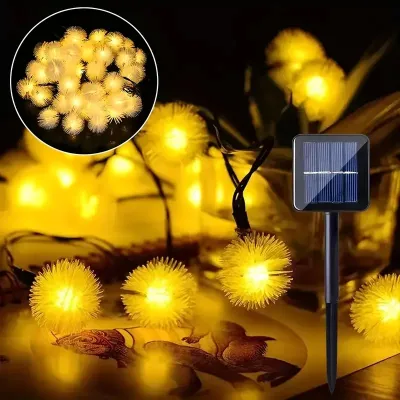
Solar-powered fairy lights are highly appealing for unsheltered balconies because they require zero external wiring and incur no electricity costs. These systems utilize a small photovoltaic panel connected to a rechargeable battery pack that automatically powers the LEDs when darkness falls. This setup eliminates the need to run extension cords from inside your home, maintaining a clean and uncluttered balcony aesthetic.
However, solar power has notable limitations in the context of Singapore’s urban landscape. Many HDB flats and condominium units are shaded by neighboring blocks, nearby trees, or deep structural overhangs, which can prevent the solar panel from receiving sufficient direct sunlight. Furthermore, during the Northeast Monsoon season—typically spanning from November to January—Singapore experiences prolonged periods of overcast skies and continuous rainfall. Under these conditions, solar panels cannot charge efficiently, resulting in significantly shorter runtimes or lights that fail to illuminate entirely. To maximize performance, you must place the solar panel on the outermost edge of your balcony railing where it can receive at least six to eight hours of unobstructed daylight.
Plug-In and USB Fairy Lights
For homeowners seeking consistent, reliable brightness throughout the year, plug-in or USB-powered fairy lights are the ideal choice. Unlike solar options, wired lights deliver a steady power supply that is completely unaffected by seasonal weather patterns or shaded building orientations. This makes them highly suitable for covered balconies where you want to enjoy bright, reliable illumination every evening.
When installing plug-in lights outdoors, safety must be your absolute priority. Any power adapter or transformer plugged into a Singapore mains socket (230V, 50Hz) must carry the mandatory SAFETY Mark issued by Enterprise Singapore. This mark ensures the device has been rigorously tested and certified safe for local electrical grids. Additionally, the outdoor socket itself must be housed within an IP-rated, weatherproof enclosure featuring a spring-loaded cover to prevent moisture from entering. Proper cable management is also essential; use insulated cable clips to route wires neatly along walls or railings, keeping them off the floor to eliminate tripping hazards and prevent cables from sitting in pooled rainwater.
Battery-Operated Fairy Lights
Battery-operated fairy lights offer unmatched placement flexibility, allowing you to wrap lights around pillars, drape them over furniture, or hang them in corners without worrying about the proximity of power outlets or solar exposure. They are an excellent short-term solution for rental properties or temporary outdoor gatherings where permanent wiring is not feasible.
The primary drawback of battery-powered systems is the ongoing maintenance and cost of replacing batteries. Standard alkaline batteries deplete relatively quickly under continuous use, especially if the light string lacks an automatic timer function. Furthermore, Singapore’s high relative humidity can cause rapid oxidation and corrosion of the metal contacts inside the battery compartment. To mitigate this risk, avoid cheap battery packs with simple slide-off covers. Instead, select battery-operated fairy lights that feature a heavy-duty, impact-resistant plastic battery box sealed with a thick silicone or rubber gasket and secured by tight-clamping latches. This design prevents humid air and rainwater from seeping inside and damaging the batteries.
Best Fairy Light Styles for HDB and Condo Balconies
The architectural design of your balcony should guide the style of fairy lights you select. Matching the physical layout of the lights to your balcony’s structural features ensures a harmonious look while maintaining safety.
Curtain and Waterfall Lights for Railings
Curtain and waterfall lights consist of a main horizontal wire from which multiple vertical light strands hang down at regular intervals. This style is exceptionally well-suited for the glass panels or metal railings commonly found on modern HDB and condominium balconies. When draped along the inner side of a railing, curtain lights create a stunning, continuous wall of light that provides a warm backdrop for outdoor seating.
Before purchasing curtain lights, it is vital to measure both the horizontal length of your railing and the vertical drop distance. You must select a drop height that leaves a safety clearance of at least 10 to 15 centimeters between the bottom of the light strands and the balcony floor. If the strands are too long, the lower LEDs will sit directly on the wet floor during rainstorms, increasing the risk of water ingress, dirt accumulation, and premature electrical failure.
Classic String and Globe Lights for Pillars
Classic string lights feature a single continuous wire with individual bulbs spaced evenly along its length. This versatile style is perfect for wrapping around structural concrete pillars, winding along outdoor beams, or zigzagging across a balcony ceiling. For structural wrapping, you can choose between micro-LED string lights—which feature tiny, delicate light points embedded in thin wire for a subtle, starry effect—and larger globe string lights (such as G40 or G50 bulbs), which deliver a vintage, café-style aesthetic.
When wrapping pillars or beams, secure the light strings using UV-resistant nylon cable ties or specialized, non-invasive outdoor mounting clips. Avoid using tight metal wires or staples that can pinch, cut, or wear down the protective outer insulation of the light cords over time. Ensure the tension is distributed evenly along the string to prevent excessive strain on the electrical connections.
Canopy and Net Lights for Ceilings
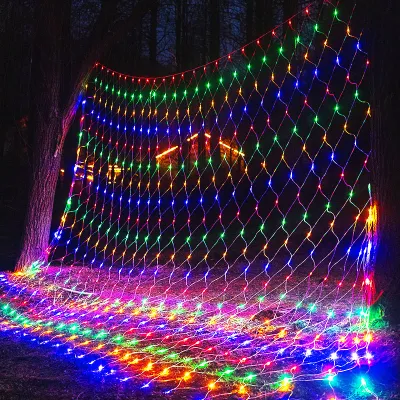
Net lights consist of a grid-like mesh of interconnected LEDs that can cover a large surface area with minimal effort. Hanging net lights or suspending multiple string lights across your balcony ceiling creates a magical canopy effect. This style is highly effective for covered balconies, transforming a plain concrete ceiling into a glowing overhead feature.
Suspending lights overhead introduces specific safety considerations. Because you are dealing with suspended loads, you must ensure all mounting hardware is securely anchored. Use heavy-duty, outdoor-rated adhesive hooks designed to withstand high humidity and temperature fluctuations without losing adhesion. Alternatively, you can use adjustable tension rods wedged securely between opposing balcony walls to support the weight of the lights. Always check the manufacturer’s specified weight limits for both the lights and the mounting accessories. If your balcony has an exceptionally high ceiling or requires complex overhead wiring, it is highly recommended to consult a qualified professional to handle the installation safely and prevent any risk of falling hazards.
How to Identify Reliable Brands and Verify Safety Marks
The local market is flooded with generic, low-cost lighting products, making it crucial to know how to identify reliable brands and verify safety certifications before making a purchase. Investing in reputable brands ensures you receive a product built with high-quality materials, accurate technical specifications, and a valid manufacturer warranty.
Established global home furnishing retailers like IKEA and renowned lighting manufacturers like Philips are highly reliable options for Singaporean consumers. These brands design their outdoor lighting products to meet strict international quality standards and provide clear, transparent product specifications. Additionally, specialized local lighting showrooms and authorized distributors across Singapore offer curated selections of outdoor-rated fairy lights. Purchasing from these established sellers provides several advantages, including access to local customer support, clear product return policies, and realistic warranty terms.
To protect your home from electrical hazards, always perform a thorough pre-purchase verification check using the following steps:
- Inspect the Physical IP Rating: Look for the IP rating (e.g., IP44 or IP65) printed directly on the product's regulatory label, which is typically wrapped around the power cord or molded onto the controller box.
- Verify the SAFETY Mark: If the fairy lights connect to a standard 230V wall outlet, inspect the power adapter or transformer for the blue SAFETY Mark logo. This mark must include a unique 8-digit registration number. You can verify this number on the official Consumer Product Safety Office (CPSO) online registry to ensure the adapter is genuine and approved for use in Singapore.
- Check for International Certifications: Look for recognized international safety marks on the packaging, such as the CE (Conformité Européenne) mark, RoHS (Restriction of Hazardous Substances) compliance, or UL (Underwriters Laboratories) certification, which indicate the product meets rigorous environmental and safety standards.
Avoid purchasing unbranded, ultra-cheap outdoor lights from unverified online marketplaces or third-party sellers. These products often bypass local safety regulations, utilizing sub-standard, thin copper-clad wiring, poor-quality solder joints, and inadequate rubber seals. Using uncertified power adapters outdoors poses a severe risk of electrical short circuits, shock, and electrical fires, particularly when exposed to Singapore’s high humidity and heavy rainfall.
Furthermore, always read the manufacturer’s warranty terms carefully. Many standard warranties contain clauses that void the coverage if the product is exposed to direct weather or used outdoors. Look for brands that explicitly offer a warranty for “outdoor residential use,” which serves as a strong indicator of the manufacturer’s confidence in the product’s weather-resistant construction.
Safe Installation and Maintenance for Humid Climates
Proper installation and routine maintenance are essential to ensure the longevity of your balcony fairy lights and to maintain a safe living environment. Neglecting basic safety protocols in a wet, humid climate can lead to rapid equipment deterioration and electrical hazards.
During installation, always keep all electrical connections, plugs, and controllers elevated off the balcony floor. Even on covered balconies, heavy rain can blow inward, causing water to pool on the floor surface. If a plug or non-waterproof controller sits in a puddle, it can cause an immediate short circuit or trip your home’s Residual Current Circuit Breaker (RCCB). Use cable ties or mounting clips to secure all connection points high up on walls or railings. If you must join two light strings together outdoors, house the connection joint inside a specialized, IP-rated waterproof junction box, or wrap the joint securely with self-amalgamating silicone tape to prevent moisture ingress.
Furthermore, never drill into your balcony’s walls or floor slabs to mount lights without professional guidance. Modern HDB flats and condominiums are constructed with specialized waterproofing membranes embedded within the balcony floors and walls to prevent rainwater from seeping into the concrete and causing structural damage or leaks in the unit below. Puncturing this membrane can lead to severe water seepage issues that are highly complex and expensive to repair. Instead, utilize non-invasive mounting solutions such as heavy-duty outdoor adhesive hooks, suction cups on glass panels, or tension rods. Before performing any installation, adjustment, or maintenance task, always isolate the power supply by switching off the wall outlet and unplugging the system.
Routine maintenance should be performed at least once every few months to keep your lighting system in optimal condition. For solar-powered setups, gently wipe down the solar panel with a damp microfiber cloth to remove accumulated dust, soot, and salt residue, which can block sunlight and reduce charging efficiency. Periodically inspect the entire length of the light string for signs of physical damage, such as cracking insulation, exposed wires, or chewing damage from common urban pests like lizards, birds, or rodents. If you detect any fraying or damage to the wires, discontinue use immediately and replace the light string. For battery-operated systems, it is wise to bring the battery pack and controller indoors during severe monsoon storms or if you plan to travel for an extended period.
Finally, always remain compliant with local housing guidelines. If you reside in an HDB flat, consult your local Town Council regulations regarding external decorations. For condominium residents, review your MCST (Management Corporation Strata Title) by-laws. Generally, guidelines dictate that all decorative lighting, cables, and mounting hardware must be kept strictly within the internal boundary of your balcony. Lights should not be attached to the external facade of the building, hang over the edge into common property, or emit excessive, bright glare that causes light pollution and disturbs your neighbors. Keeping your lights warm, diffused, and contained within your balcony ensures a peaceful and compliant living environment.
Frequently Asked Questions (FAQ)
Can I leave my balcony fairy lights on during heavy rain?
While high-quality outdoor fairy lights rated at IP65 or higher are engineered to withstand direct rain, it is highly recommended to turn off and unplug your balcony lights during severe thunderstorms or torrential monsoon downpours. Extreme weather can bring high-velocity winds that force moisture into seals, and nearby lightning strikes can cause electrical power surges that damage the sensitive LED drivers. Turning them off during major storms ensures maximum safety and extends the lifespan of your lights.
Do solar fairy lights work well during Singapore's monsoon season?
Solar fairy lights will continue to function during the monsoon season, but their daily runtime and brightness will be significantly reduced. Because the monsoon brings consecutive days of heavy cloud cover and rain, the solar panel cannot collect enough sunlight to fully charge the internal battery. If you want consistent, year-round illumination regardless of the weather, consider choosing hybrid fairy lights that feature dual-power options, allowing you to charge them via USB or plug them into a wall outlet when solar charging is insufficient.
Are there specific HDB rules for hanging lights on the balcony exterior?
Yes, HDB guidelines generally prohibit residents from installing, mounting, or hanging any items on the external facade of the building, as this can affect structural safety and the estate’s uniform appearance. To remain fully compliant, ensure that all balcony fairy lights, extension cords, and mounting accessories are kept strictly on the inner side of your balcony railings and within your private floor area. Avoid drilling into external walls, and ensure the lights do not shine directly into your neighbors’ windows.
Community discussion
Share your experience or ask a question. Comments are reviewed before publication.