
Finding reliable ball fairy lights in Singapore involves looking beyond aesthetics to prioritize electrical safety and material durability against the tropical climate. While many generic options flood the market, the most reliable brands are those that carry official local safety certifications, feature mold-resistant materials, and use high-quality LED chips that do not overheat. Ball fairy lights, characterized by their decorative spherical casings made of cotton thread, woven rattan, or synthetic resins, add a soft, ambient glow to any interior space. When shopping in Singapore, your primary focus should be on verifying the power source’s safety compliance, checking the durability of the sphere construction, and choosing materials suited to your home’s humidity levels. Rather than chasing transient model numbers that frequently go out of stock, this guide establishes a robust framework for identifying trustworthy brands and retail channels across the island.
Key Evaluation Criteria for Ball Fairy Light Brands
Material Quality & Climate Suitability
Cotton thread and natural rattan are highly popular for their organic, textured appearance. However, Singapore’s average relative humidity often exceeds 80 percent, creating an ideal breeding ground for mold, mildew, and dust mites. Natural fibers can absorb moisture from the air, causing the spheres to soften, lose their shape, or develop unsightly dark spots. Furthermore, cheap brands often use water-soluble glues to bind cotton threads, which can dissolve or degrade in humid conditions, causing the spheres to collapse. If you opt for natural cotton or rattan brands, look for those that apply anti-fungal treatments or choose synthetic resin and plastic spheres that mimic the look of natural weaves while remaining completely impervious to moisture and easy to wipe clean.
Lighting Specifications
The quality of the underlying LED chips determines both the longevity of the lights and the quality of the glow. High-quality brands use copper-wired LEDs that maintain consistent brightness across the entire string without dimming toward the end. Color temperature is a critical preference: warm white (typically 2700K to 3000K) is ideal for cozy bedrooms and living rooms, while cool white (5000K to 6500K) suits modern, minimalist decors or festive holiday displays. Ensure the brand specifies the lumen output or wattage limits to avoid underpowered, barely-visible glows or, conversely, overly harsh glare. Additionally, premium brands design their light strings in parallel rather than series circuits, meaning that if a single LED chip fails, the rest of the string remains illuminated.
Products mentioned in this guide
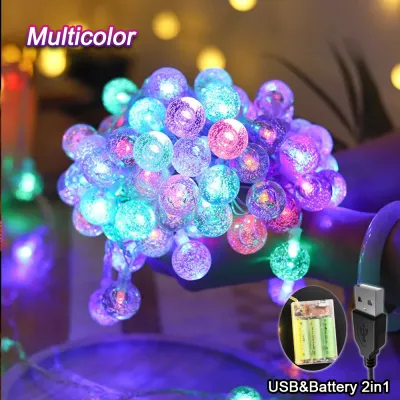
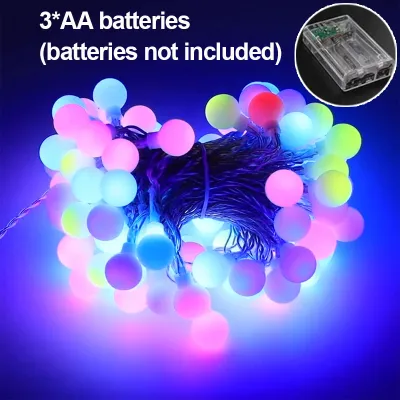
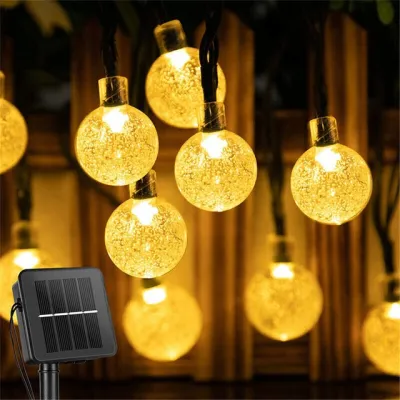
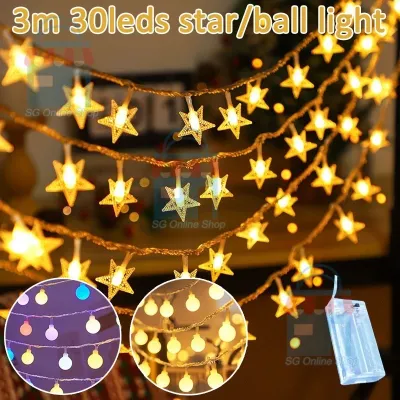
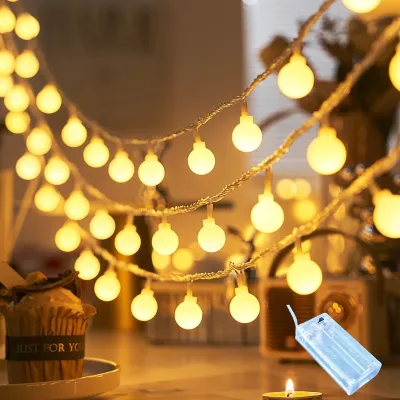
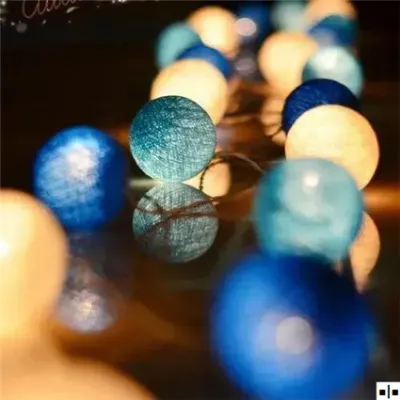
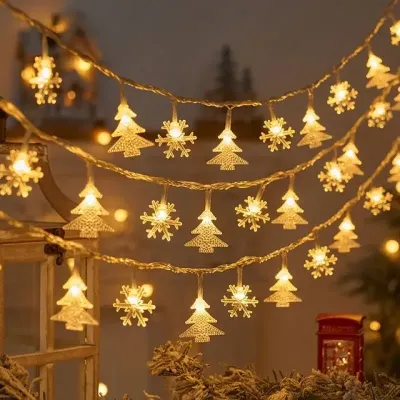
Prices are valid at publication and may change. Please refer to the product page for the latest price.
Build and Wire Durability
A common pain point with cheap fairy lights is fragile wiring. High-quality brands utilize multi-strand copper wire insulated with thick, flexible PVC or heavy-duty transparent plastic. This flexibility prevents internal copper breakage when the lights are draped, wrapped, or packed away. Additionally, the connection points where the wires enter each sphere must be securely reinforced. Loose connections can lead to intermittent flickering or complete circuit failure. Look for brands that feature robust, sealed battery boxes or reinforced plug-in connectors that do not wiggle or pull loose under light tension.
Safety and Compliance
Electrical safety is paramount when introducing decorative lighting into HDB flats or private apartments. Mains-powered fairy lights that plug directly into wall sockets must comply with local safety regulations. In Singapore, the Consumer Product Safety Office (CPSO) mandates that controlled electrical items, including AC adapters and power plugs, must carry the SAFETY Mark. This certification ensures the adapter has been rigorously tested against short circuits, overheating, and electrical shocks. Never use unbranded, direct-mains lights lacking this mark, as they pose a genuine fire hazard in residential spaces. For added safety, consider low-voltage systems (such as 5V, 12V, or 24V configurations) which significantly reduce the risk of severe shock if a wire is accidentally damaged.
Where to Find Reliable Ball Fairy Light Brands in Singapore
Established Home and Lifestyle Retailers
Buying from recognized physical lifestyle chains across Singapore offers distinct advantages. These retailers curate their inventory, ensuring that the products on their shelves meet local safety standards and quality expectations. Visiting a physical store allows you to touch the materials, inspect the weave density of cotton or rattan spheres, and observe the actual color temperature of the LEDs under realistic lighting conditions. Furthermore, established retailers provide clear return and exchange policies, giving you recourse if a string of lights exhibits defective bulbs or faulty wiring out of the box.

Specialty Lighting and Decor Boutiques
For those seeking premium craftsmanship or unique aesthetic designs, specialty lighting boutiques in Singapore are the premier choice. These boutiques, often located in design-focused districts or specialized home styling enclaves, source hand-woven rattan or designer cotton ball lights crafted by skilled artisans. While these products carry a higher price tag, they offer superior build quality, more durable wiring, and unique color palettes that standard mass-market options cannot match. Additionally, specialty stores often provide personalized customer support, helping you calculate the correct length, select appropriate power configurations, and advise on complex installations for feature walls or events.
Reputable Brands on Online Marketplaces
Online marketplaces offer an unparalleled variety of ball fairy lights, but navigating them requires a discerning eye. To find reliable brands online, prioritize official brand stores (often marked with “Mall” or “Official” tags) and storefronts with high positive ratings and established local histories. Carefully examine buyer-submitted photos to verify the actual product appearance, wire thickness, and plug type. Avoid unbranded, drop-shipped items that feature generic descriptions and lack local warranty support. Always verify that online listings explicitly state compliance with Singapore’s electrical standards and include a SAFETY Mark-certified power adapter.
Comparing Power Options for Singapore Homes
Choosing the right power source depends heavily on where you plan to install your ball fairy lights and how frequently you intend to use them. The table below outlines the key differences between the three primary power configurations available in the market.
| Power Type | Convenience & Placement | Brightness & Longevity | Safety & Maintenance | Best Use Case |
|---|---|---|---|---|
| Mains-Powered (Plug-In) | Limited by proximity to wall outlets; may require extension cords. | Maximum, consistent brightness; infinite runtime as long as plugged in. | Requires SAFETY Mark on adapter; low risk if certified but must avoid water. | Living room accent walls, permanent bedroom headboard displays. |
| Battery-Operated | Highly portable; can be placed anywhere without visible trailing wires. | Brightness fades as batteries drain; limited runtime per battery set. | Low voltage is very safe; requires frequent battery replacements or rechargeables. | Dining table centerpieces, temporary party setups, shelf displays. |
| USB-Powered | Very flexible; plugs into wall adapters, power banks, or laptops. | Consistent brightness; runtime depends on the connected power source. | Extremely safe low voltage; low maintenance with rechargeable power banks. | Study desks, cozy reading corners, covered balconies with power banks. |
Mains-Powered (Plug-In) Considerations
Mains-powered ball fairy lights are the most reliable option for permanent installations where consistent, maximum brightness is desired. Because they draw power directly from your home’s electrical grid, you do not have to worry about fading lights or dead batteries. However, you must ensure that the power adapter features the Singapore SAFETY Mark. Always plug them directly into a wall socket or a high-quality, fused extension strip, and avoid overloading a single socket with multiple high-draw appliances.
Battery-Operated and USB Alternatives
Battery-operated models offer unmatched portability, allowing you to decorate areas without easy access to wall outlets, such as the center of a dining table or a high bookshelf. The main drawback is the ongoing cost and environmental impact of replacing alkaline batteries. To mitigate this, invest in high-quality rechargeable NiMH batteries. Alternatively, USB-powered ball fairy lights bridge the gap between portability and efficiency. They can be powered by standard USB wall chargers, computer ports, or portable power banks, making them highly versatile and safe due to their low 5V operating voltage.
Installation, Care, and Humidity Management
Safe Installation Guidelines
When hanging ball fairy lights, always prioritize safety and structural integrity. Avoid routing wires through door frames, window gaps, or under heavy rugs where they can be pinched, crushed, or frayed. For HDB walls, use high-quality, paint-safe adhesive hooks designed to hold the weight of the lights without peeling off the plaster or paint. If you are mounting lights at height or near ceiling fixtures, ensure the power is isolated before installation. Never hang heavy or wet items from the fairy light string, as this can strain the internal copper wiring and lead to electrical failure.
Humidity and Dust Care
Singapore’s tropical climate requires proactive maintenance to keep your lights looking pristine. For natural fiber spheres like cotton or rattan, perform regular dusting using a dry microfiber cloth or a soft-bristled brush to prevent dust accumulation, which attracts moisture and promotes mold growth. If you notice early signs of mold, gently wipe the affected spheres with a slightly damp cloth dipped in a mild, diluted soapy solution, then immediately dry them thoroughly with a hairdryer on a cool setting. Never saturate the spheres or allow water to contact the electrical components, wires, or LED bulbs. If storing the lights during the off-season, pack them in an airtight container with several silica gel packets to absorb residual moisture.
Troubleshooting Boundaries
If your ball fairy lights stop working, start with simple, non-invasive checks. For battery-operated models, replace the batteries with a fresh set or verify that the battery contact plates are clean and free of corrosion. For USB or mains-powered models, try a different certified adapter to rule out power supply issues. However, if you notice individual LEDs failing, wires becoming hot to the touch, or visible fraying and cracking in the wire insulation, do not attempt to splice, tape, or repair the wiring yourself. In these scenarios, the safest course of action is to discard the unit and replace it to prevent short circuits or fire hazards.
Frequently Asked Questions (FAQ)
Can I use indoor ball fairy lights on a covered balcony in Singapore?
No, you should avoid using indoor-rated ball fairy lights on a covered balcony. Even though a balcony is covered, Singapore’s high atmospheric humidity, salt spray in coastal areas, and driving rain during monsoon seasons can easily penetrate indoor-rated light strings. Indoor lights lack the necessary Ingress Protection (IP) ratings to resist moisture. For any semi-outdoor or outdoor installations, look for ball fairy lights explicitly rated IP44 or higher, which indicates protection against splashing water from all directions.
How do I check if a fairy light power adapter is safe in Singapore?
To ensure a mains-powered fairy light adapter is safe for use in Singapore, look for the official SAFETY Mark issued by the Consumer Product Safety Office (CPSO). This mark consists of a distinctive logo alongside a unique 8-digit certification number. The SAFETY Mark must be printed or embossed directly on the power adapter body, not just on the outer packaging. You can verify the validity of this registration number on the official CPSO database to ensure the adapter has undergone rigorous safety testing.
Do battery-operated ball fairy lights consume a lot of batteries?
While LEDs are highly energy-efficient, keeping battery-operated ball fairy lights turned on for several hours daily will deplete standard alkaline batteries within a few weeks. The initial bright glow will gradually dim as the battery voltage drops. To minimize ongoing costs and environmental waste, consider investing in high-quality rechargeable NiMH batteries and a dedicated charger. Alternatively, choose USB-powered ball fairy lights, which can run efficiently off a rechargeable power bank or a standard USB wall adapter.
Community discussion
Share your experience or ask a question. Comments are reviewed before publication.