
When transforming your living space into a warm, inviting sanctuary, battery fairy lights offer an unmatched level of versatility. Unlike their mains-powered counterparts, battery-operated string lights do not require proximity to a wall outlet, allowing you to decorate high shelves, wrap balcony railings, or style dining table centerpieces without managing unsightly cords. However, the Singapore market is flooded with various options ranging from ultra-cheap disposable strands to premium, weather-resistant decorative systems. Finding high-quality options that withstand local humidity, provide consistent brightness, and offer long battery life requires understanding a few key technical specifications and knowing where to shop.
What Defines a High-Quality Battery Fairy Light?
To distinguish premium battery fairy lights from low-grade alternatives, you must look beyond the initial visual appeal and evaluate the underlying structural components. High-quality construction directly translates to physical durability, consistent light output, and long-term safety.
Wire and LED Build Quality The metallic wire serves as both the structural backbone and the electrical conduit of your fairy lights. Most micro-fairy lights utilize either copper wire or silver-plated copper wire. Copper wire is highly flexible and naturally warm in appearance, making it easy to blend into wooden furniture or indoor foliage. However, copper can oxidize and turn green when exposed to humid air if it lacks a high-quality protective lacquer coating. Silver-plated copper wire offers a sleek, modern aesthetic and excellent electrical conductivity, but it requires a robust, clear polyurethane or acrylic topcoat to prevent short circuits. Beyond the wire material, inspect the solder joints where the LED beads are attached. Cheap manufacturing processes often use minimal, brittle solder that easily cracks when the wire is bent or coiled. Premium brands reinforce these connection points with a tiny droplet of protective epoxy resin. This encapsulation prevents physical strain on the electrical connection, eliminating the common issue of flickering bulbs or entire sections of the strand suddenly going dark.
Products mentioned in this guide
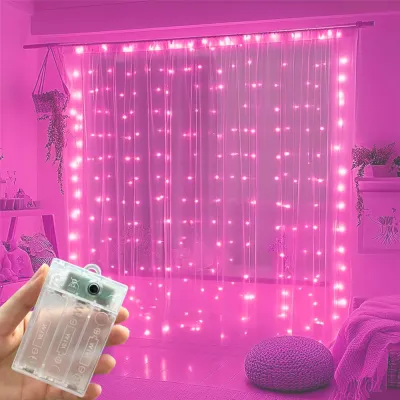
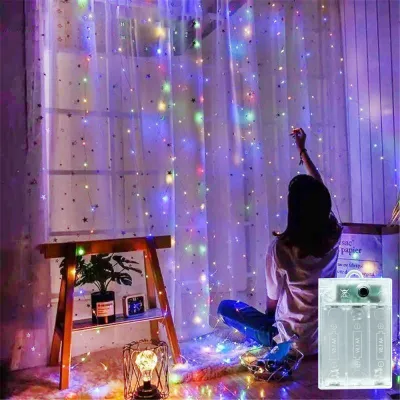
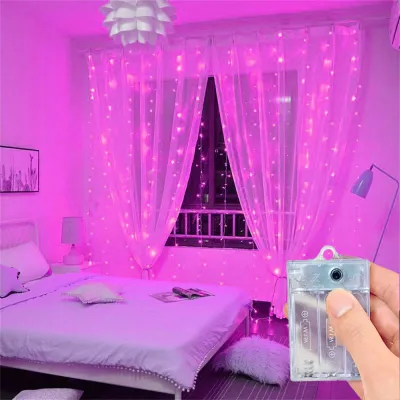
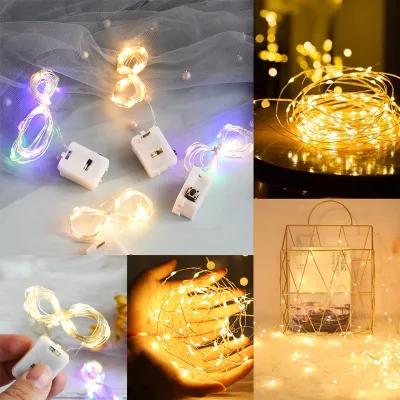
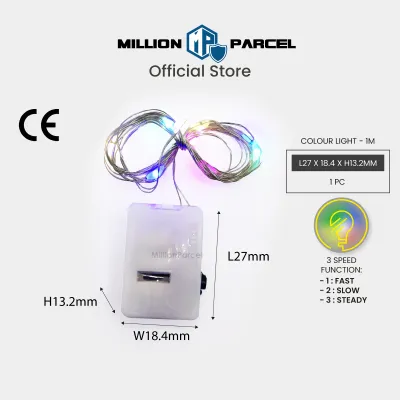
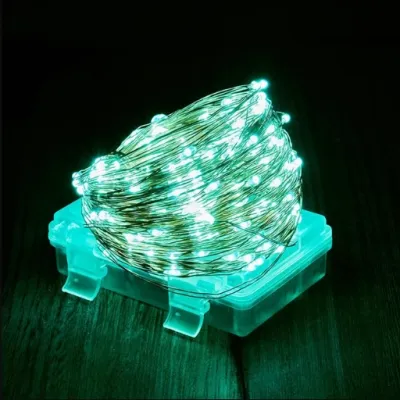
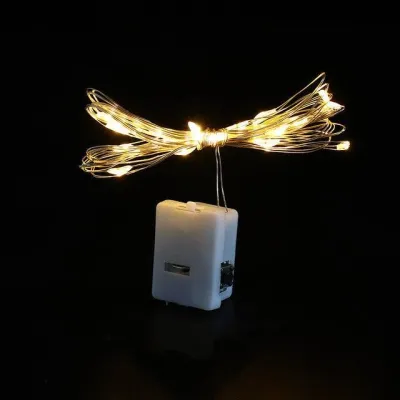
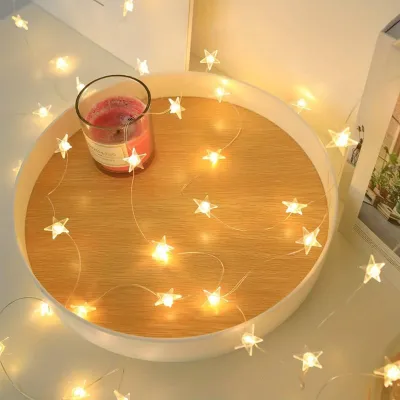
Prices are valid at publication and may change. Please refer to the product page for the latest price.
Brightness and Color Consistency A major indicator of low-quality fairy lights is uneven light output and shifting color temperatures along a single strand. LEDs are manufactured in massive batches and subsequently sorted into “bins” based on their exact color temperature and lumen output. Premium brands source their LEDs from tightly controlled bins, ensuring that every single bulb on a 10-meter strand emits a consistent warm white glow (typically calibrated between 2700K and 3000K). In contrast, budget-grade lights often utilize mixed-bin LEDs, resulting in distracting variations where some bulbs appear cozy yellow while others emit a harsh, cool blue or greenish hue. Furthermore, high-quality strands are engineered to combat voltage drop—the natural loss of electrical pressure as current travels down a thin wire. Well-designed circuitry ensures that the bulbs at the very end of the strand remain just as bright as those closest to the battery compartment.
Battery Compartment Design The battery box is frequently the first component to fail, particularly in humid environments. High-quality battery compartments are constructed from impact-resistant ABS plastic rather than thin, brittle polystyrene. They feature secure closures, such as heavy-duty latches or screw-down lids, which are essential for households with young children or inquisitive pets to prevent accidental access to batteries. Inside the compartment, the metal contact terminals should be examined. Premium brands utilize nickel-plated steel or brass contacts that resist rust. Cheap alternatives often use untreated iron springs, which corrode rapidly in Singapore’s high relative humidity. Once rust forms on the terminals, it creates electrical resistance, leading to rapid battery drain, flickering lights, or complete power failure.
Safety and Compliance Even though battery fairy lights operate on low-voltage direct current (typically 3V to 4.5V), basic electrical safety certifications remain highly important. Look for recognized safety and environmental compliance marks on the packaging, such as CE, RoHS (Restriction of Hazardous Substances), or FCC. These marks verify that the product has been manufactured without hazardous materials like lead or cadmium in the solder, and that the circuit design includes basic overcurrent protection to prevent overheating in the event of a short circuit.
Reliable Battery Fairy Light Brands and Retailers in Singapore
Navigating the retail landscape in Singapore reveals several distinct sourcing channels. Depending on your budget, aesthetic preferences, and whether you require temporary event lighting or permanent home decor, different retailers offer specific advantages and trade-offs.

Major Home Furnishing and Lifestyle Retailers
For everyday home decoration, established physical and online lifestyle retailers provide reliable, standardized quality control. Retailers such as IKEA, Spotlight, and Daiso offer highly accessible options with clear return policies and consistent stock levels.
- IKEA: Known for strict compliance with international safety standards, IKEA's decorative lighting ranges (such as their VISSVASS series) feature robust wire insulation, highly reliable battery compartments, and built-in automatic timers. They are ideal for clean, minimalist indoor setups, such as draping over a headboard or styling a glass dome display. However, their designs are highly standardized, meaning you will not find highly specialized wire colors, extreme lengths, or advanced flashing modes.
- Spotlight: This large-scale craft and home styling retailer offers a wide variety of seasonal and everyday fairy lights. Their selection includes unique bulb shapes (such as stars, globes, or paper lanterns) and various wire finishes, making them excellent for festive transformations, party backdrops, or themed room makeovers. The trade-off is pricing, which can be relatively high unless you purchase during their regular members-only sales.
- Daiso: Offering ultra-budget-friendly options, Daiso is highly accessible for quick, short-term DIY crafts or temporary table settings. However, these lights feature exceptionally thin wires prone to snapping under tension, basic plastic battery boxes without moisture seals, and less efficient LED chips that drain batteries quickly. They are generally not suitable for permanent installations or humid semi-outdoor spaces.
Specialty Lighting and Decor Boutiques
When your design project demands premium aesthetics, specialized local decor boutiques and dedicated lighting showrooms in Singapore offer curated, high-specification options. These retailers cater to interior designers and homeowners looking for durable, high-impact installations.
These specialized boutiques often source premium imported labels or manufacture their own high-grade decorative lighting. Their products feature thick, double-insulated copper wires, heavy-duty waterproof battery boxes (often IP65-rated), and highly calibrated micro-LEDs that emit a rich, warm amber glow. These lights are perfect for permanent feature walls, styling canopy beds, or wrapping around outdoor balcony railings where they will be exposed to the elements.
The primary limitation of specialty boutiques is the cost, with premium strands often priced between S$20 and S$60 depending on the length and features. Additionally, they have a limited physical retail presence, meaning you may need to visit specific design districts (such as Balestier or Outram) or order directly from their curated online storefronts.
Official Brand Stores on Major E-commerce Platforms
If you prefer the convenience of online shopping but want to avoid low-quality counterfeit goods, navigating official brand stores on major e-commerce platforms is an excellent strategy. Reputable global lighting manufacturers, such as Philips or Osram, as well as highly rated specialized smart-lighting brands, maintain official flagship stores on these platforms.
To ensure you are purchasing a reliable product, always look for the platform’s official “Mall” or “Flagship” verification badge, which guarantees seller authenticity and provides reliable return policies. Carefully read the product descriptions to verify technical specifications like wire thickness, LED count, and battery box construction. Additionally, examine recent customer reviews from local buyers, paying close attention to user-uploaded photos showing the actual color temperature and real-world feedback regarding battery consumption.
The main limitation of online shopping is the inability to physically inspect the wire flexibility or solder quality before buying. Furthermore, online marketplaces are heavily saturated with cheap, unbranded, white-label fairy lights from third-party sellers. These listings often use stolen stock photos from premium brands but deliver fragile, low-quality alternatives, making careful seller verification absolutely essential.
Essential Specifications to Verify Before Purchase
Before purchasing battery fairy lights, you must verify several technical and functional specifications to ensure they match your intended space and environmental conditions.
Battery Type and Power Consumption The type of battery a fairy light strand requires directly dictates its physical weight, battery box size, and operational lifespan.
- AA Batteries: These are the gold standard for most home decor applications. AA batteries offer a high capacity (typically 2000mAh to 3000mAh for alkaline), providing enough power to run a 50-to-100 LED strand for dozens of hours.
- AAA Batteries: These are slightly smaller and lighter, making them ideal for medium-length strands where the battery box needs to be easily hidden behind a photo frame or inside a small decorative object.
- CR2032 Coin Cells: Extremely compact and lightweight, these are perfect for delicate table centerpieces, floral arrangements, or wearable crafts. However, their capacity is very low (around 220mAh), meaning they will drain quickly (often within 10 to 15 hours of continuous use) and are not suitable for daily home decor.
Functional Features Modern battery fairy lights offer several convenient features that enhance usability and battery efficiency. A built-in timer is highly recommended; it typically runs on a 6-hour on and 18-hour off cycle, automatically illuminating your space at the same time every evening and saving battery life when you are asleep or away. Remote controls are incredibly useful for lights placed in hard-to-reach areas, such as high shelves, ceiling drapes, or behind heavy furniture. Look for remotes that offer dimming options, allowing you to adjust the brightness to match the mood and significantly extend battery life, as running LEDs at 50% brightness consumes a fraction of the power.
Environmental and Moisture Ratings Given Singapore’s tropical climate and high humidity, verifying the Ingress Protection (IP) rating is crucial if you plan to use the lights anywhere outside a dry, air-conditioned living room. For standard indoor use, an IP20 rating (unprotected against water) is acceptable. However, for humid bathrooms, kitchens, or semi-outdoor spaces like HDB service yards, balconies, and condo patios, you should look for an IP44 rating (splash-resistant) or an IP65 rating (water-resistant). Ensure that the rating applies to both the LED strand and the battery box. Many budget brands advertise “waterproof fairy lights” when only the wire is waterproof, leaving the battery box vulnerable to rust and short circuits from rain or humid air.
Wire Length and LED Density Match the physical dimensions of the strand to your specific decorative project. Standard fairy lights typically feature a bulb spacing of 10cm, which is ideal for draping across walls, wrapping around Christmas trees, or hanging along curtains. High-density micro-LED strands feature a bulb spacing of 5cm or less, creating a concentrated, intense glow. These are perfect for wrapping tightly around narrow objects like bedposts, table legs, or indoor plants, as well as stuffing inside glass mason jars to create “firefly” lanterns.
Best Practices for Battery Life and Safe Usage
To maximize the lifespan of your battery fairy lights and prevent common hazards such as battery leakage or terminal corrosion, follow these essential maintenance and usage guidelines.
Battery Selection and Management Choosing the right batteries is key to maintaining consistent brightness and protecting your lights. High-quality alkaline batteries provide a stable 1.5V output and are excellent for occasional use. For daily home decor, consider investing in high-quality rechargeable Nickel-Metal Hydride (NiMH) batteries. While they have a slightly lower nominal voltage (1.2V), they can be recharged hundreds of times, making them far more cost-effective and environmentally friendly in the long run. Never mix old and new batteries, or combine different battery brands and chemistry types (such as mixing alkaline with heavy-duty carbon-zinc). Doing so can cause “reverse charging,” where the stronger batteries force current through the weaker one, leading to chemical leakage, terminal corrosion, and permanent damage to the battery box.
Heat and Humidity Management Singapore’s intense heat and high relative humidity present unique challenges for battery-operated electronics. Keep the battery compartment out of direct sunlight, as excessive heat can cause batteries to overheat, degrade, or leak. If you are using the lights on a balcony or near a window, place the battery box in a shaded, well-ventilated spot. To prevent moisture from condensing on the metal terminals inside the box, you can place a small packet of silica gel inside the compartment if space permits, or choose a high-quality IP65-rated battery box with a rubber gasket seal.
Storage and Handling Guidelines Proper handling will extend the lifespan of your fairy lights by years. When packing away your lights, never bend, fold, or crease the copper or silver wires tightly, as this creates micro-fractures in the metal that eventually lead to loose connections and dead bulbs. Instead, gently coil the wire in loose circles around your hand, a clean cardboard tube, or a plastic spool. Most importantly, always remove the batteries from the compartment if you do not plan to use the lights for more than a few weeks. Leftover batteries in storage will slowly self-discharge and are highly prone to leaking corrosive potassium hydroxide, which will eat through the metal contacts and ruin the light permanently.
Frequently Asked Questions (FAQ)
How long do battery fairy lights typically last on a single set of batteries?
The runtime of battery fairy lights varies based on the number of LEDs, the brightness level, and the capacity of the batteries used. As a general rule, a standard 10-meter strand with 100 micro-LEDs powered by three high-quality AA alkaline batteries (approx. 2500mAh each) will run continuously for about 30 to 50 hours on a steady-on mode before the brightness begins to noticeably fade. If the lights feature a dimming option and are run at 50% brightness, this runtime can easily double. Utilizing a built-in 6-hour timer function means a single set of quality batteries can keep your lights running every night for up to two to three weeks.
Can I use rechargeable batteries in my fairy lights?
Yes, rechargeable batteries are highly recommended for daily decorative setups to reduce waste and long-term costs. However, you should be aware of the voltage difference: standard alkaline batteries deliver 1.5V, whereas rechargeable NiMH batteries deliver 1.2V. In a three-battery setup, this results in an operating voltage of 3.6V instead of 4.5V. Consequently, the LEDs may appear slightly less bright when compared to fresh alkaline batteries, and the lights may dim sooner. Always check the manufacturer’s packaging to ensure there are no specific warnings against using rechargeable cells.
Are battery fairy lights safe to leave on overnight?
Generally, yes. Battery-powered LED fairy lights are exceptionally safe because they operate on low-voltage direct current (3V to 4.5V) and generate almost zero heat, eliminating the risk of burns or electrical fires associated with high-voltage mains-powered lights. However, leaving them on overnight unnecessarily drains the batteries. For the best balance of safety, convenience, and energy efficiency, it is highly recommended to use a built-in timer function that automatically shuts the lights off after 6 hours, or to manually switch them off before going to bed.
Community discussion
Share your experience or ask a question. Comments are reviewed before publication.